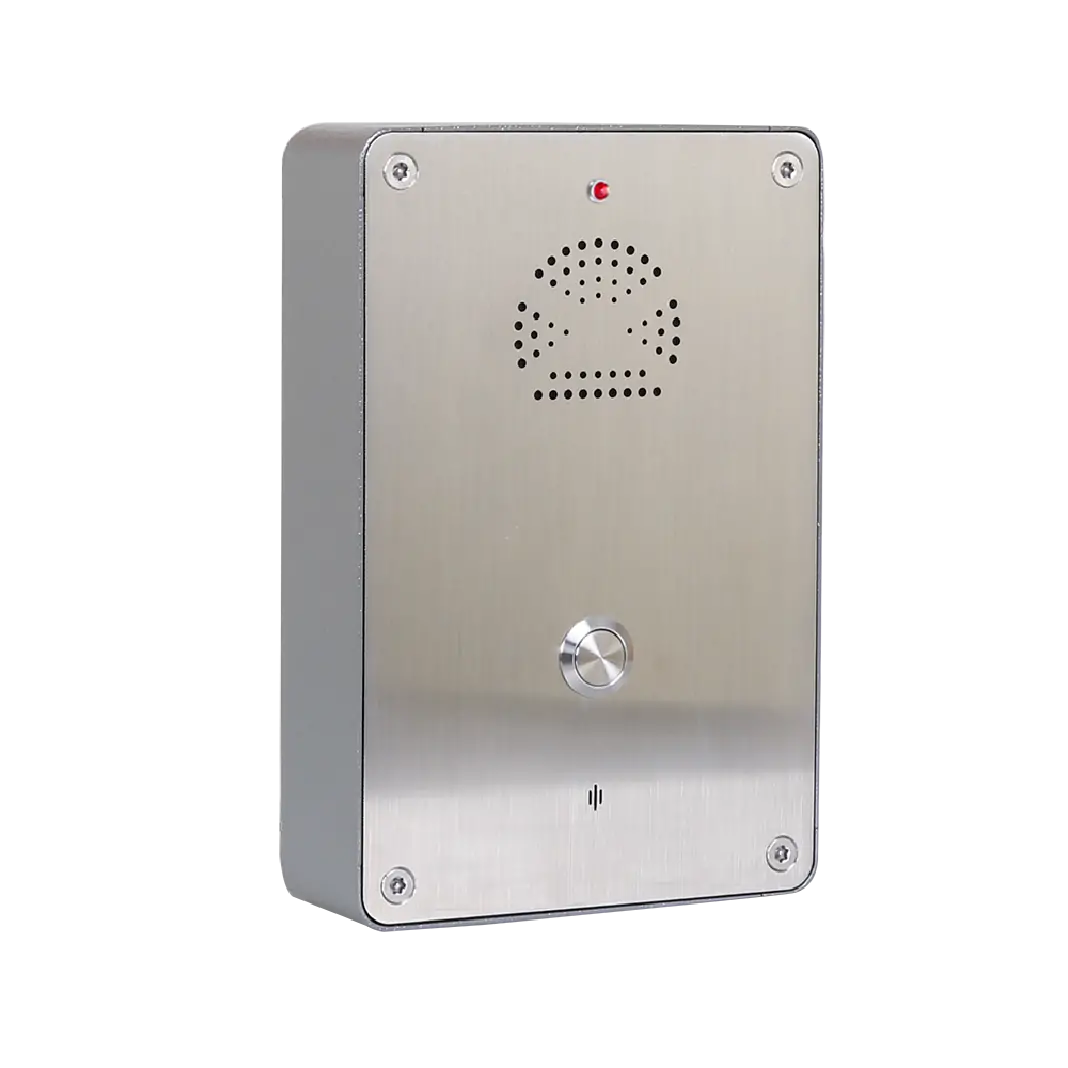
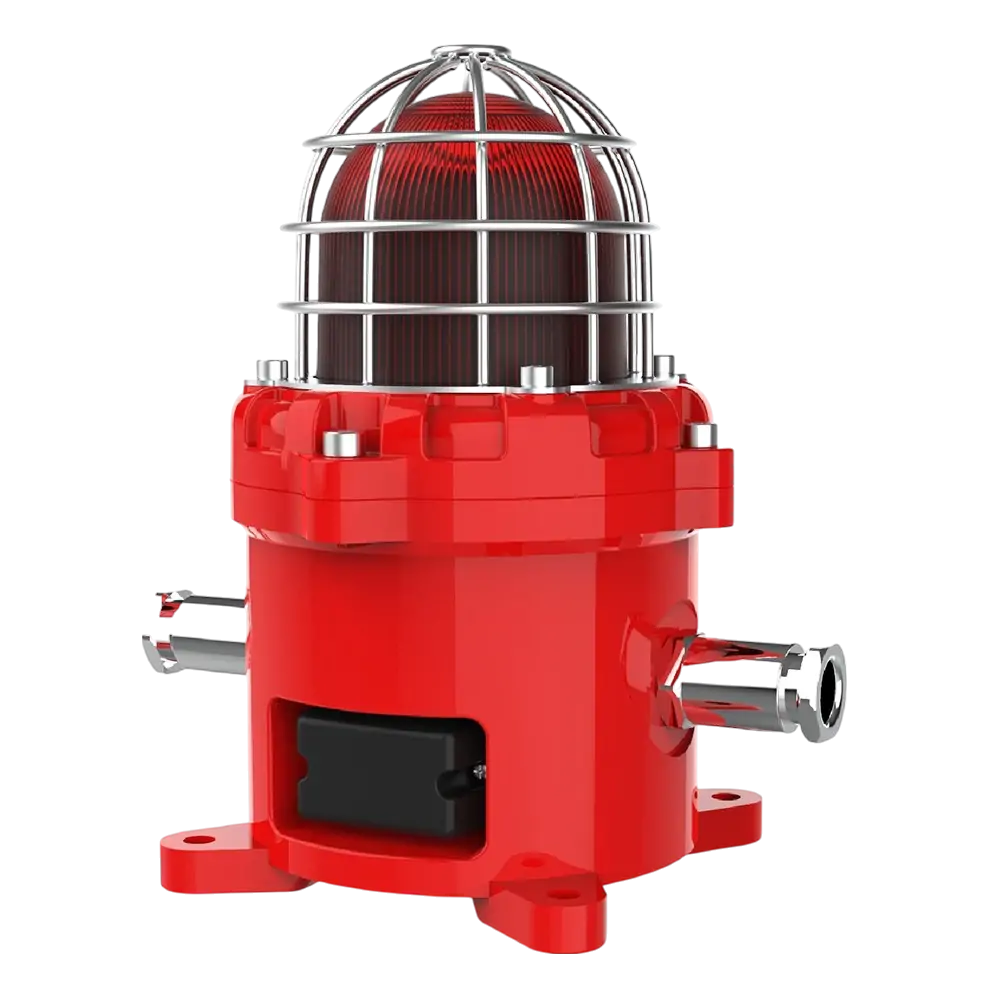
Industrial plants operate in environments where hazards can escalate within seconds. In such scenarios, an emergency broadcast system plays a critical role in ensuring timely communication, enabling fast evacuation, and minimizing risk to personnel and assets. By delivering clear, real-time instructions across wide areas, these systems form a core part of modern plant safety infrastructure.
Broadcast Components
An effective emergency broadcast system consists of several key components working together:
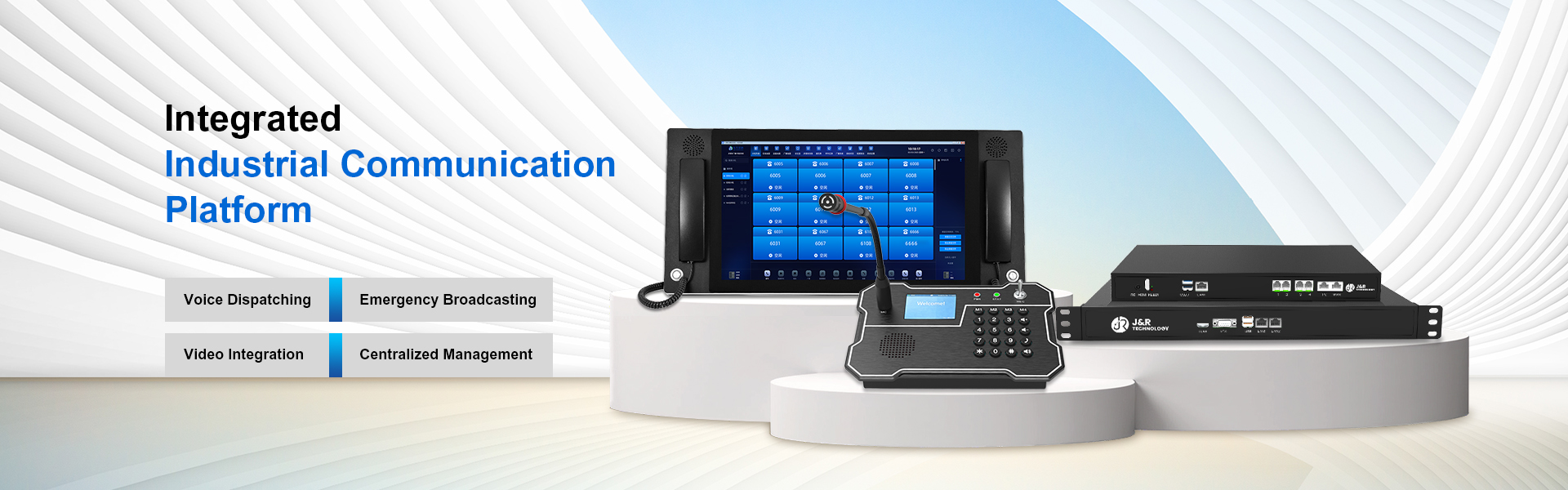
- Central Control Unit: Acts as the command center, allowing operators to initiate live or pre-recorded announcements.
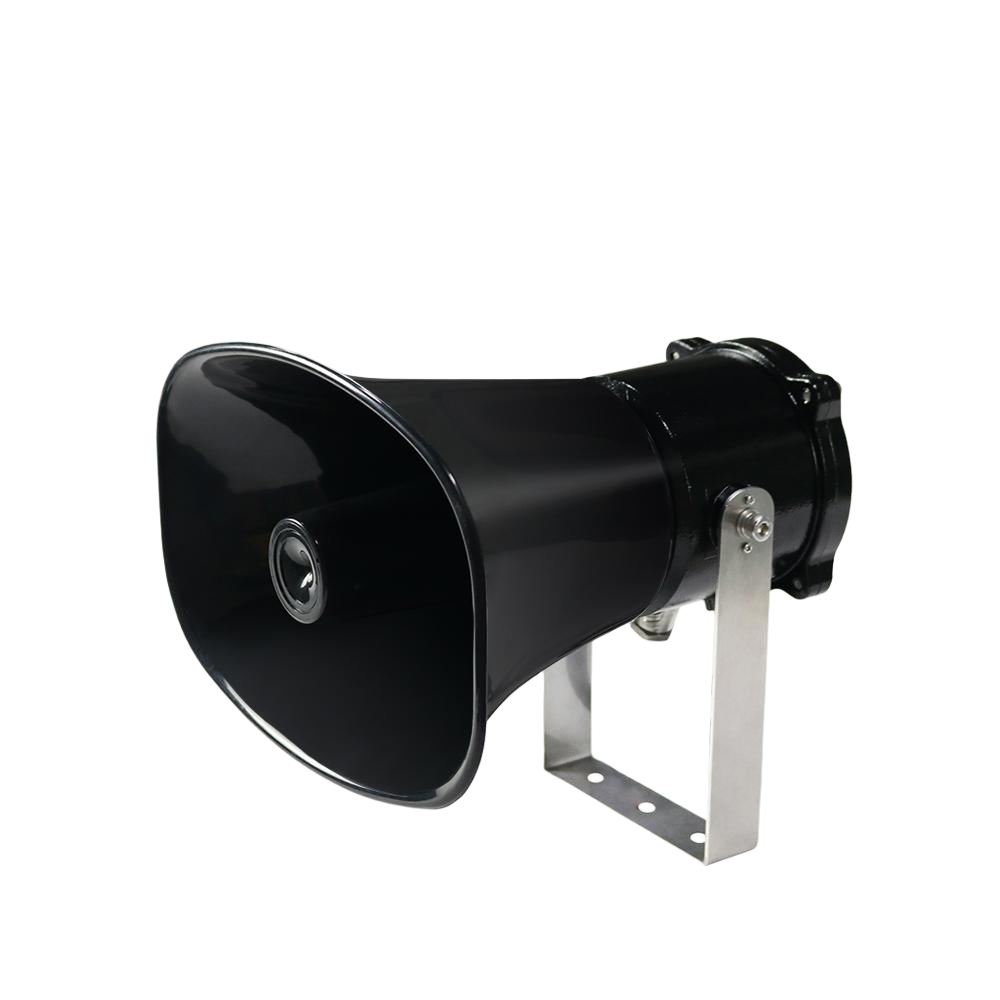
- Amplifiers and Speakers: High-powered, industrial-grade speakers ensure messages are audible even in high-noise environments.
- Microphones and Paging Consoles: Enable manual announcements during emergencies.
- Network Infrastructure: Often IP-based, supporting scalability and remote access.
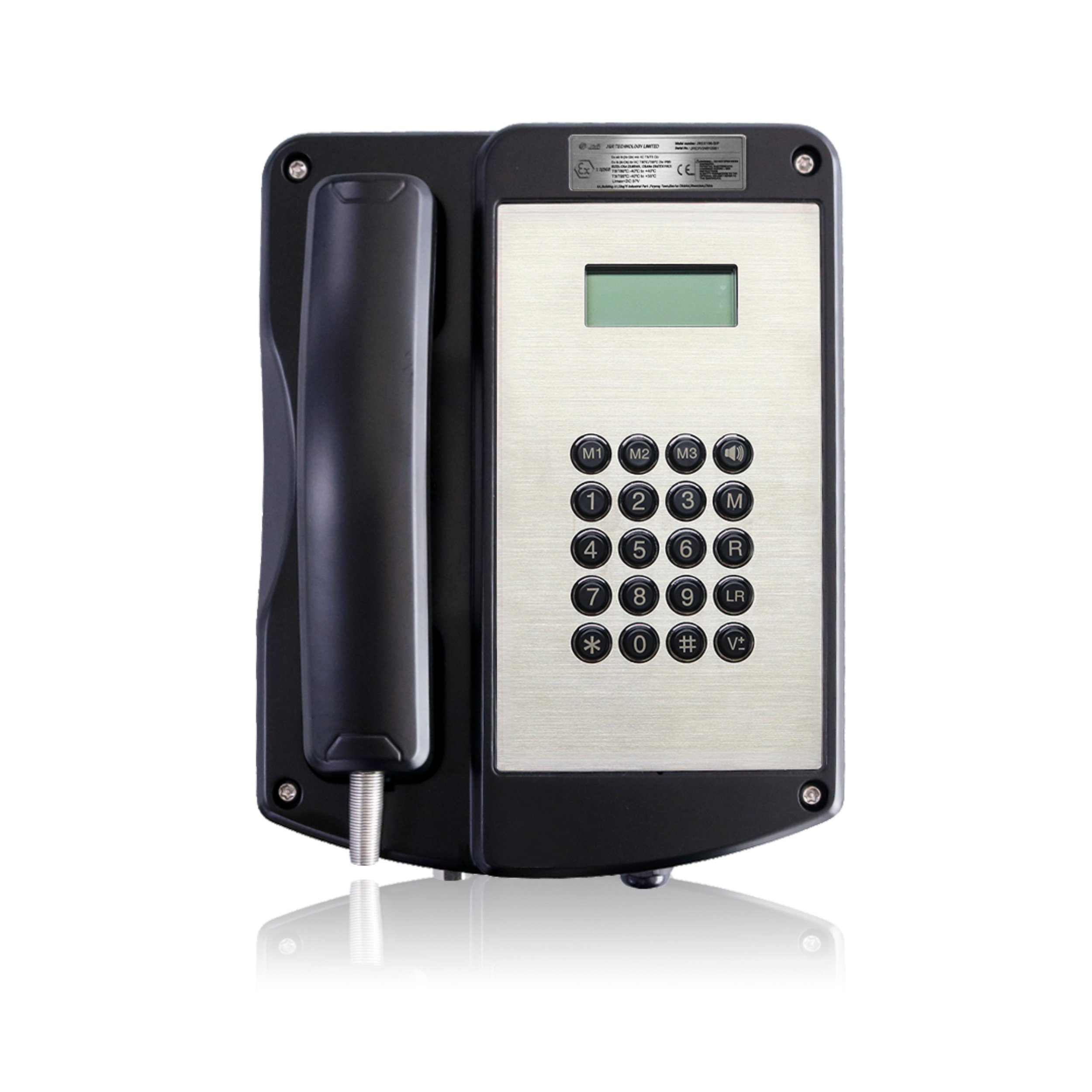
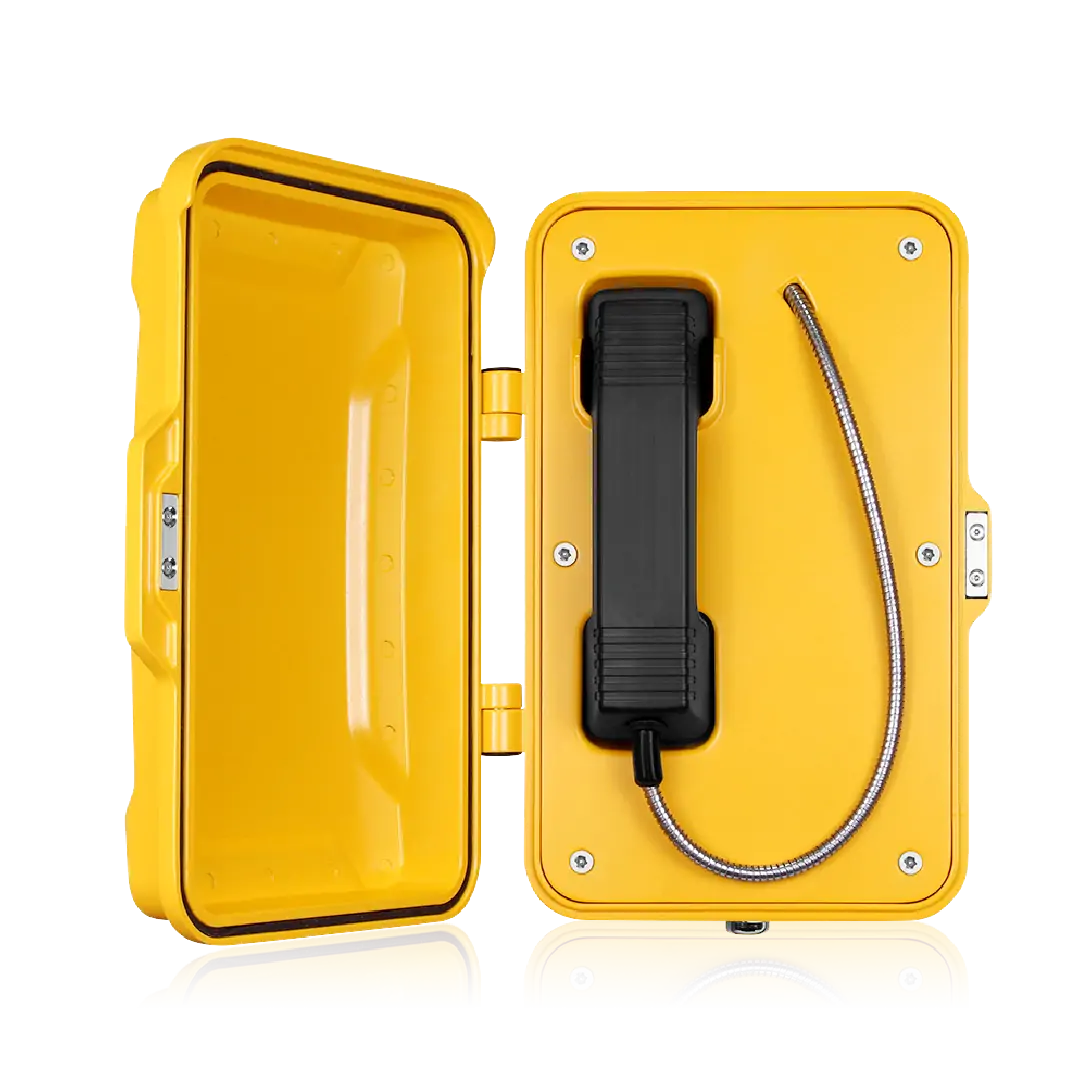
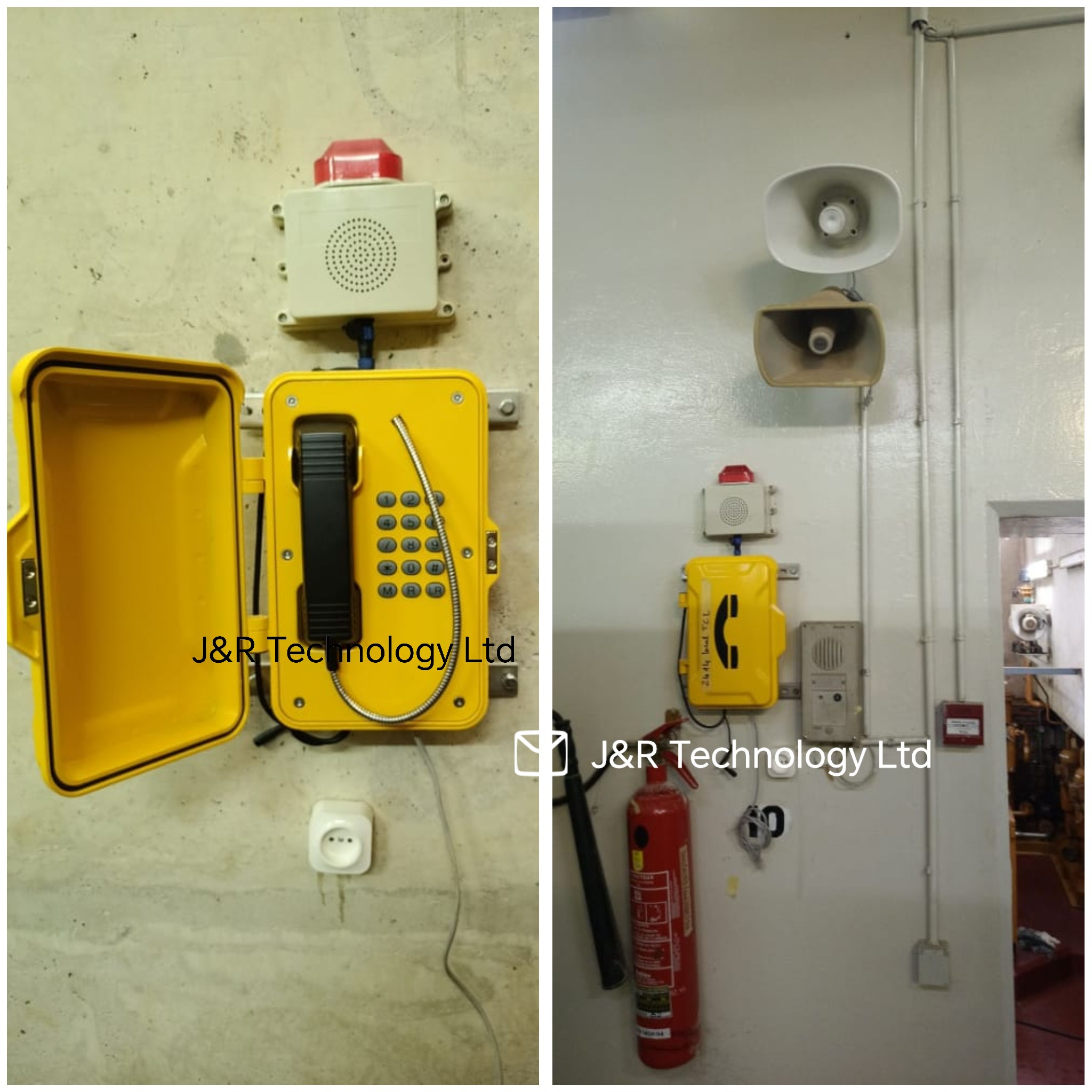
Modern systems are frequently integrated with an emergency intercom system, allowing two-way communication in addition to one-way broadcasting. This enhances situational awareness and enables coordinated responses across multiple zones.
Trigger Mechanisms
Emergency broadcasts can be activated through various mechanisms, depending on the plant’s safety design:
- Manual Activation: Operators trigger announcements via control panels or paging stations.
- Automatic Triggers: Integration with fire alarms, gas detection systems, or process control systems enables automatic alerts when thresholds are exceeded.
- Remote Activation: Supervisors can initiate broadcasts from off-site locations using networked systems.
Automation reduces response time significantly, ensuring that alerts are issued without delay when critical events occur.
Coverage Planning
Coverage is a crucial factor in the effectiveness of any emergency broadcast system. Poorly designed coverage can result in missed alerts and increased risk.
Key considerations include:
- Acoustic Environment: High-noise areas such as manufacturing floors require high-SPL (Sound Pressure Level) speakers.
- Zoning: Dividing the plant into zones allows targeted messaging, preventing unnecessary panic in unaffected areas.
- Redundancy: Backup power supplies and fail-safe communication paths ensure system reliability during outages.
When combined with a voip intercom system, plants can achieve flexible, network-based coverage that supports both broadcast and point-to-point communication.
Integration with Alarms
Emergency broadcast systems are most effective when integrated with other safety systems:
- Fire Alarm Systems: Automatically trigger evacuation messages.
- Gas Detection Systems: Provide specific instructions based on the type of hazard.
- Access Control Systems: Guide personnel toward safe exits or restricted zones.
This integration ensures that messaging is not only immediate but also context-aware, delivering the right instructions for each type of emergency.
Drill Best Practices
Even the most advanced system is only as effective as the people using it. Regular drills are essential to ensure preparedness:
- Conduct Routine Tests: Verify audio clarity, coverage, and system responsiveness.
- Use Realistic Scenarios: Simulate different types of emergencies to train staff effectively.
- Evaluate Response Time: Measure how quickly personnel react and evacuate.
- Refine Messaging: Ensure announcements are concise, clear, and actionable.
Training employees to recognize and respond to emergency broadcasts significantly improves overall plant safety and reduces confusion during real incidents.
Conclusion
An emergency broadcast system is a vital tool for enhancing plant safety. By delivering immediate, clear, and wide-area communication, it enables faster decision-making and coordinated action during critical situations. When integrated with systems like emergency intercoms and VoIP communication networks, it becomes a powerful component of a comprehensive industrial safety strategy.
For plants aiming to improve emergency preparedness, investing in a robust and well-integrated emergency broadcast solution is not just an option—it is a necessity.


 Prisons & Correctional Facilities
 Transportation & Underground Infrastructure
 Critical Industrial & Energy Facilities
 Marine & Offshore
 Manufacturing Plant & Public Facilities