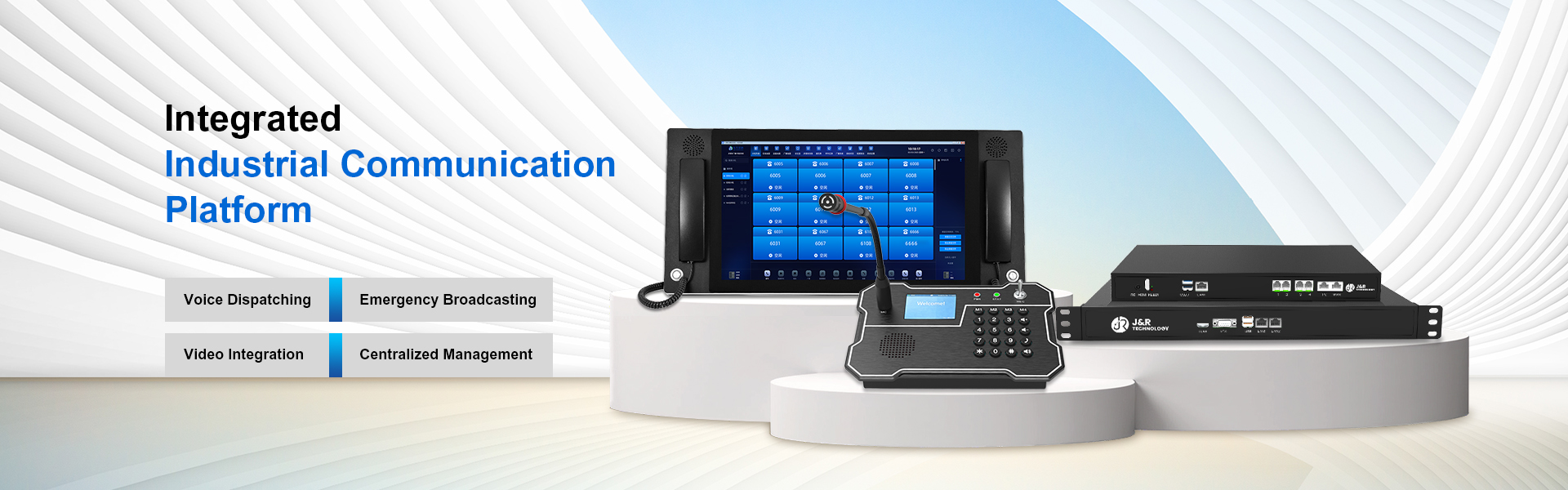
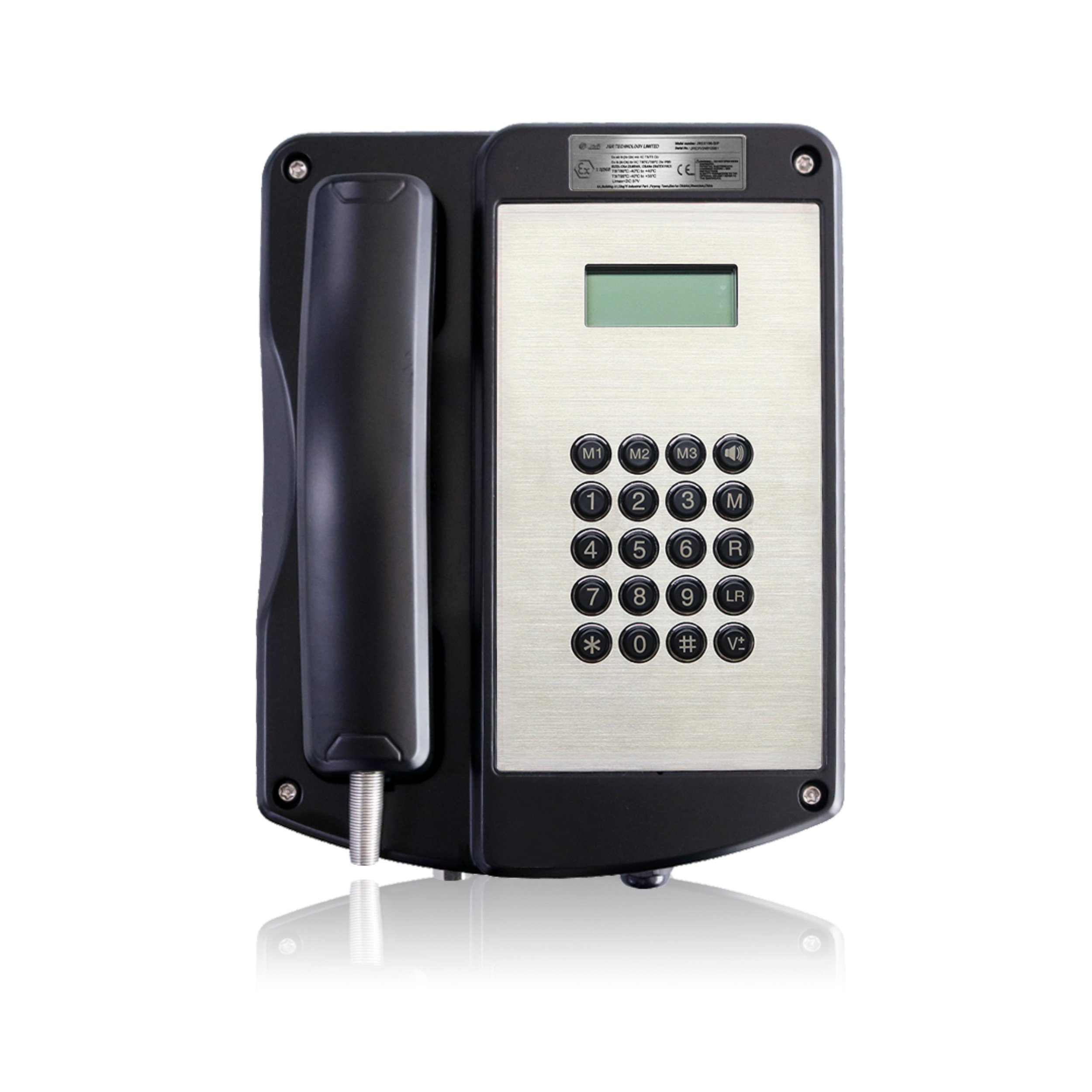
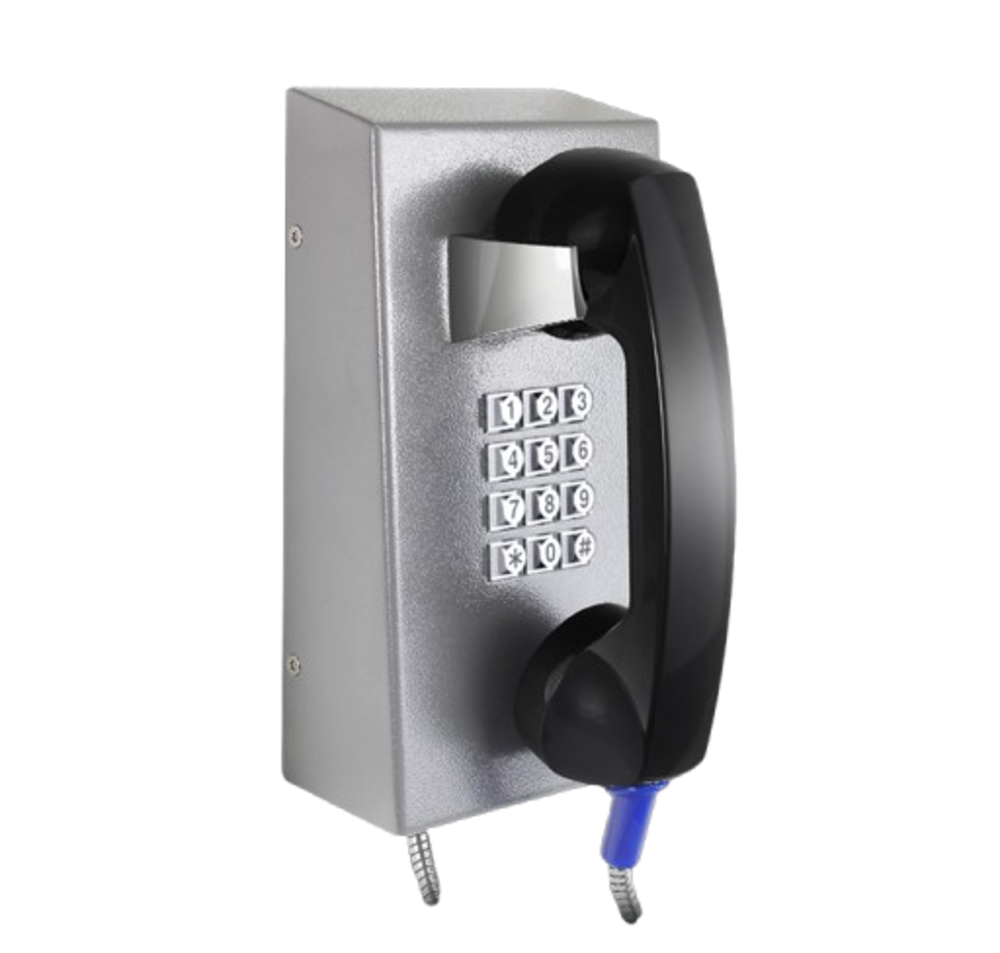
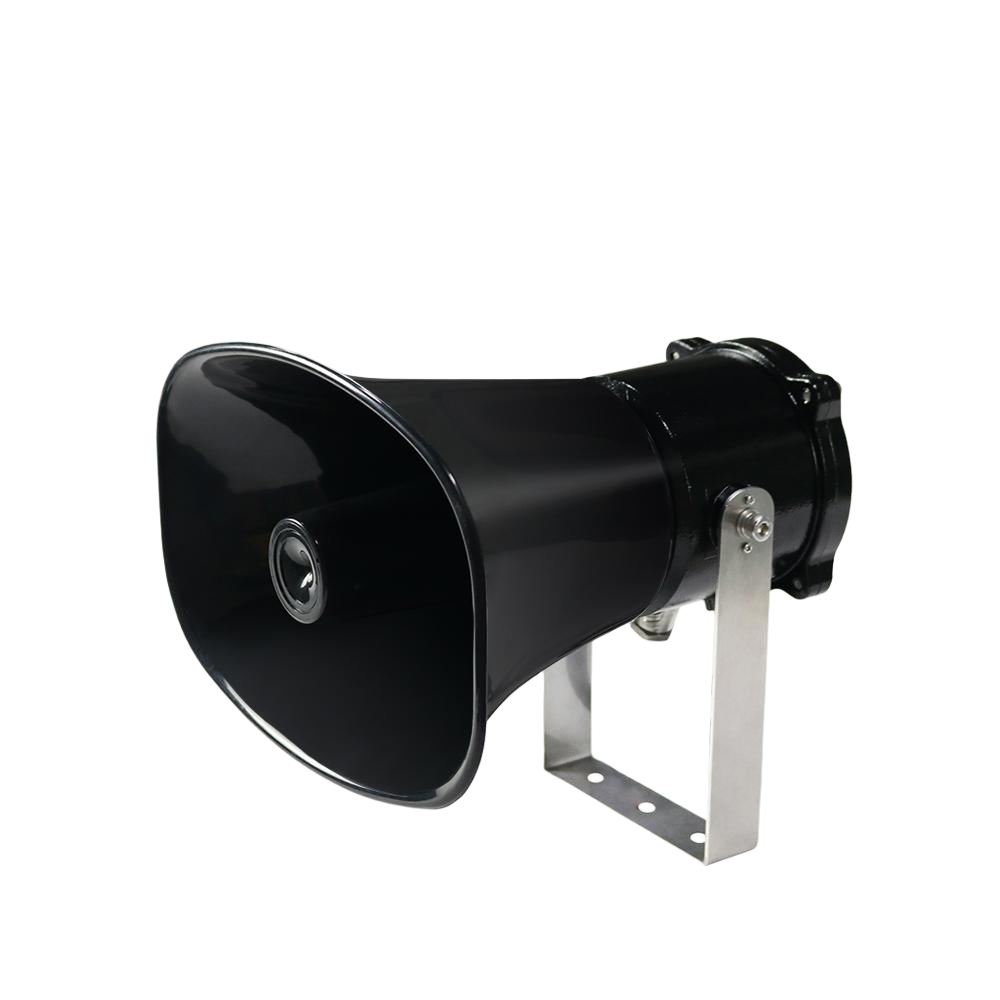
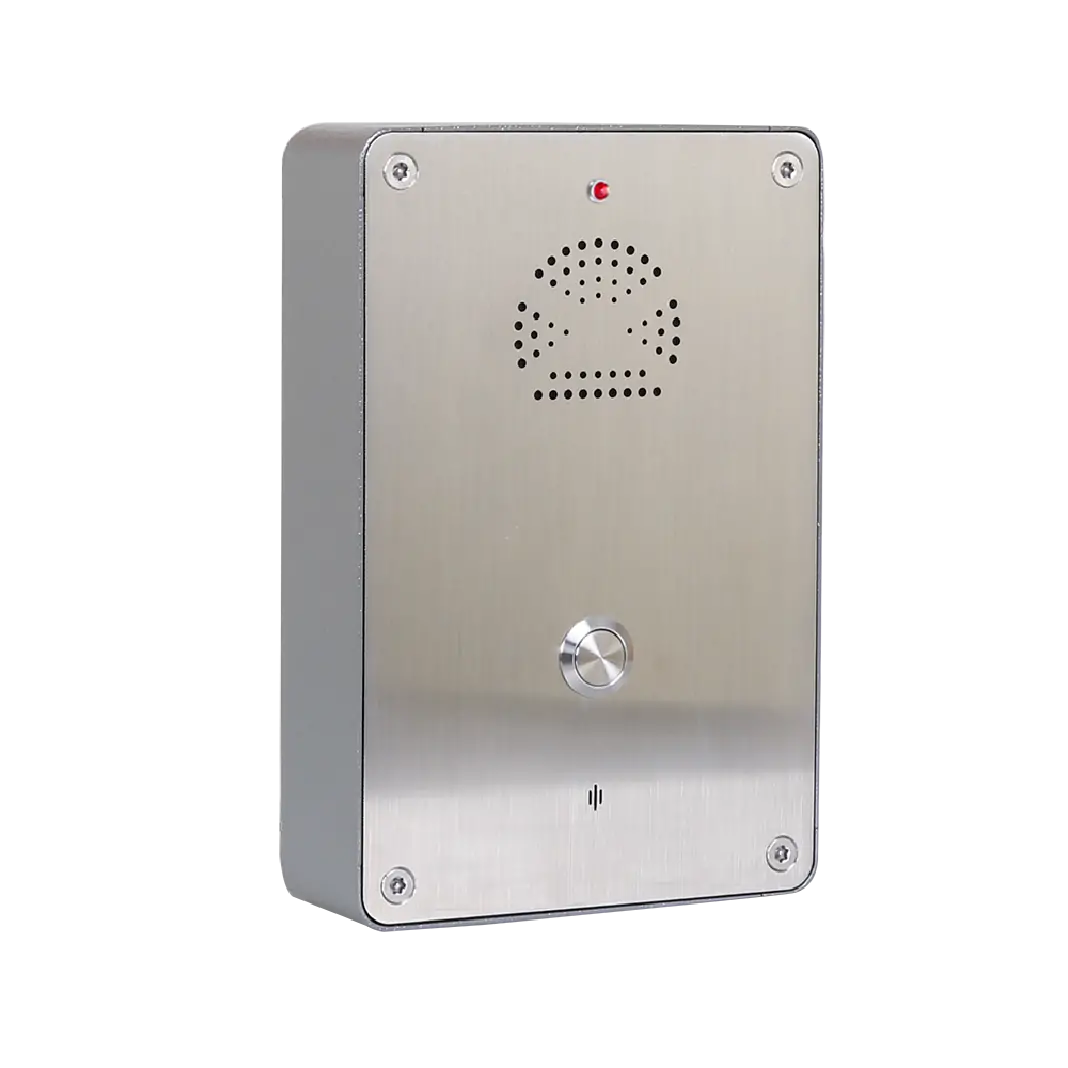
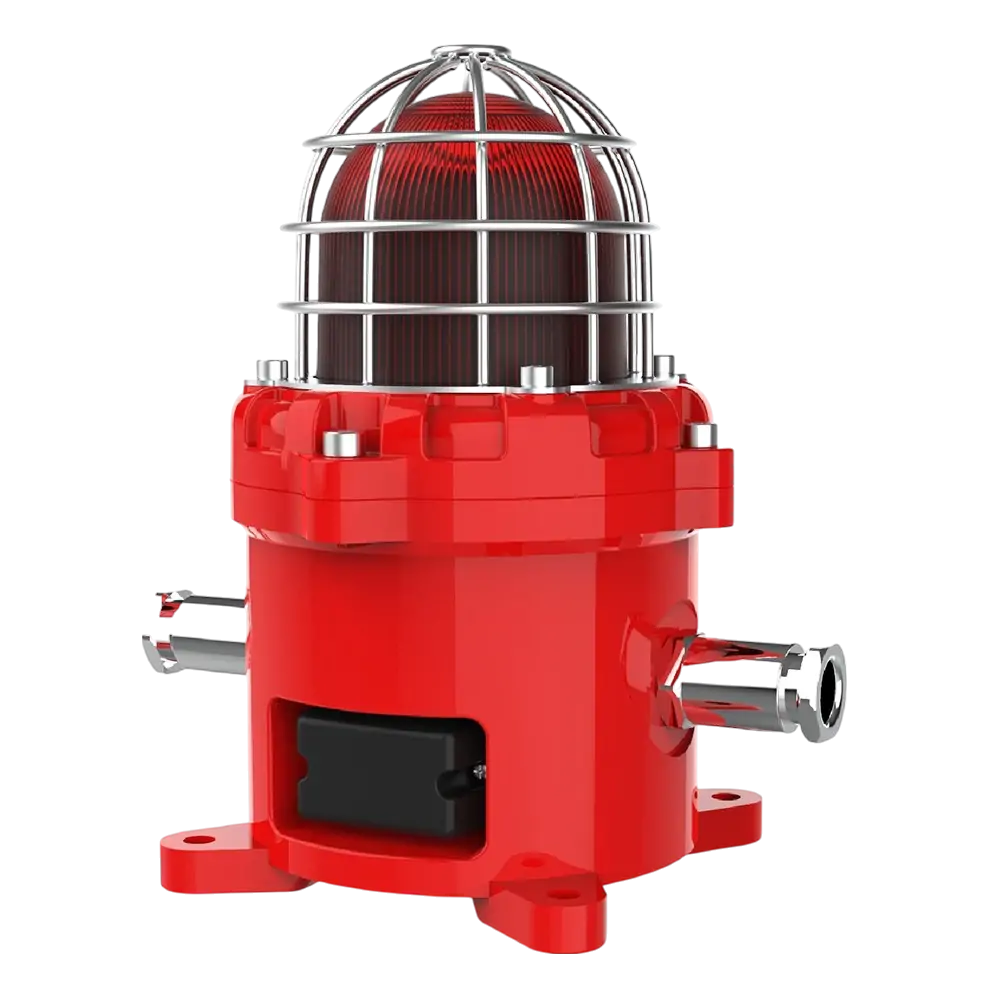
In modern industrial environments, communication networks are no longer isolated voice systems. They are fully integrated digital infrastructures connecting control rooms, field devices, sensors, and emergency systems. As this convergence increases, so does exposure to cyber-physical risks. Communication system security has therefore become a foundational requirement for operational safety, not just IT hygiene.
Cyber-physical threats target both digital networks and physical operations simultaneously, making industrial communication security a critical defense layer in sectors such as energy, transportation, mining, and chemical processing.
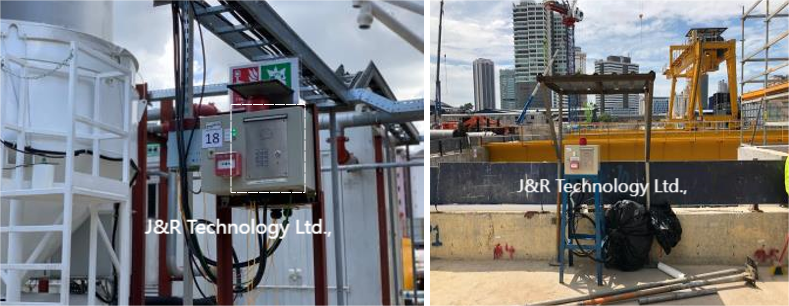
Security Threats Overview
Industrial communication systems face a wide range of evolving threats:
- Unauthorized access to control networks
- Malware and ransomware targeting industrial protocols
- Signal interception and spoofing of communication devices
- Denial-of-service (DoS) attacks disrupting operational uptime
- Insider threats compromising system integrity
- Hardware tampering in field communication endpoints
What makes these threats particularly dangerous is their potential to bridge cyber intrusion with physical consequences—such as shutting down alarms, delaying emergency calls, or manipulating operational signals.
Strong communication system security is essential to prevent these cascading failures.
Encryption & Authentication
Encryption and authentication form the first line of defense in industrial communication networks.
Key mechanisms include:
- End-to-end encryption (E2EE) for voice and data transmission
- Secure protocols (TLS, SRTP, IPsec) to protect network traffic
- Multi-factor authentication (MFA) for operator and system access
- Device identity verification to prevent rogue endpoints from joining the network
By ensuring that only verified users and devices can communicate, encryption and authentication significantly reduce the risk of interception and unauthorized manipulation.
Network Segmentation
Network segmentation is a critical architectural strategy in industrial systems.
It involves dividing communication infrastructure into isolated zones such as:
- Control systems network
- Safety and emergency communication network
- Corporate IT network
- External connectivity zones
This segmentation ensures that if one segment is compromised, the attack cannot easily propagate across the entire system.
In high-risk environments, segmentation is often aligned with safety classifications and equipment zoning, similar in principle to IECEx and ATEX frameworks, which define how equipment must be isolated and certified for hazardous environments.
Monitoring & Alerts
Continuous monitoring is essential for maintaining communication system security in real time.
Core capabilities include:
- Intrusion Detection Systems (IDS) for industrial networks
- Real-time anomaly detection using traffic pattern analysis
- Event logging and audit trails for forensic investigation
- Automated alerting for suspicious device behavior or traffic spikes
- System health monitoring for early fault detection
These tools allow operators to detect both cyber intrusions and operational anomalies before they escalate into critical incidents.
Best Practices
To ensure resilient and secure industrial communication systems, organizations should adopt the following best practices:
- Implement zero-trust architecture across all communication layers
- Regularly update firmware and security patches for all devices
- Conduct periodic penetration testing and vulnerability assessments
- Enforce strict access control policies for operators and maintenance staff
- Deploy redundant communication paths for fail-safe operation
- Use industrial-grade hardware with appropriate protection ratings such as IP65 and IP67
Security should be treated as an ongoing operational discipline rather than a one-time configuration task.
Conclusion
As industrial communication systems become increasingly interconnected, the attack surface expands beyond traditional IT boundaries. Effective communication system security is essential to safeguard both digital infrastructure and physical operations.
By combining encryption, segmentation, continuous monitoring, and strict operational practices, organizations can significantly reduce exposure to cyber-physical threats and ensure resilient, uninterrupted industrial communication.


 Prisons & Correctional Facilities
 Transportation & Underground Infrastructure
 Critical Industrial & Energy Facilities
 Marine & Offshore
 Manufacturing Plant & Public Facilities