In industrial sectors such as transportation, mining, tunnels, and heavy manufacturing, noisy environment communication is a persistent operational challenge. Excessive ambient sound can severely degrade speech intelligibility, leading to misunderstandings, delayed responses, and even safety risks.
To address this issue, modern communication systems increasingly rely on acoustic engineering solutions such as acoustic hoods and noise-reduction telephones, designed specifically to improve clarity in extreme acoustic conditions.
Challenges of Communication in Noisy Environments
Industrial environments often exceed safe or comfortable noise thresholds, with sound levels reaching 85–120 dB in some cases. Common sources include:
- Heavy machinery and engines
- Ventilation and exhaust systems
- Construction and drilling operations
- Tunnel and rail traffic
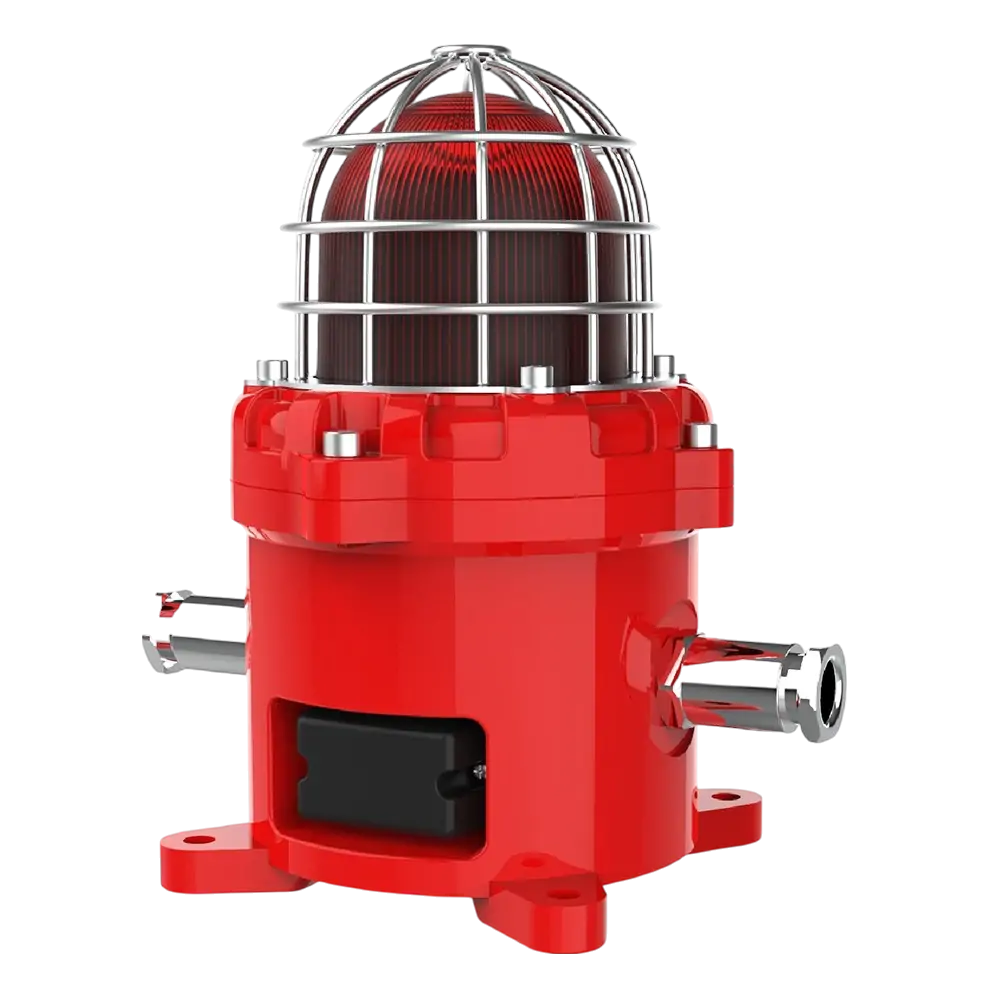
- Emergency alarms and background operational noise
In such conditions, standard telephones or intercom systems struggle to maintain intelligible communication. This leads to repeated instructions, increased cognitive load, and higher risk of operational errors.
The core challenge of noisy environment communication is not just volume—it is speech clarity under competing sound frequencies.
How Acoustic Hoods Enhance Sound Quality
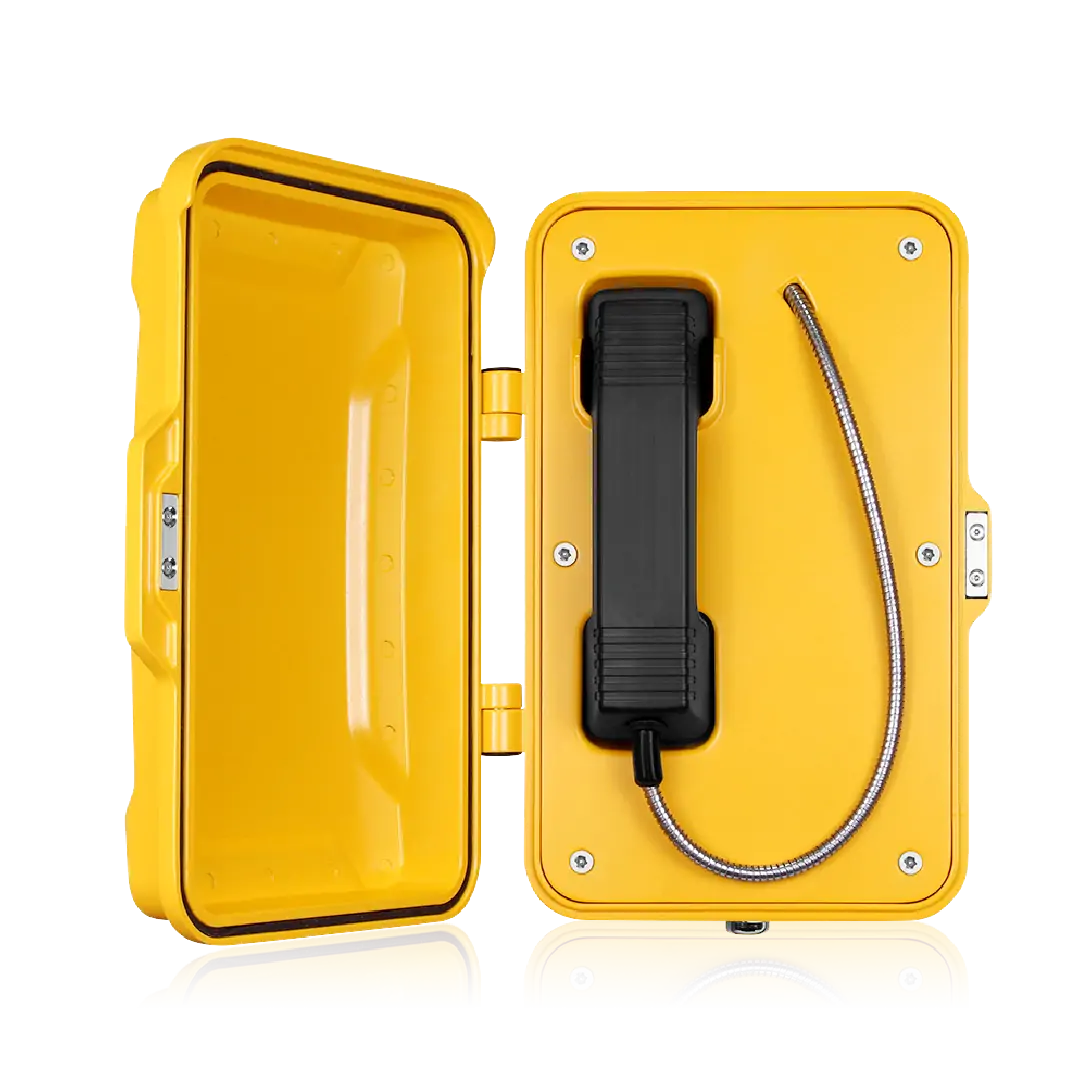
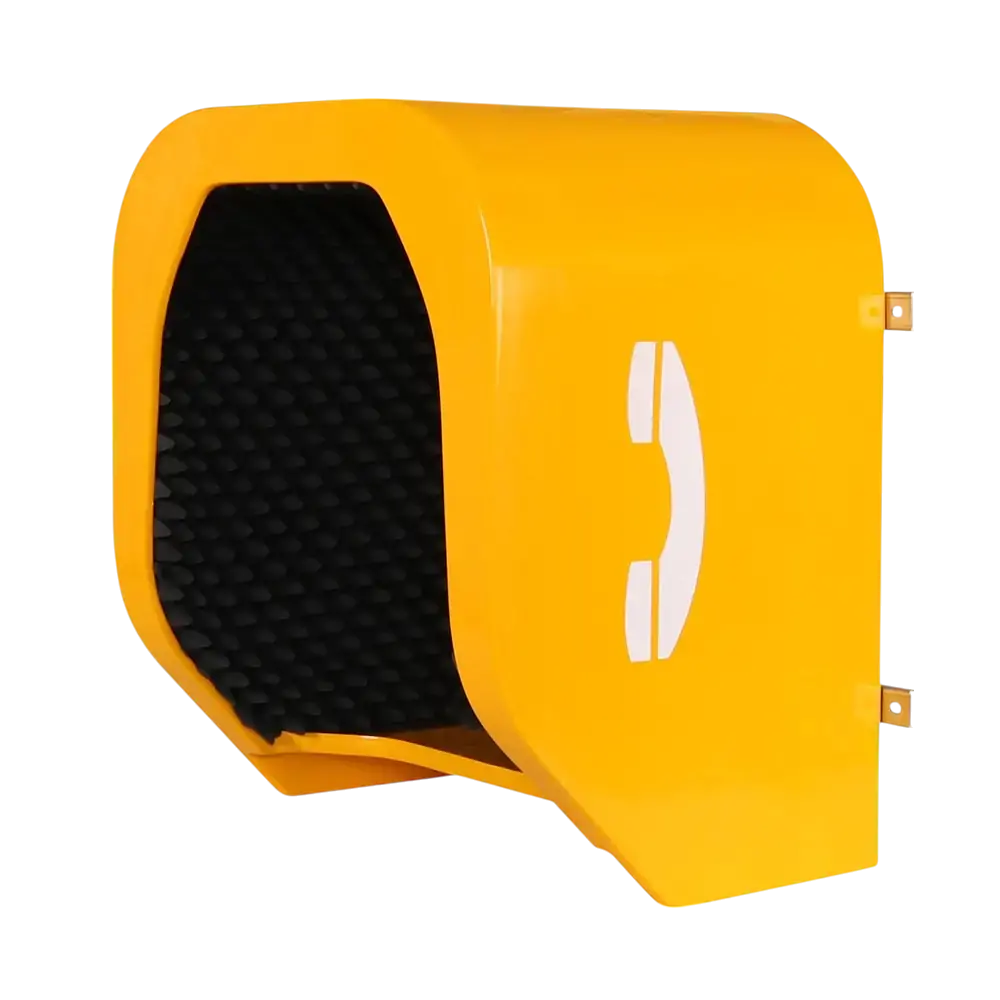
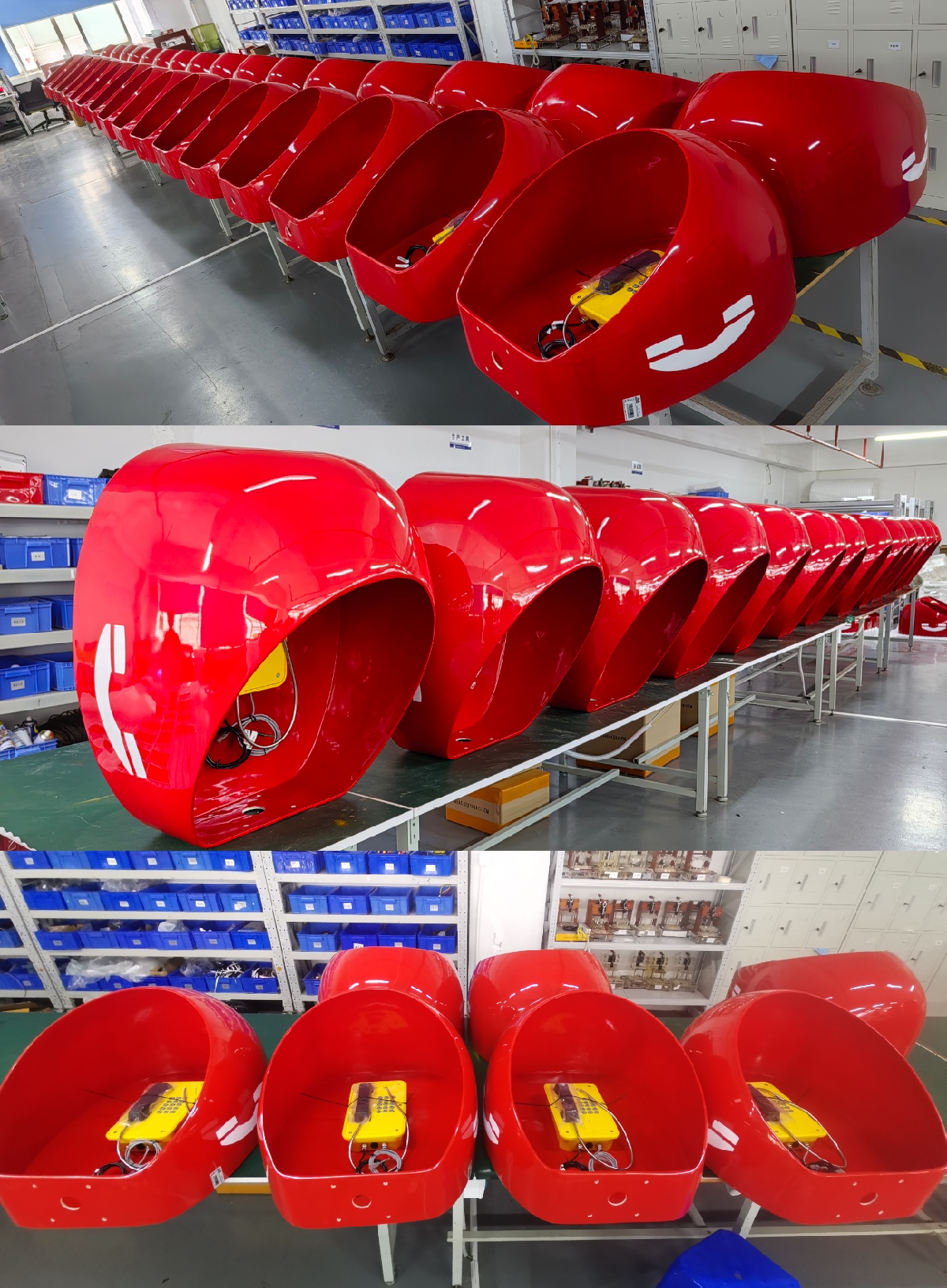
Acoustic hoods are engineered enclosures designed to isolate the microphone and user from surrounding noise interference.
Key functions include:
- Passive noise attenuation through sound-absorbing materials
- Directional sound isolation, reducing ambient interference
- Improved signal-to-noise ratio (SNR) for clearer voice transmission
- Protection of communication devices in harsh environments (dust, moisture, vibration)
By physically shielding the speaking interface, acoustic hoods significantly enhance voice intelligibility without requiring complex digital processing.
Features of Noise-Reduction Telephones
Noise-reduction telephones are specifically designed for high-decibel environments and typically include both hardware and software-based enhancements:
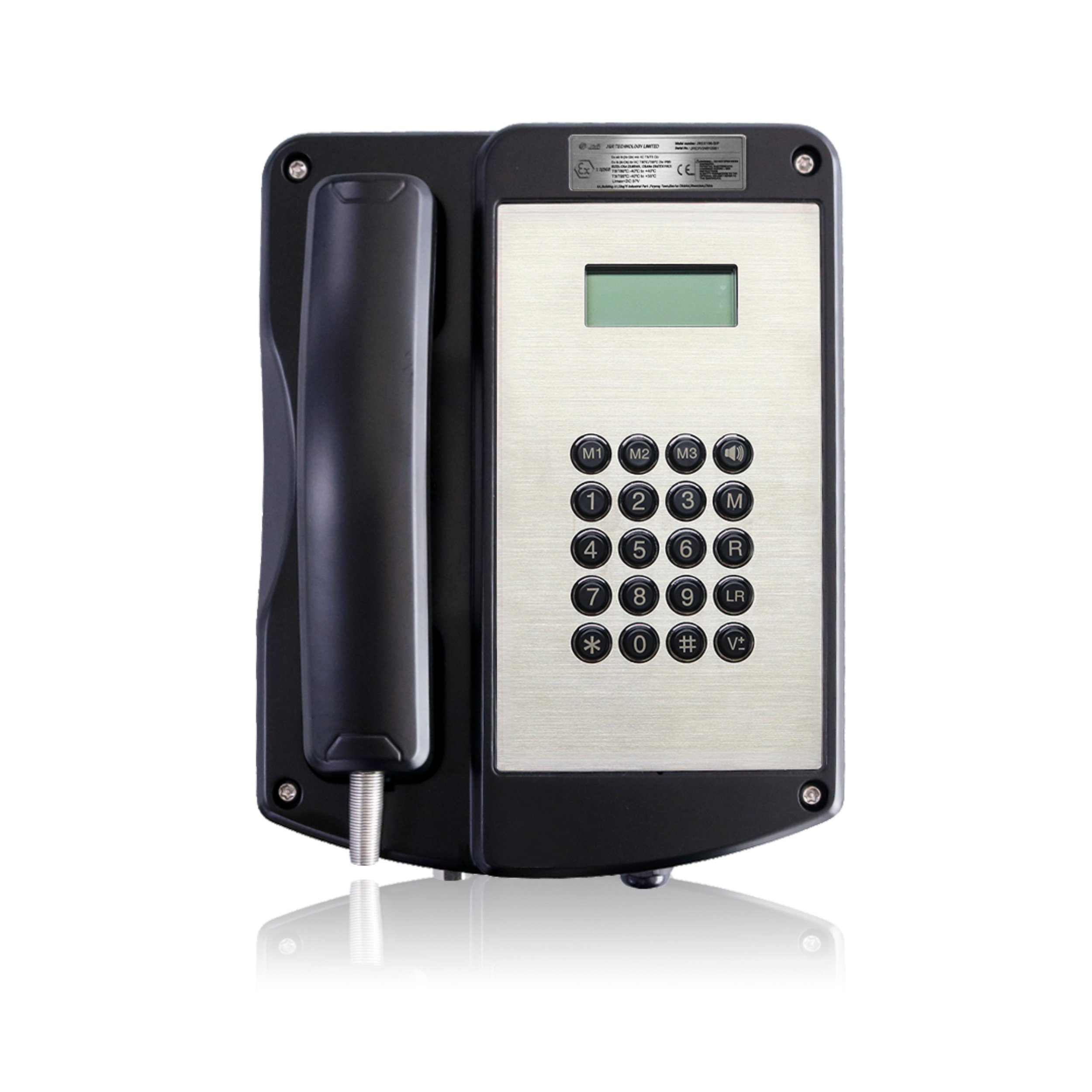
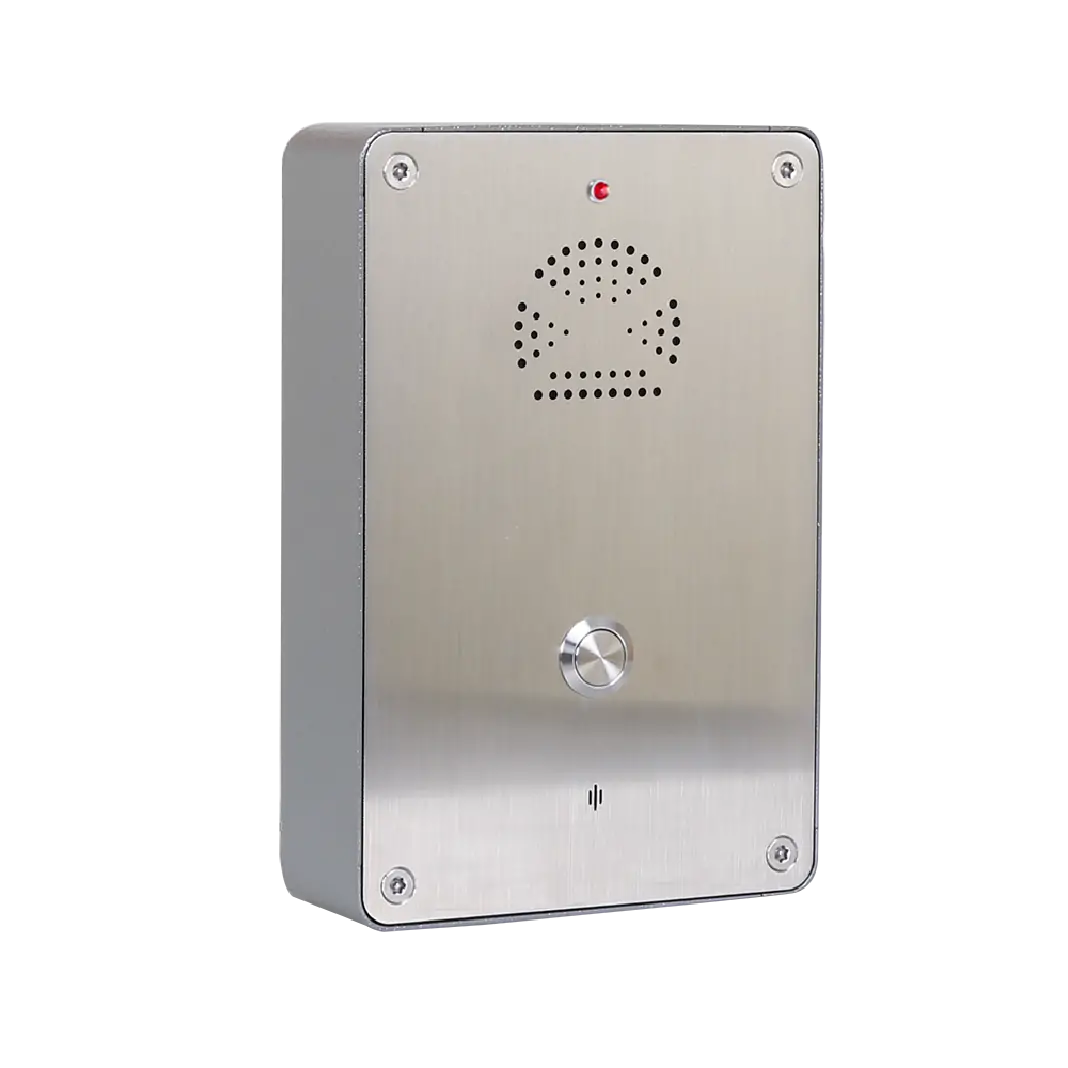
- Built-in noise-cancelling microphones
- Automatic gain control (AGC) for voice leveling
- Echo suppression and acoustic filtering algorithms
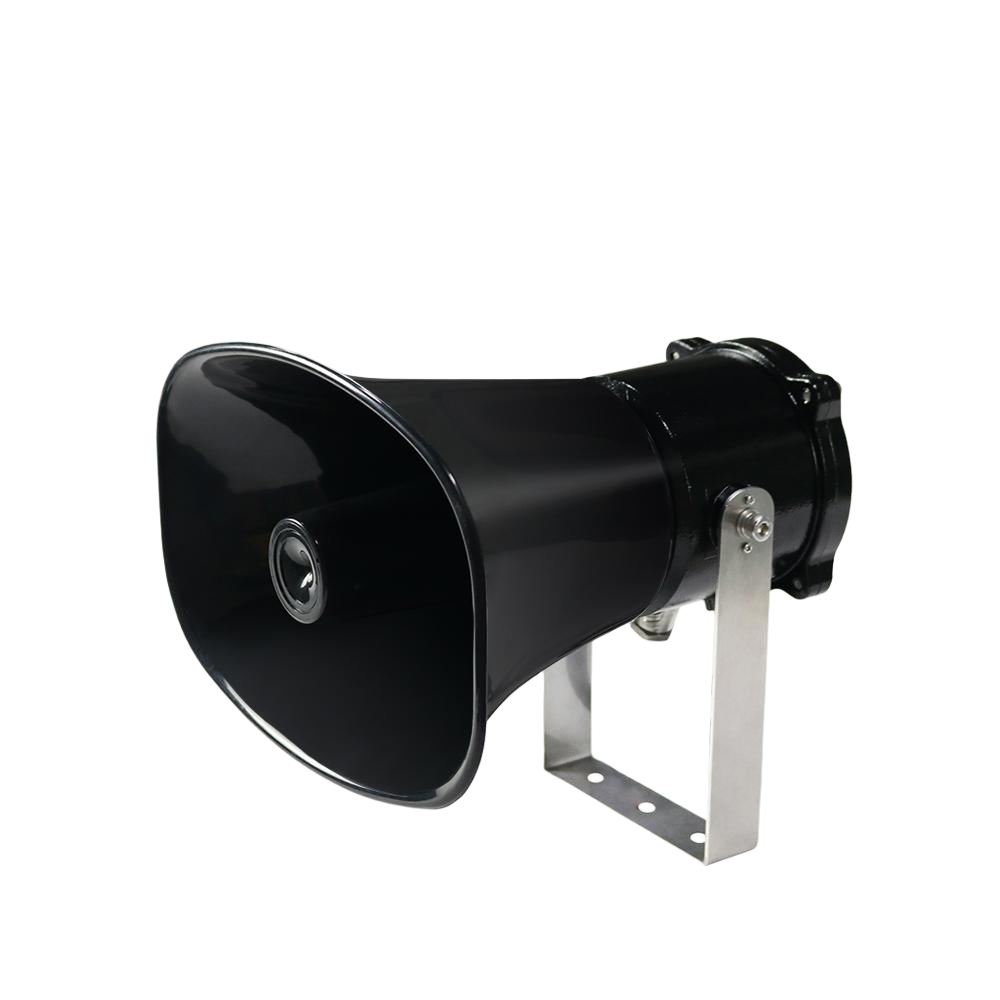
- High-output speakers for clear reception
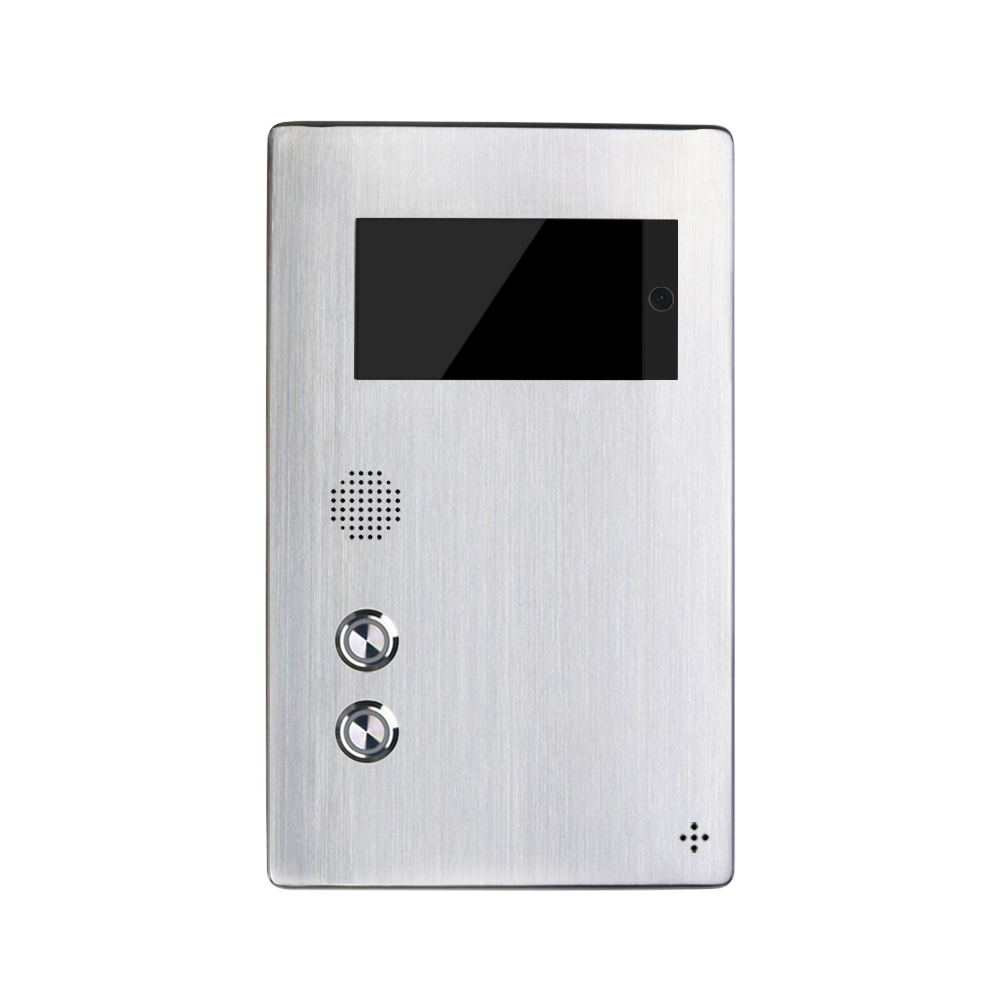
- Rugged, industrial-grade housings for durability
These systems are optimized for continuous operation in environments where conventional telephony fails to deliver reliable communication performance.
Integration of Acoustic Hoods with Telephones
Combining acoustic hoods with noise-reduction telephones creates a dual-layer optimization system:
- The acoustic hood reduces environmental noise at the physical level
- The telephone system processes and enhances voice signals digitally
This integration ensures maximum clarity even in extreme noise conditions such as:
- Underground tunnels
- Steel production facilities
- Power stations
- Airport ground operations
The result is a highly stable noisy environment communication solution that minimizes miscommunication risk.
Anchor references: emergency communication device and emergency call device
Practical Applications and Case Studies
Case 1: Tunnel Construction Project
A major infrastructure project implemented acoustic hood-equipped telephones at entry and mid-point stations. Communication clarity improved significantly despite constant drilling and vehicle noise.
Case 2: Steel Manufacturing Plant
Noise-reduction telephones were installed near furnace control areas. Operators reported reduced repetition of instructions and improved operational efficiency.
Case 3: Airport Ground Operations
Ground staff used hooded communication terminals to coordinate aircraft servicing activities in high-noise apron environments, improving safety and turnaround time.
Conclusion
In high-decibel industrial environments, effective communication is critical for safety and operational efficiency. By combining acoustic hoods with advanced noise-reduction telephones, organizations can significantly improve noisy environment communication performance.
These technologies ensure that even in the most challenging acoustic conditions, communication remains clear, reliable, and actionable—supporting safer and more efficient industrial operations.


 Prisons & Correctional Facilities
 Transportation & Underground Infrastructure
 Critical Industrial & Energy Facilities
 Marine & Offshore
 Manufacturing Plant & Public Facilities