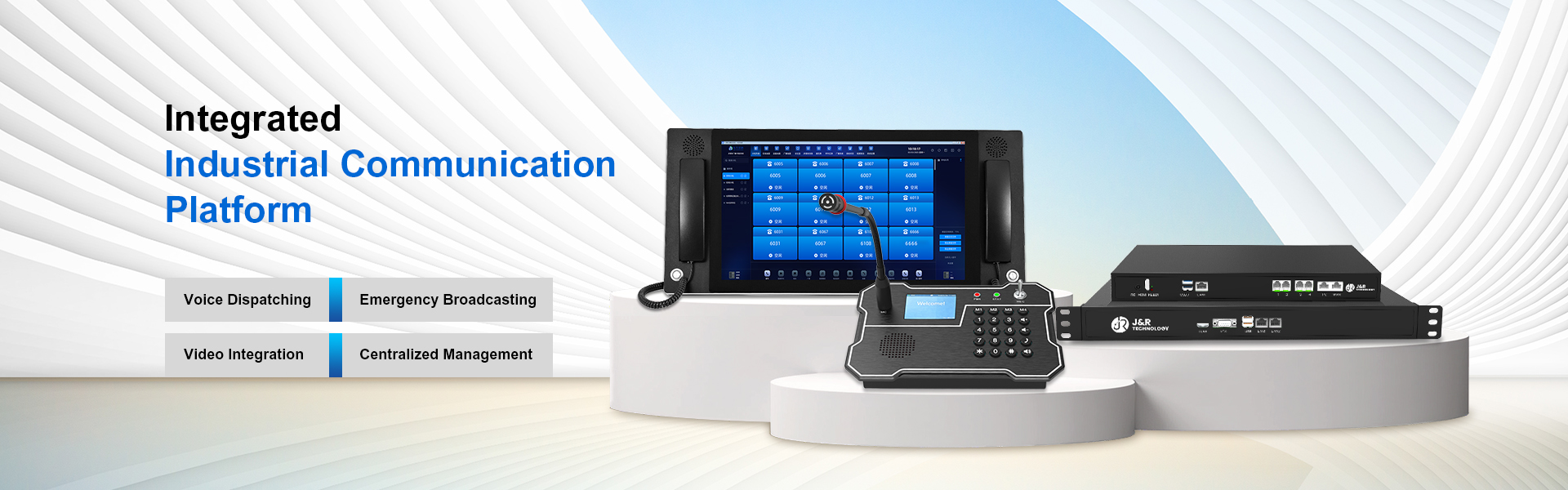
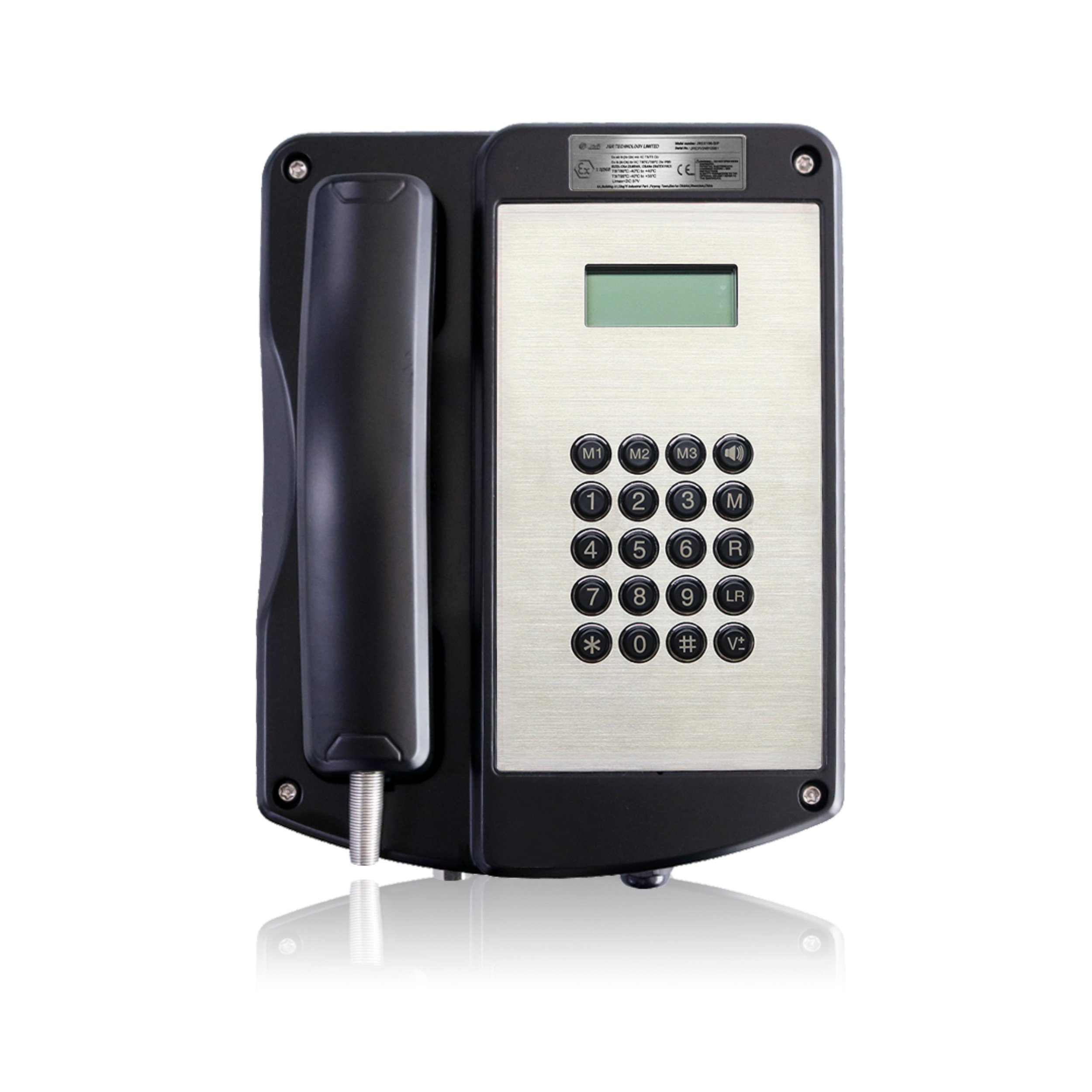
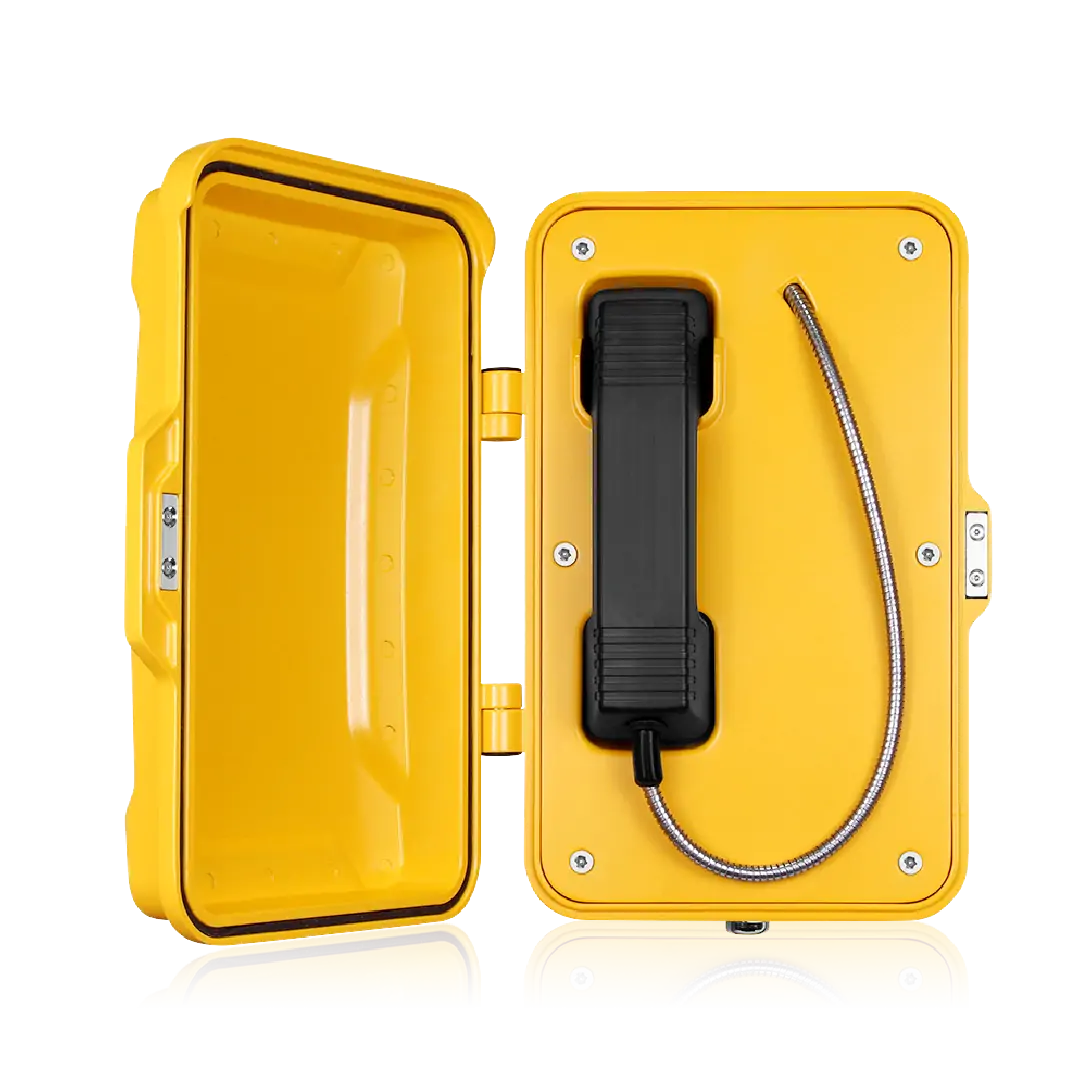
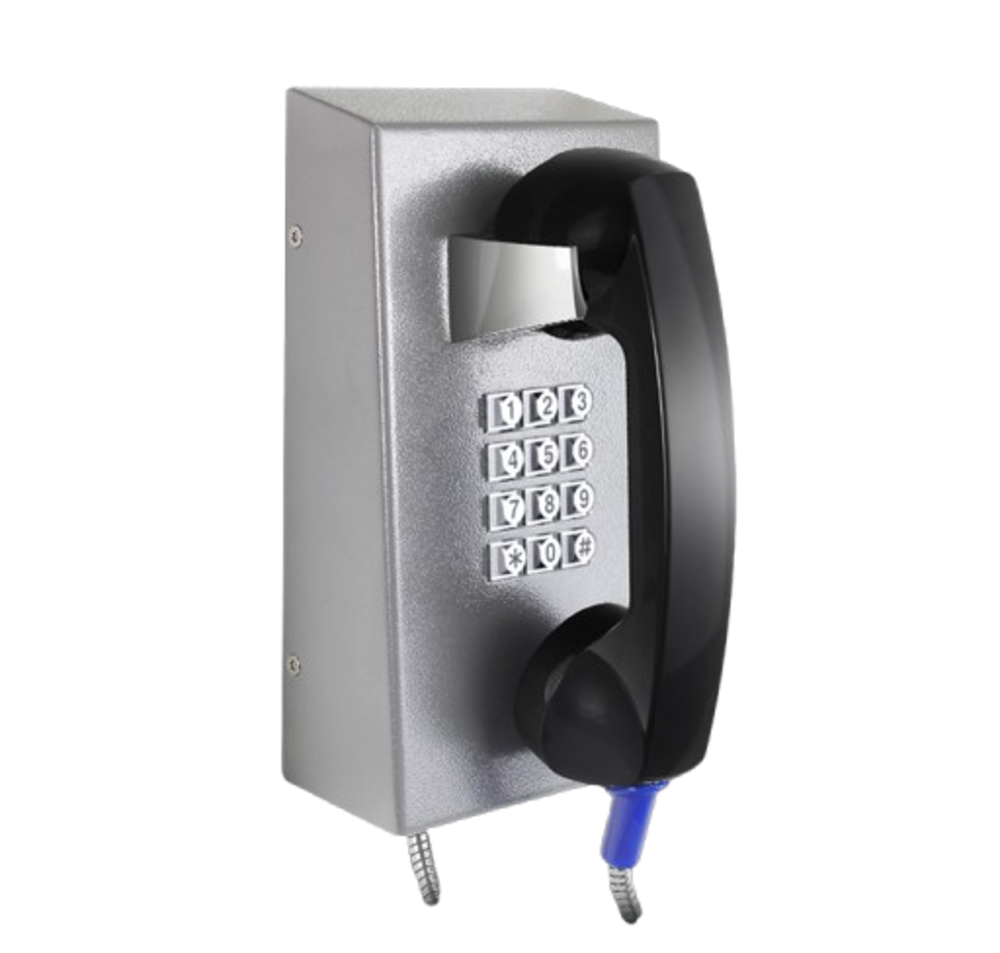
Maintaining stable oil platform communications offshore is far more complicated than in onshore facilities.
Several environmental and operational challenges directly impact communication reliability:
-
High ambient noise from drilling and heavy machinery
-
Long distances between decks and modules
-
Corrosive saltwater exposure
-
Explosive gas atmospheres
-
Limited evacuation time during emergencies
Traditional loudspeakers or consumer-grade intercoms often fail due to corrosion, water ingress, or insufficient audio power. Worse, non-certified electronics may introduce ignition risks in hazardous zones.
As a result, offshore operators require communication systems specifically designed for durability, safety, and long-term performance.
Why Are Explosion-Proof PA Systems Critical in Hazardous Zones?
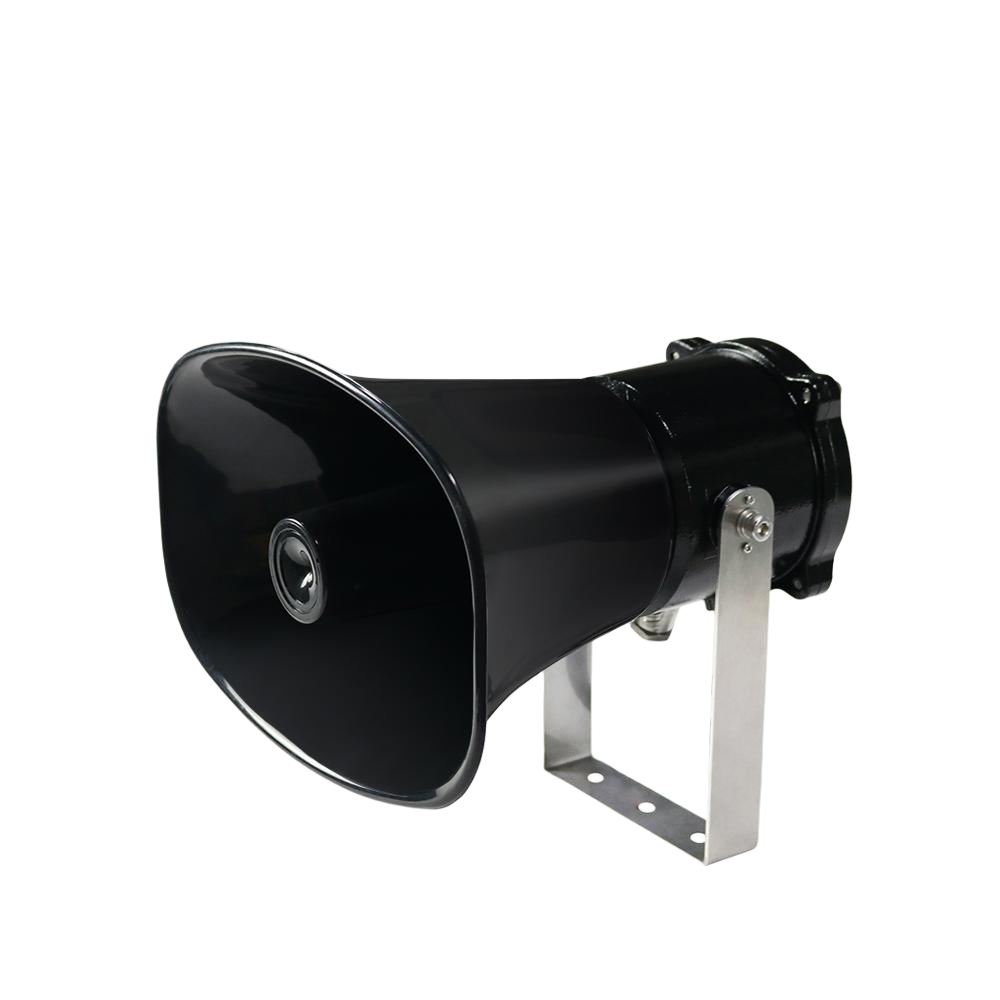
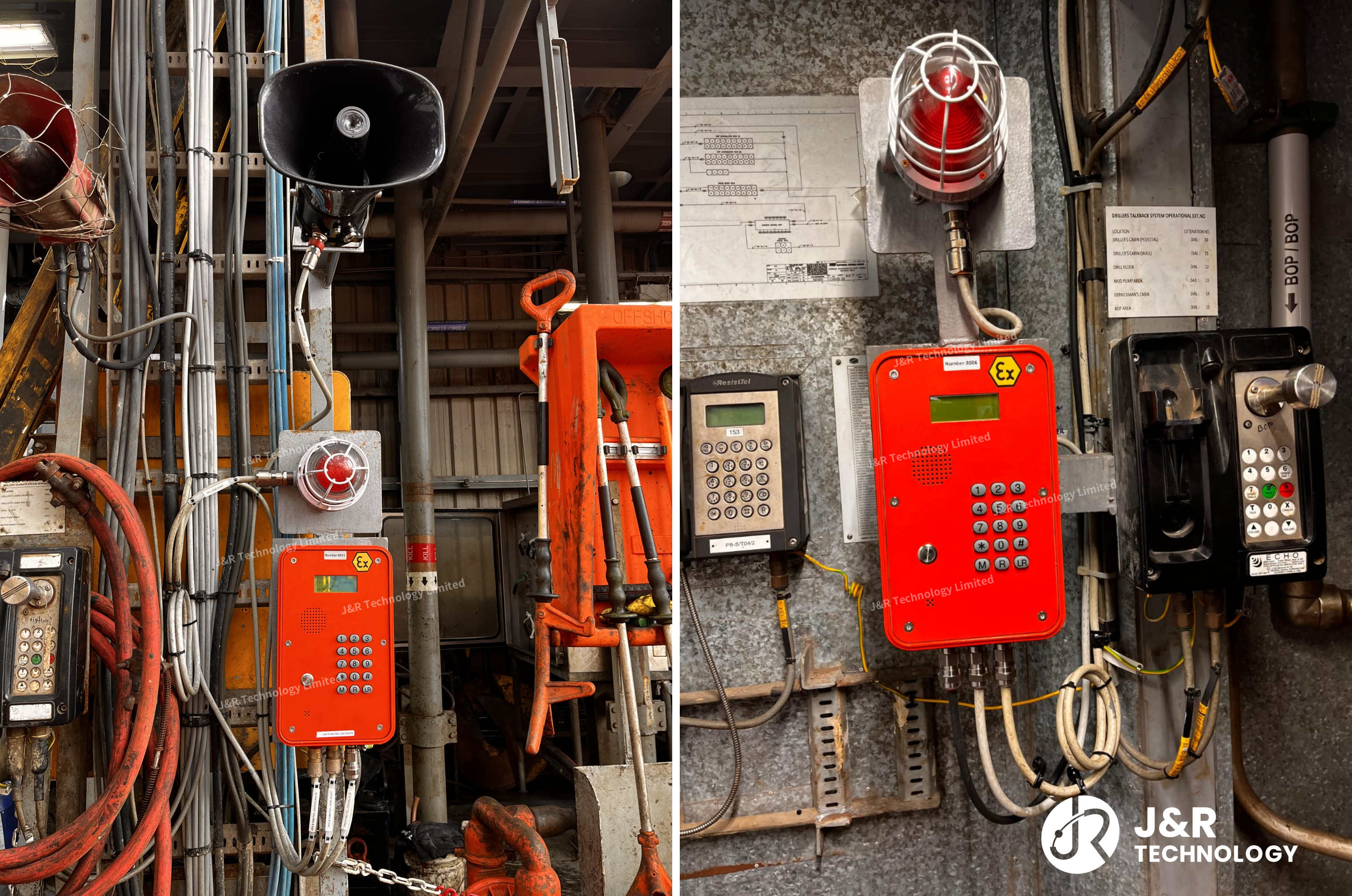
Explosion-proof PA systems are built to operate safely in environments where flammable gases, vapors, or dust may be present.
Their key function is simple but vital: deliver clear voice instructions without becoming an ignition source.
These systems typically feature:
-
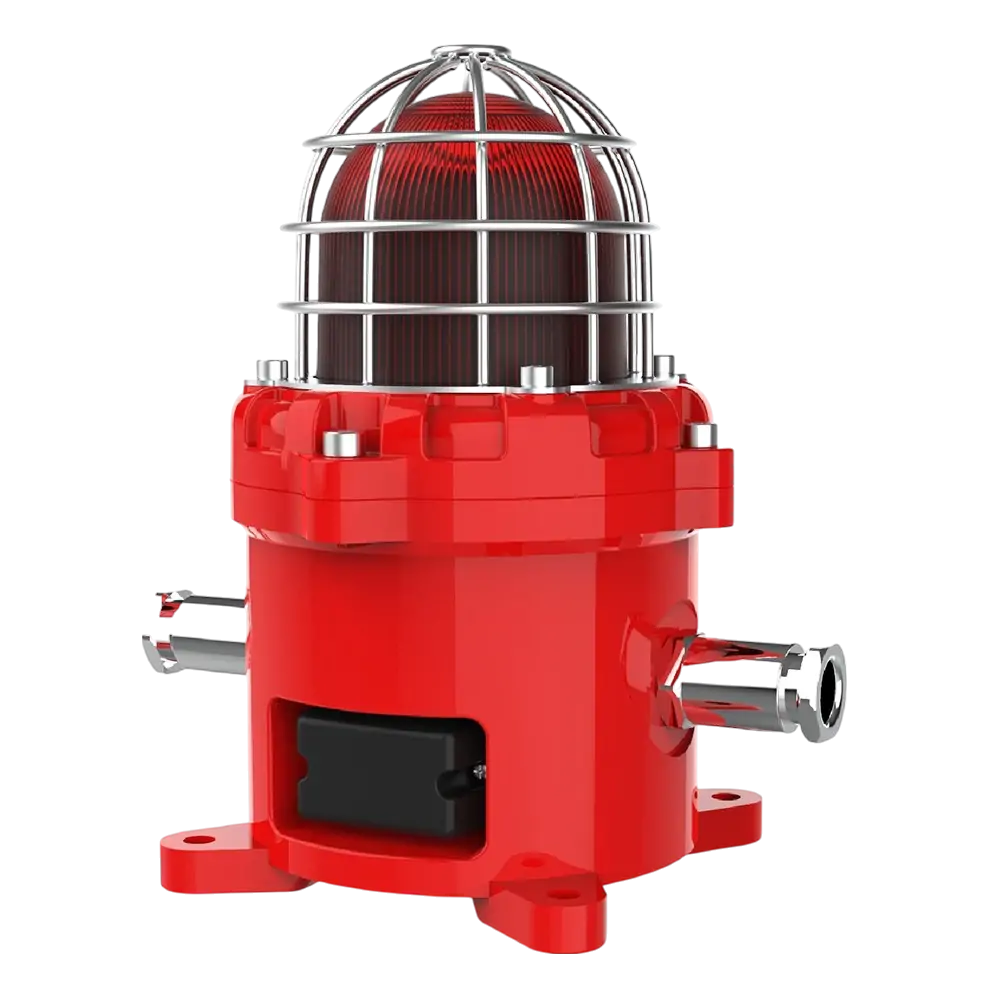
Flameproof or intrinsically safe enclosures
-
Spark-free internal components
-
High-IP weatherproof protection (IP66/IP67)
-
Corrosion-resistant stainless steel or marine-grade aluminum
-
High-output audio for noisy environments
If a fault occurs inside the device, the enclosure prevents sparks or heat from igniting surrounding gases. This design ensures safe operation even in Zone 1 or Zone 2 hazardous areas.
During emergencies such as gas leaks, fires, or blowouts, explosion-proof speakers enable:
-
Immediate evacuation announcements
-
Alarm broadcasting
-
Muster point coordination
-
Real-time instructions from control rooms
Without these systems, communication delays can significantly increase injury risks and operational losses.
How Do PA Systems Integrate with Oil Platform Communications Infrastructure?
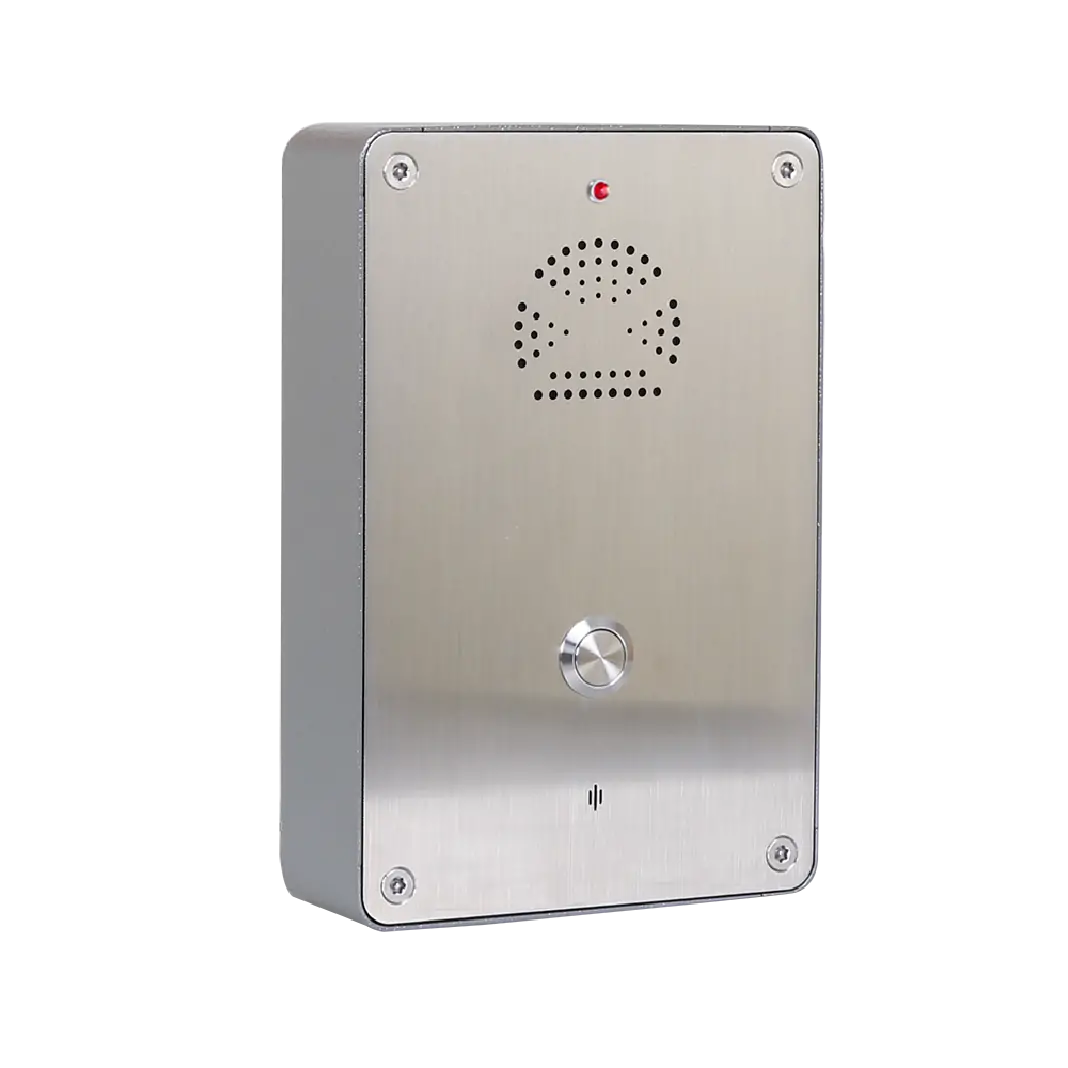
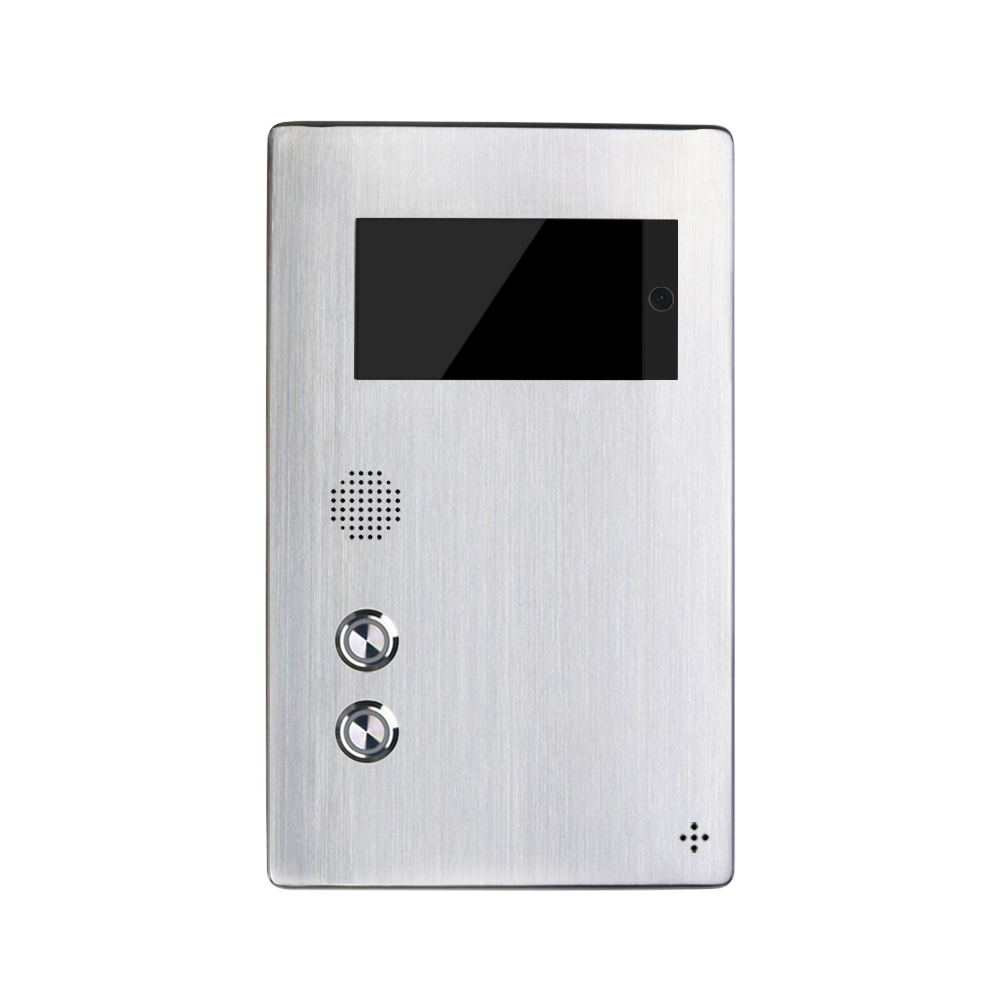
Modern explosion-proof PA systems are not standalone devices. Instead, they are integrated into a unified oil platform communications architecture.
Today’s offshore platforms commonly use:
Explosion-proof PA units connect directly to these networks, allowing centralized control from the operations room.
Typical integration capabilities include:
This unified approach ensures that announcements, alarms, and calls are synchronized across the entire facility. When paired with robust oil gas connectivity, operators can maintain seamless communication between offshore rigs, onshore control centers, and emergency teams.
👉 Learn more about advanced oil gas connectivity solutions for industrial environments.
Where Are These Broadcast Units Typically Installed Offshore?
To maximize coverage and intelligibility, explosion-proof PA systems are strategically deployed throughout offshore platforms.
Common installation locations include:
Placement is determined through acoustic analysis to ensure messages remain audible over machinery noise and environmental interference.
Redundant speaker coverage is often implemented so that communication remains uninterrupted even if one unit fails.
This layered design greatly improves reliability and supports continuous oil platform communications across every operational zone.
What Standards Govern Explosion-Proof Communication Equipment in Oil & Gas?
Safety compliance is mandatory in offshore oil and gas operations. Explosion-proof communication devices must meet internationally recognized certifications.
Common standards include:
-
ATEX (Europe)
-
IECEx (International)
-
UL / Class I Division ratings (North America)
-
IP66/IP67 environmental protection
-
Marine anti-corrosion standards
These certifications verify that equipment can safely operate in explosive atmospheres while withstanding harsh offshore conditions.
Selecting certified systems is not only a best practice — it is often legally required by regulators and insurers.
For operators, certified explosion-proof PA systems reduce liability, improve safety audits, and ensure long-term operational reliability.
Building Safer Offshore Operations Through Reliable Communication
On offshore platforms, every second counts. Clear instructions can prevent accidents, coordinate evacuations, and protect lives.
Explosion-proof PA systems form the backbone of dependable oil platform communications, enabling safe broadcasting in environments where standard equipment cannot survive — or operate safely.
By combining rugged design, hazardous-area certification, and seamless network integration, these systems help operators maintain constant awareness and rapid response capability.
For oil and gas companies seeking safer, smarter offshore infrastructure, investing in certified explosion-proof communication solutions is not just a technical upgrade — it is a critical safety decision.


 Prisons & Correctional Facilities
 Transportation & Underground Infrastructure
 Critical Industrial & Energy Facilities
 Marine & Offshore
 Manufacturing Plant & Public Facilities