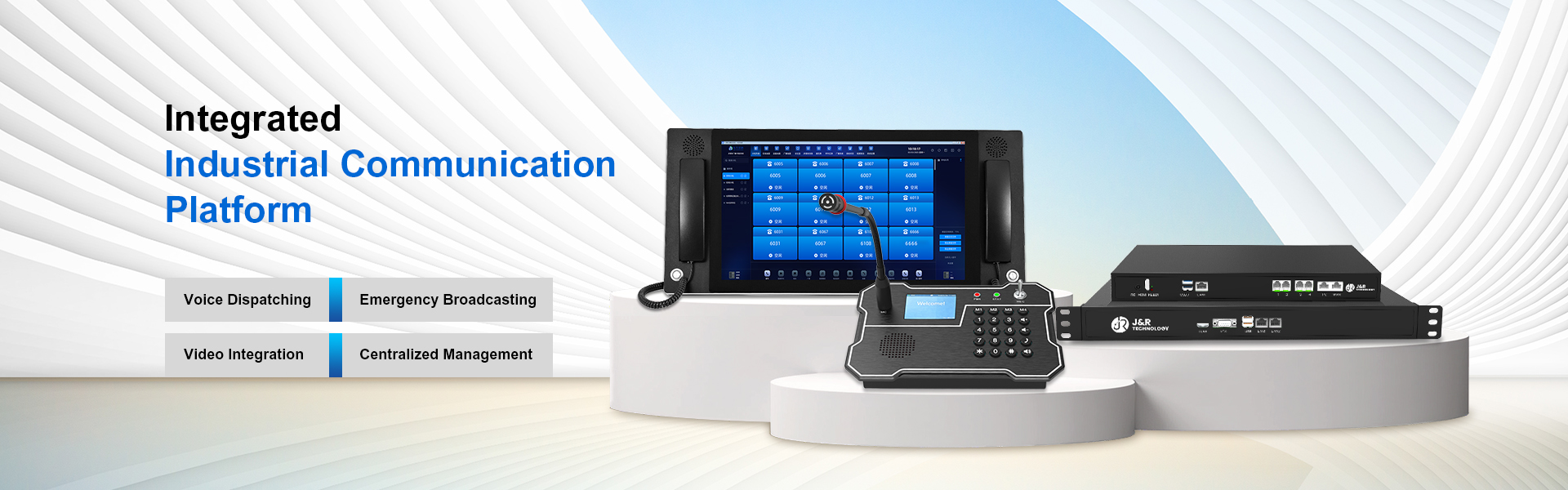
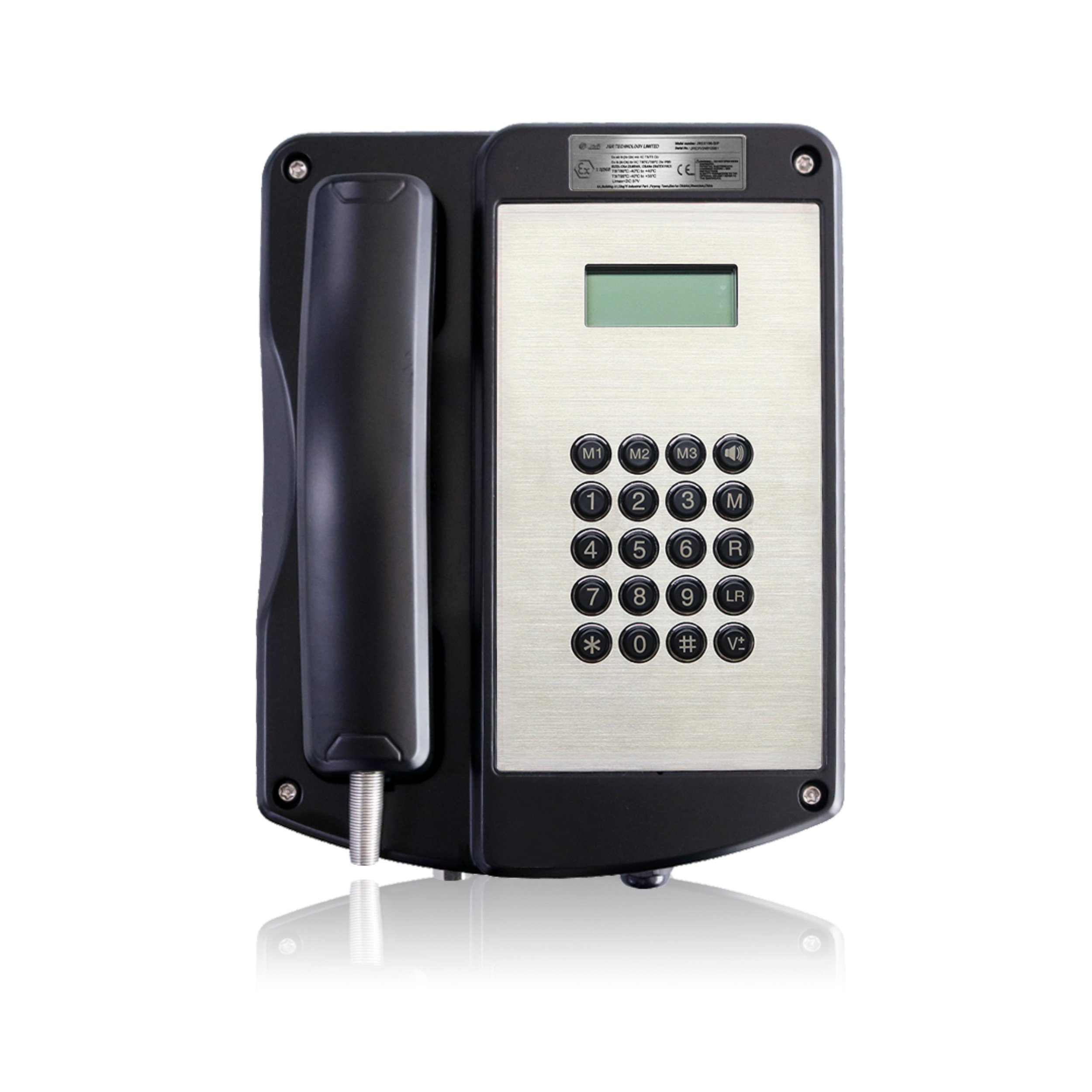
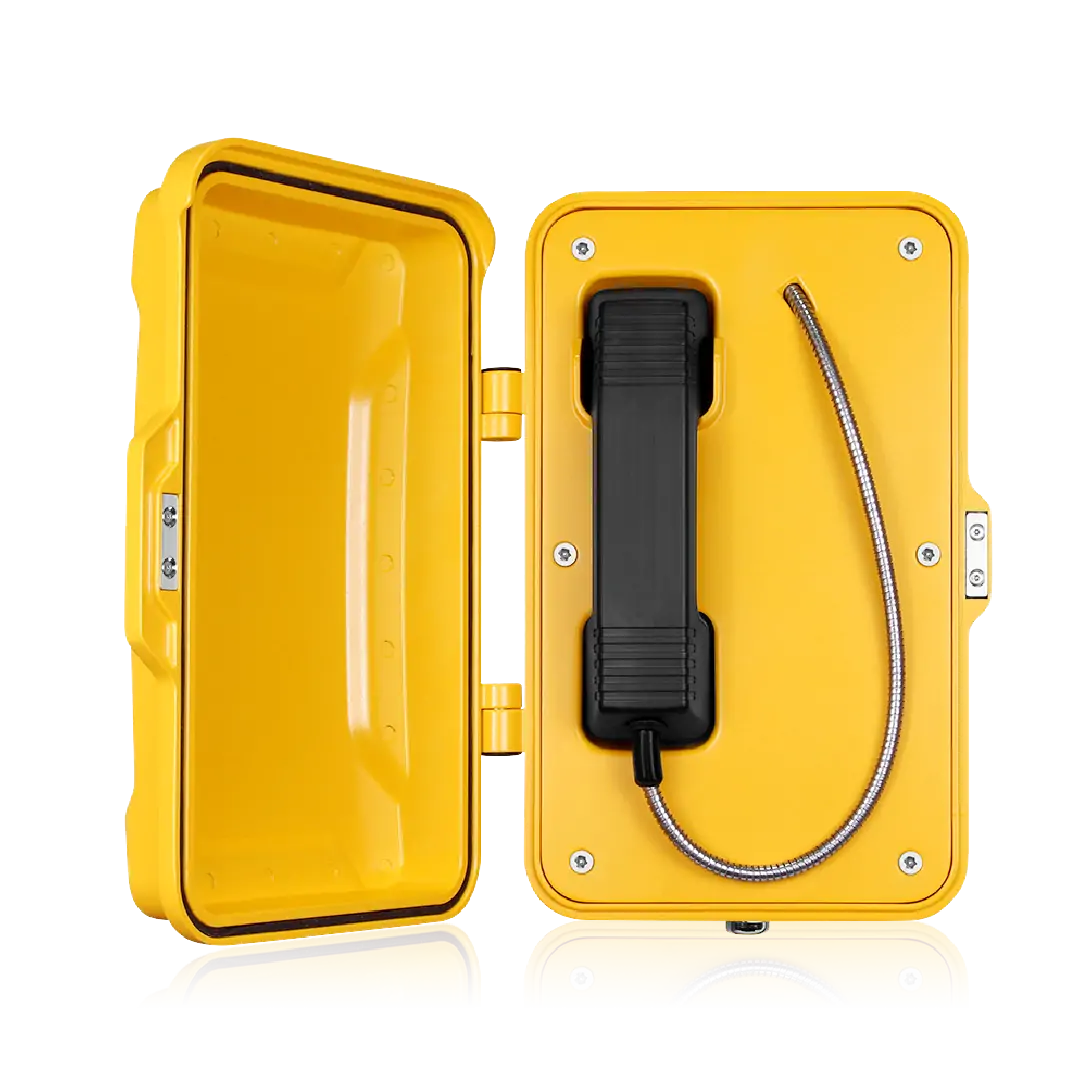
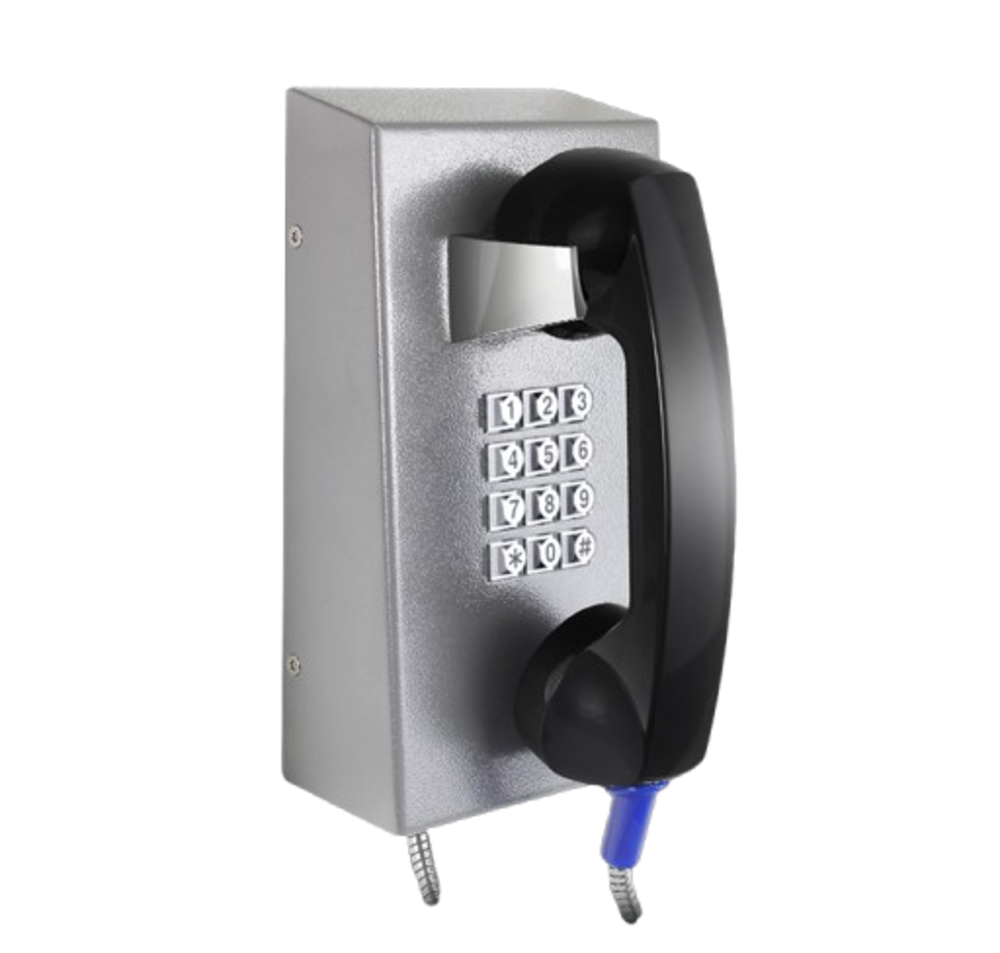
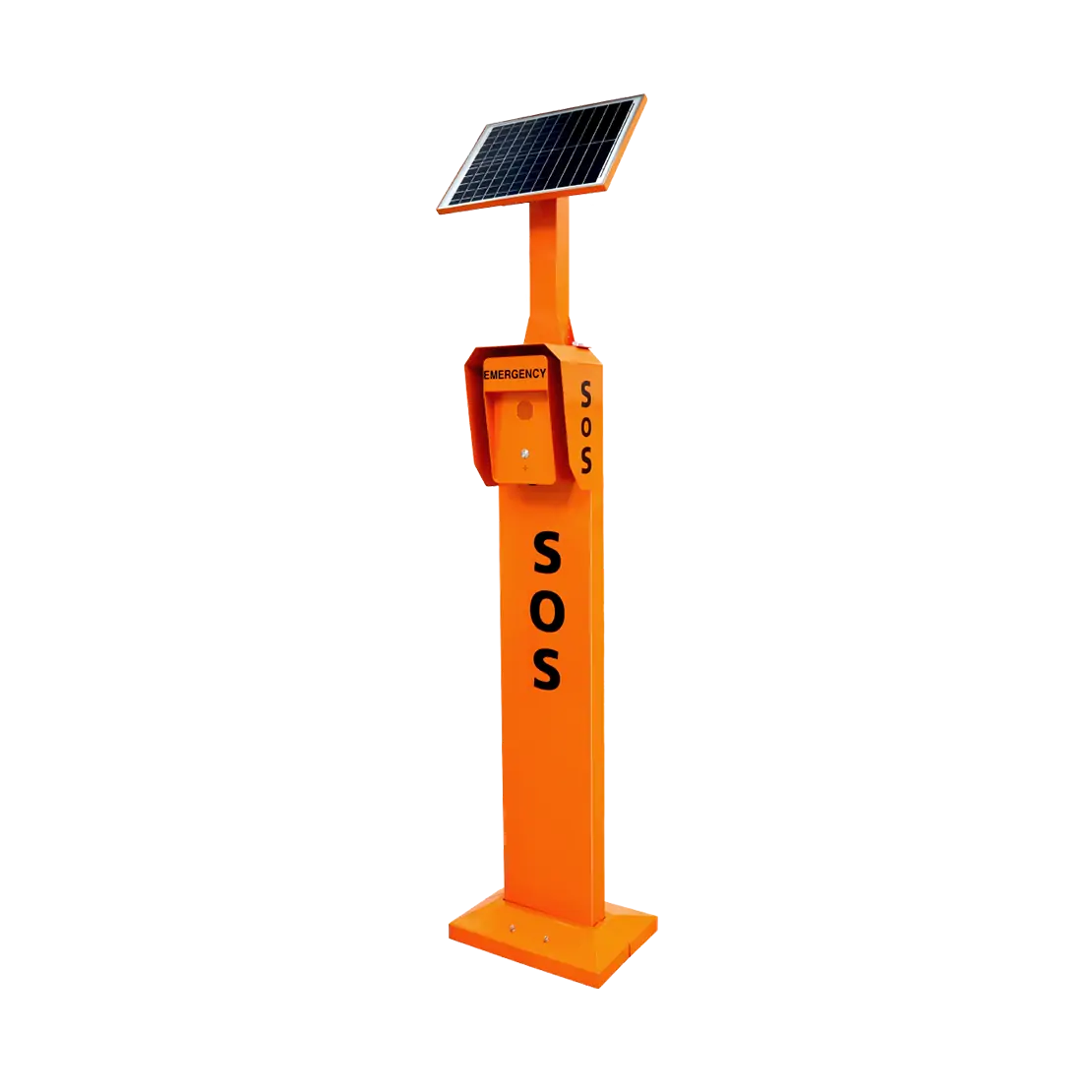
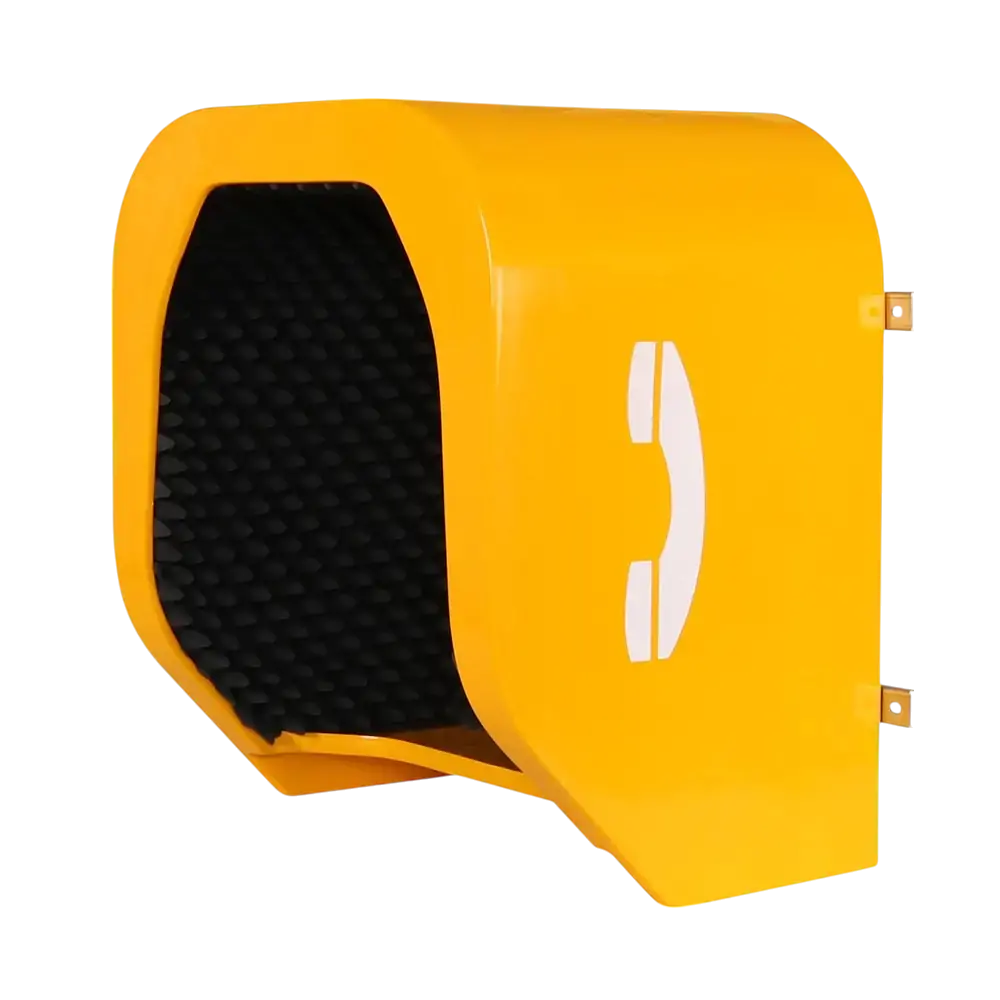
In industrial environments, rapid response to emergencies can mean the difference between containment and escalation. An emergency call device is designed to provide immediate communication during critical situations, enabling workers to request assistance, report hazards, or trigger alerts with minimal delay. Understanding its functionality and proper placement is essential for building an effective safety communication system.
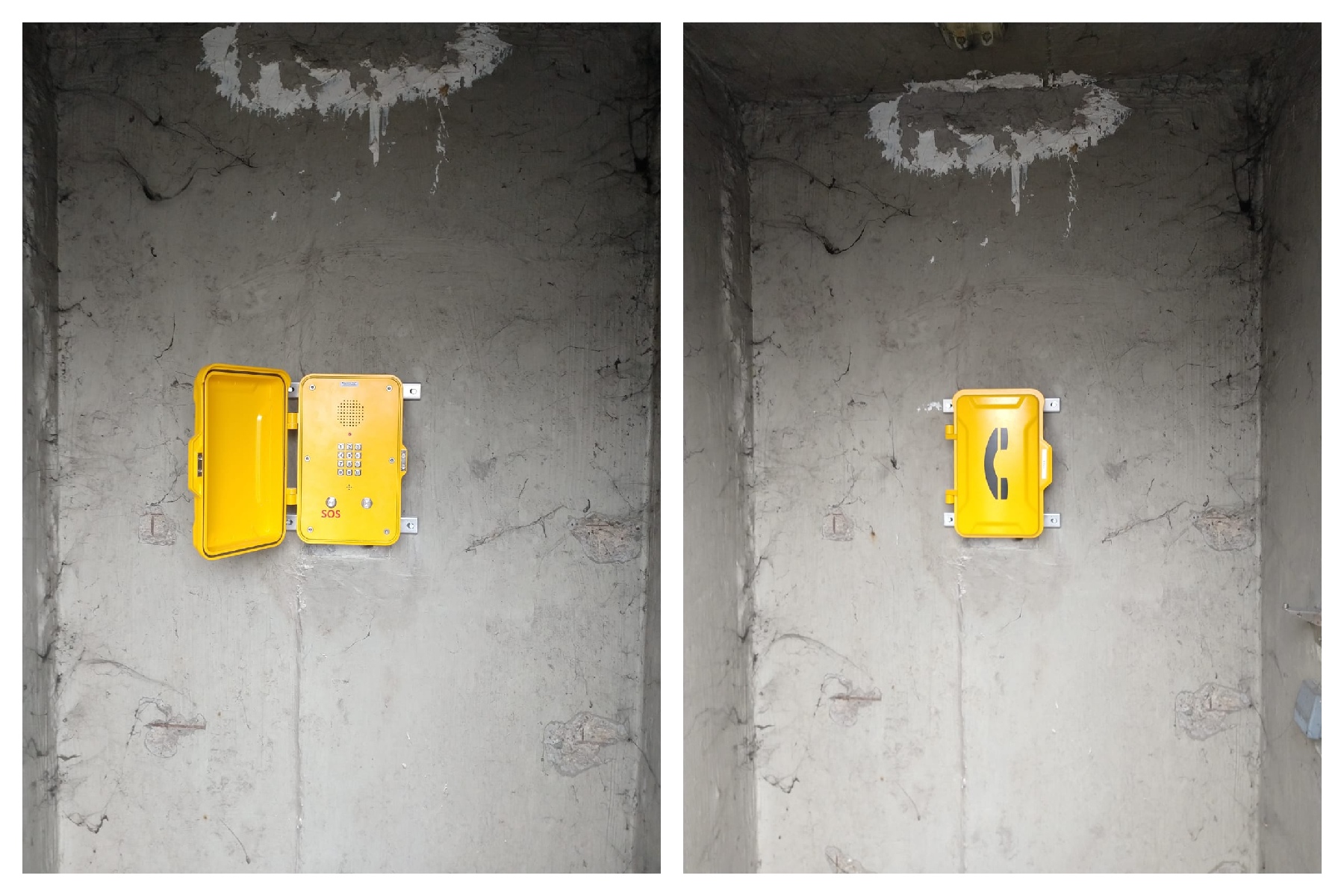
Device Functions
An emergency call device serves as a frontline communication tool in high-risk environments. Its primary functions include:
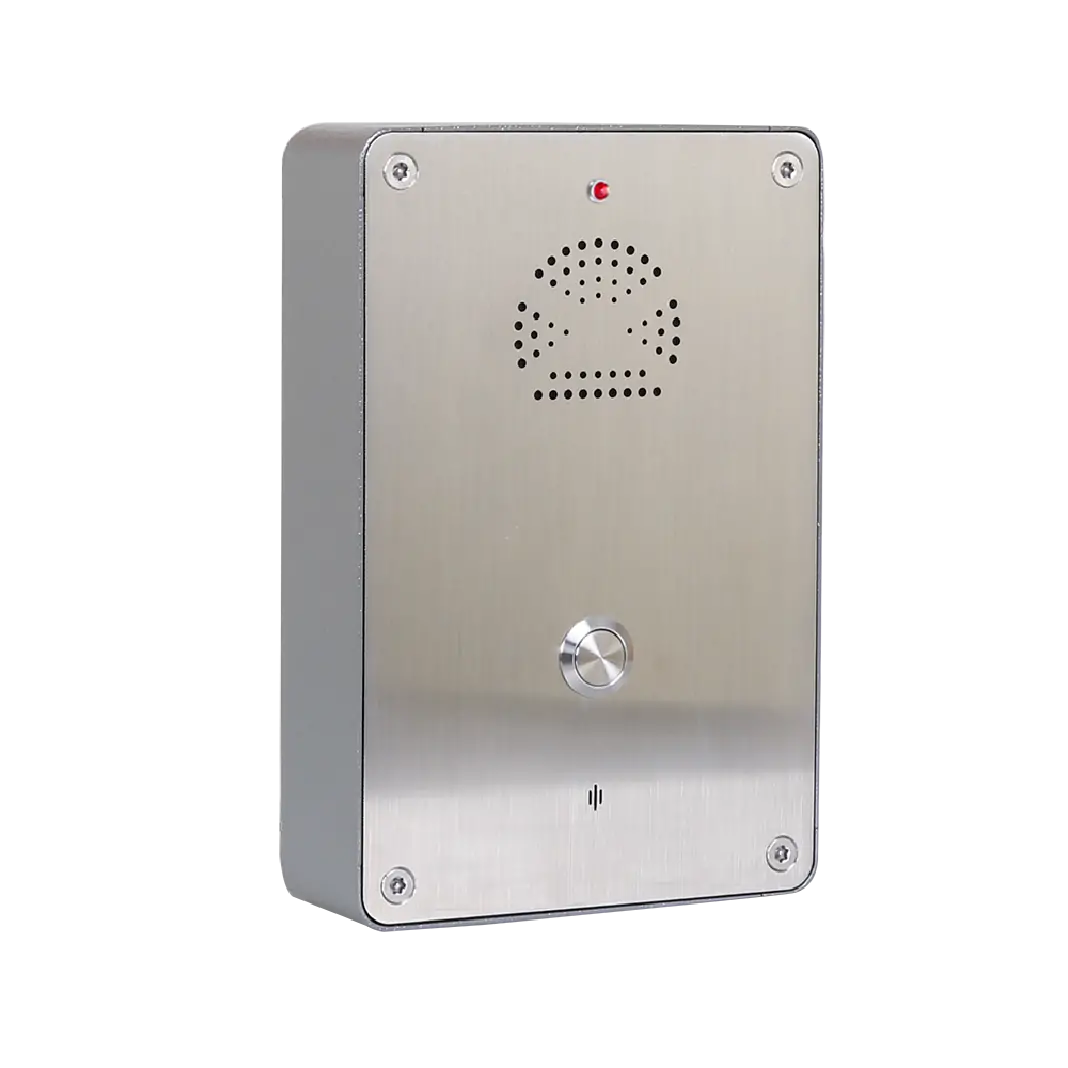
- Instant Communication: Allows users to quickly connect with control rooms or security teams
- One-Touch Activation: Typically features a single-button interface for ease of use under stress
- Hands-Free Operation: Many devices support auto-answer functionality for seamless communication
- Visual and Audible Indicators: LED lights or alarms confirm that a call has been initiated
These devices are often integrated into broader communication ecosystems, complementing systems such as what is a sound reinforcement system to ensure messages are both delivered and heard clearly across facilities.
Recommended Locations
Strategic placement of emergency call devices is critical to maximizing their effectiveness. They should be installed in areas where risks are highest or immediate communication is essential:
- Production Floors: Near machinery or hazardous processes
- Entrances and Exits: For quick access during evacuation
- Isolated Areas: Such as storage rooms, tunnels, or remote sections of a plant
- Public Access Zones: Including corridors, parking areas, or waiting zones
In large or distributed facilities, integrating devices with what is a wireless communication system ensures coverage even in areas where wired infrastructure is limited.
Wiring & Power
Reliable connectivity and power supply are fundamental to the performance of emergency call devices:
- Wired Systems: Typically use SIP or analog connections for stable communication
- Wireless Options: Suitable for temporary setups or hard-to-wire environments
- Power Supply: Devices may operate via PoE (Power over Ethernet) or external power sources
- Backup Power: Battery backup or UPS systems ensure operation during power failures
Selecting the right configuration depends on the facility layout, risk profile, and existing communication infrastructure.
Alert Integration
To enhance responsiveness, emergency call devices should be integrated with other safety and alert systems:
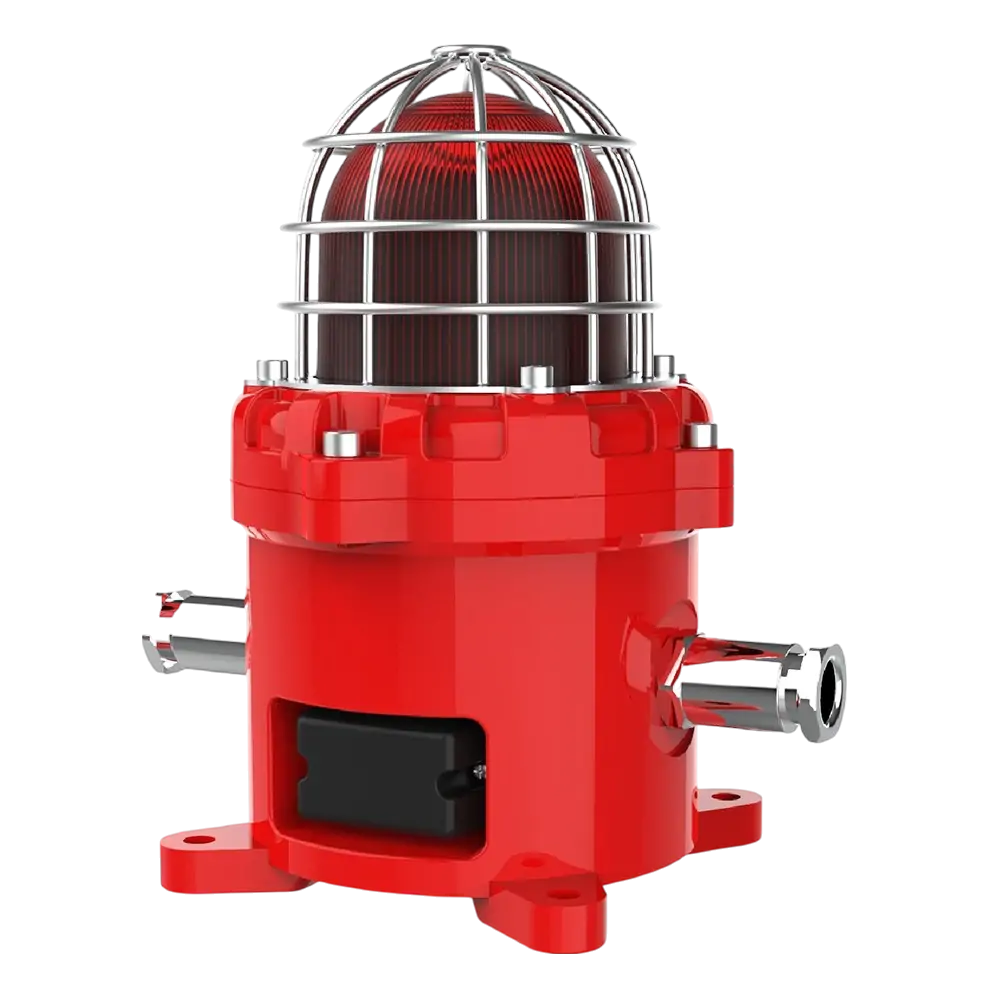
- Alarm Systems: Trigger sirens or visual alerts when a call is initiated
- Control Platforms: Send notifications to centralized monitoring systems
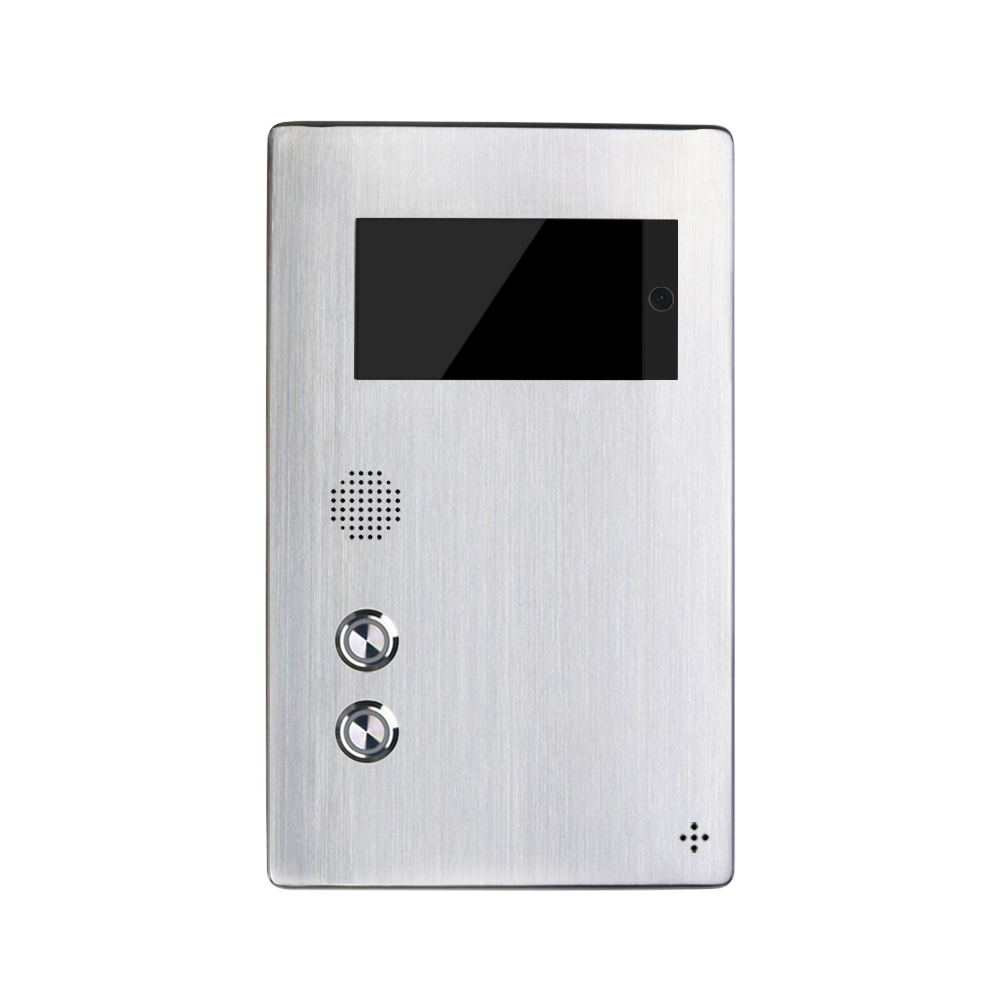
- Video Surveillance: Enable visual verification of incidents
- Access Control: Support automated responses such as unlocking emergency exits
This level of integration ensures that alerts are not only received but also acted upon quickly and efficiently.
Maintenance Tips
Regular maintenance is essential to ensure reliability when emergencies occur:
- Routine Testing: Verify call functionality and audio quality
- Visual Inspection: Check for physical damage or wear
- System Updates: Keep firmware and software up to date
- Cleaning: Ensure buttons and speakers remain unobstructed
Establishing a maintenance schedule helps prevent system failures and ensures compliance with safety standards.
Conclusion
An emergency call device is a critical component of any industrial safety strategy. By enabling instant communication and integrating with broader safety systems, it significantly improves emergency response times and overall situational awareness.
However, its effectiveness depends heavily on proper placement, reliable infrastructure, and ongoing maintenance. When deployed strategically, emergency call devices provide a dependable lifeline in critical moments, helping protect both personnel and operations.


 Prisons & Correctional Facilities
 Transportation & Underground Infrastructure
 Critical Industrial & Energy Facilities
 Marine & Offshore
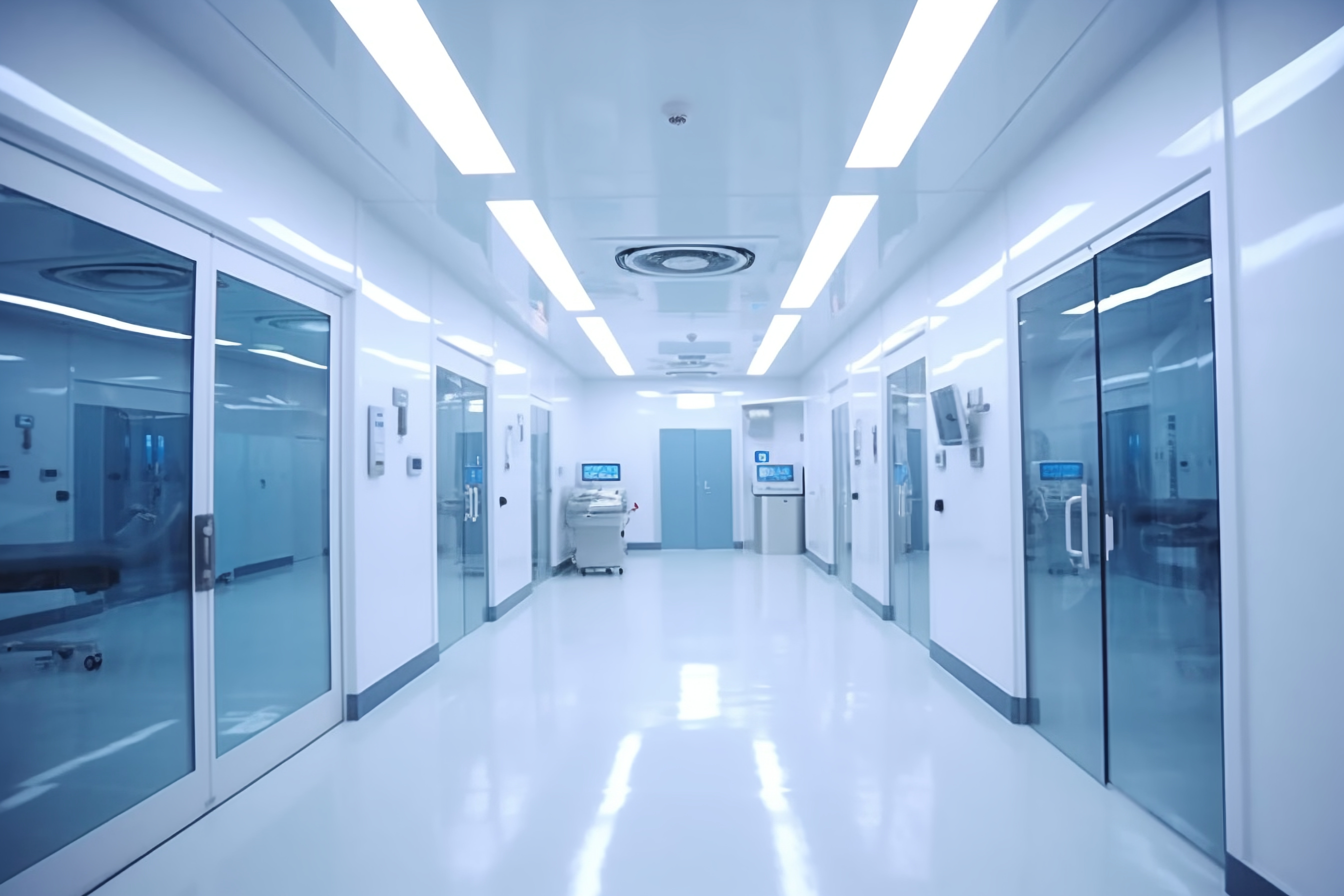 Manufacturing Plant & Public Facilities