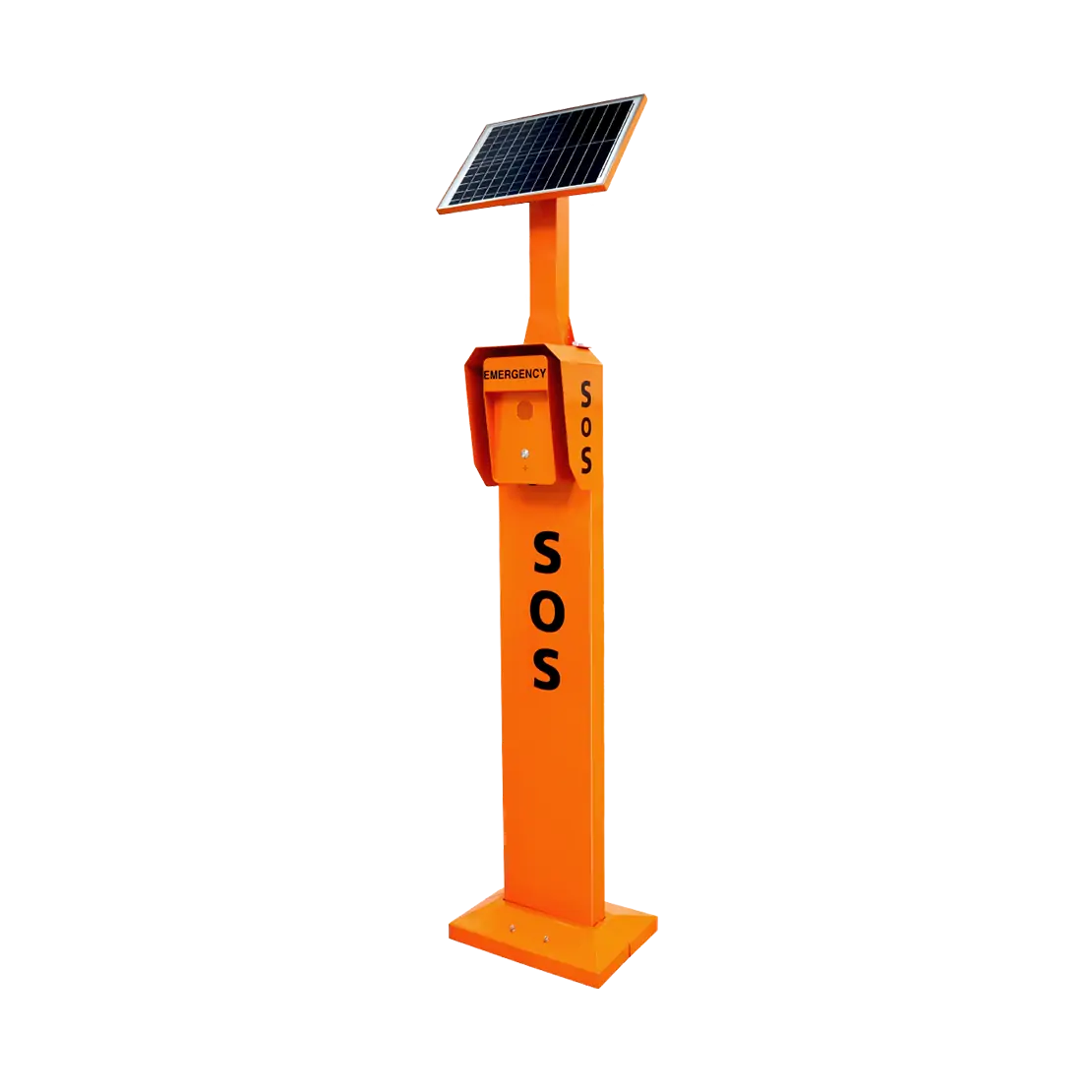
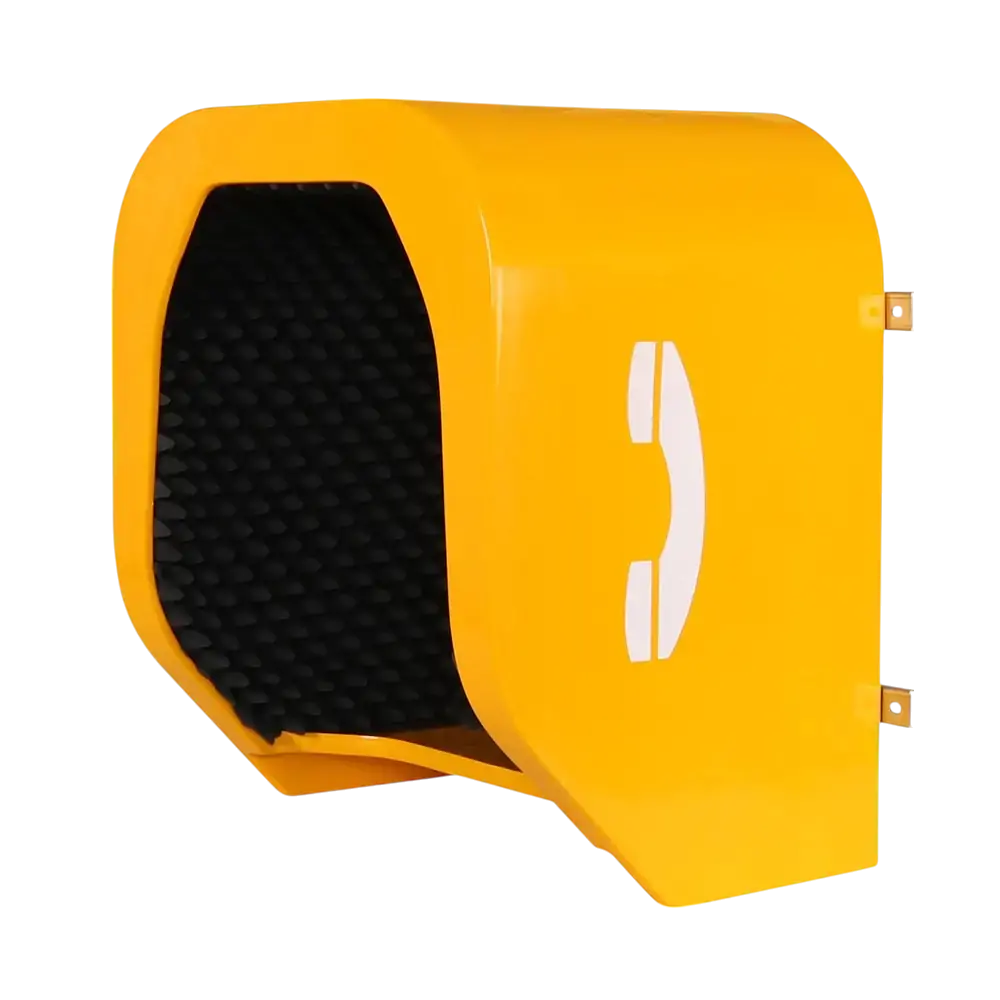
In high-risk industrial environments, response time during emergencies is critical. Proper placement of emergency call point systems ensures that personnel can quickly request assistance, reducing potential injuries, downtime, and operational risks. This guide outlines key considerations for optimizing placement based on safety standards and real-world application scenarios.
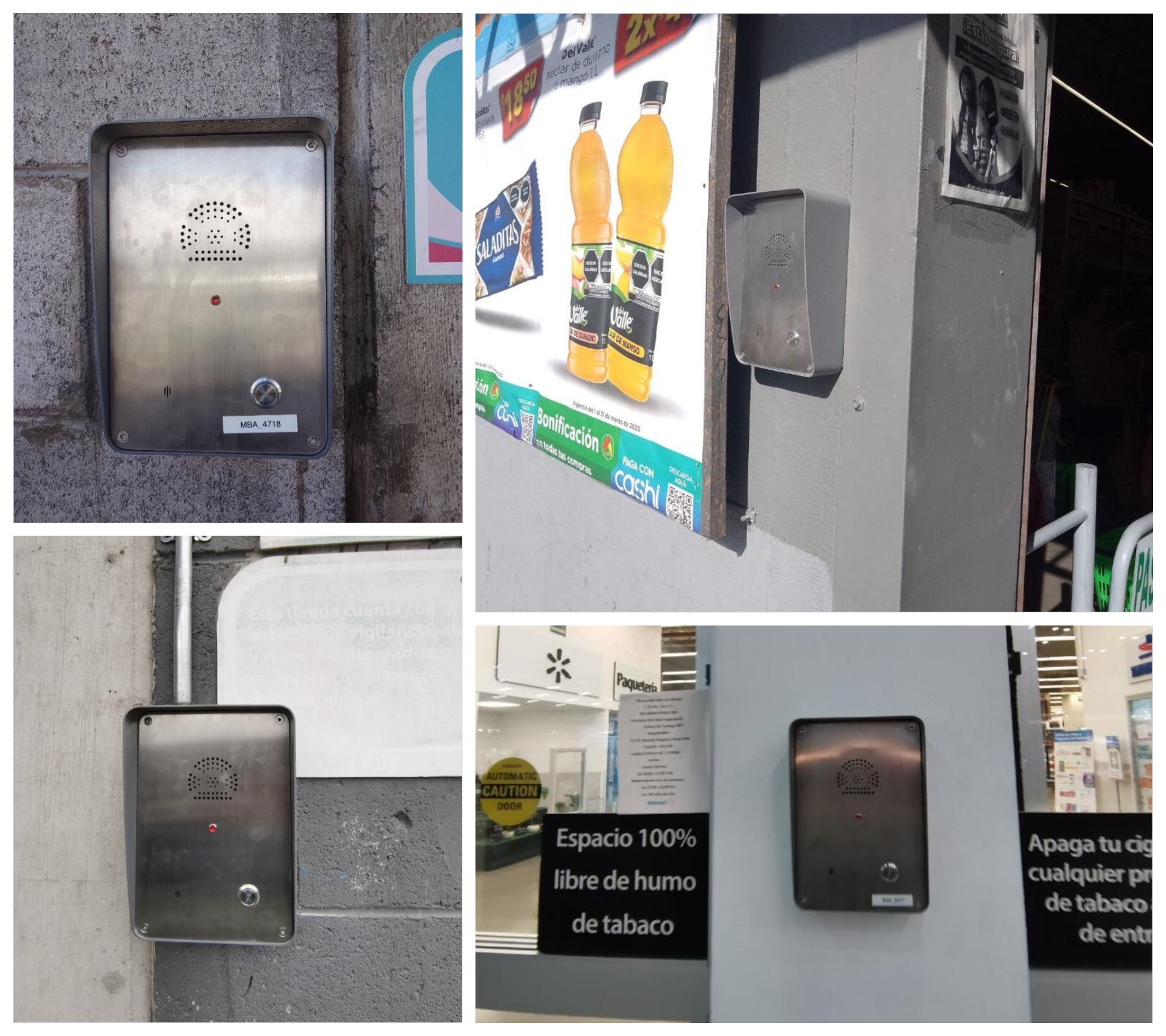
Zone Definitions
Understanding hazard zoning is the first step in determining where to install an emergency call point.
Industrial sites are typically divided into zones based on risk levels, such as hazardous areas, high-traffic zones, and controlled environments. For example:
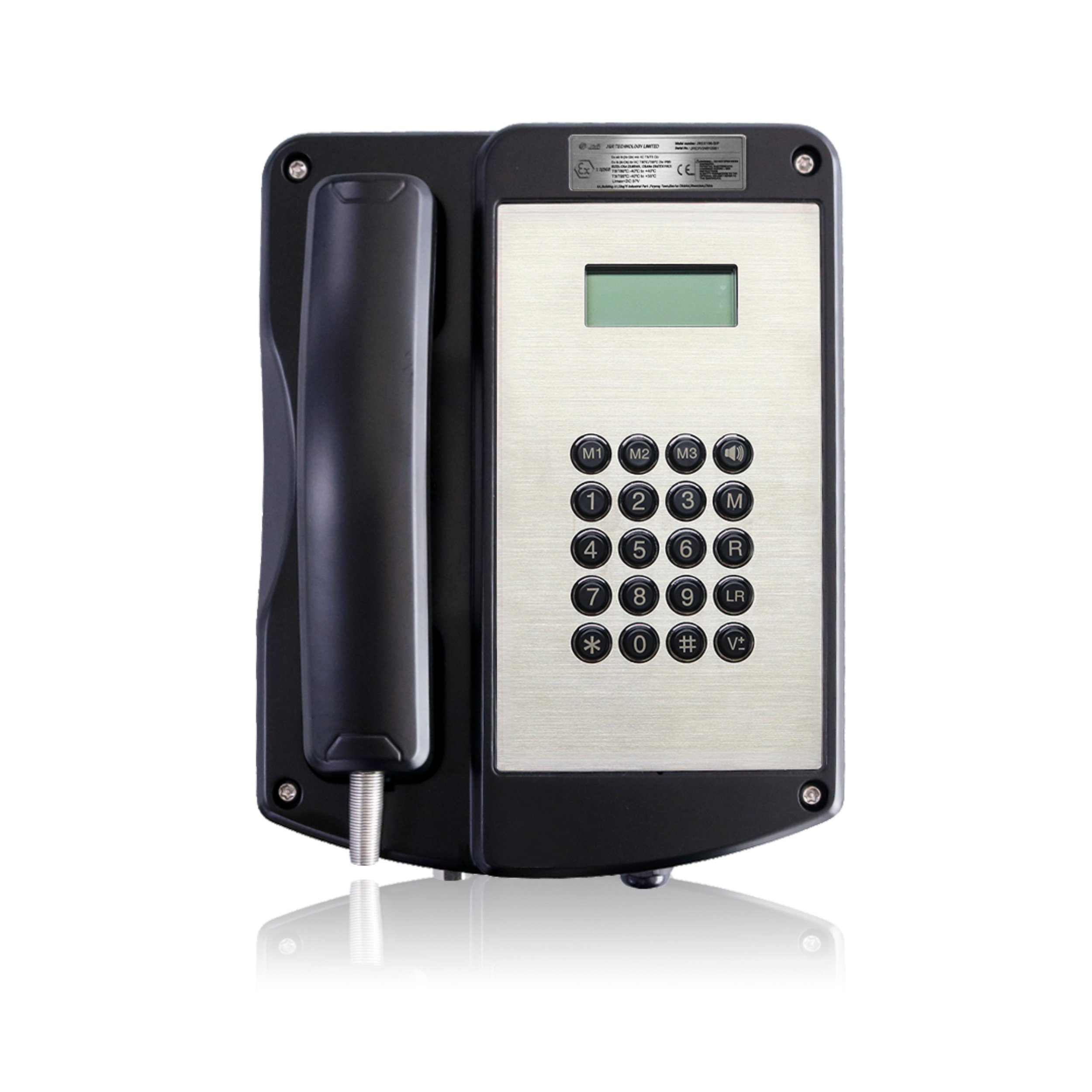
- Hazardous zones (e.g., ATEX-classified areas): Require explosion-proof emergency call points.
- Operational zones: Production lines, assembly areas, and machinery zones where incidents are more likely.
- Public or semi-public zones: Entrances, corridors, and control rooms.
Each zone has different compliance and equipment requirements. For a deeper understanding of hazardous area classification, refer to what are ATEX zones.
Accessibility Criteria
Accessibility directly impacts response time. Emergency call points must be:
- Within immediate reach: Typically no more than 30–50 meters from any workstation.
- Clearly visible: Avoid placing behind equipment, pillars, or obstructions.
- Installed at ergonomic height: Usually between 1.2m and 1.5m from the ground.
- Barrier-free: Ensure access is not restricted by locked doors or confined layouts.
In high-noise environments, consider integrating visual indicators or combining call points with signaling systems to ensure alerts are noticed.
Marking & Signage
Even the best-placed emergency call point is ineffective if it cannot be quickly identified.
Best practices include:
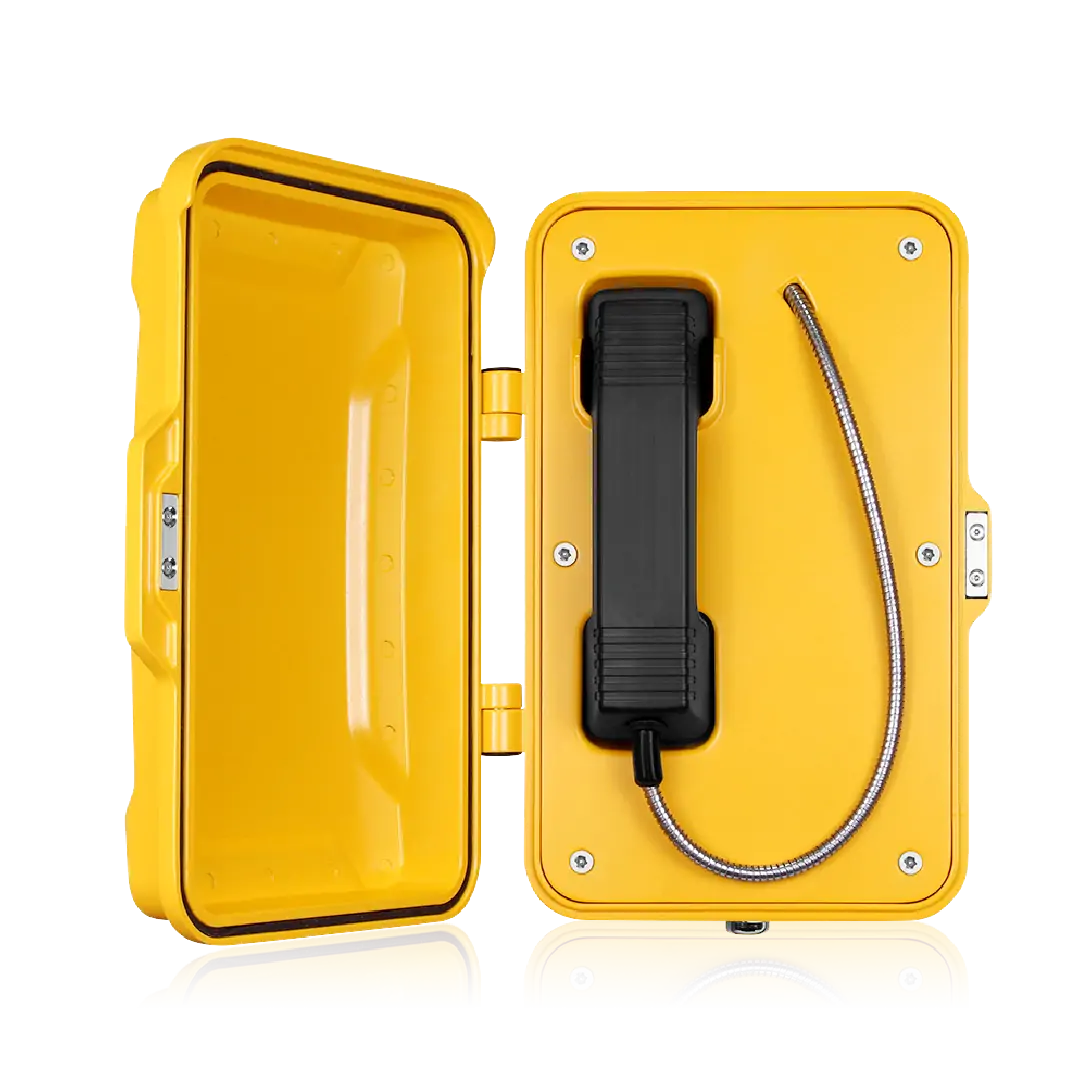
- High-contrast colors: Red or yellow enclosures for visibility.
- Photoluminescent signage: Ensures visibility during power outages or low-light conditions.
- Directional indicators: Arrows or floor markings guiding personnel to the nearest unit.
- Standardized symbols: Use internationally recognized safety icons.
Clear labeling significantly reduces hesitation and confusion during emergencies.
Installation Guidelines
Proper installation ensures durability and reliability in harsh environments.
Key considerations:
- Ingress Protection (IP Rating): Select appropriate ratings based on environmental exposure. For example, IP65 or IP67 depending on dust and water exposure. Learn more in ip65 vs ip67.
- Environmental resistance: Use corrosion-resistant materials in chemical plants or offshore sites.
- Power and connectivity: Ensure stable integration with communication systems (SIP, VoIP, or analog).
- Redundancy: In critical areas, install multiple units to avoid single points of failure.
Additionally, consider integrating emergency call points with centralized monitoring systems for faster dispatch and tracking.
Testing & Drills
Installation alone is not enough—regular validation is essential.
Recommended practices:
- Routine inspections: Check functionality, connectivity, and physical condition.
- Scheduled testing: Monthly or quarterly activation tests.
- Emergency drills: Train staff to locate and use call points under realistic conditions.
- Data review: Analyze response times and identify placement gaps.
Continuous testing ensures that systems perform as expected when they are needed most.
Conclusion
Strategic placement of emergency call point systems is a critical component of industrial safety planning. By considering zone classifications, accessibility, visibility, installation standards, and ongoing testing, organizations can significantly reduce emergency response times and improve overall safety outcomes.
If you're designing or upgrading your emergency communication system, aligning placement strategy with real operational risks will deliver the highest return in safety performance.


 Prisons & Correctional Facilities
 Transportation & Underground Infrastructure
 Critical Industrial & Energy Facilities
 Marine & Offshore
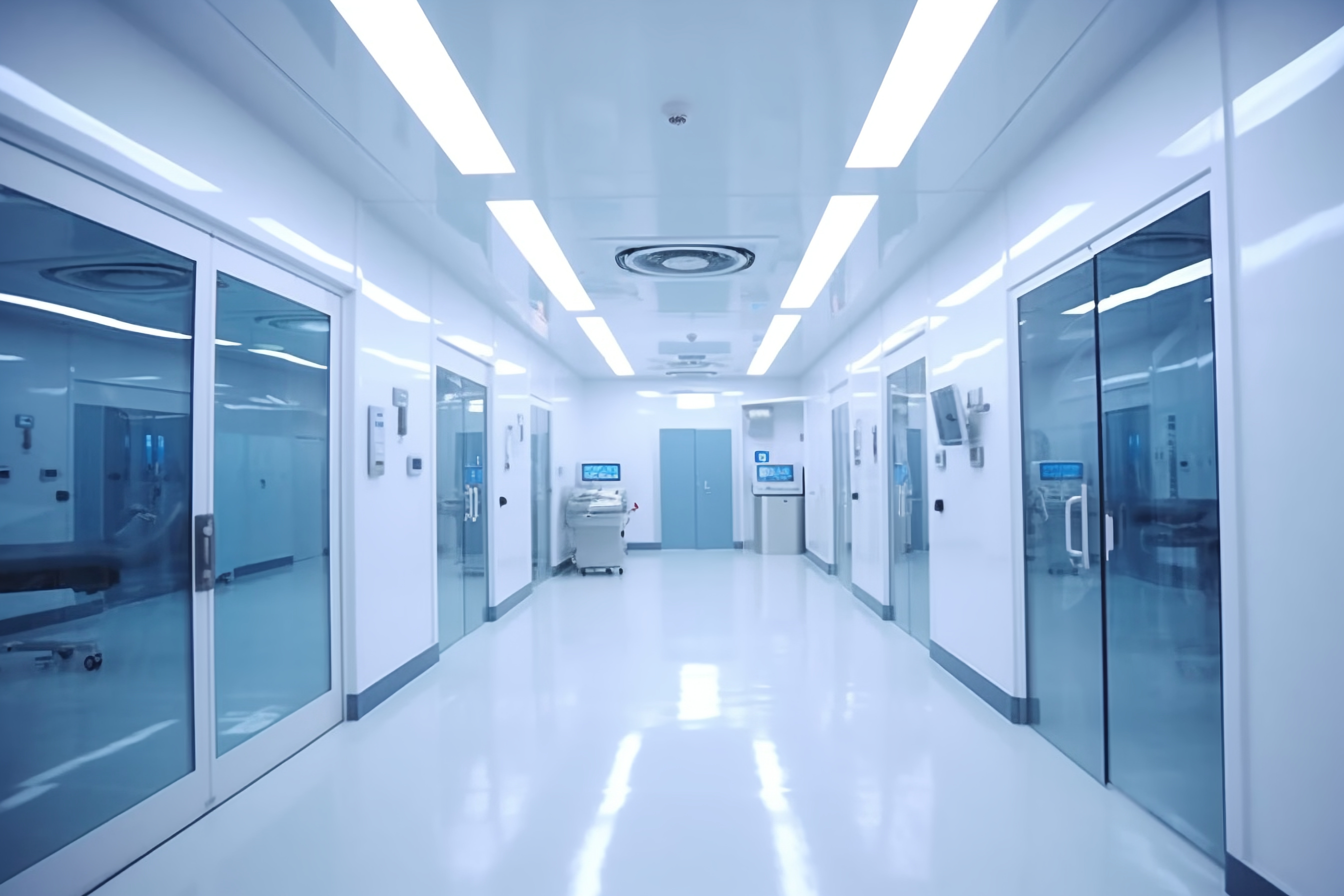 Manufacturing Plant & Public Facilities