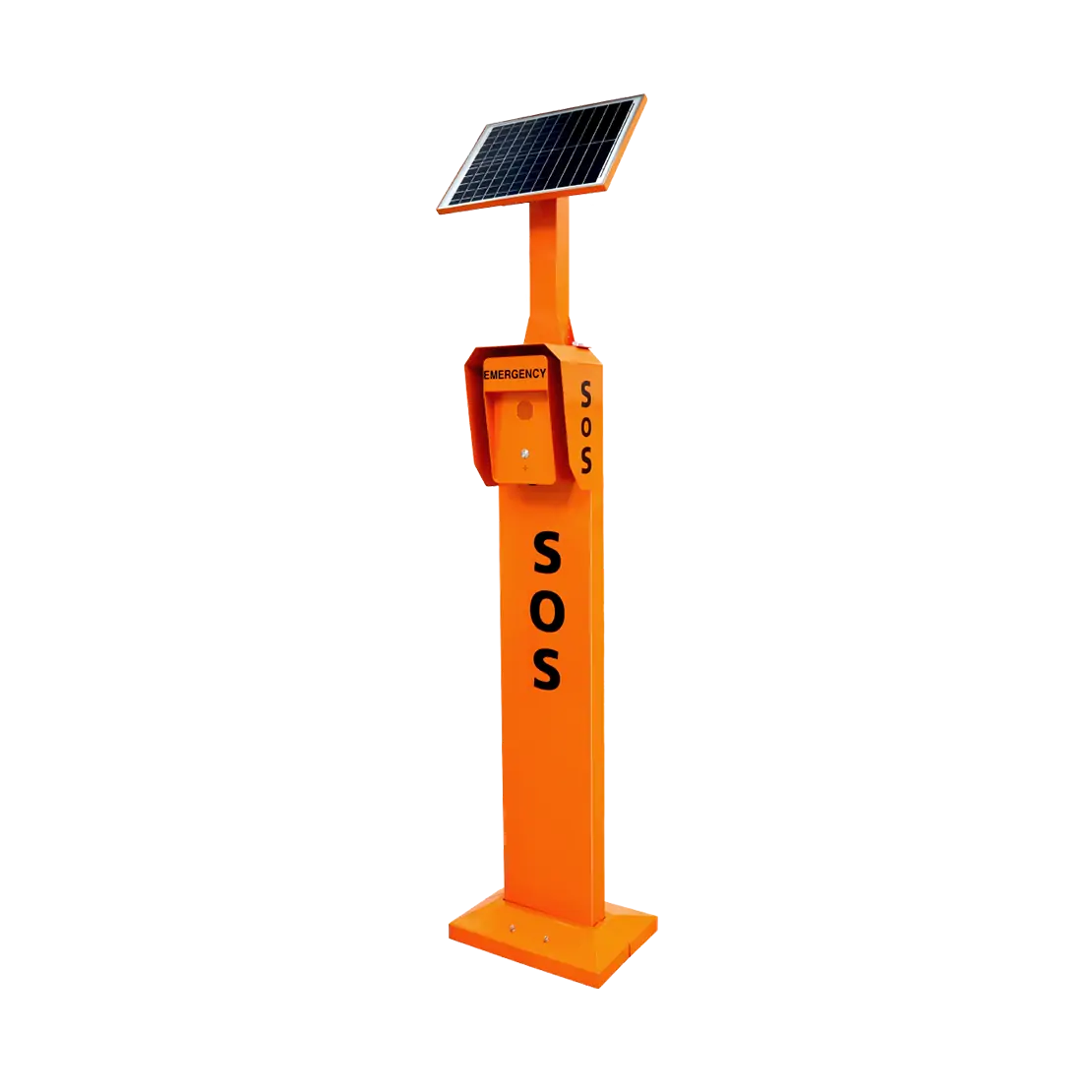
In high-risk industrial environments, rapid communication can mean the difference between a contained incident and a major operational failure. An effective emergency call system plays a central role in hazard mitigation by enabling immediate alerts, coordinated response, and real-time situational awareness. This article explores the key elements that make such systems indispensable for industrial safety.
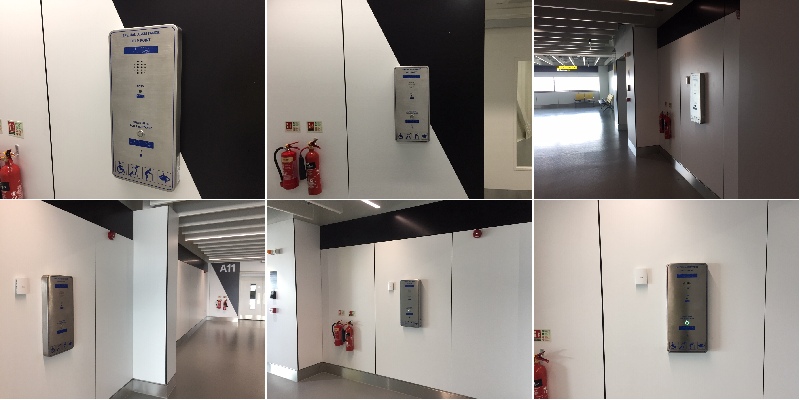
System Architecture
A robust emergency call system is built on a scalable and resilient architecture designed to function under extreme conditions.
Typical system architecture includes:
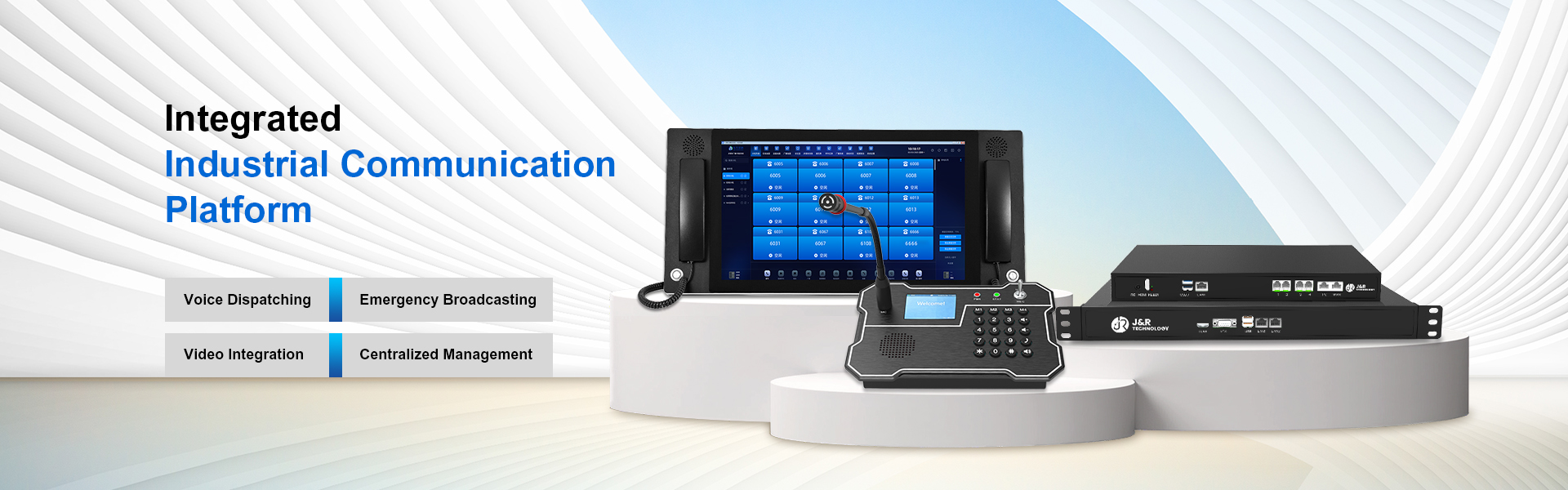
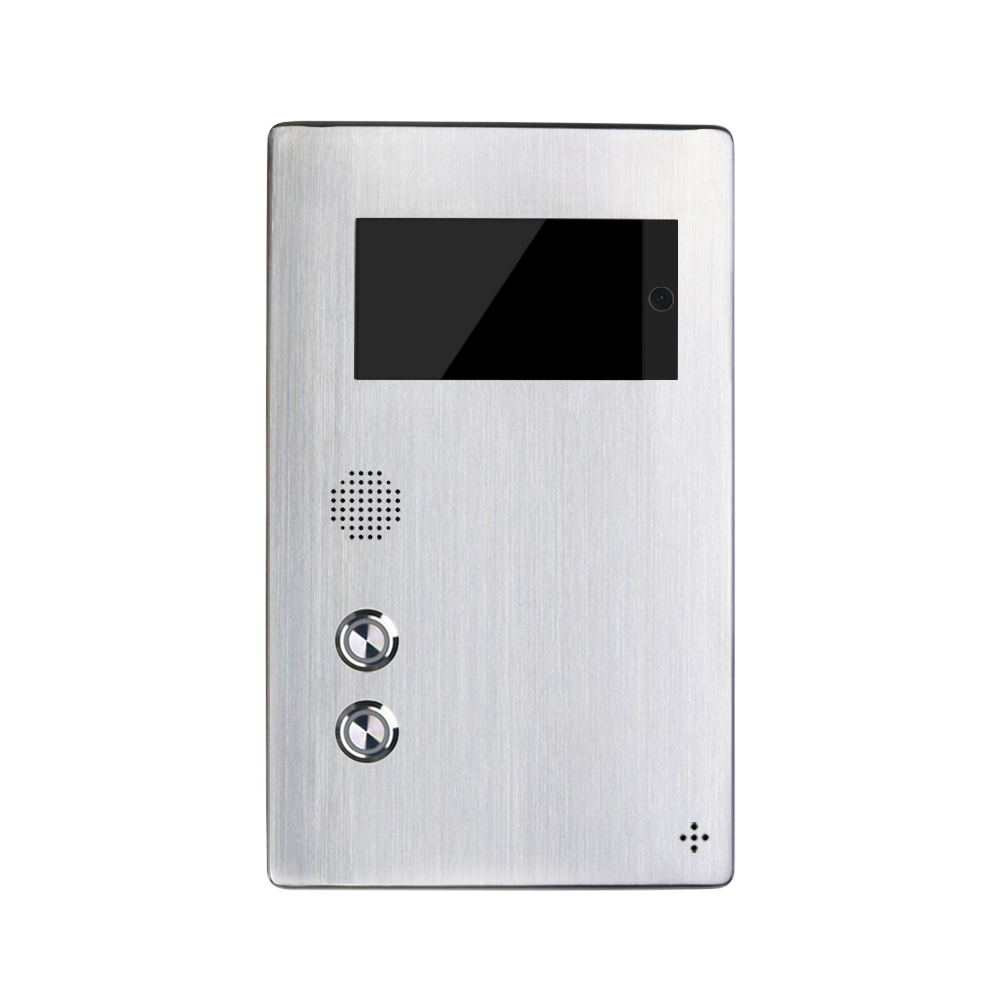
- End devices: Emergency call points, intercoms, and help points deployed across the facility
- Communication network: SIP-based VoIP, analog lines, or 4G infrastructure depending on site conditions
- Control center integration: Centralized monitoring platforms for dispatch and coordination
- Redundancy layers: Backup power supplies and network failover mechanisms
Modern systems are often IP-based, allowing seamless integration with existing IT and security infrastructure while ensuring flexibility for expansion.
Hardware Components
The reliability of an emergency call system depends heavily on its hardware, especially in harsh industrial environments.
Key components include:
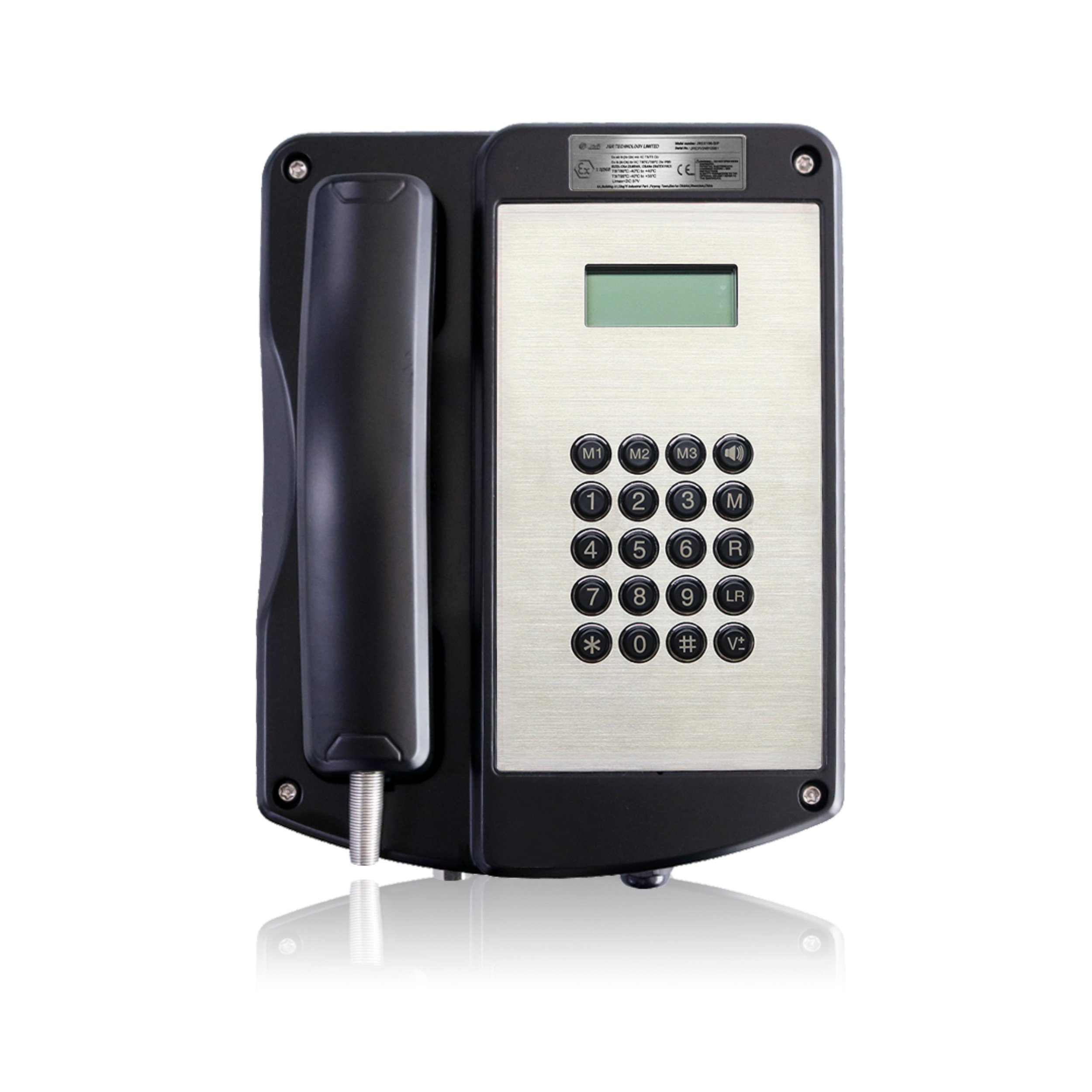
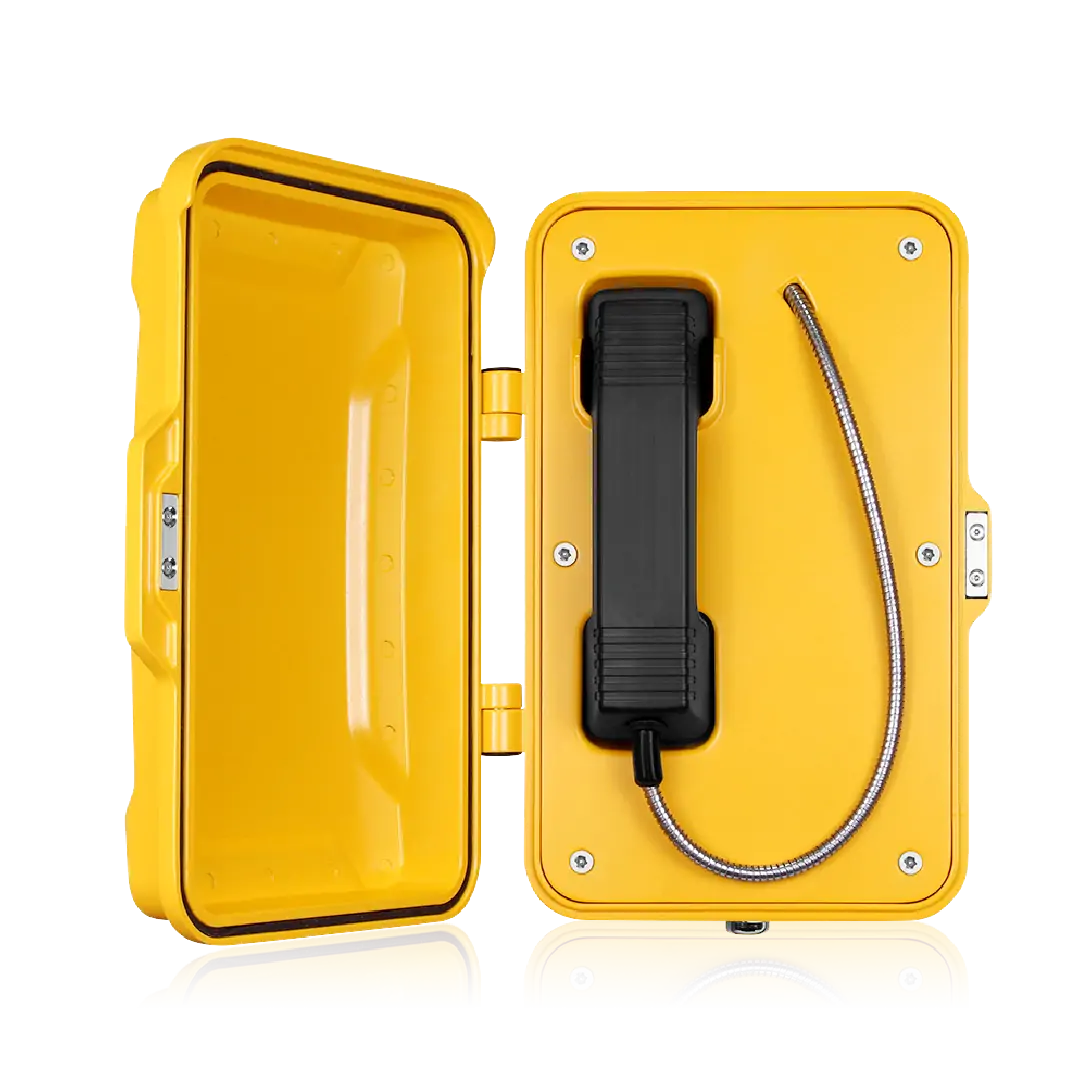
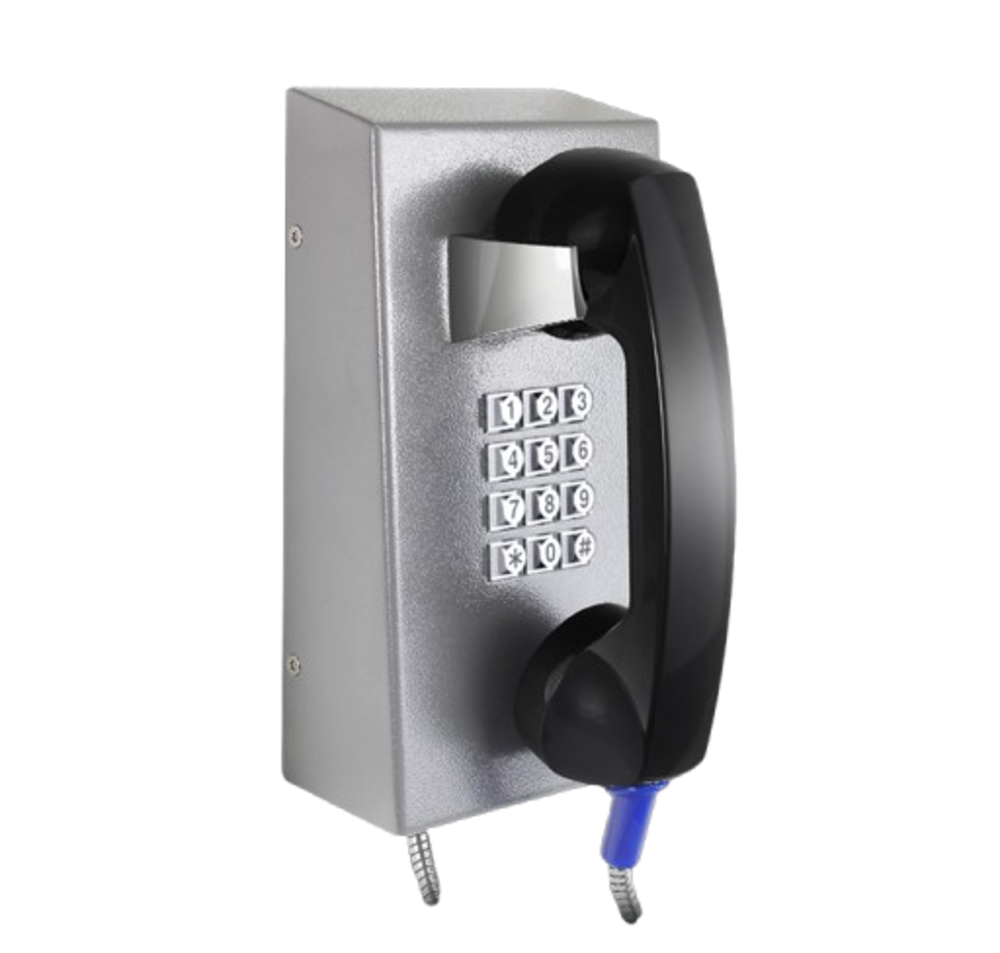
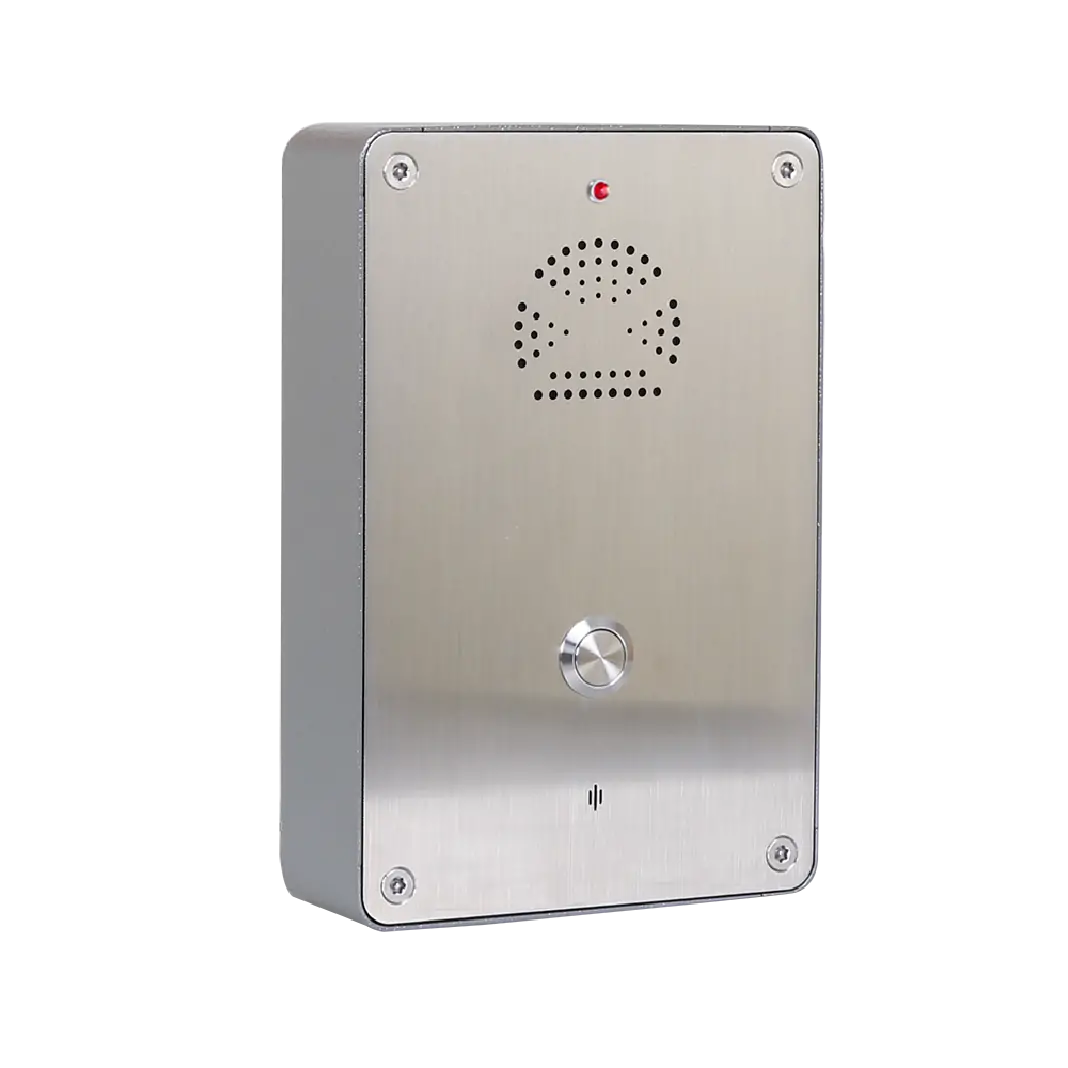
- Emergency telephones and call boxes: Designed for instant communication in critical zones
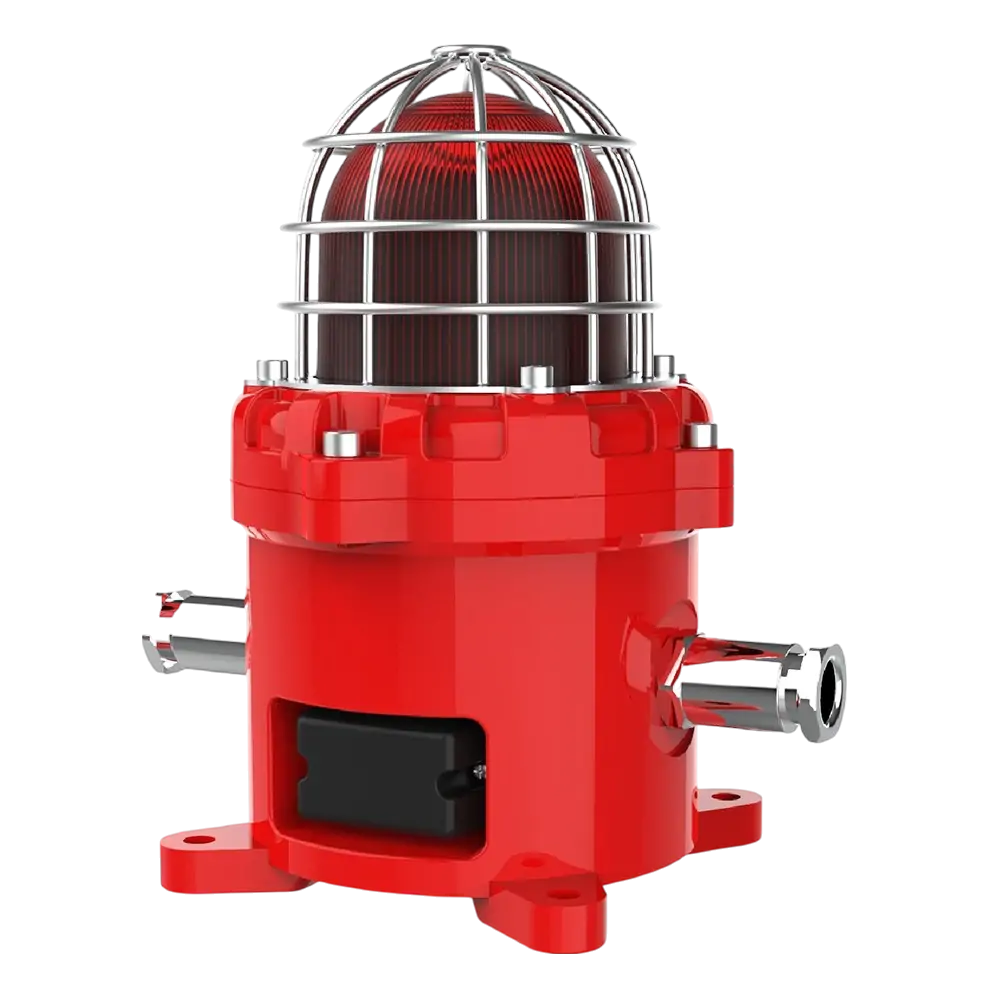
- Explosion-proof devices: Required in hazardous areas such as oil & gas or chemical plants
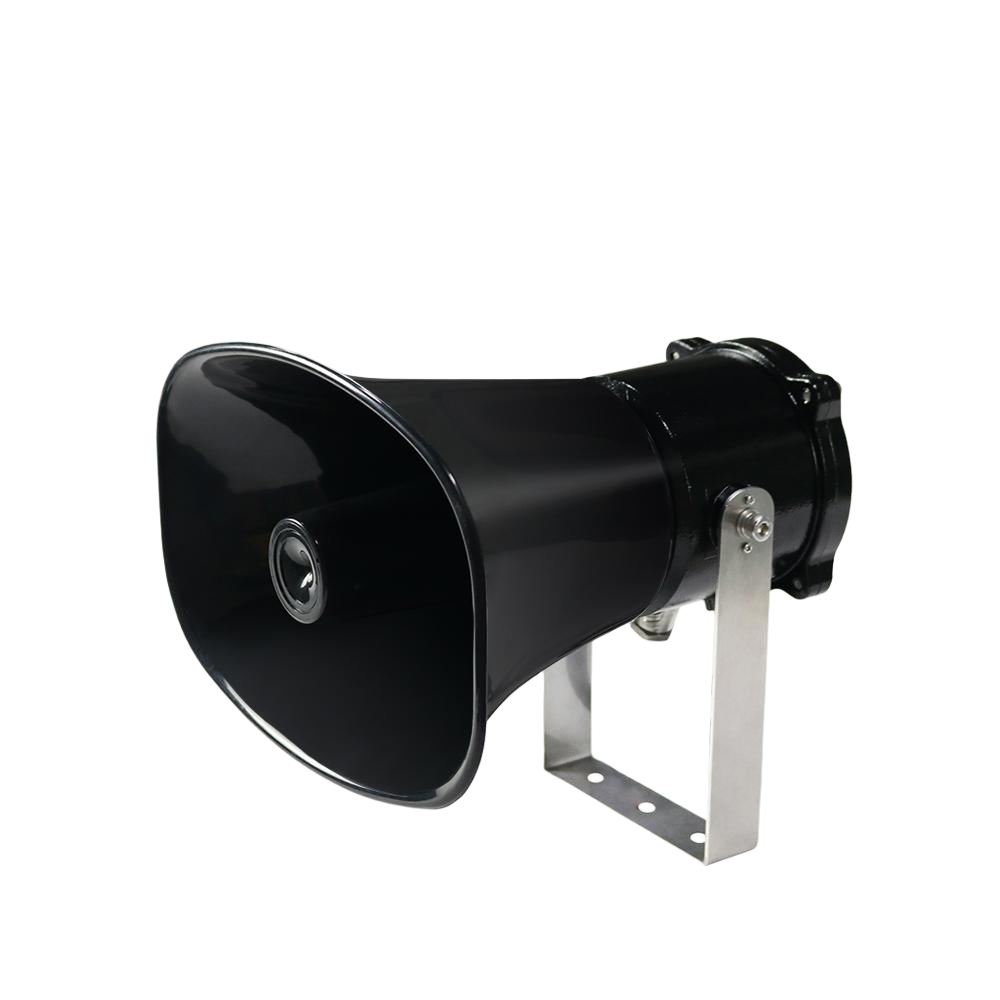
- Acoustic hoods or noise-canceling enclosures: Ensure clear communication in high-noise environments
- Visual and audible signaling devices: Flashing lights, sirens, and beacons for alert amplification
- Control panels and servers: Manage call routing, logging, and system diagnostics
All hardware must be ruggedized, weatherproof, and compliant with environmental protection standards.
Workflow & Alerts
An effective emergency call system is defined not just by its components, but by how efficiently it handles emergency workflows.
Typical workflow includes:
- Activation: A user triggers an emergency call point or device
- Signal transmission: The alert is instantly routed through the communication network
- Alert escalation: Notifications are sent to control rooms, security teams, or emergency responders
- Two-way communication: Operators can assess the situation in real time
- Response coordination: Teams are dispatched with accurate location and incident data
Advanced systems may include automated escalation rules, integration with CCTV, and event logging for post-incident analysis.
Compliance Standards
Compliance is a critical factor in the design and deployment of any emergency call system.
Key standards and certifications include:
- ATEX / IECEx: Required for equipment used in explosive atmospheres
- IP ratings (e.g., IP65/IP67): Ensure protection against dust and water ingress
- EN and ISO standards: Cover safety, reliability, and communication performance
- Local regulatory requirements: Vary by country and industry
Understanding certification requirements is essential for global deployment. For more details, refer to what is ATEX certification.
Performance Metrics
To ensure effectiveness, an emergency call system must be evaluated using measurable performance indicators.
Important metrics include:
- Response time: Time taken from activation to operator response
- System uptime: Availability and reliability of the network and devices
- Audio clarity: Communication quality in noisy environments
- Incident resolution time: Speed of coordinated response
- System scalability: Ability to expand without performance degradation
Continuous monitoring and optimization of these metrics help organizations maintain high safety standards and operational efficiency.
Conclusion
An emergency call system is not just a communication tool—it is a critical safety infrastructure for hazard mitigation. By combining resilient architecture, reliable hardware, efficient workflows, regulatory compliance, and performance monitoring, organizations can significantly reduce risks and improve emergency response outcomes.
For industries operating in hazardous environments, investing in a well-designed emergency call system is essential for protecting both personnel and assets while ensuring regulatory compliance and operational continuity.


 Prisons & Correctional Facilities
 Transportation & Underground Infrastructure
 Critical Industrial & Energy Facilities
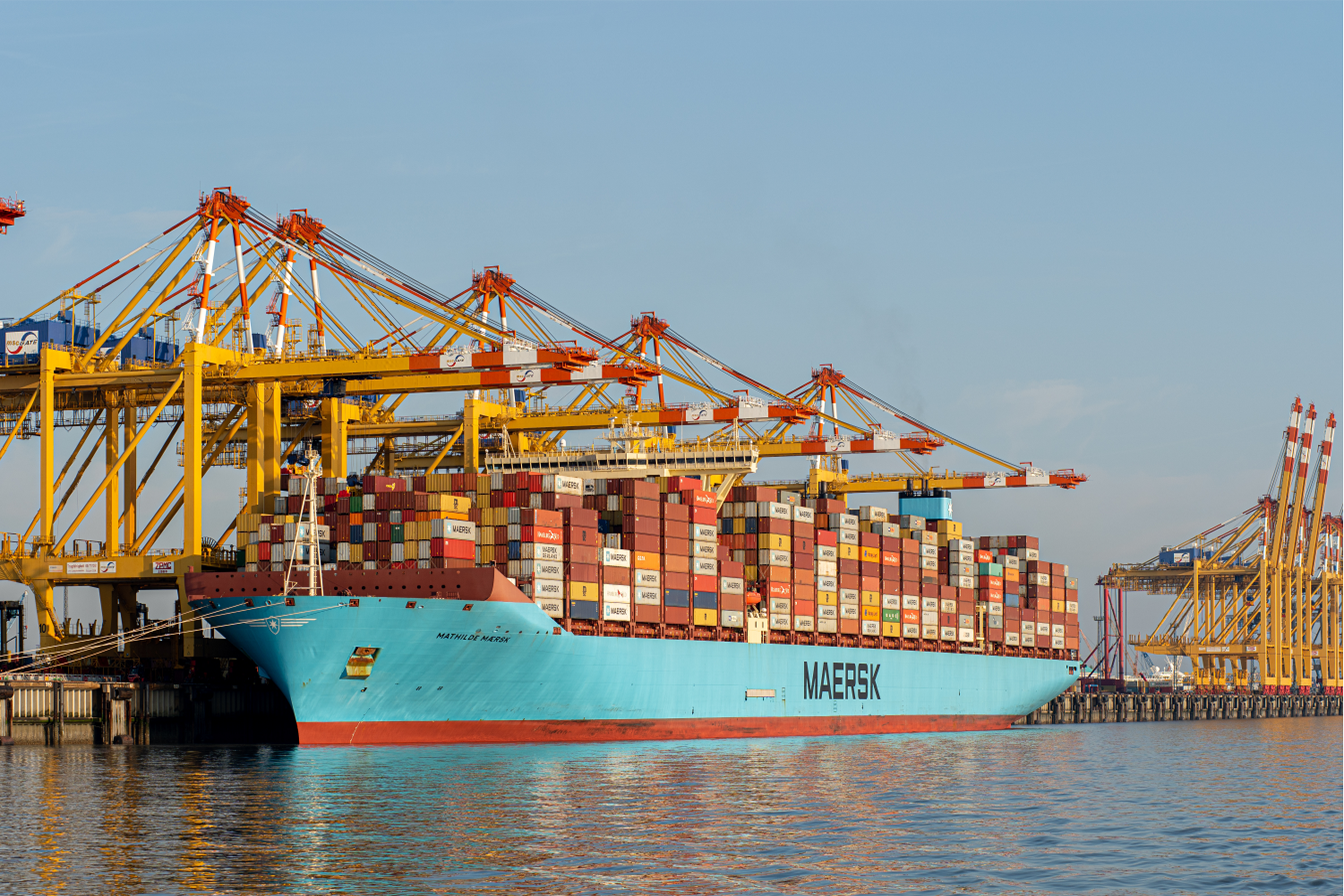 Marine & Offshore
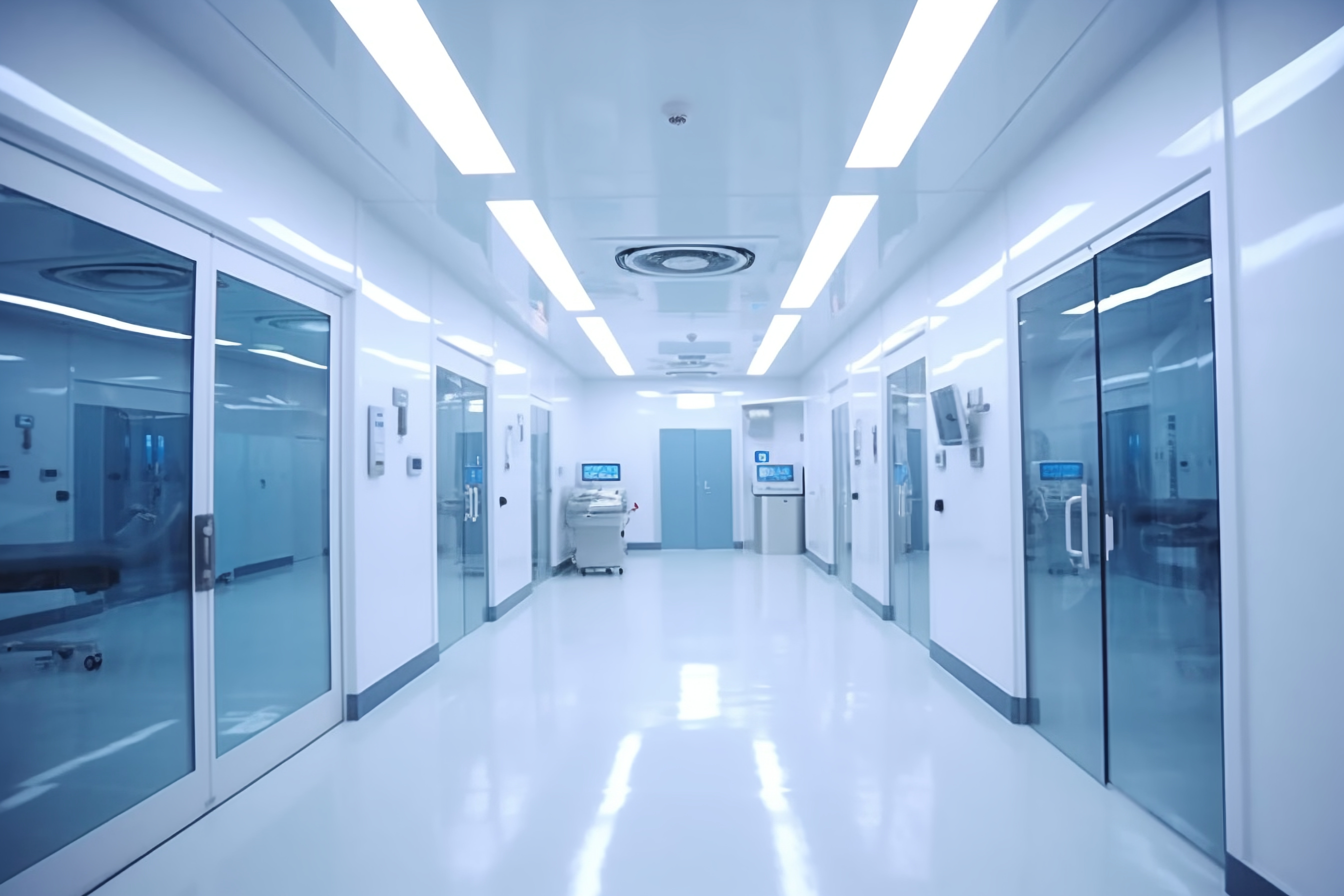 Manufacturing Plant & Public Facilities