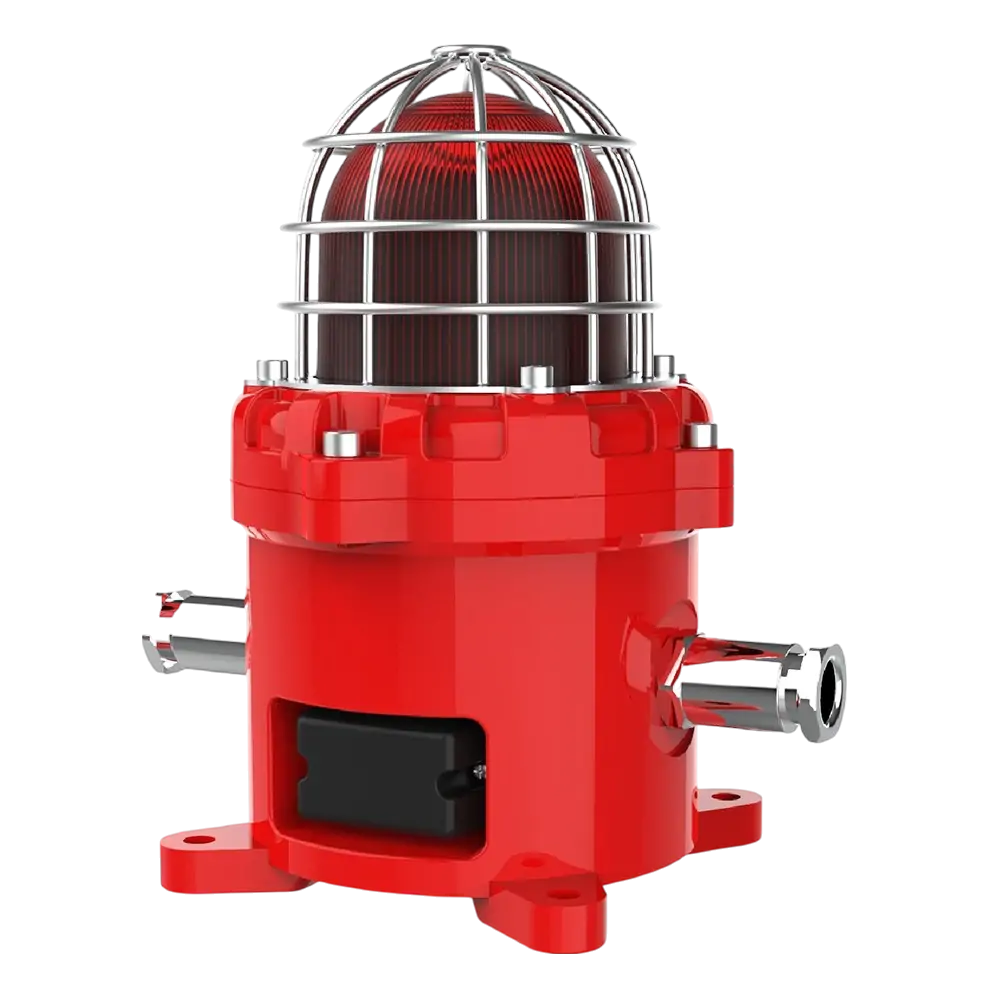
In critical environments such as industrial plants, tunnels, and transportation hubs, delivering clear and reliable alerts is essential for safety and operational continuity. An effective emergency communication device is engineered to perform under extreme noise, harsh weather, and high-risk scenarios, ensuring that messages are heard, understood, and acted upon without delay.
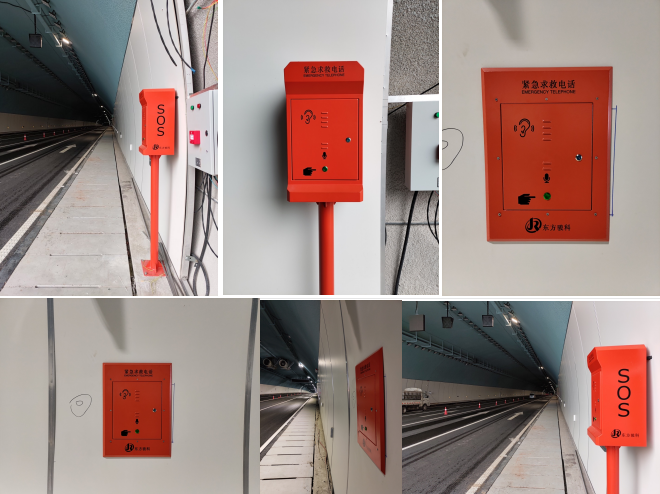
Device Types & Features
Different types of emergency communication device solutions are designed to meet specific environmental and operational needs.
Common device types include:
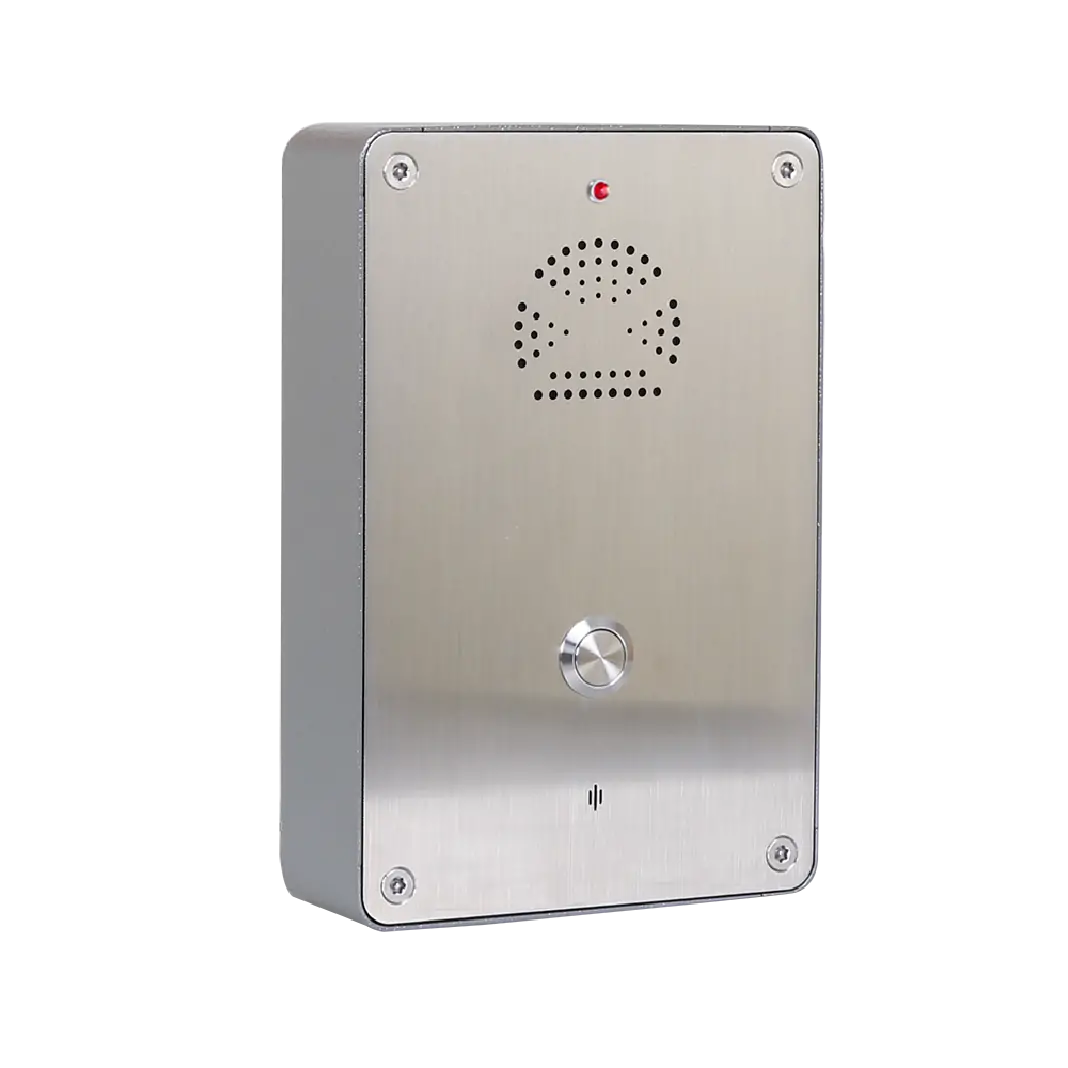
- Emergency intercoms: Enable instant two-way communication between field personnel and control rooms
- Call boxes and help points: Strategically placed for quick access in public or industrial areas
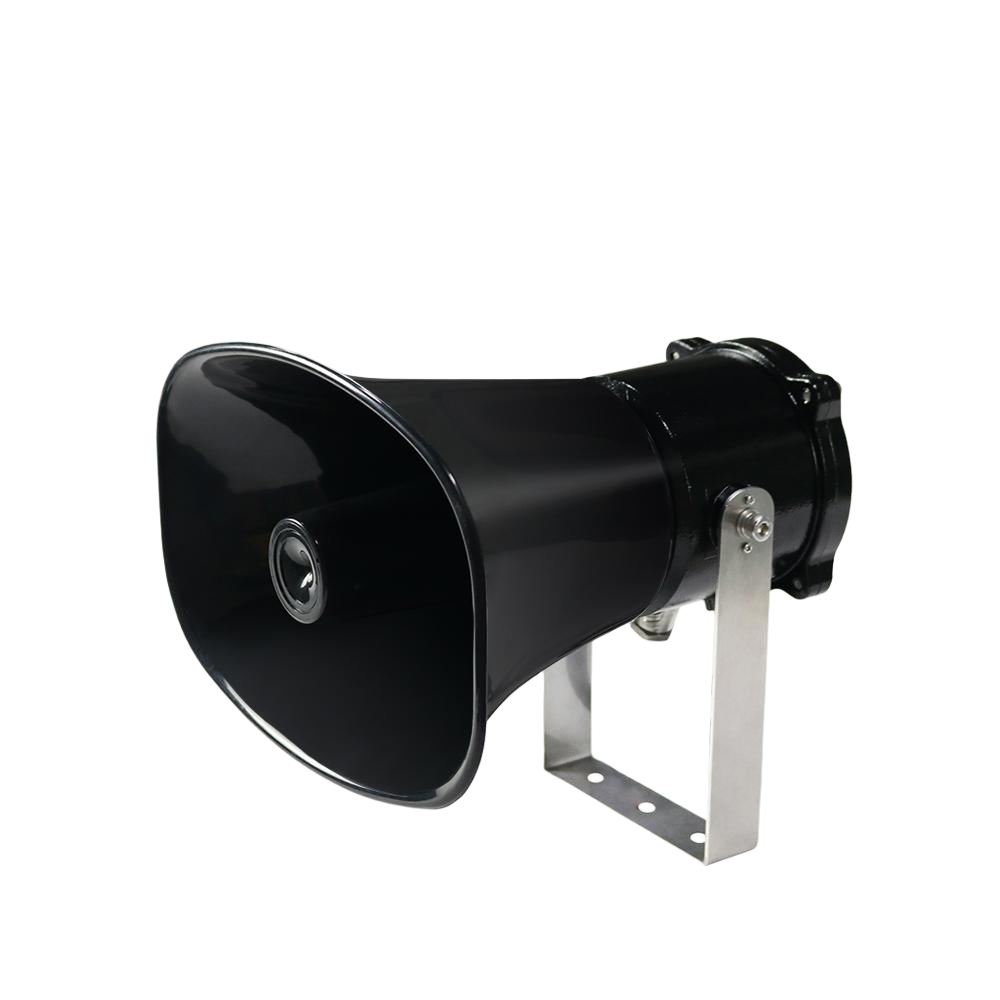
- Public address (PA) systems: Broadcast mass notifications during emergencies
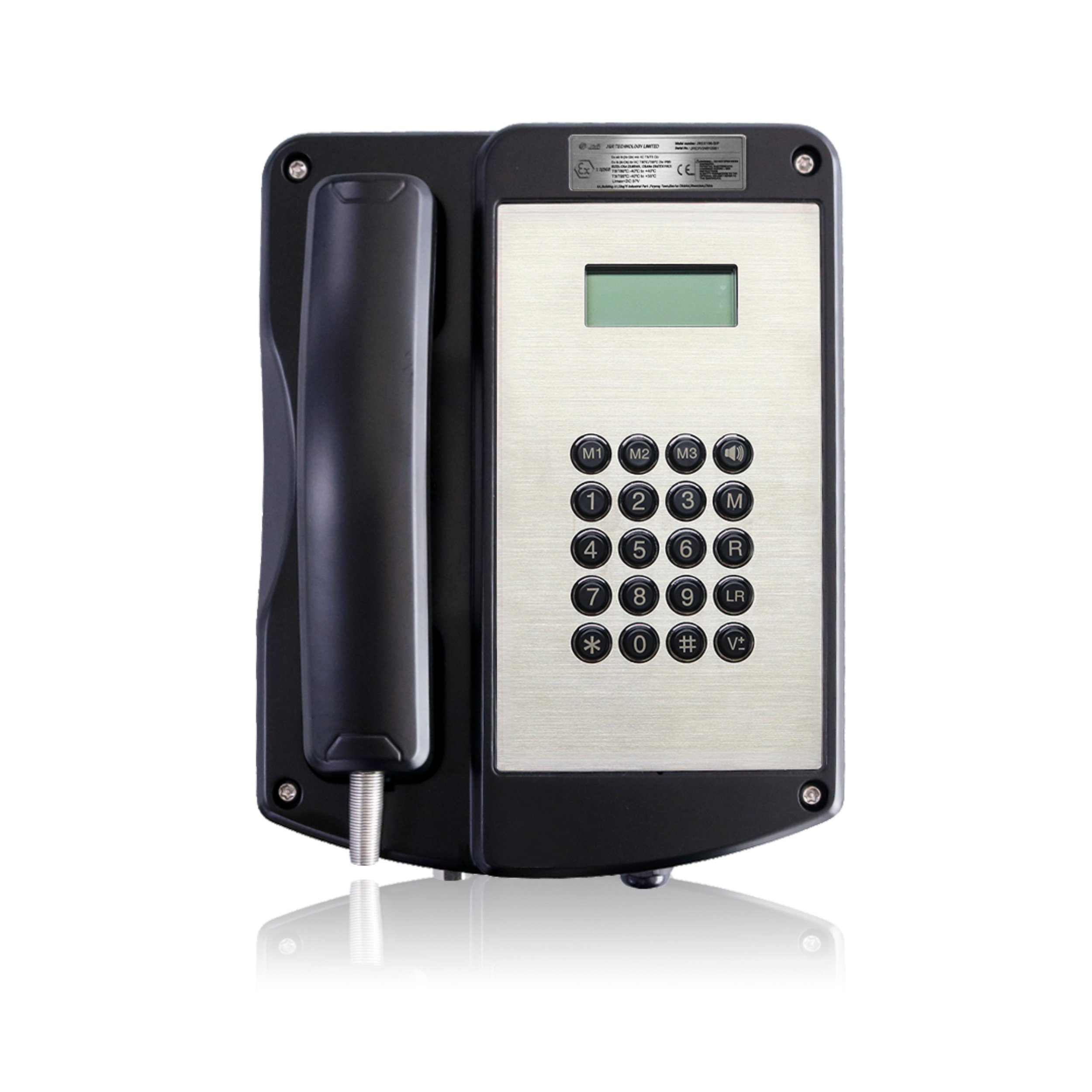
- Explosion-proof communication devices: Designed for hazardous environments such as oil & gas facilities
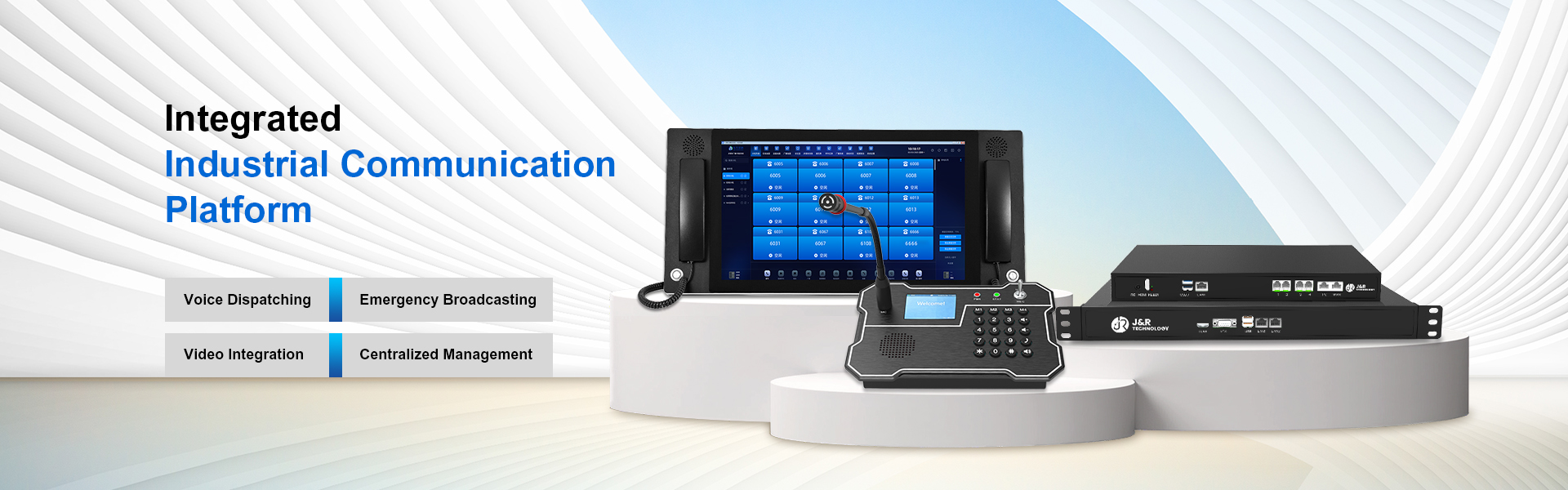
- Integrated communication terminals: Combine voice, video, and signaling functions
Modern devices often include features such as noise cancellation, hands-free operation, and rugged enclosures to enhance usability and durability. For system-level integration, see emergency intercom system.
Audio Quality Factors
Audio clarity is the core performance indicator of any emergency communication device.
Key factors affecting audio quality include:
- Background noise suppression: Active noise reduction technology filters out ambient industrial noise
- High sound pressure levels (SPL): Ensures messages can be heard over machinery and environmental noise
- Echo and feedback control: Prevents distortion during two-way communication
- Microphone sensitivity: Captures voice clearly even in challenging conditions
- Speaker design: Optimized for speech intelligibility rather than just volume
In complex environments, integrating with a what is a sound reinforcement system approach can further enhance coverage and clarity.
Redundancy Designs
Reliability is critical in emergency scenarios, which is why redundancy is a fundamental design principle for any emergency communication device.
Redundancy strategies include:
- Dual communication paths: Combining wired (SIP/VoIP) and wireless (4G) networks
- Backup components: Redundant amplifiers, servers, or control units
- Failover mechanisms: Automatic switching in case of system failure
- Distributed architecture: Avoids single points of failure across the network
These measures ensure that communication remains uninterrupted even if part of the system is compromised.
Power & Connectivity
Stable power supply and connectivity are essential for maintaining the functionality of an emergency communication device.
Best practices include:
- Uninterruptible Power Supply (UPS): Maintains operation during power outages
- Battery backup systems: Provide extended runtime in emergencies
- Robust network infrastructure: Supports low-latency, high-reliability communication
- Flexible connectivity options: Includes IP networks, analog lines, and cellular (4G) solutions
Proper planning of power and network infrastructure ensures continuous operation under all conditions.
Maintenance Practices
Even the most advanced emergency communication device requires regular maintenance to ensure optimal performance.
Recommended practices:
- Routine inspections: Check for physical damage, corrosion, or wear
- Functional testing: Verify call initiation, audio clarity, and connectivity
- Software updates: Keep firmware and systems up to date
- Environmental checks: Ensure devices remain suitable for changing site conditions
- Training and drills: Ensure personnel know how to use devices effectively
Preventive maintenance reduces the risk of failure during critical moments.
Conclusion
An emergency communication device ensures clear alerts through a combination of advanced audio engineering, robust system design, redundancy, and reliable power and connectivity. In high-risk environments, these devices are essential for enabling fast, accurate communication and effective emergency response.
By investing in well-designed systems and maintaining them properly, organizations can significantly enhance safety outcomes and ensure that critical messages are always delivered—clearly and without compromise.


 Prisons & Correctional Facilities
 Transportation & Underground Infrastructure
 Critical Industrial & Energy Facilities
 Marine & Offshore
 Manufacturing Plant & Public Facilities