In high-risk industries such as mining, petrochemicals, energy generation, and heavy manufacturing, communication failure is not just an operational issue—it is a safety-critical risk. Emergency communication solutions are engineered to ensure that alerts, instructions, and real-time coordination remain reliable even under extreme environmental and operational stress.
These systems are designed to maintain intelligible communication during incidents such as explosions, fire outbreaks, toxic leaks, power failures, or structural emergencies.

Solution Components
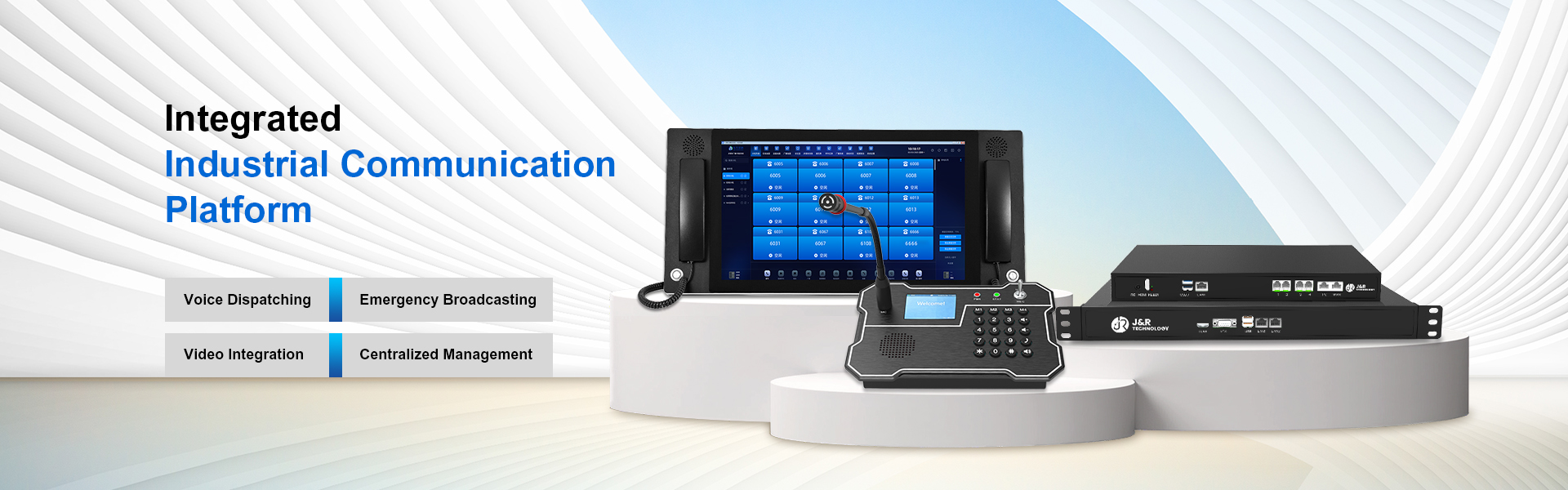
Modern emergency communication solutions are not single devices but integrated ecosystems. A complete system typically includes:
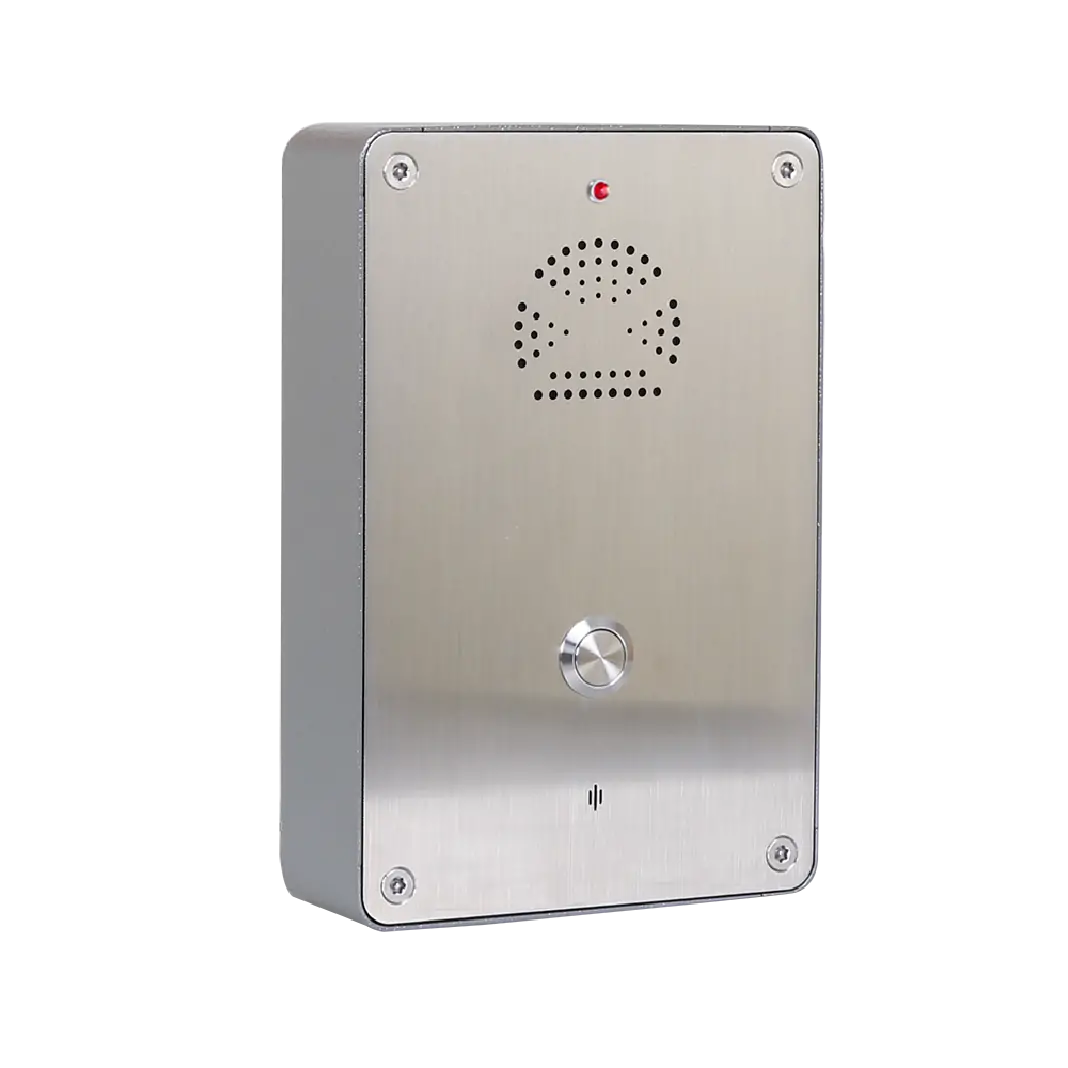
- Emergency intercom terminals for instant two-way communication in hazardous zones
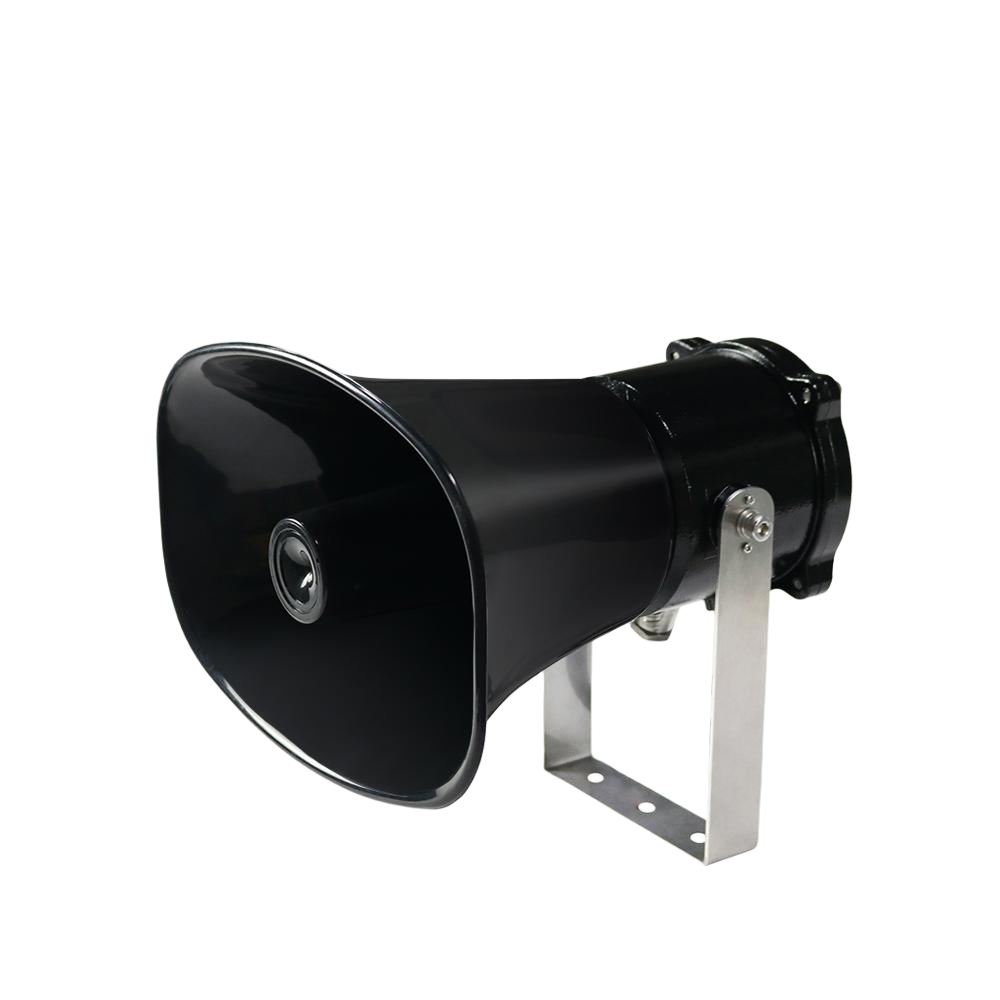
- Public address (PA) systems for mass alert broadcasting
- Industrial telephones (including rugged and explosion-proof models)
- Control room dispatch systems for centralized coordination
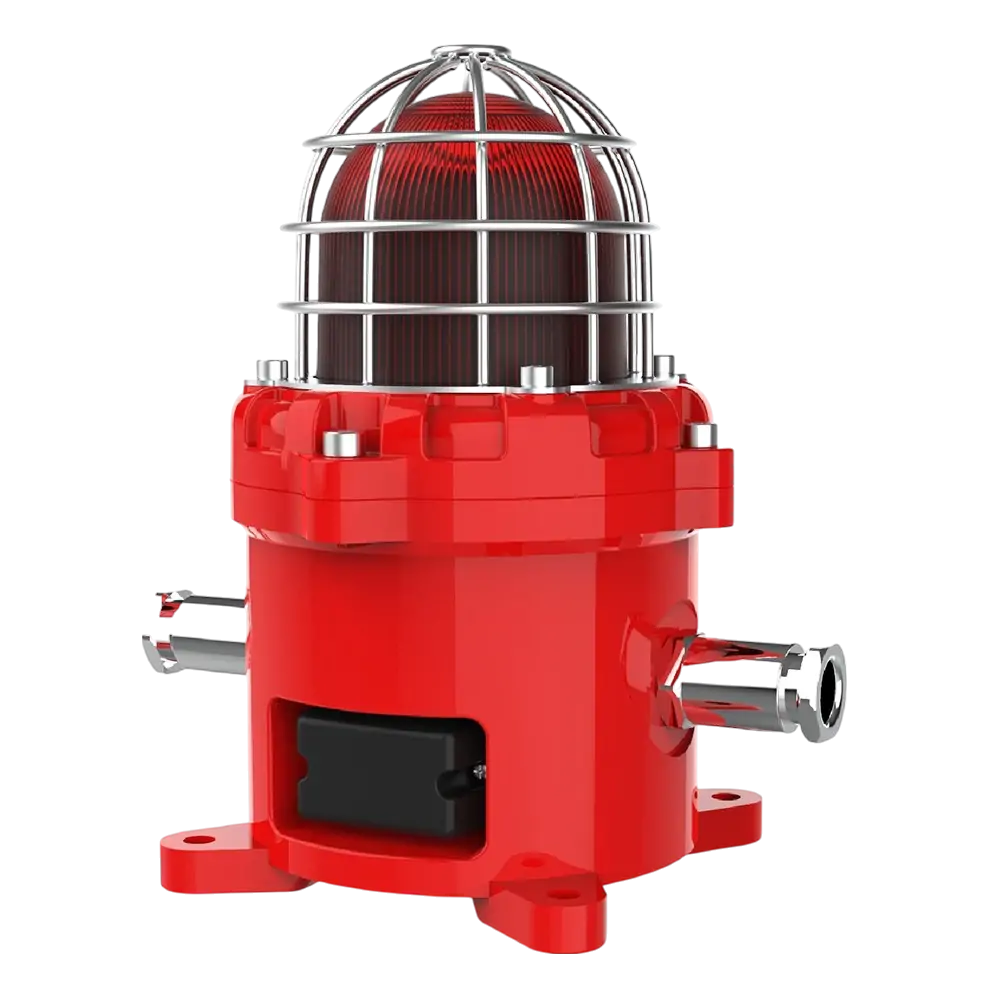
- Visual alert systems (beacons, sirens, digital signage)
- Network infrastructure (fiber, IP, or hybrid systems)
Each component is designed to function independently while remaining part of a unified communication architecture.
Integration Models
Deployment models vary depending on facility size, risk level, and infrastructure maturity:
1. Standalone Systems
Used in smaller facilities where localized emergency communication is sufficient.
2. IP-Based Integrated Systems
Modern plants increasingly adopt IP-based architectures, enabling centralized control, remote diagnostics, and scalable expansion.
3. Hybrid Systems
Combine analog reliability with IP flexibility, commonly used in legacy plant upgrades.
A key trend is convergence with unified communication platforms, where voice, data, and alerting are managed within a single operational layer.
Anchor reference: voip intercom system
Industry Applications
Emergency communication solutions are critical across multiple sectors:
- Mining operations: Underground communication under dust, noise, and connectivity constraints
- Oil & gas / chemical plants: Explosion-risk zones requiring intrinsically safe devices
- Power generation facilities: Fast coordination during grid instability or equipment failure
- Transportation infrastructure (tunnels, rail, metro): High-noise environments requiring clear voice transmission
- Industrial manufacturing plants: Worker safety and production continuity
Each environment imposes unique constraints, particularly in terms of durability, latency, and signal reliability.
Redundancy & Failover
Reliability is the core design principle of any emergency communication architecture.
Key redundancy mechanisms include:
- Dual-network architecture (fiber + copper or IP + analog fallback)
- Battery-backed power systems (UPS integration)
- Automatic failover routing between control centers
- Ring topology network design to prevent single-point failure
- Local mode operation for decentralized communication during network outage
These mechanisms ensure that communication remains operational even during catastrophic infrastructure failure.
Case Studies
Case 1: Mining Site Emergency Alert System Upgrade
A large underground mining facility deployed an integrated emergency communication network combining rugged intercoms and PA systems. Result: reduced emergency response time and improved evacuation coordination.
Case 2: Chemical Plant Explosion-Proof Communication Deployment
A petrochemical facility implemented explosion-proof communication terminals across Zone 1 and Zone 2 areas. The system maintained full functionality during simulated gas leak scenarios.
Case 3: Power Plant Control Room Integration
A thermal power station integrated VoIP-based dispatch systems with legacy analog infrastructure, achieving seamless communication between field operators and control rooms.
Conclusion
Emergency communication solutions are essential infrastructure for any high-risk industrial environment. As operations become more automated and geographically distributed, the demand for resilient, integrated, and redundant communication systems continues to grow.
Organizations that invest in robust communication architectures significantly reduce operational risk while improving response efficiency and worker safety.


 Prisons & Correctional Facilities
 Transportation & Underground Infrastructure
 Critical Industrial & Energy Facilities
 Marine & Offshore
 Manufacturing Plant & Public Facilities