Accidents frequently can occur at any time. Whether it's a traffic accident in a tunnel, a fire in a factory, a medical emergency in a hospital, or a security issue on a highway, the need for quick and accurate communication is paramount. Having the ability to easily reach emergency personnel and get clear guidance can help organizations respond quickly and minimize risk.
That's why emergency communication systems are a priority for a lot of industries. They range from emergency telephones, intercom systems, dispatching platforms, emergency broadcasting systems, mobile communications systems, and more. Understanding the different types of emergency communication systems helps organizations choose the right technology for their environment and safety requirements.
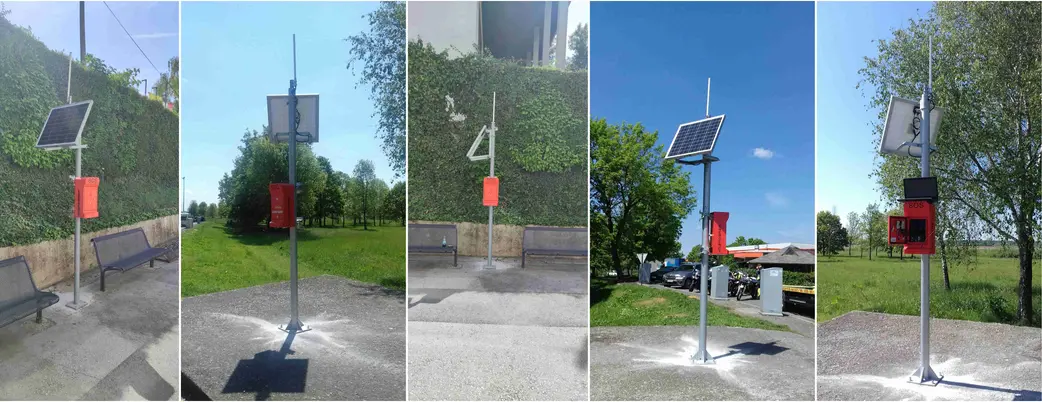
Types of Emergency Communication Systems: Overview of System Types
There are a number of different systems of emergency communication, but they all have the same goal: to help people communicate in a crisis. But not all systems function the same. Some have a direct voice to voice communication capability, others send out alerts, notifications or emergency instructions to large groups of people. Intercom systems, paging systems and mobile communication devices can all be integrated with a hospital to aid in emergency response.
The most common types of emergency communication systems include:
- Emergency telephone systems
- Emergency intercom systems
- Mobile communication devices
- Portable radios
- Emergency broadcast systems
- Mass notification systems
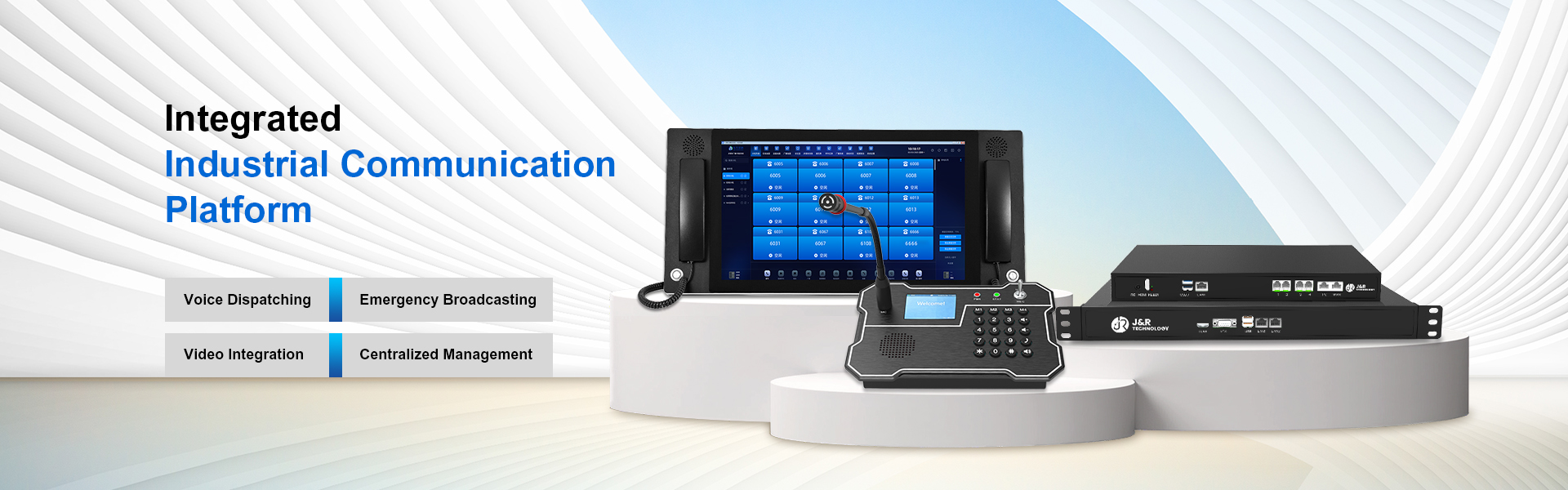
- Dispatching platforms
- Public alert systems
Organizations often deploy multiple systems together to create a complete emergency communication solution.
Types of Emergency Communication Systems: Fixed Station Solutions
Fixed communication equipment remains one of the most important types of emergency communication systems. These devices stay installed in permanent locations and provide immediate access to emergency assistance whenever needed.

Emergency Telephone Systems
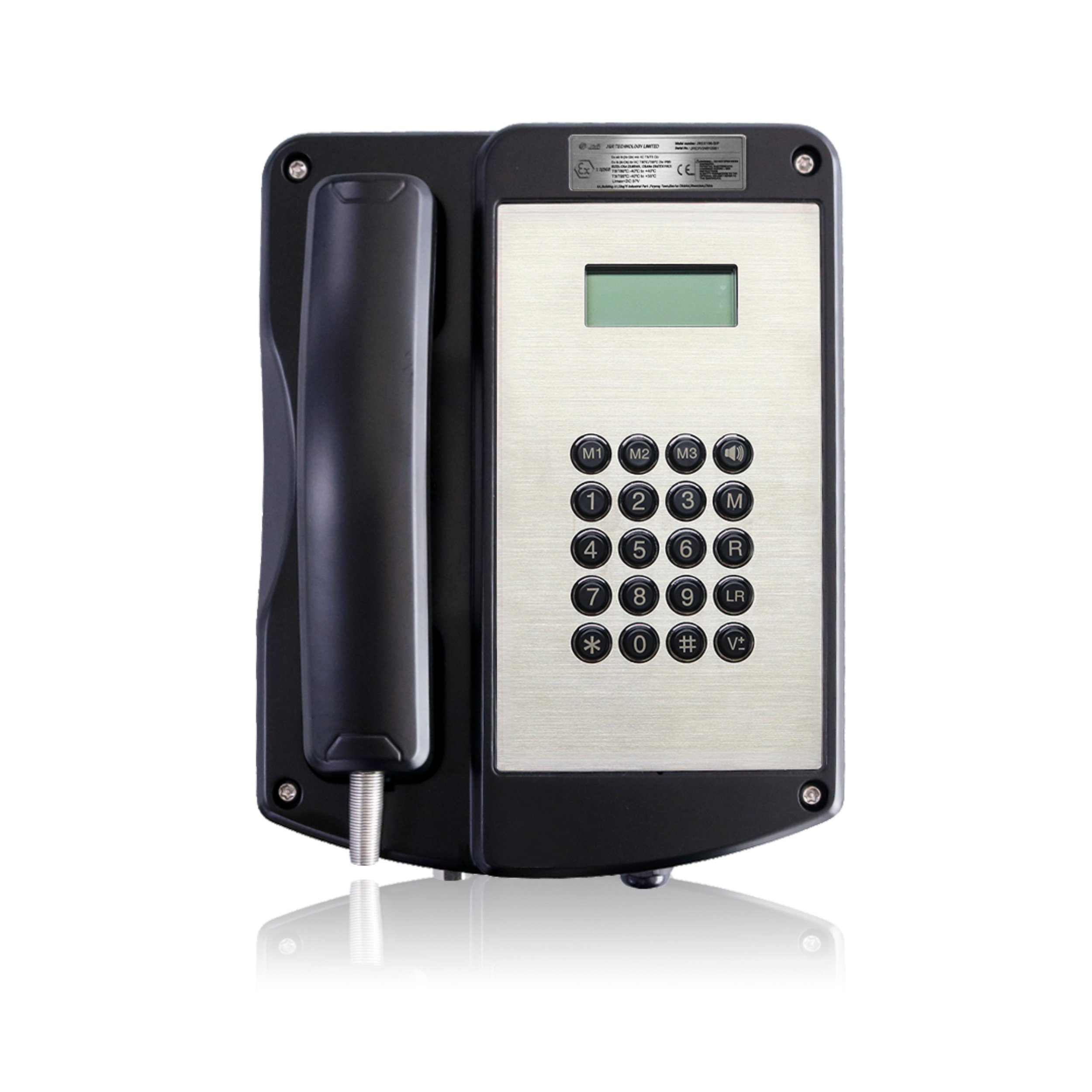
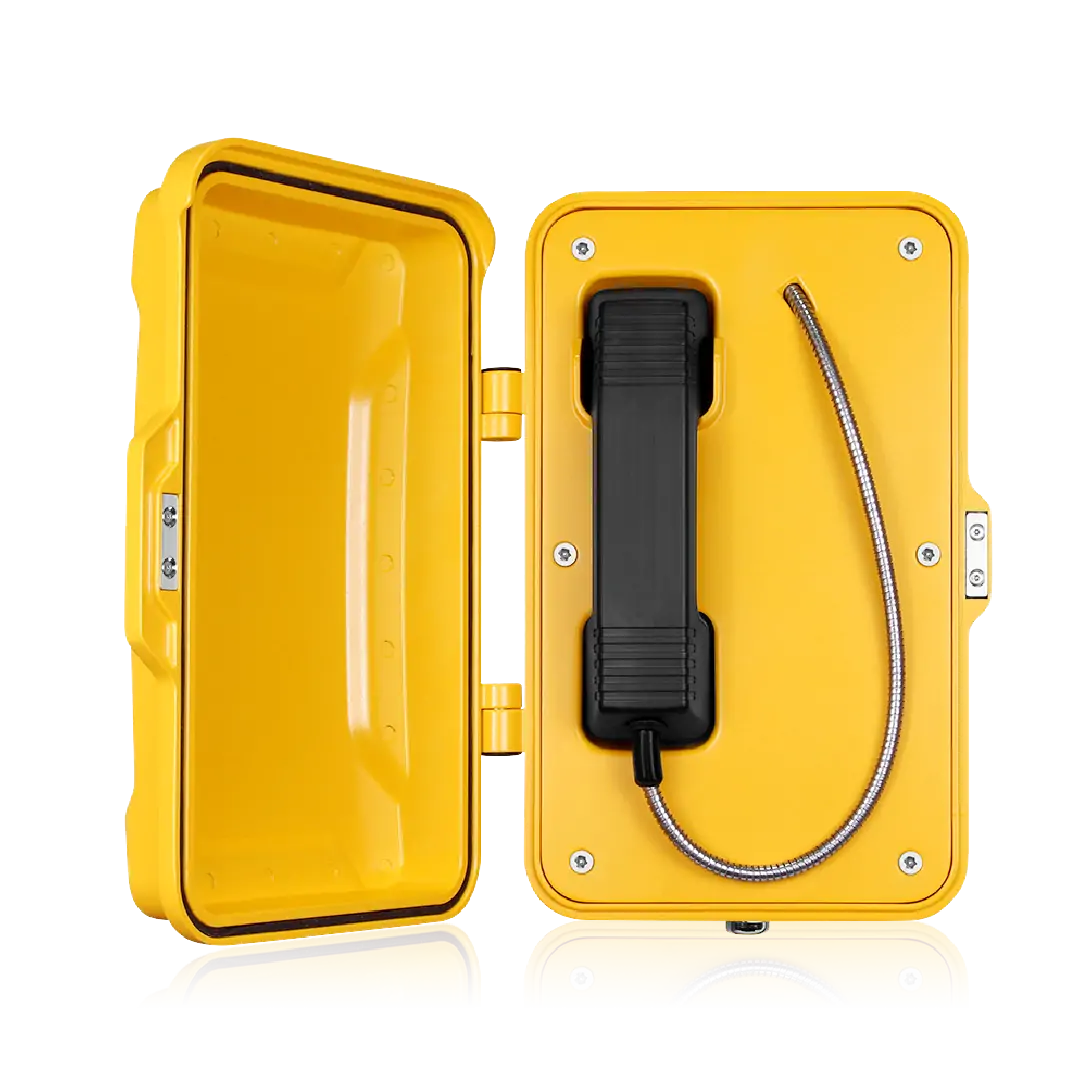
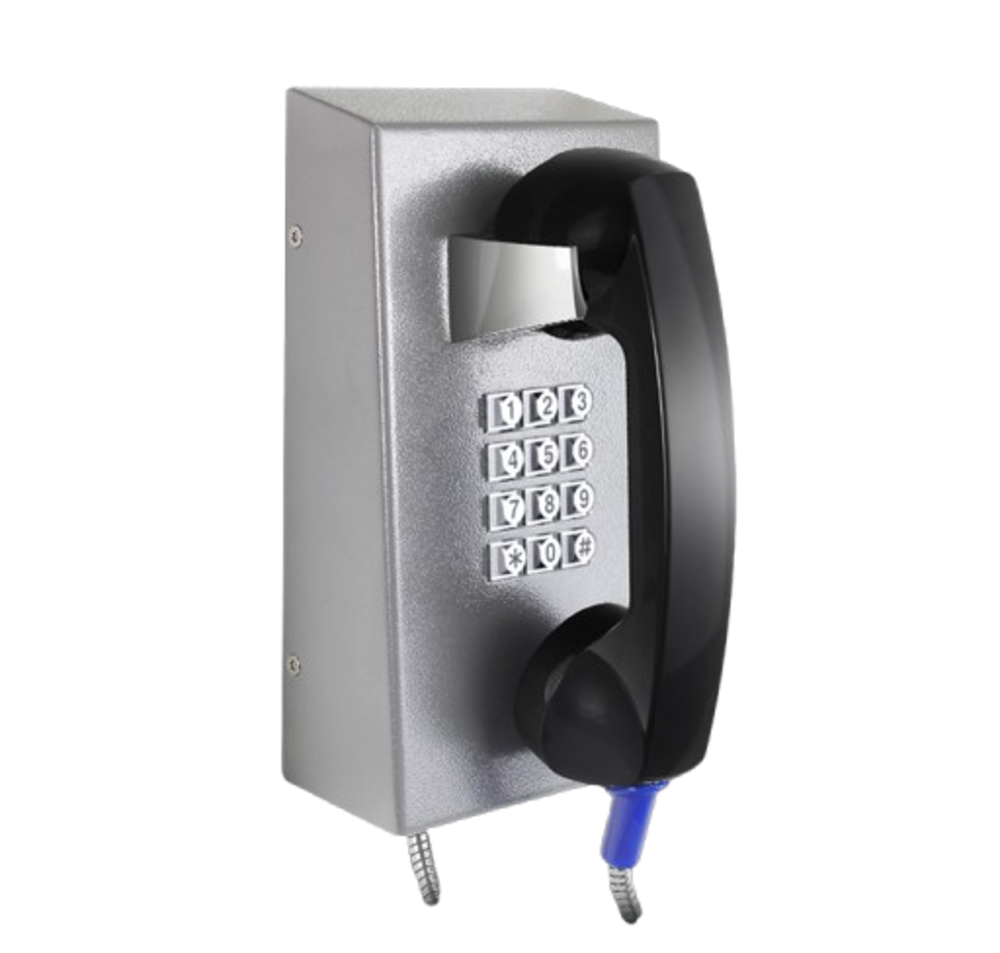
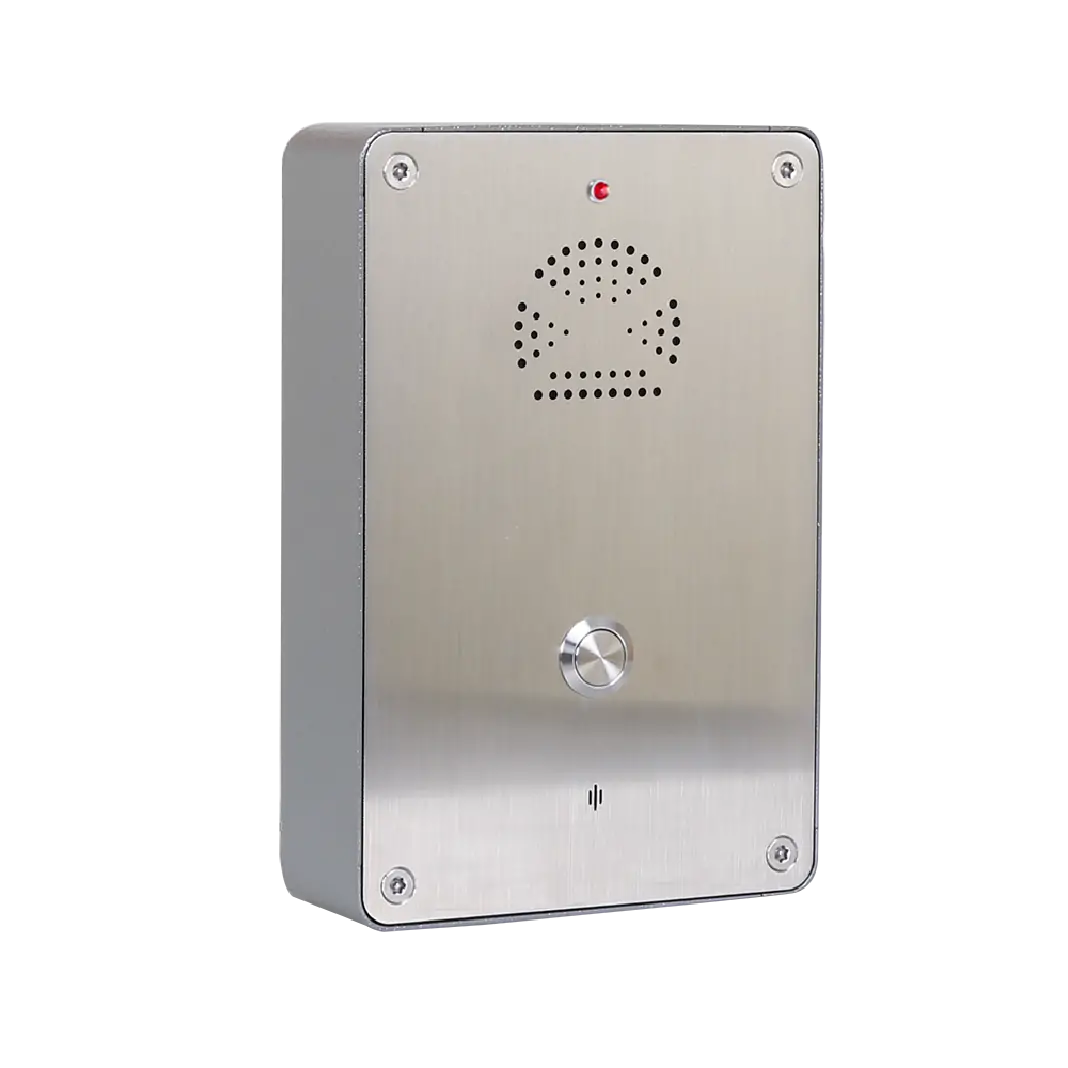
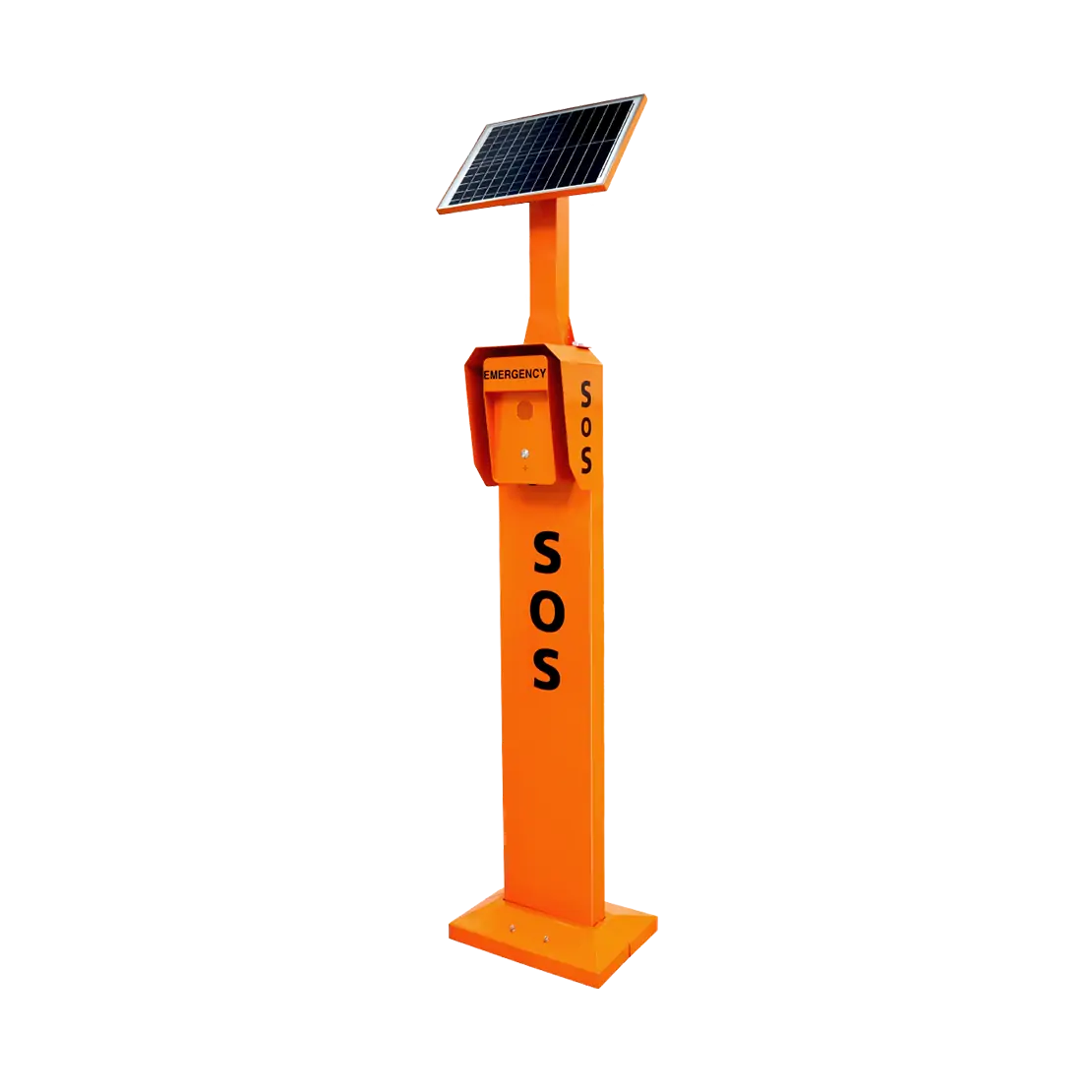
Emergency telephones allow for a direct link between the user and control centers. They are frequently used in tunnels, on highways, railways, airports, industrial plants, and in public transport stations. On an occurrence, an operator may be contacted directly by the users and they can state their location and situation. A feature that many organizations select is emergency communication systems with weather resistant emergency telephones as they offer reliable communication in both indoor and outdoor environments.
Emergency Intercom Systems
Emergency intercoms are a system that allows two-way voice communication between the field personnel and the monitoring center. These systems enable operators to immediately reach out to people who require help.
Intercom systems are widely used in:
- Hospitals
- Schools
- Factories
- Parking facilities
- Transportation hubs
- Commercial buildings
Many modern intercom solutions support hands-free communication, allowing users to speak quickly without complicated operation.
Fixed Communication Systems for Tunnels and Highways
Reliable communication is an important factor in transportation safety in tunneled structures. Traditional communication systems are often not feasible in tunnels, requiring dedicated systems to ensure access during emergencies.
Communication in tunnels typically includes:
- Emergency telephones
- Intercom stations
- Emergency loudspeakers
- Dispatching platforms
- Monitoring systems
These systems help operators communicate with motorists, coordinate emergency responders, and manage evacuation procedures. Similarly, highways use fixed communication stations to support roadside emergency response. Highway operators often connect these systems to centralized emergency communication systems for continuous monitoring and management.
Fixed Systems for Industrial Facilities and Hospitals
Industrial communication networks play a crucial role in the safety and awareness of all workers in industrial plants. These industrial communication networks provide interconnection between emergency telephones, intercom stations, alarm systems and control rooms across the facility. Fixed communication infrastructure is also used in hospitals. Emergency call stations, nurse communication systems and intercom networks ensure fast responses to medical emergencies and enable interdepartmental communication.
Types of Emergency Communication Systems: Mobile & Portable Devices
Fixed systems offer a solid communication base while mobile and portable systems are flexible. These technologies enable employees to remain connected as they transit within a facility or go to a site to address an incident.

Two-Way Radios
Two-way radios are still one of the most popular forms of emergency communication system. Radio is used by emergency responders, security personnel, maintenance staff, and industrial workers as it offers a way to communicate without the use of public networks.
Radio systems support:
- Group communication
- Direct communication
- Wide-area coverage
- Fast response coordination
Many organizations integrate radio networks with their emergency communication systems to improve communication between field teams and dispatch centers.
Mobile Communication Devices
Smartphones and rugged communication devices have become valuable emergency response tools.
Modern mobile devices support:
- Voice communication
- Emergency alerts
- GPS tracking
- Incident reporting
- Multimedia communication
When connected to centralized emergency communication systems, mobile devices help responders share information quickly and accurately.
Portable Emergency Communication Equipment
Portable communication equipment provides temporary communication capabilities during emergencies, maintenance projects, and public events.
Examples include:
- Portable radios
- Mobile command terminals
- Portable intercom units
- Temporary public address systems
These devices help emergency teams maintain communication when permanent infrastructure is unavailable or damaged.
Benefits of Mobile Emergency Communication Solutions
There are a number of benefits to mobile communication solutions. They provide flexibility in operations, field support and enable communications from almost anywhere. Mobile devices may be attached to industrial communication networks at large industrial facilities to maintain continuous communication throughout the facility. In the same way, teams responsible for emergency communications in tunnels often use mobile devices in conjunction with fixed communication systems to aid rescue and maintenance work.
Types of Emergency Communication Systems: Broadcast & Alert Methods
Broadcast and alert technologies are used to communicate with large groups of people in the event of an emergency. These systems provide critical instructions within a short period of time and in a steady manner.

Emergency Broadcast Systems
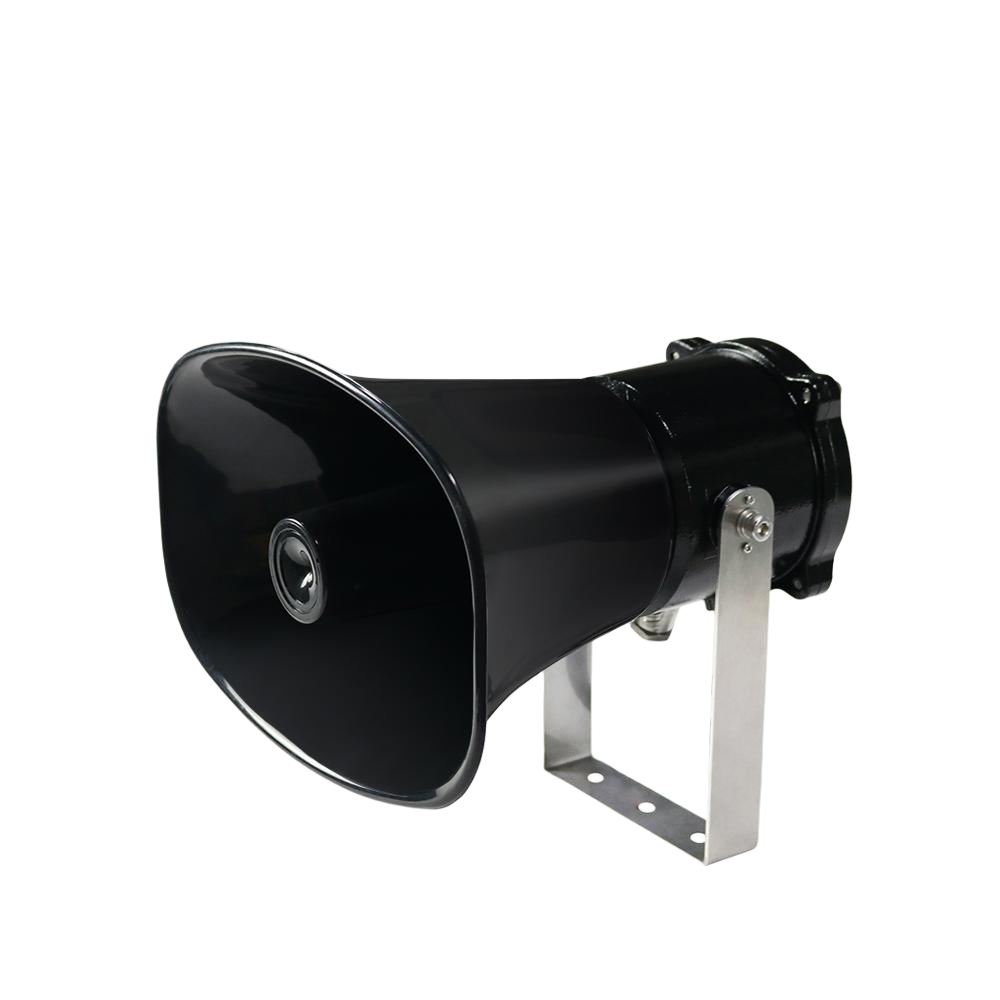
Emergency broadcast systems use speakers and public address equipment to distribute voice messages throughout a facility or public area.
These systems are commonly installed in:
- Tunnels
- Hospitals
- Airports
- Factories
- Railway stations
- Highway infrastructure
For communication in tunnels, emergency broadcasts help operators provide evacuation instructions and traffic guidance during incidents. Emergency communication systems that include broadcast capabilities allow organizations to reach many people simultaneously during critical situations.
Mass Notification Systems
Mass notification systems send emergency alerts through multiple communication channels.
Common notification methods include:
- SMS messages
- Mobile applications
- Email alerts
- Voice notifications
- Desktop alerts
These systems help organizations distribute emergency information rapidly and efficiently.
Visual Alert Systems
Visual alerts support people who may not hear voice announcements. Many facilities combine visual and audio alerts to improve communication effectiveness.
Common visual alert solutions include:
- LED message boards
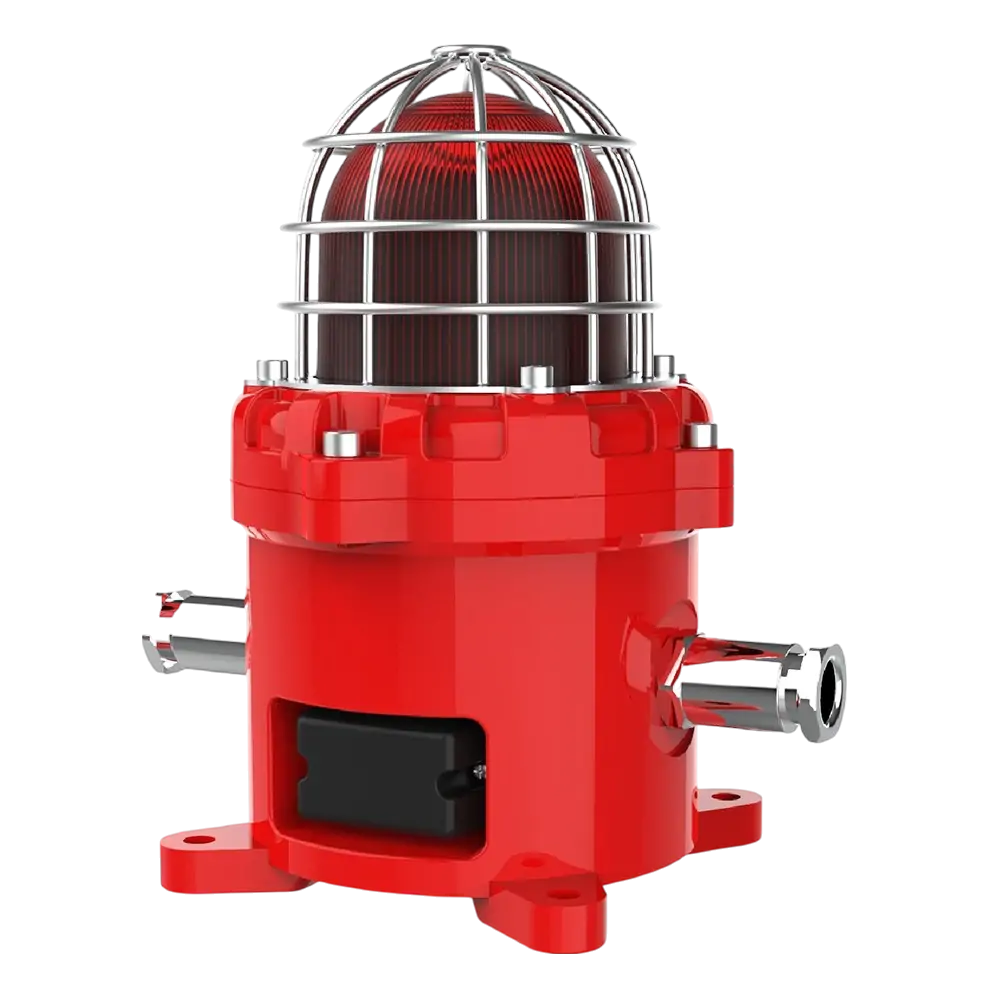
- Flashing warning lights
- Emergency display screens
- Digital signage systems
Visual alerts are particularly useful in noisy industrial environments where industrial communication networks support multiple safety systems.
Emergency Dispatching Platforms
Dispatching platforms act as the command center for many emergency communication systems.
Operators use dispatch platforms to:
- Receive emergency calls
- Monitor field devices
- Manage incidents
- Coordinate emergency teams
- Record communication activity
Modern dispatch solutions integrate emergency telephones, intercoms, radio systems, and emergency broadcasts into a single management platform.
Types of Emergency Communication Systems: Selection Criteria
It's important to plan the choice of types of emergency communication systems. The threat levels and communications needs of different industries vary.
Assess Environmental Requirements
System design and equipment selection are affected by the operating environment.
For example:
- Specialized emergency telephones and intercom systems are needed for communication in tunnels.
- Hospitals need to have the continuous communication between the various departments.
- For industrial facilities, strong industrial communication networks are needed that can serve a large area of operation.
Prior to purchasing communication equipment, organizations should consider their environment.
Reliability and Availability
Emergency communication systems should not be shut down during a critical event.
Reliable systems often include:
- Backup power supplies
- Redundant communication paths
- Durable hardware
- Continuous monitoring capabilities
High system availability helps organizations maintain communication when it matters most.
Integration with Existing Infrastructure
Many organizations already operate security and monitoring systems. New communication solutions should integrate with existing infrastructure whenever possible.
Common integration points include:
- CCTV systems
- Fire alarm systems
- Access control systems
- Radio networks
- Dispatch platforms
Integration improves operational efficiency and simplifies emergency management.
Scalability
Communication needs may change over time. One of the most critical aspects of system selection is the ability to add more systems later without having to replace the entire system. Emergency communication devices that are scalable enable the addition of more devices, locations, and users when operational requirements shift.
Compliance and Safety Requirements
Collaborates to make sure communication solutions comply with industry regulations and applicable safety standards. Compliance will enhance system reliability and also fulfil legal and operational requirements.
Conclusion
There are various types of emergency communication systems that can aid in maintaining communication in case of an emergency and enhance public safety. Fixed station solutions, including emergency telephones and intercoms offer reliable communications locations and mobile solutions and portable equipment enable field operations. Emergency broadcast systems, visual alerts, and dispatch systems also enhance emergency response. When it comes to emergency communication systems, it's important for organizations to carefully consider factors such as their operational requirements, environmental conditions, and safety needs in order to choose a system that will be able to get the job done when it matters most.

 Prisons & Correctional Facilities
 Transportation & Underground Infrastructure
 Critical Industrial & Energy Facilities
 Marine & Offshore
 Manufacturing Plant & Public Facilities