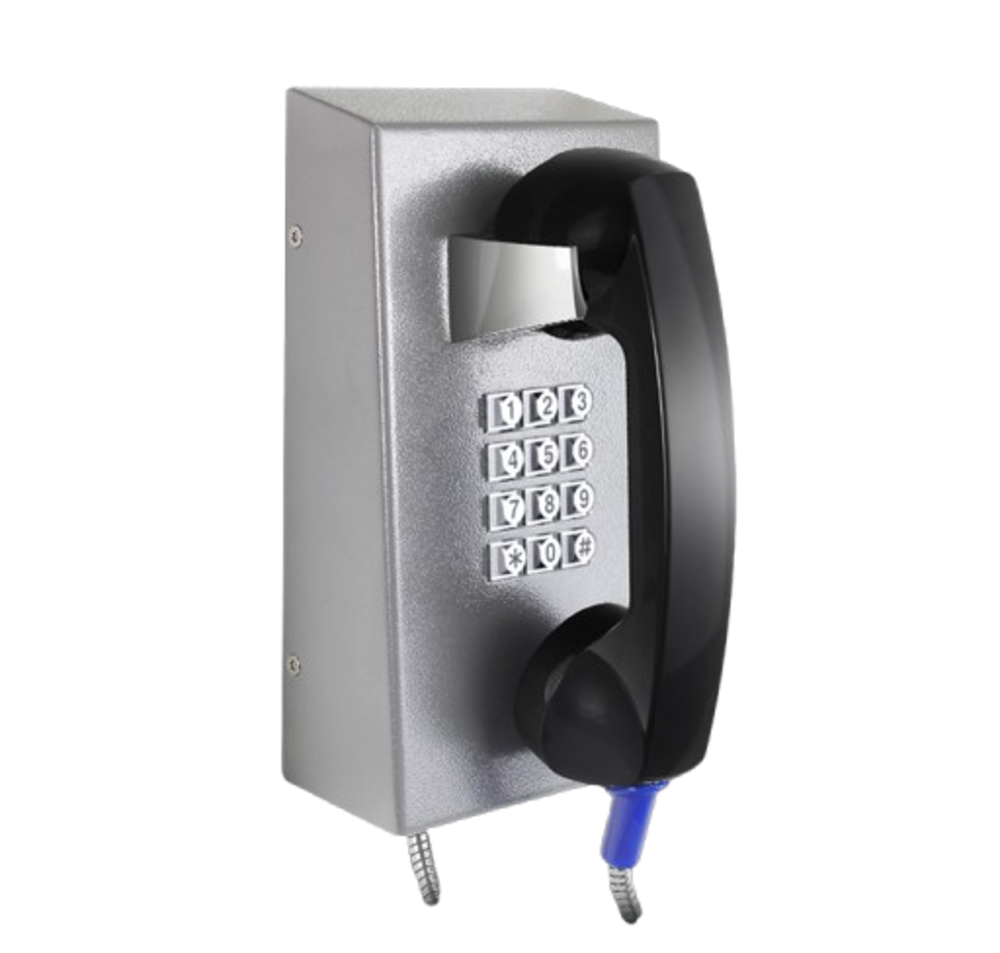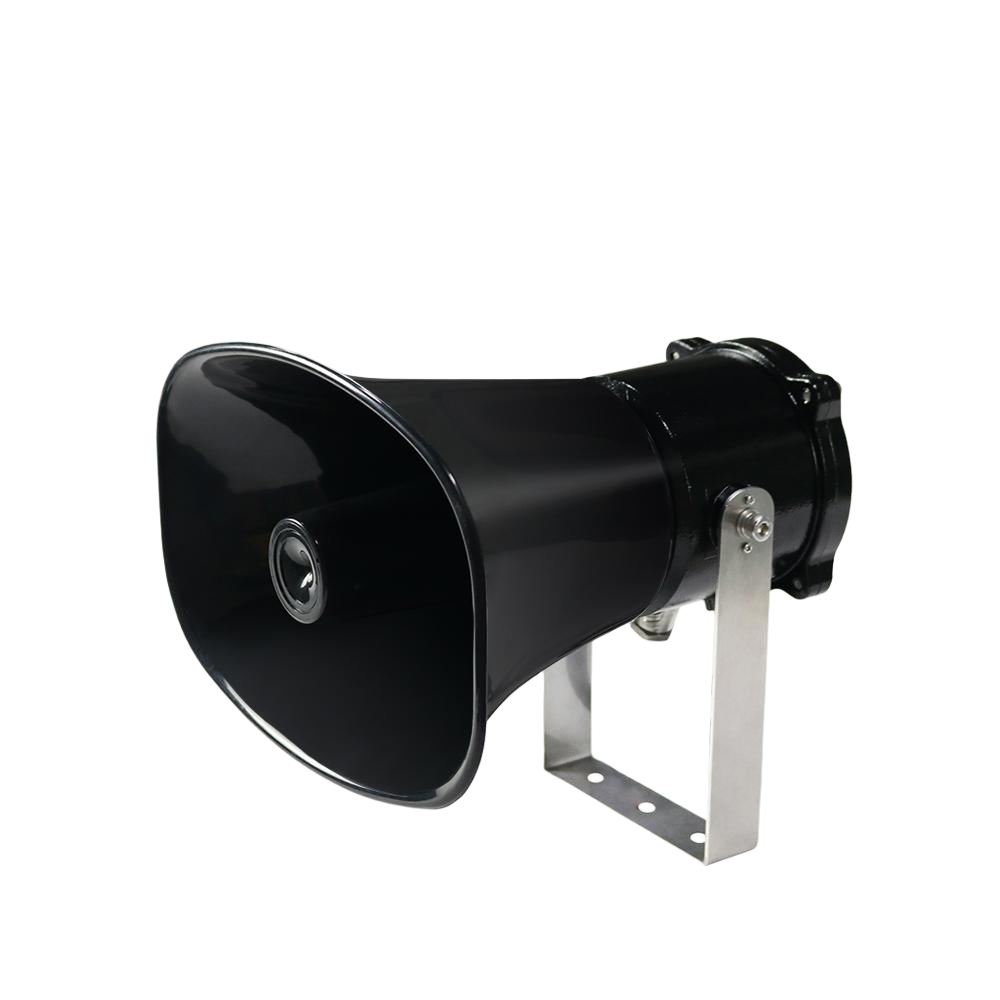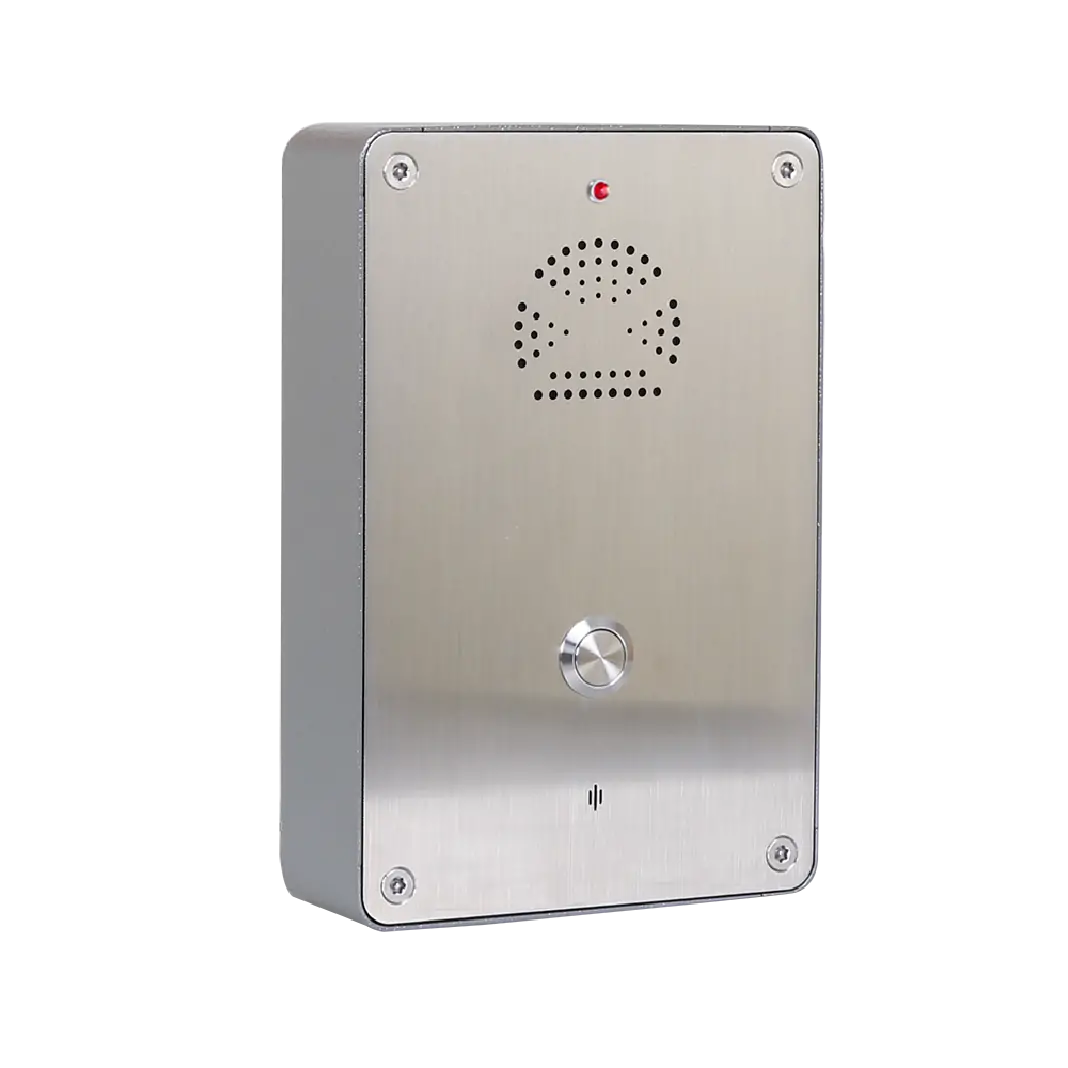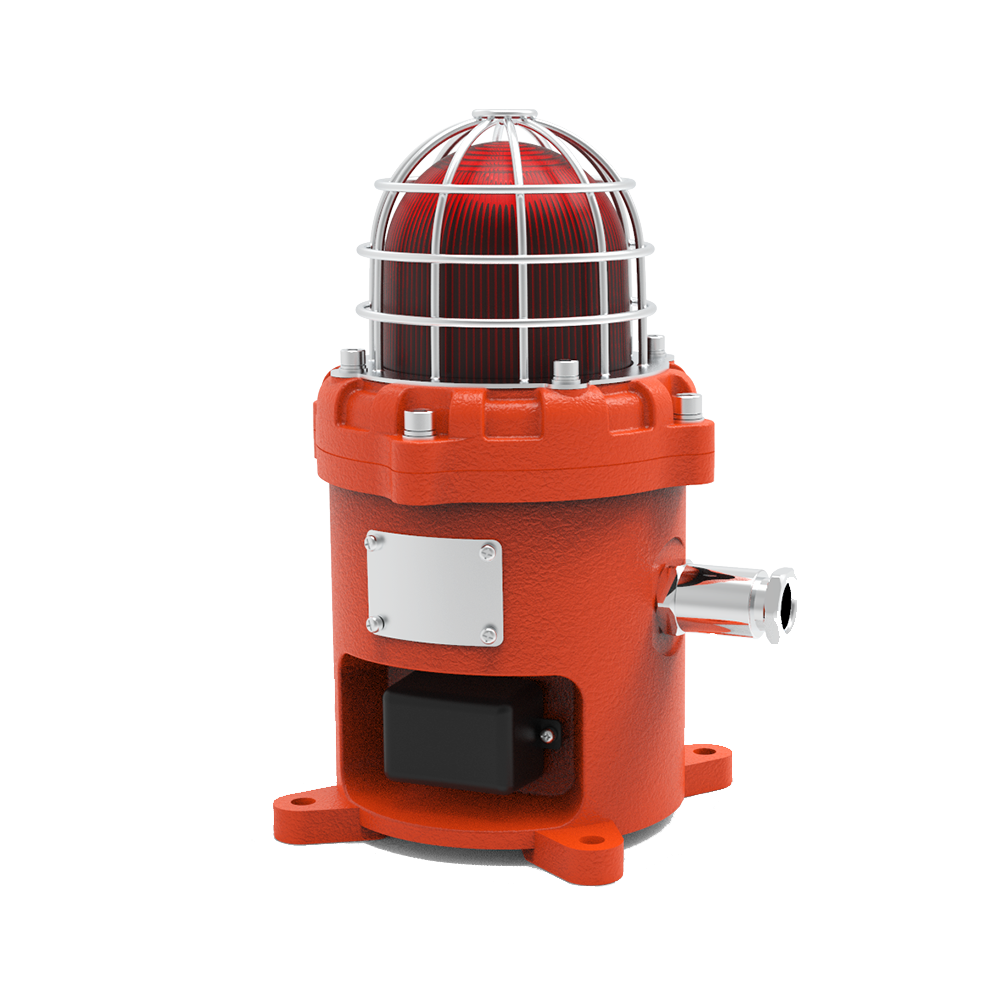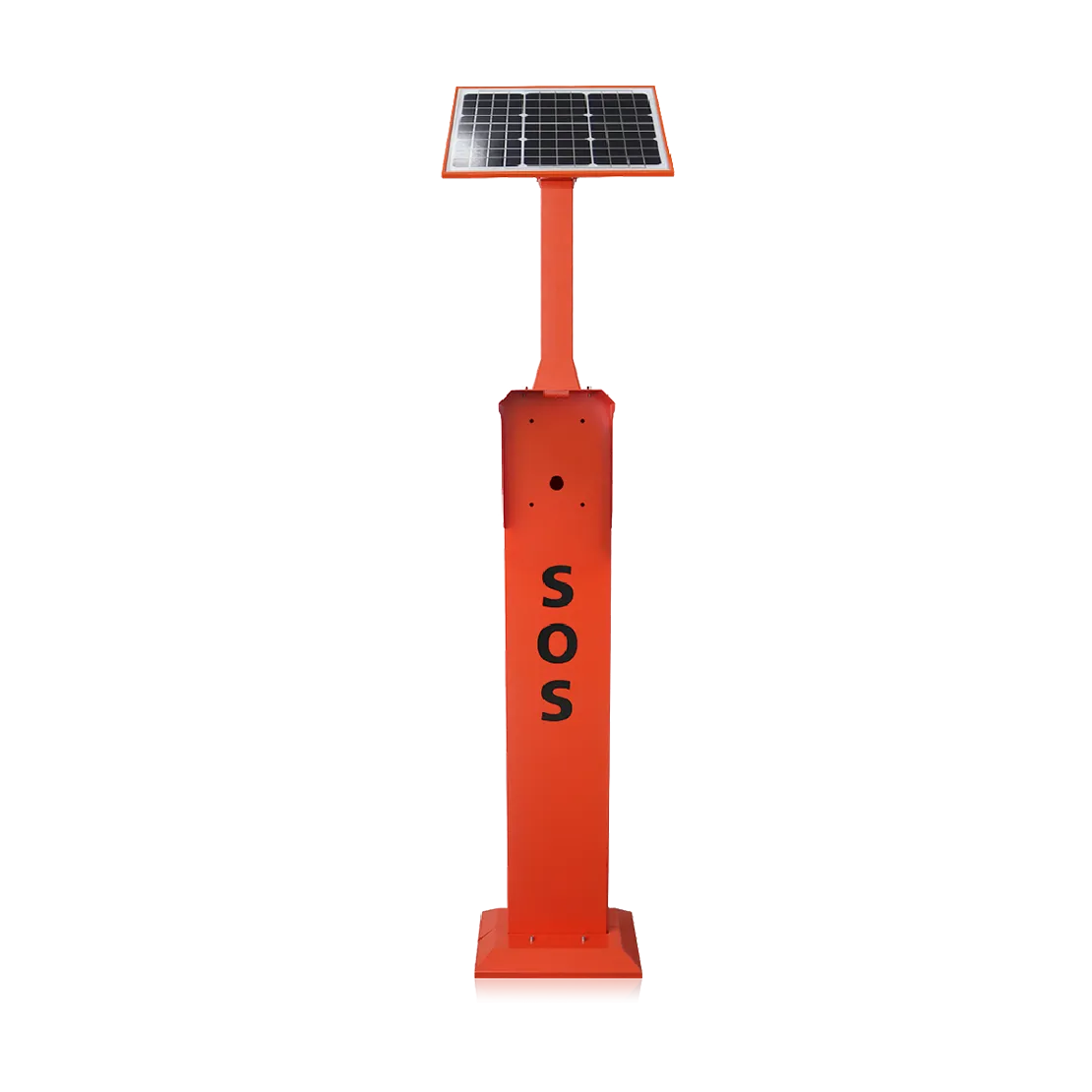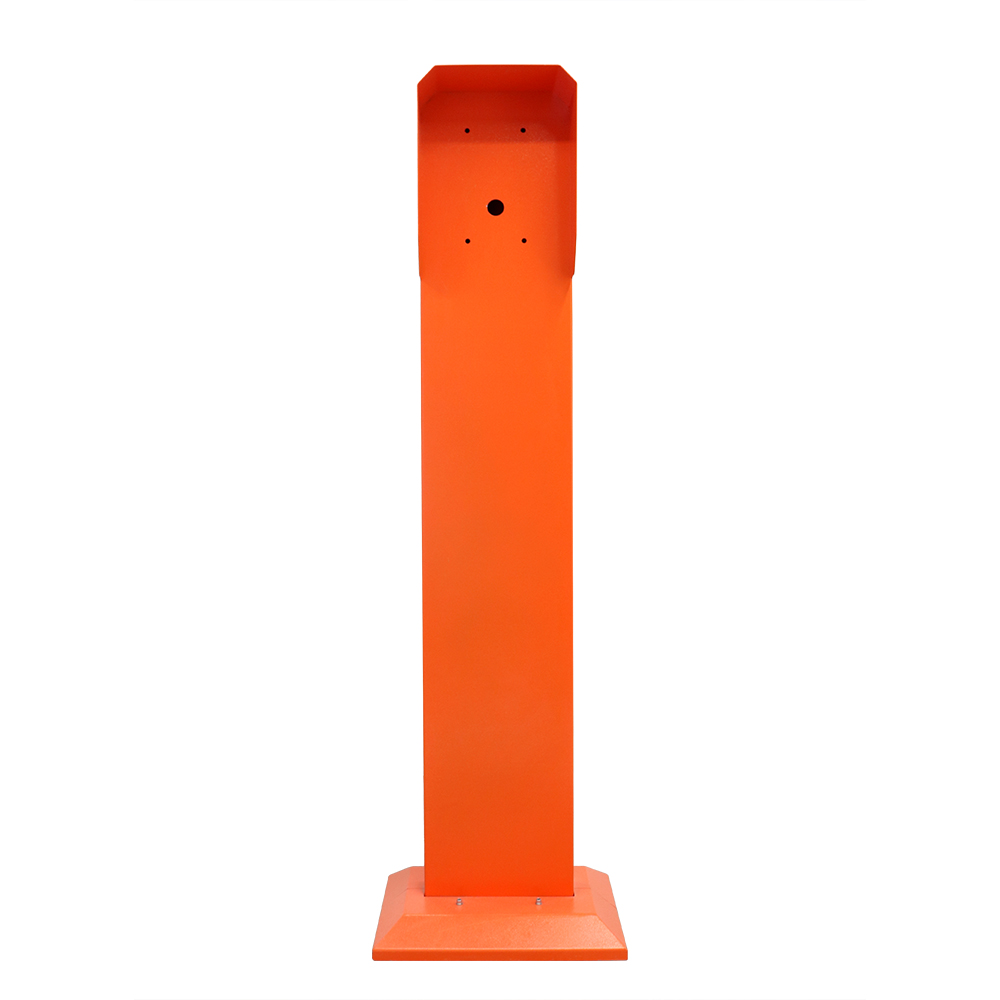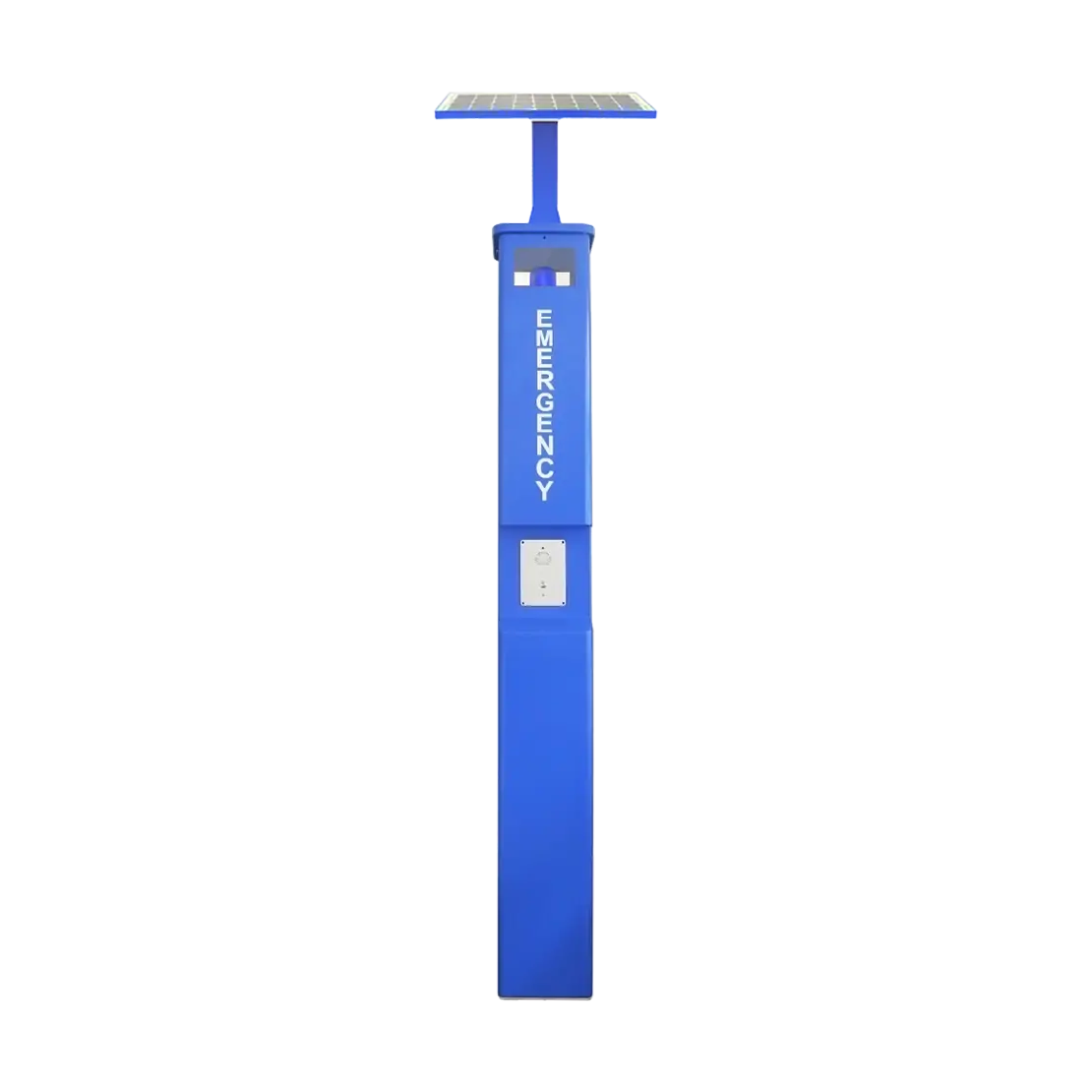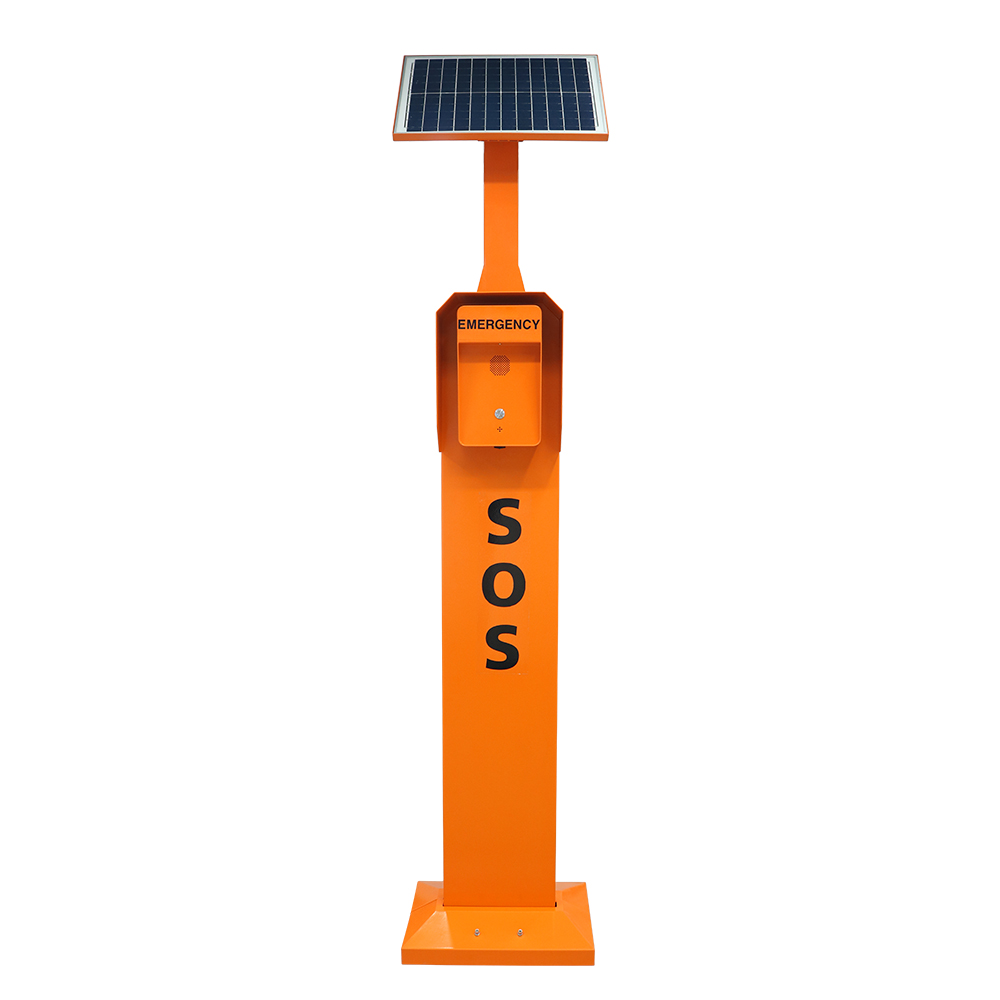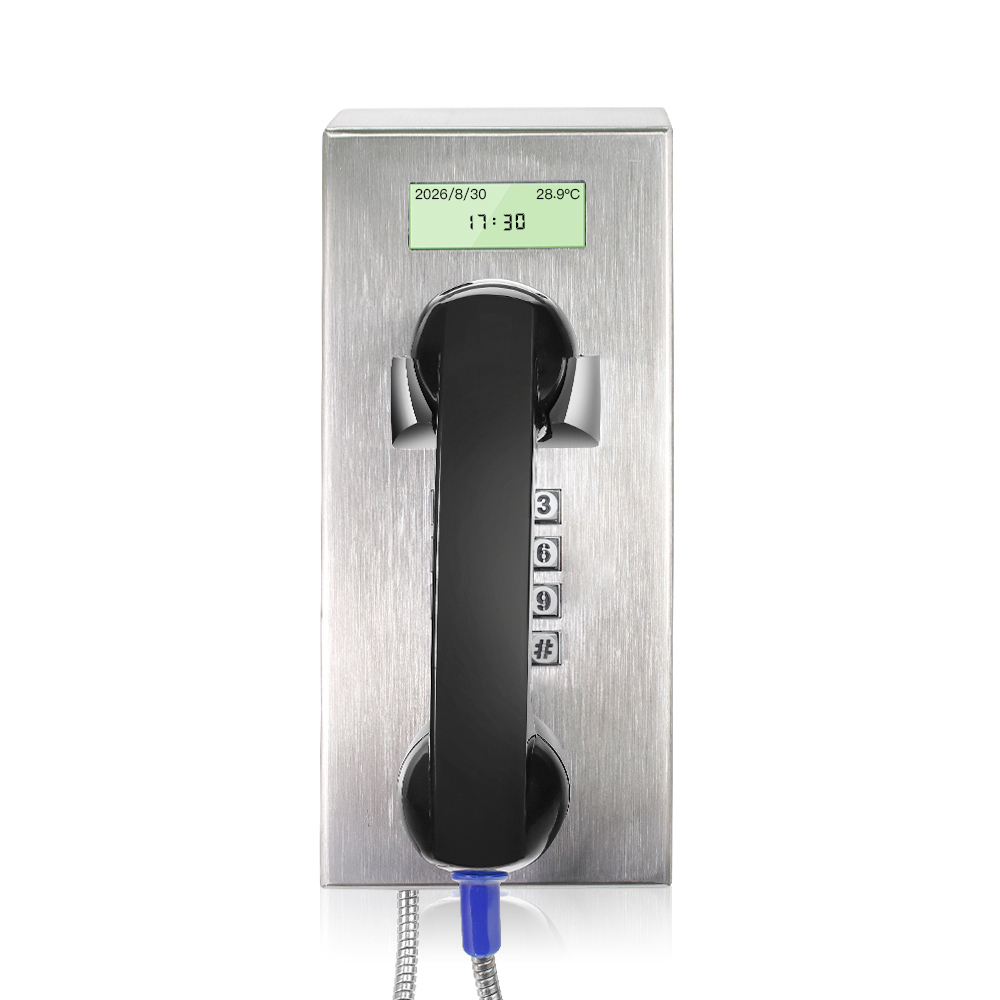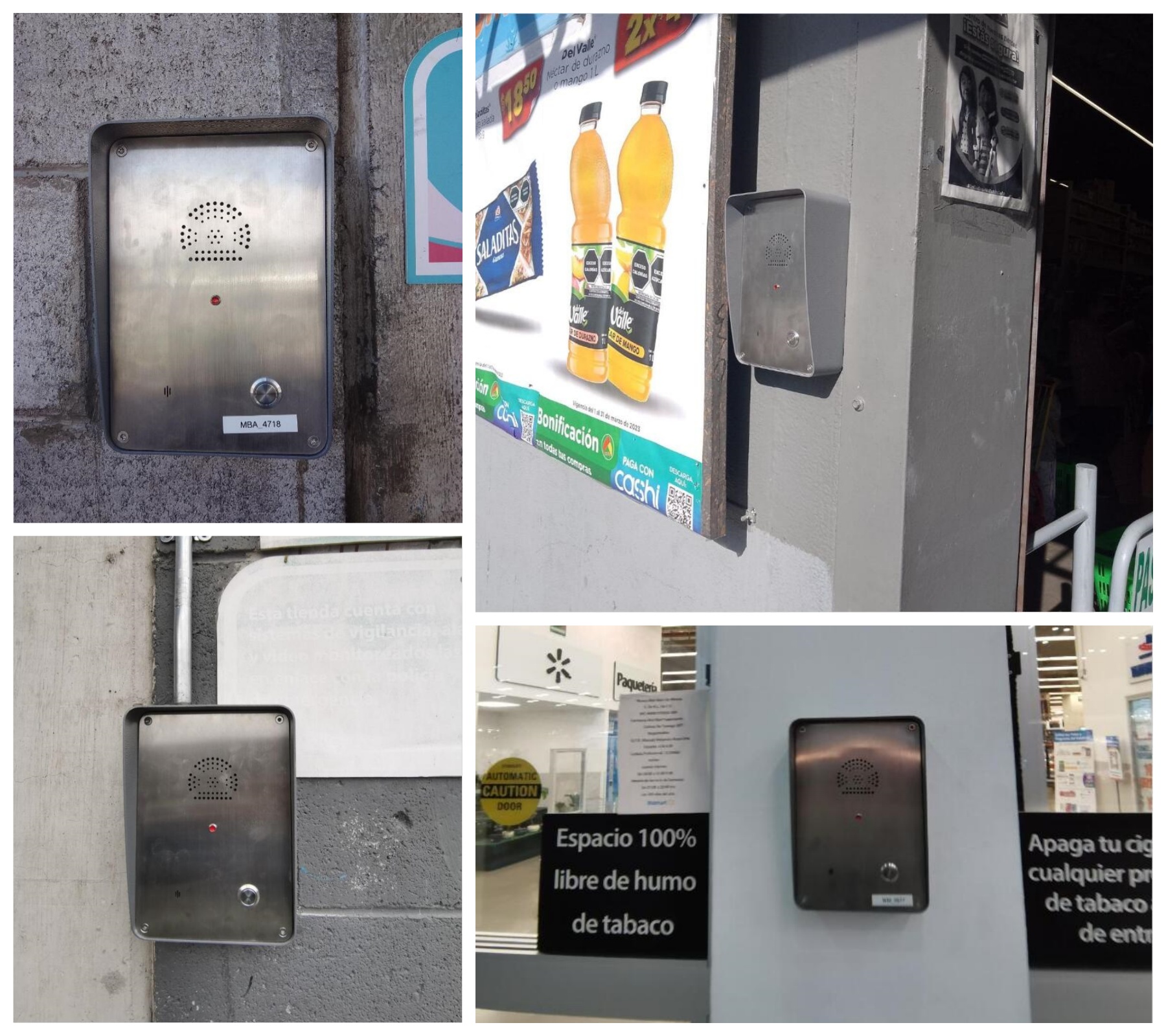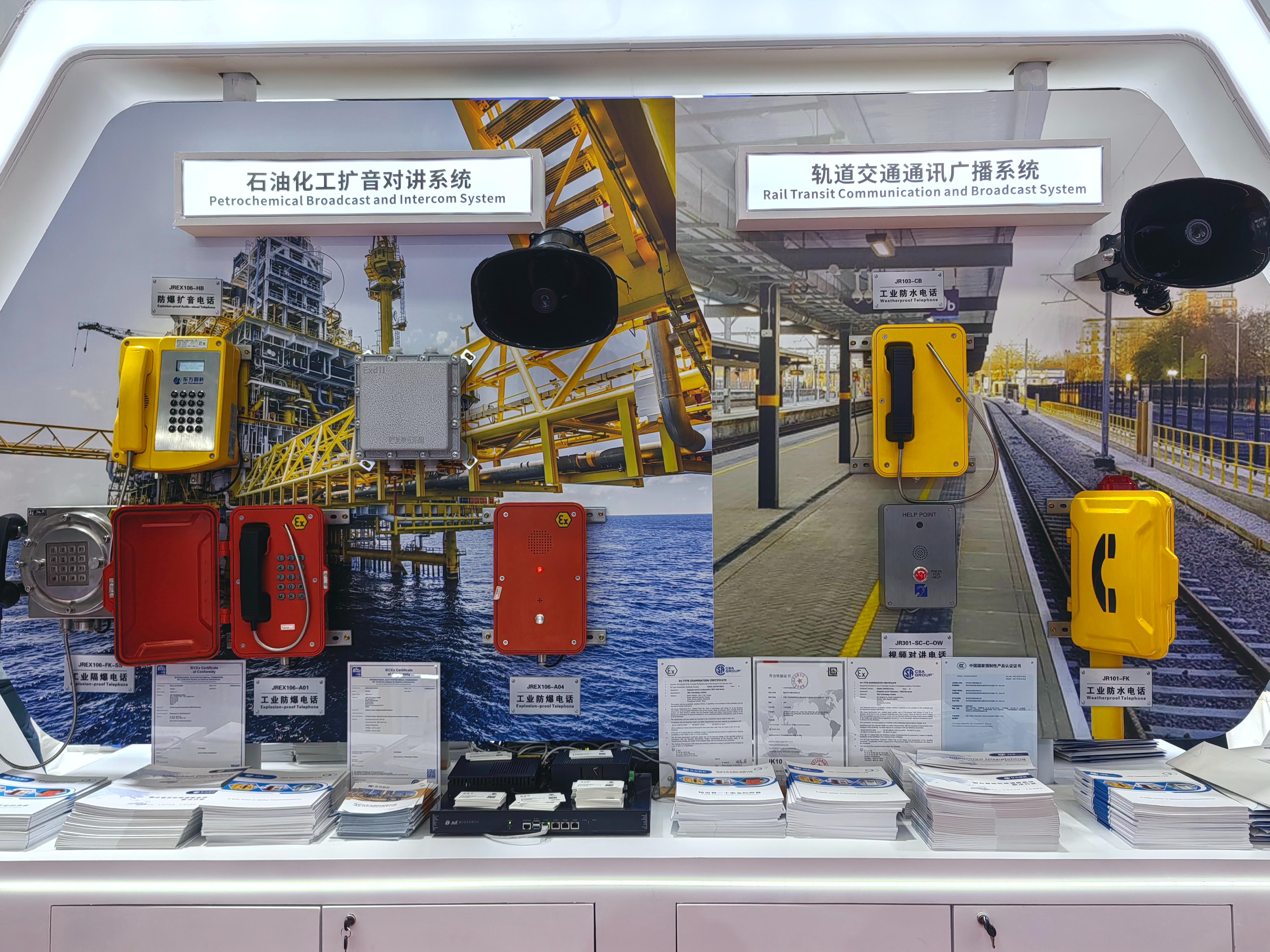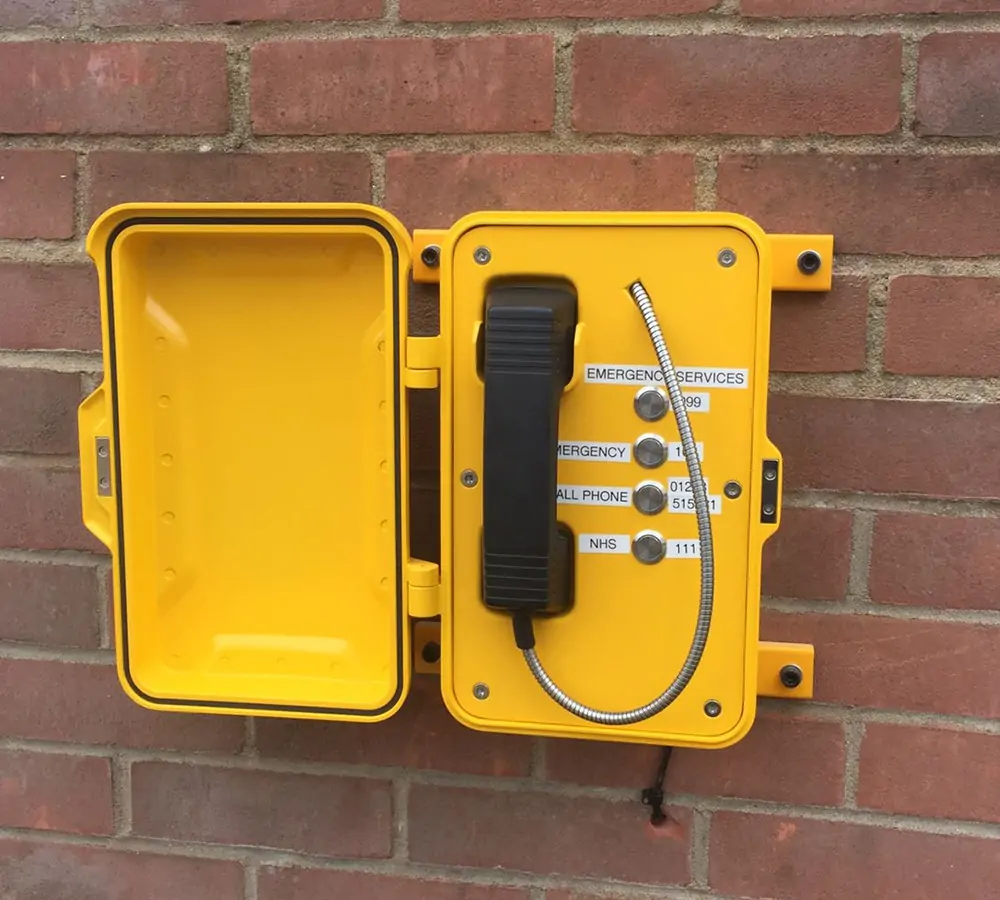

Urbanization increases the need for efficient emergency response; an IP-based three-tier network enables unified command, real-time audio/video, and coordinated multi-department control for public safety.

With the acceleration of urbanization, the efficiency of response to sudden public emergencies directly impacts the safety of citizens' lives. Traditional communication systems suffer from coverage blind spots and obstacles in multi-department collaboration, creating an urgent need to build an IP-based intelligent emergency communication platform. This solution employs a three-tier urban network architecture to achieve cross-regional unified command and dispatch, providing a smart nerve center that ensures clear audio, real-time video, and effective control for scenarios such as firefighting, security, and traffic management.
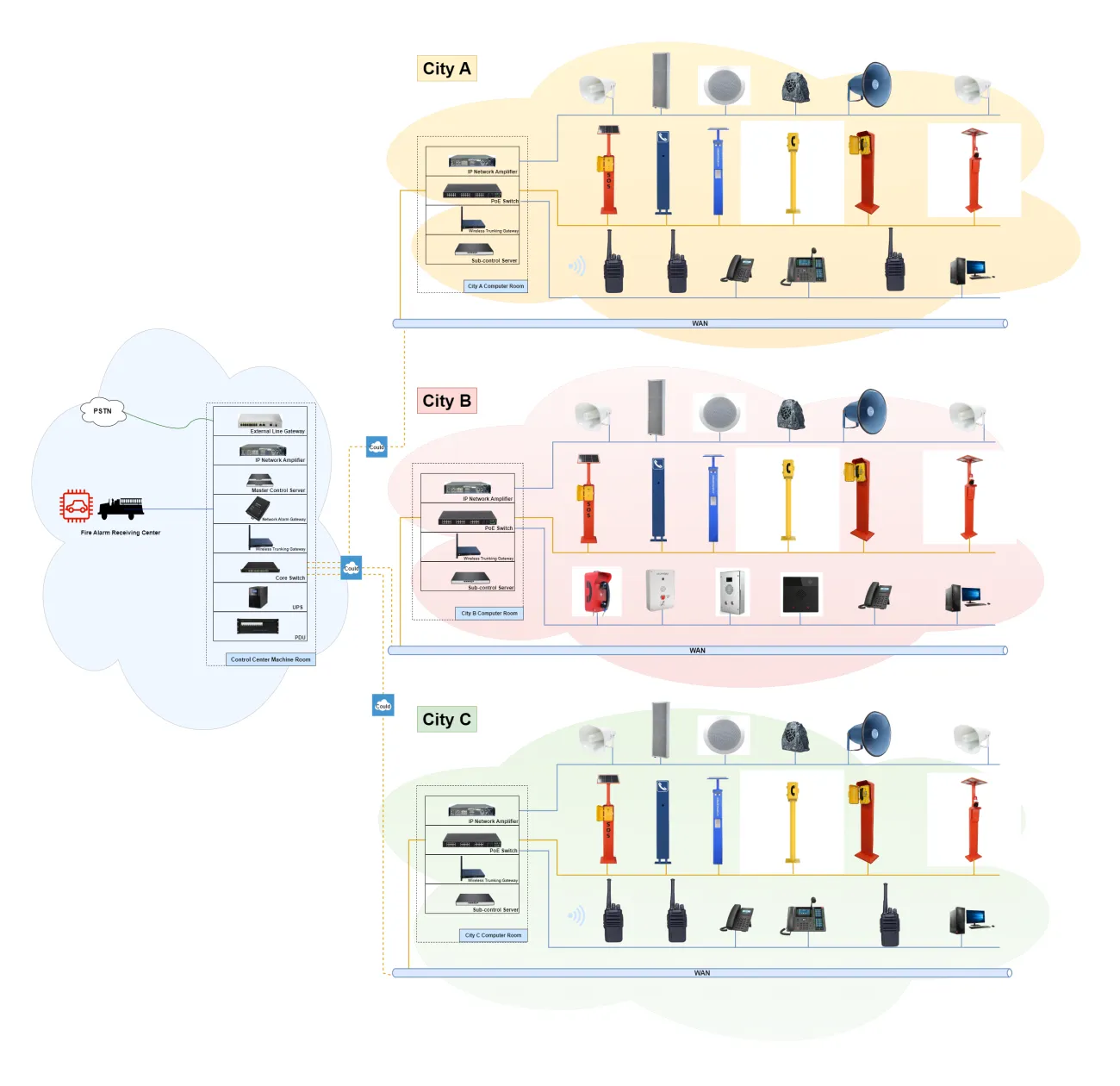
The system must cover three major city areas (City A, B, and C), each forming an independent network while interconnecting with the central control center. Terminal devices include fixed ones (industrial switches, servers) and mobile ones (fire trucks, handheld radios), ensuring full communication coverage across ground, underground, and mobile scenarios.
The system must be compatible with traditional PSTN telephone networks and modern IP systems (e.g., computer terminals), enabling cross-network communication among landlines, walkie-talkies, and mobile terminals. The fire alarm center, as the highest-priority node, must connect simultaneously to both PSTN and IP metropolitan area network via dual channels.
External switches control environmental devices such as workstation lighting. Alarm triggers must automatically activate audio-visual devices (warning lights, speakers) and simultaneously prompt alarm location pop-ups on computers.
Each city’s server room manages local terminals independently (e.g., one-touch alarms, speakers), while also accepting unified dispatch from the central control room. Low-latency channels between cities are established via dedicated yellow metropolitan lines to ensure cross-region commands are delivered within 3 seconds.
This solution is designed in strict compliance with current national standards, industry requirements, and functional needs
to ensure the reliability, real-time performance, and compliance of the smart city emergency intercom system.
The main references and standards include:
GB/T 28181 Technical Requirements for Security and Protection Video Surveillance Network Systems.
YD/T 1437 General Framework for Urban Emergency Linkage Systems
The system adopts a three-tier architecture of "Command Center – City Nodes – Terminal Groups," with the Fire Emergency Dispatch Center as the highest command node, linking cities A, B, and C via the control center. Key features include:

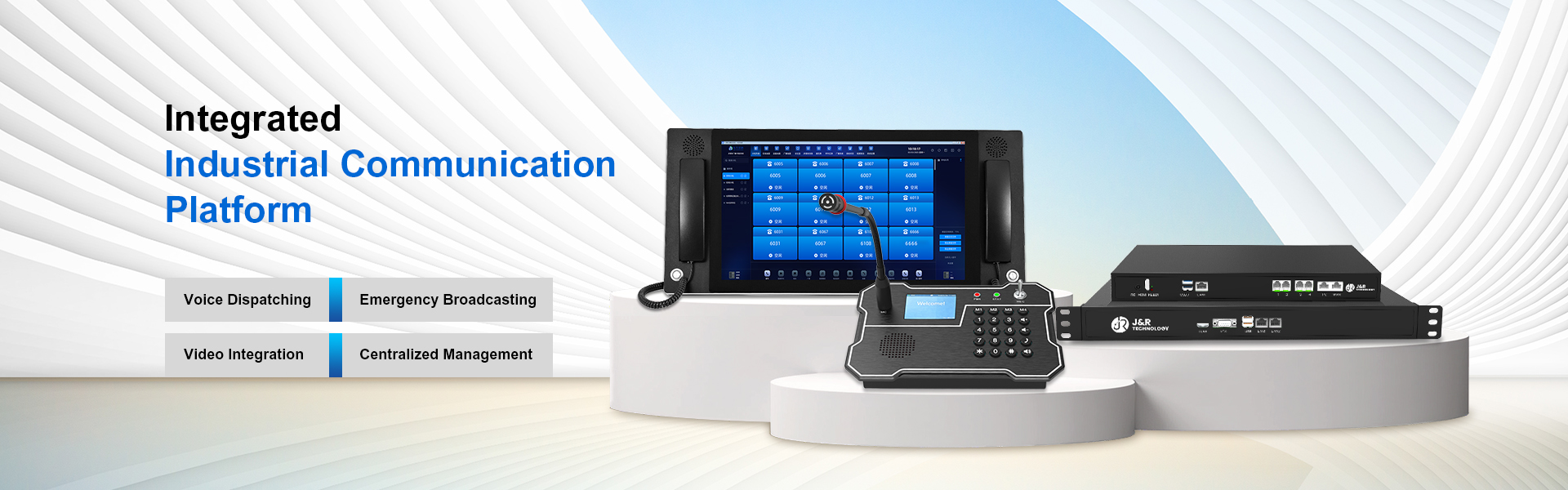
Supports one-touch calling, group calls, and conference calls to all terminal devices, facilitating seamless communication and collaboration among staff.
Intercom functions include: two-way talk, partitioned conferences, talk-in, talk-out, monitoring, and intercom recording.
Broadcast functions include: instant broadcast, music broadcast, speech broadcast, and text broadcast.
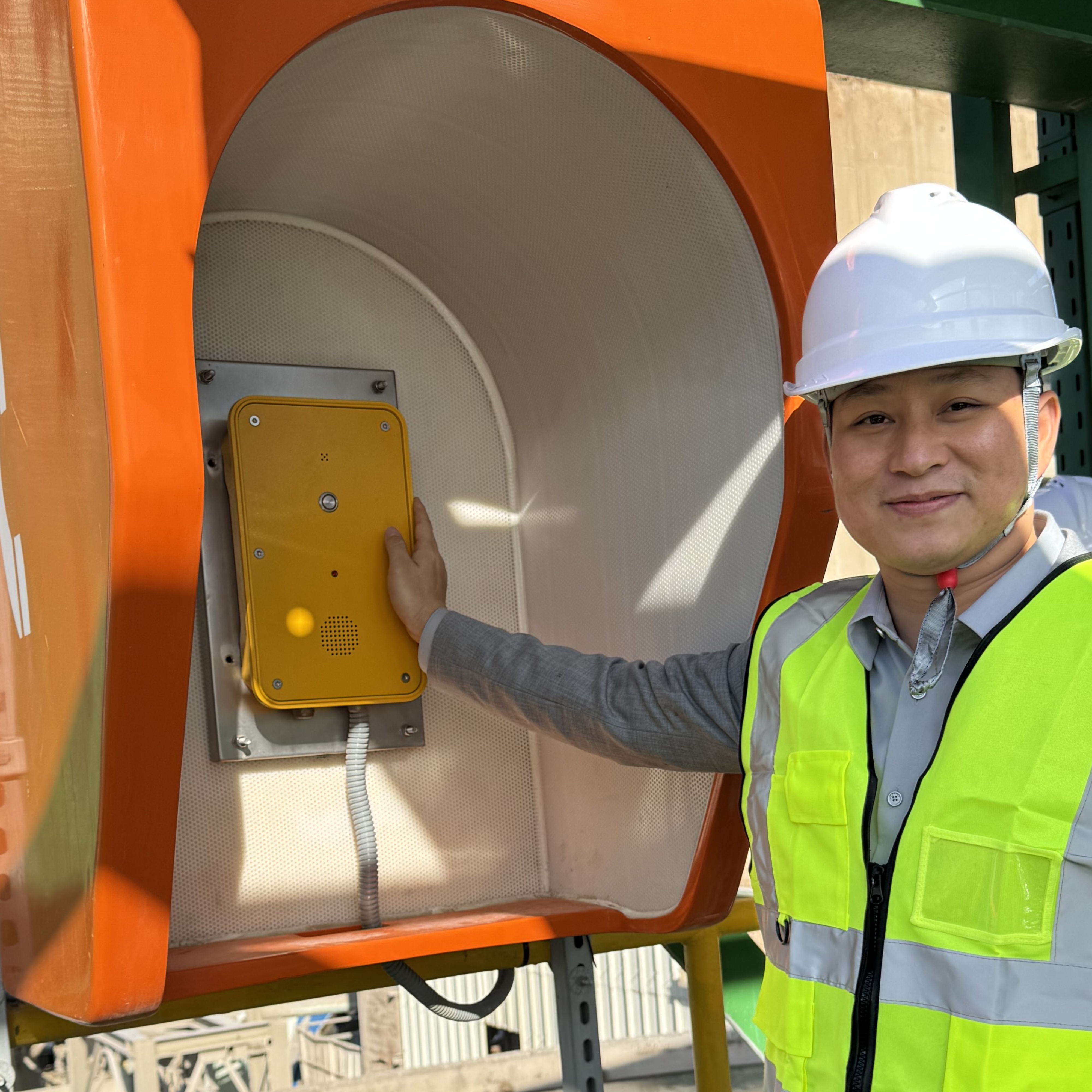
In emergencies, staff can use one-touch call to connect to the monitoring center’s dispatch console.
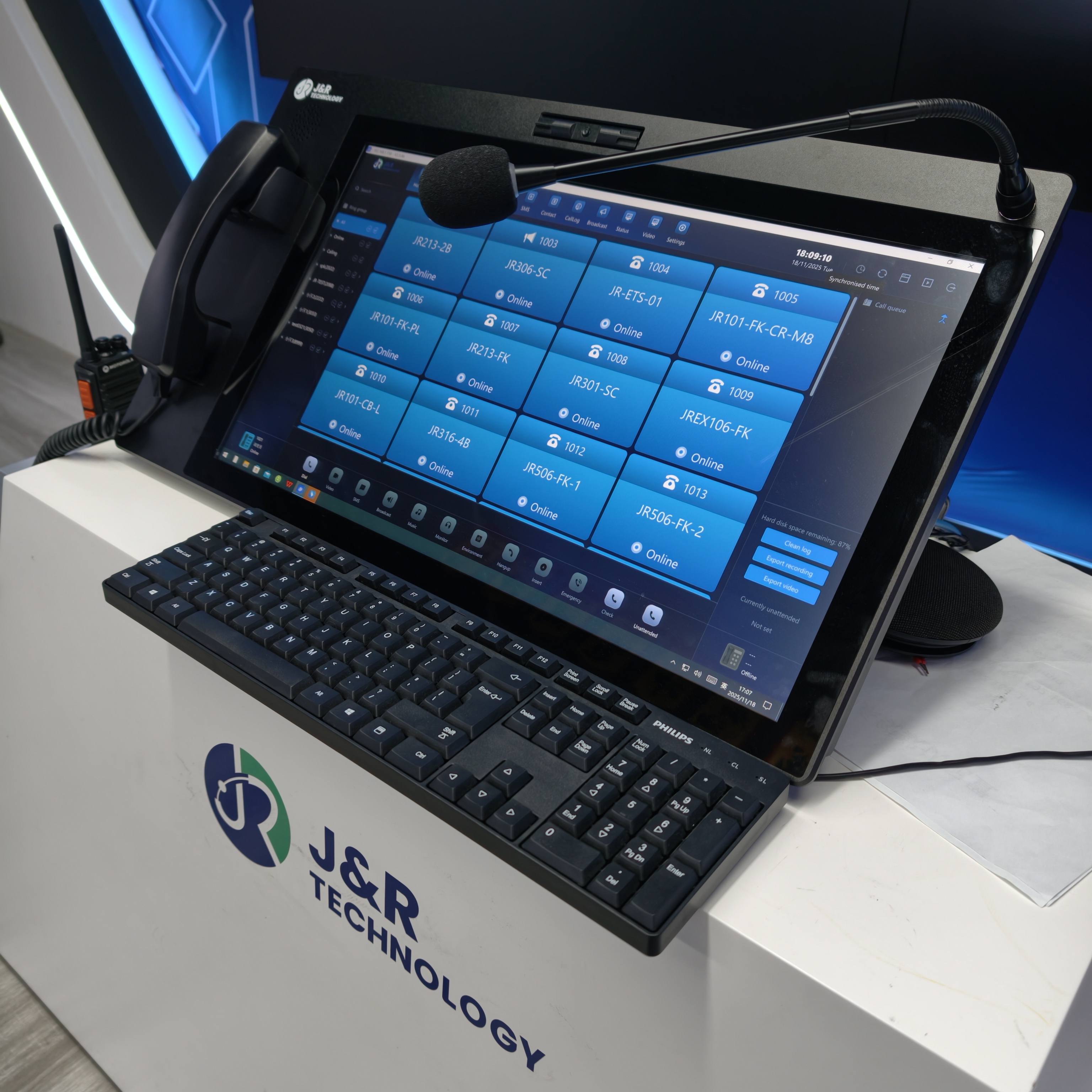
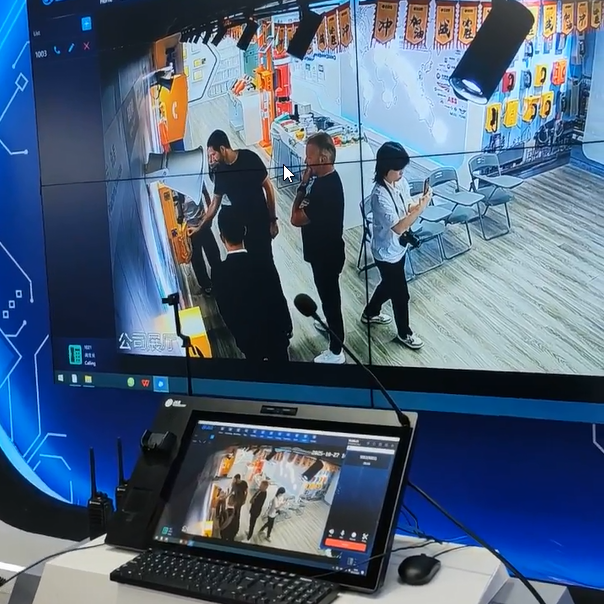
The dispatch console immediately displays the alarm location and related information, activates emergency response plans, and notifies relevant personnel for handling.
The dispatch console shows real-time status of all terminal devices, such as online, busy, or offline.
Dispatchers can manage and schedule devices according to actual needs, including assigning call permissions and adjusting call priorities.
Supports call recording for all communications, enabling query and playback as needed, providing a basis for incident analysis and resolution.
System administrators can centrally manage and configure the communication system via management software, including user management, permission management, device management, and log management.
Administrators can add/delete users, set user permissions, configure and maintain devices, and review system logs, ensuring smooth system operation.
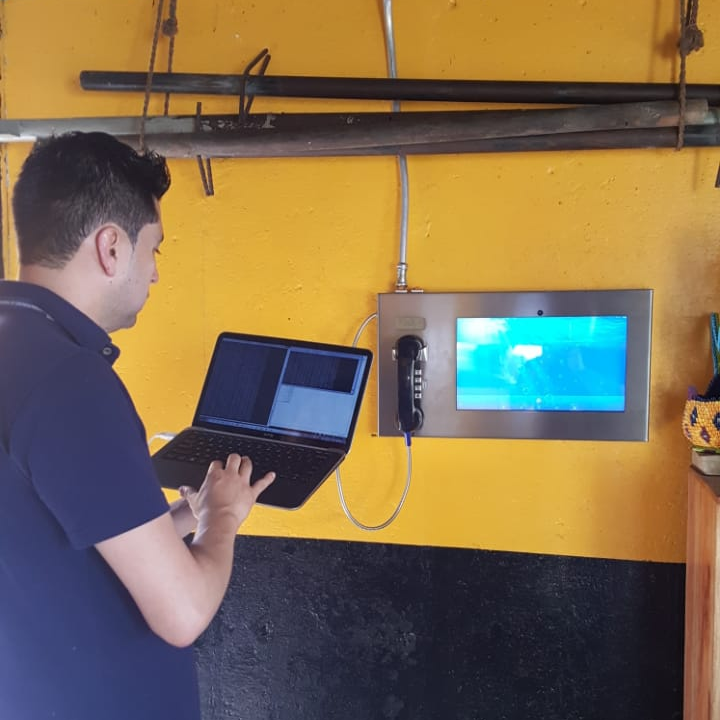
Provides open interfaces for third-party platforms to access system status and take over telephone system control, meeting requirements for integrated management in various scenarios.
We inform you about new solutions, case studies,
cybersecurity and new products.