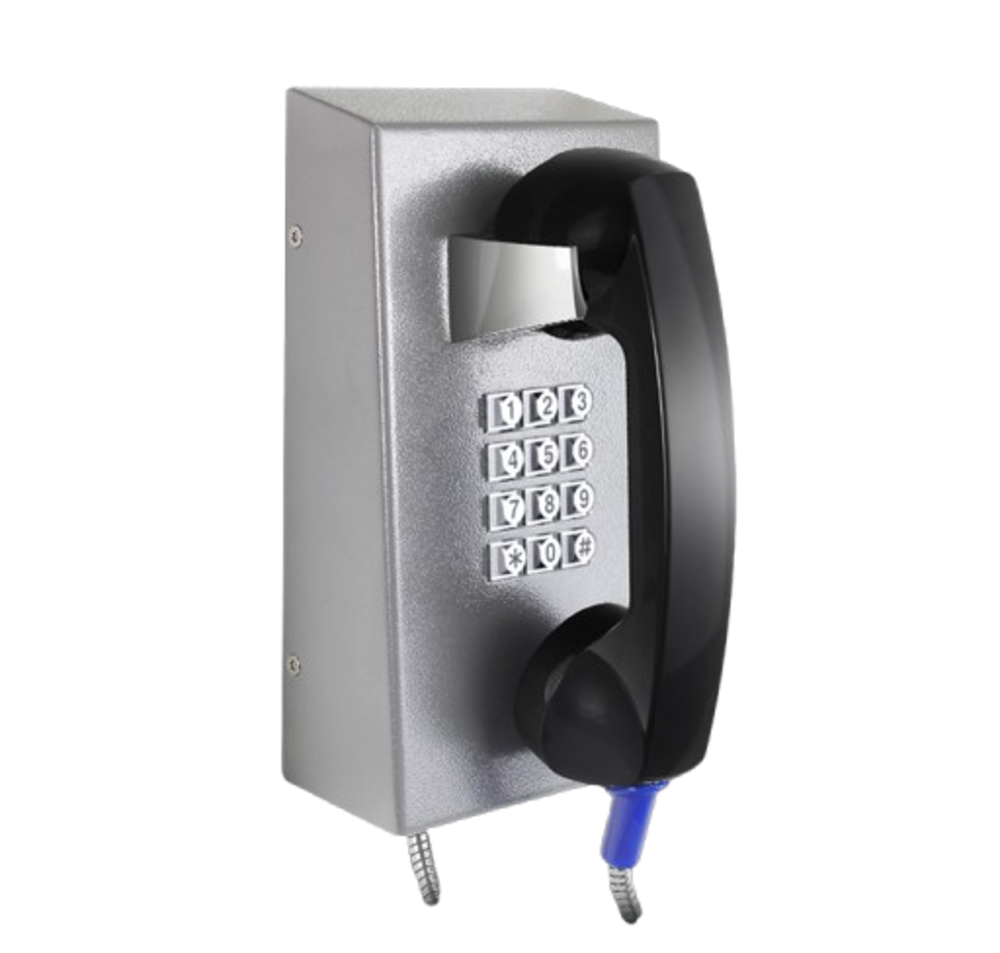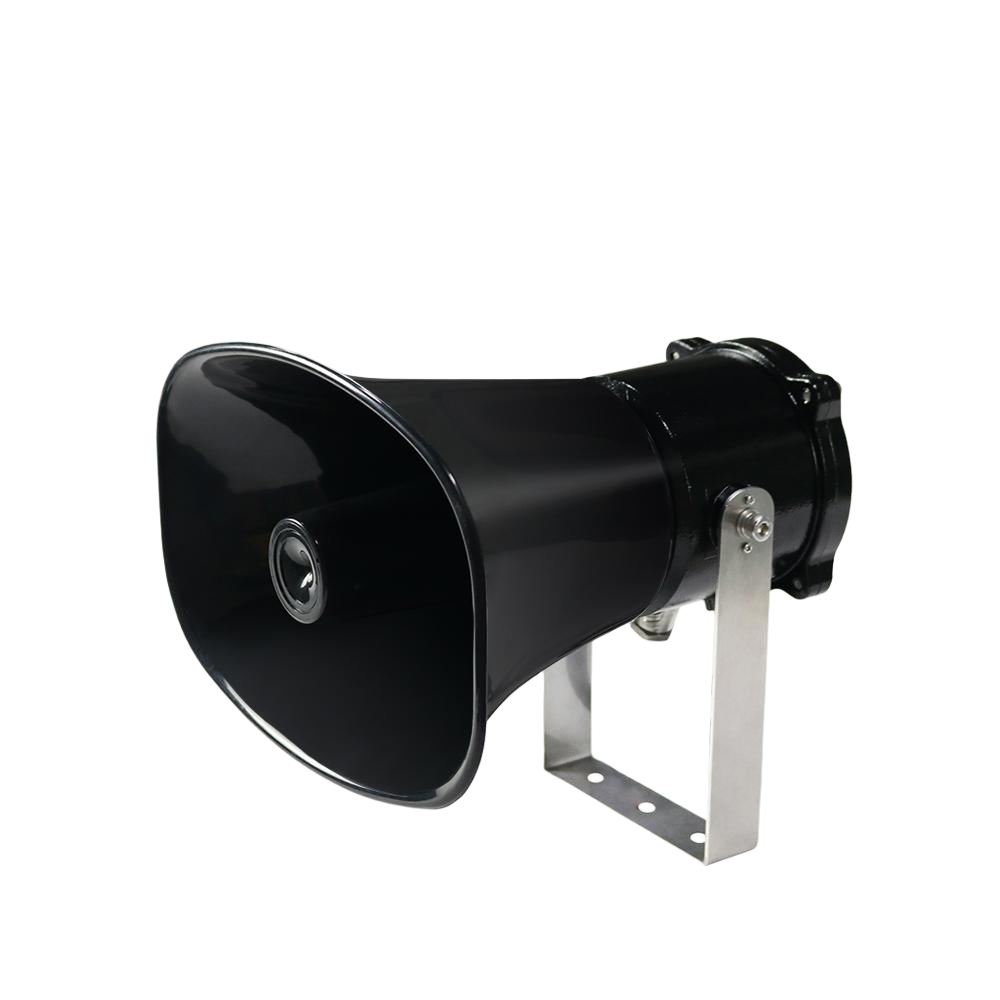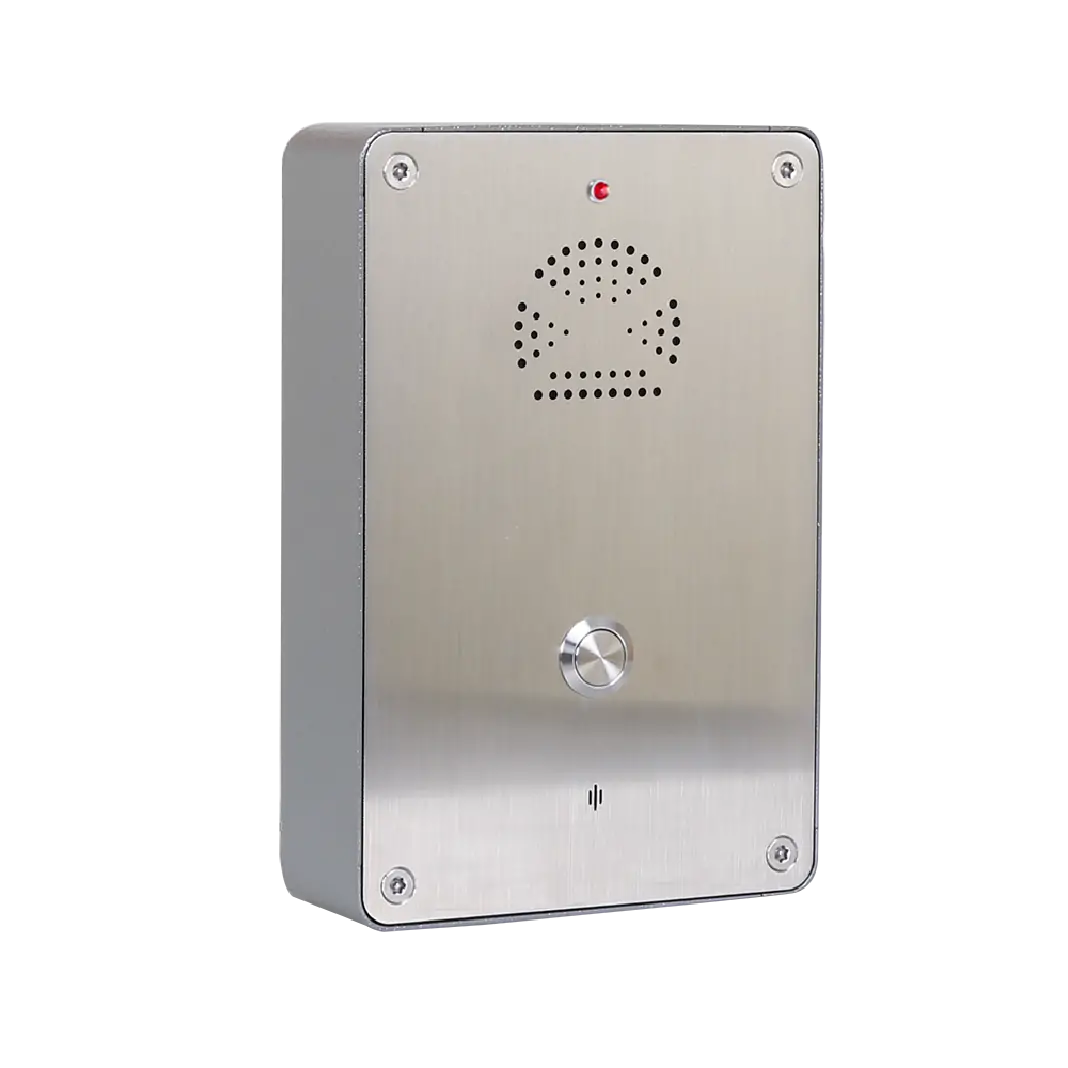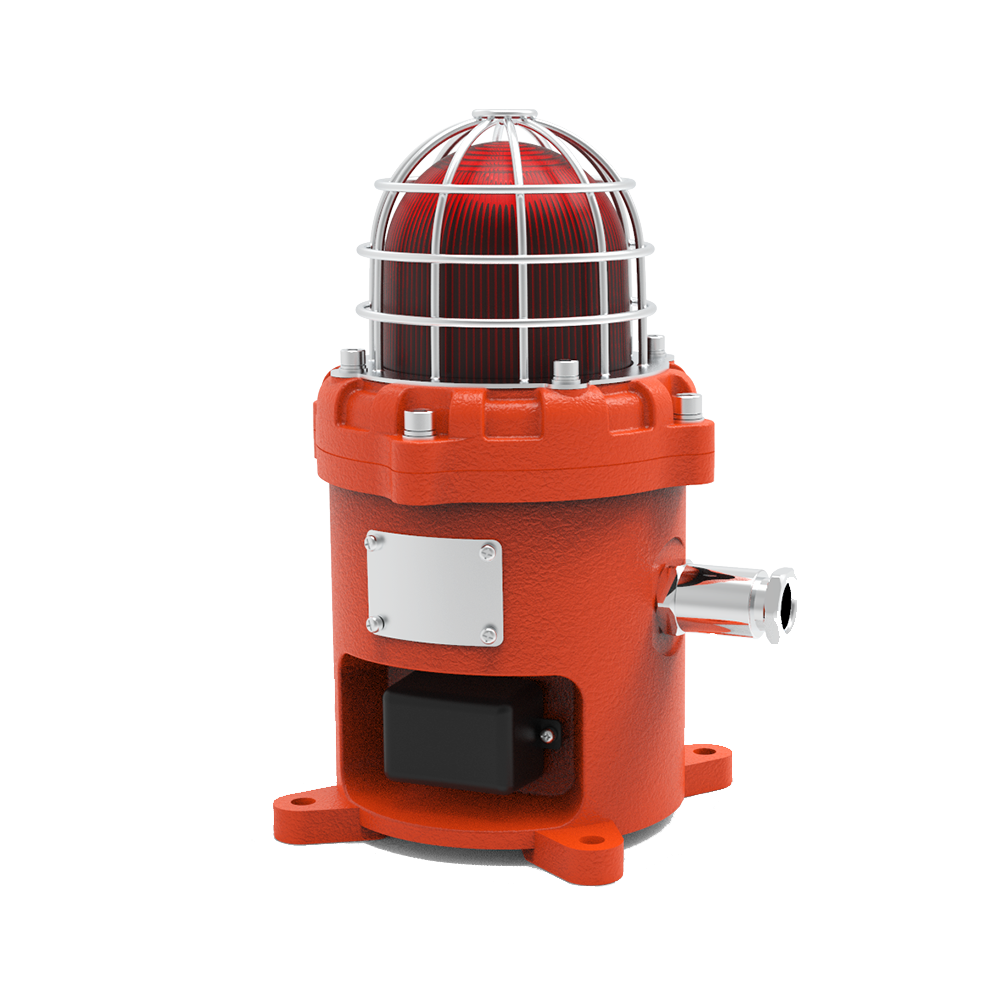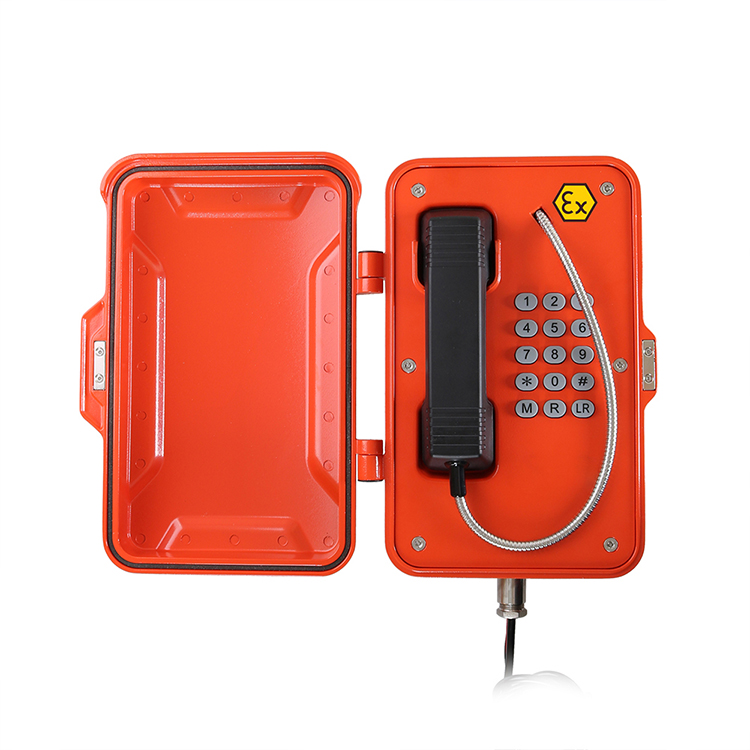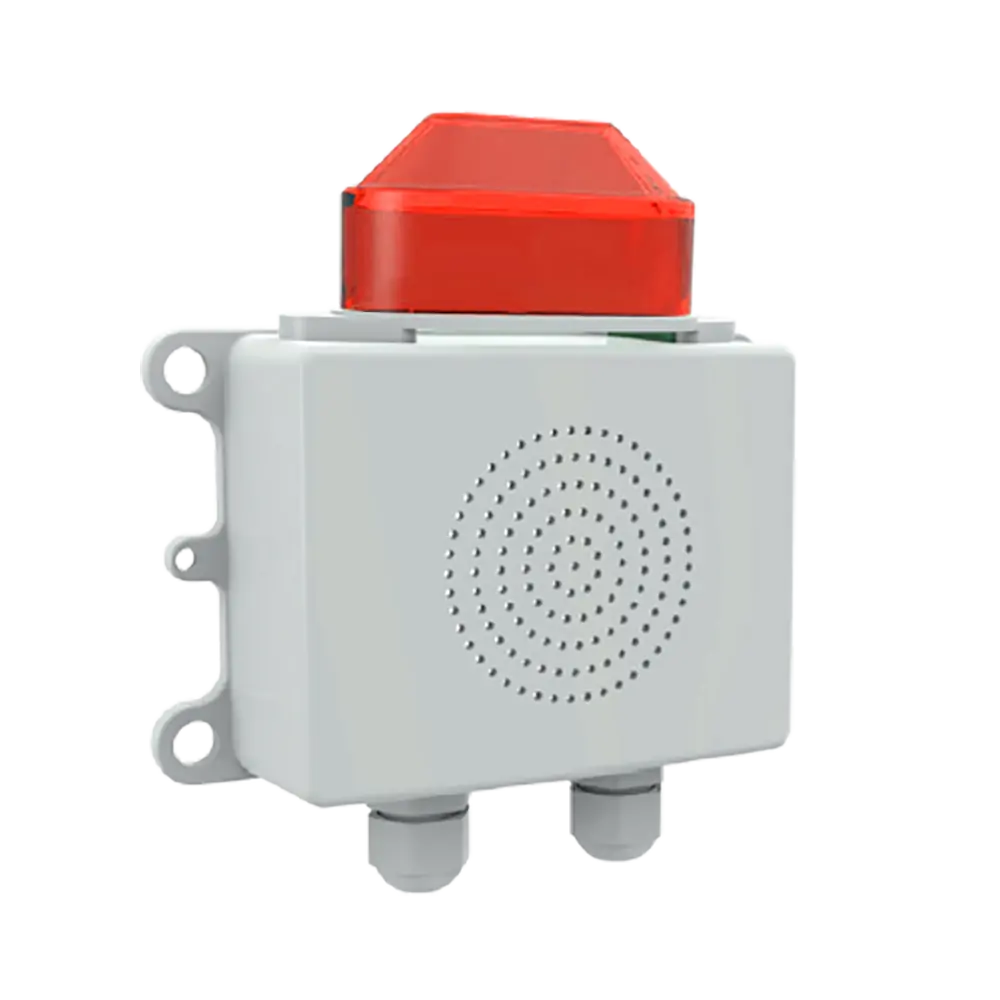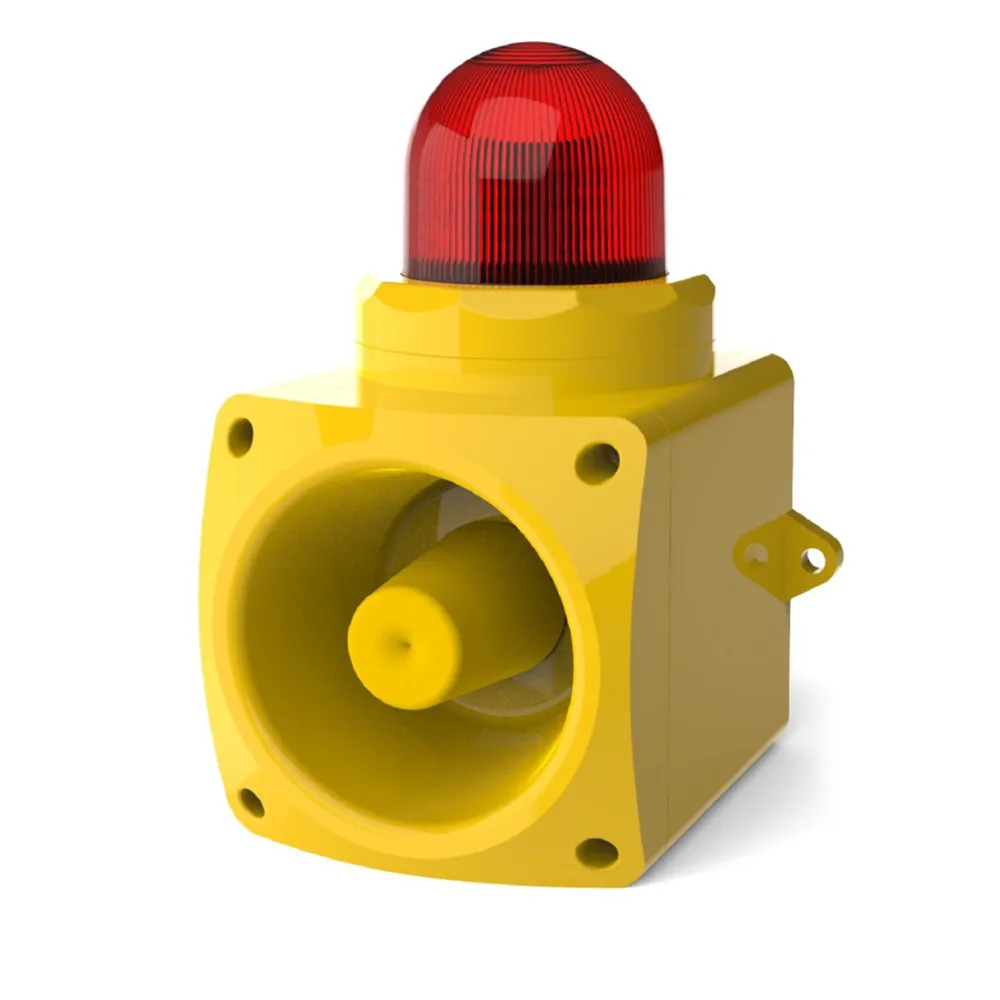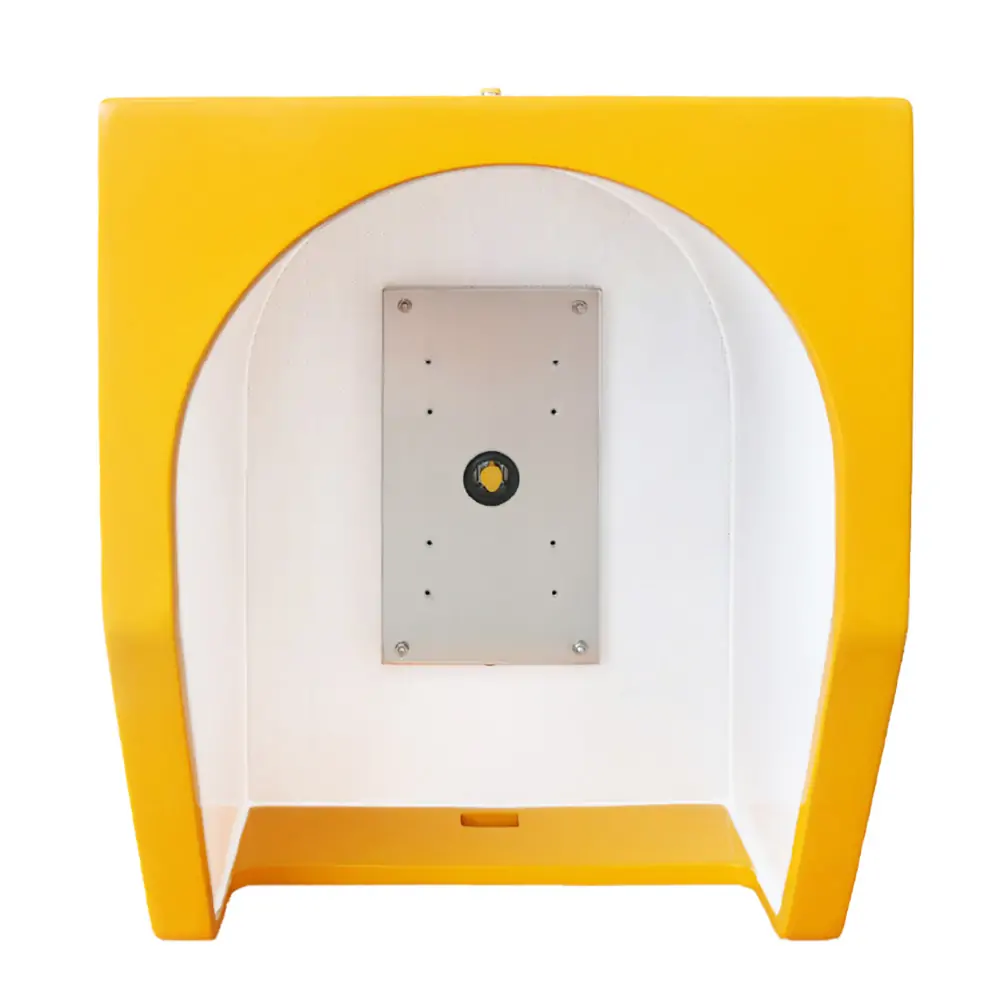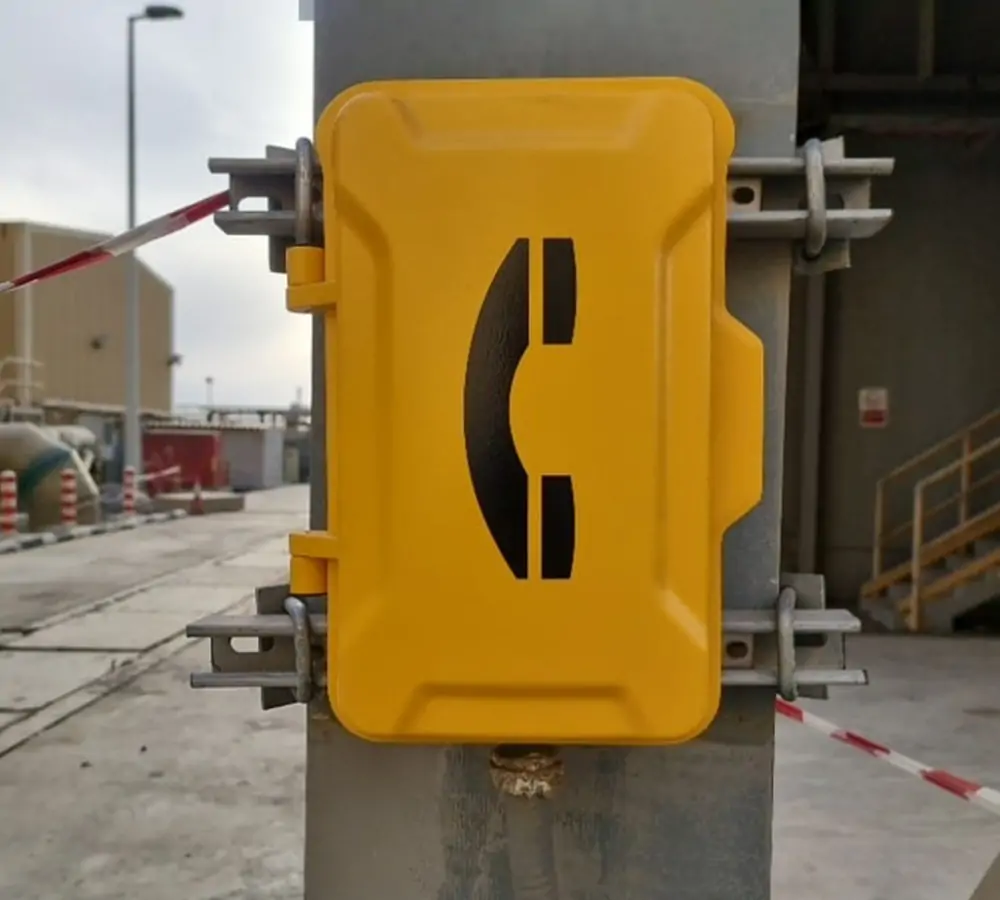

Nuclear power plants require safety-grade communication systems to handle radiation, EMI, and harsh conditions. Our solution combines analog phones, an IP voice gateway, and dual-link backup for reliable communication via core switches and dispatch consoles.

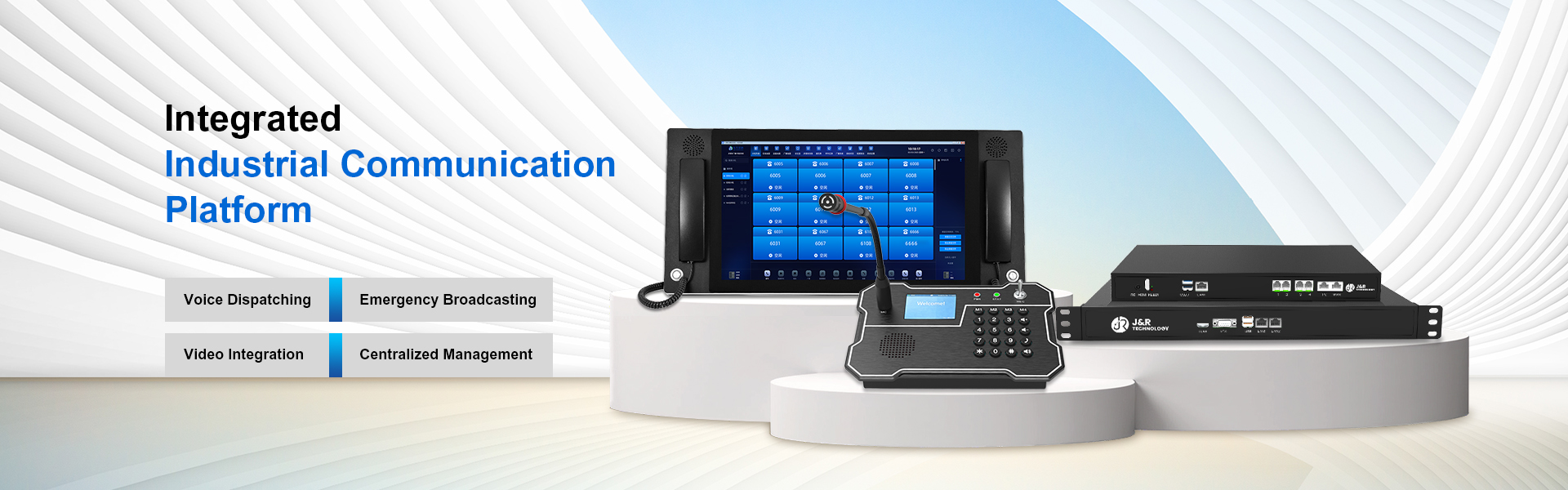
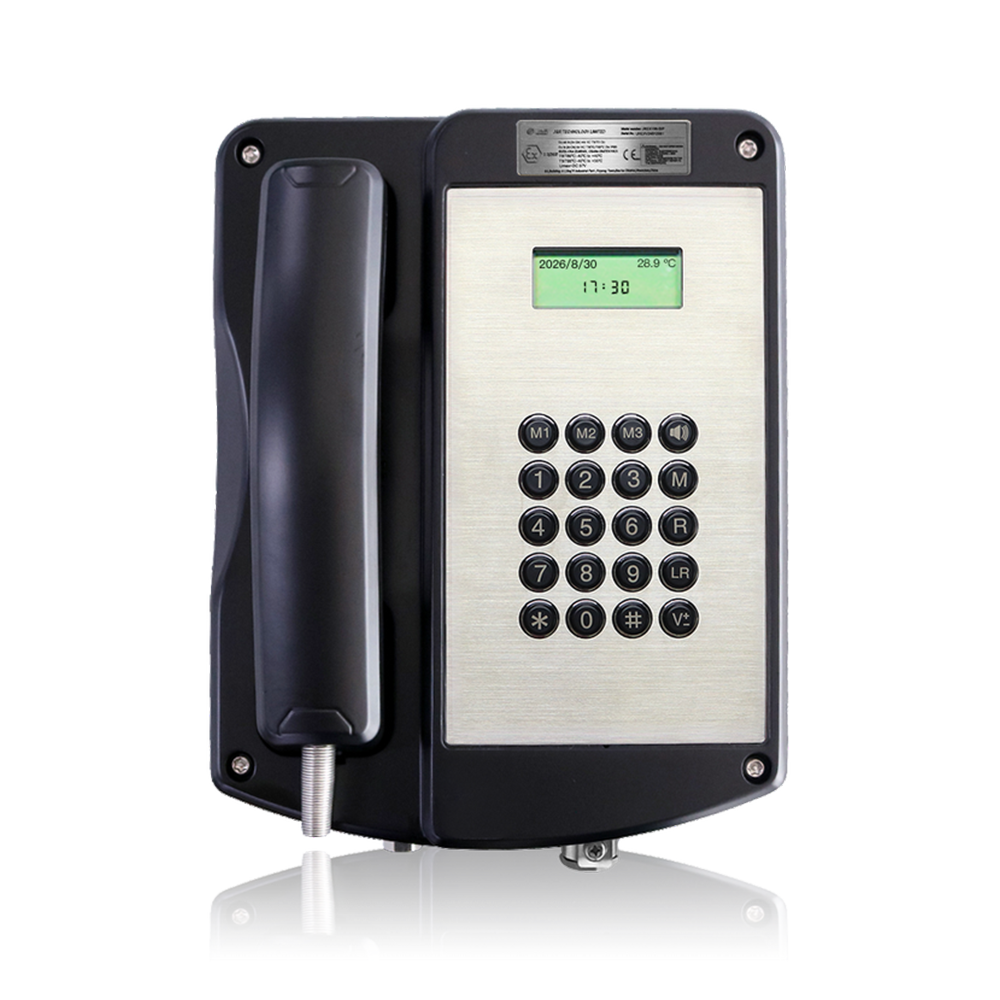
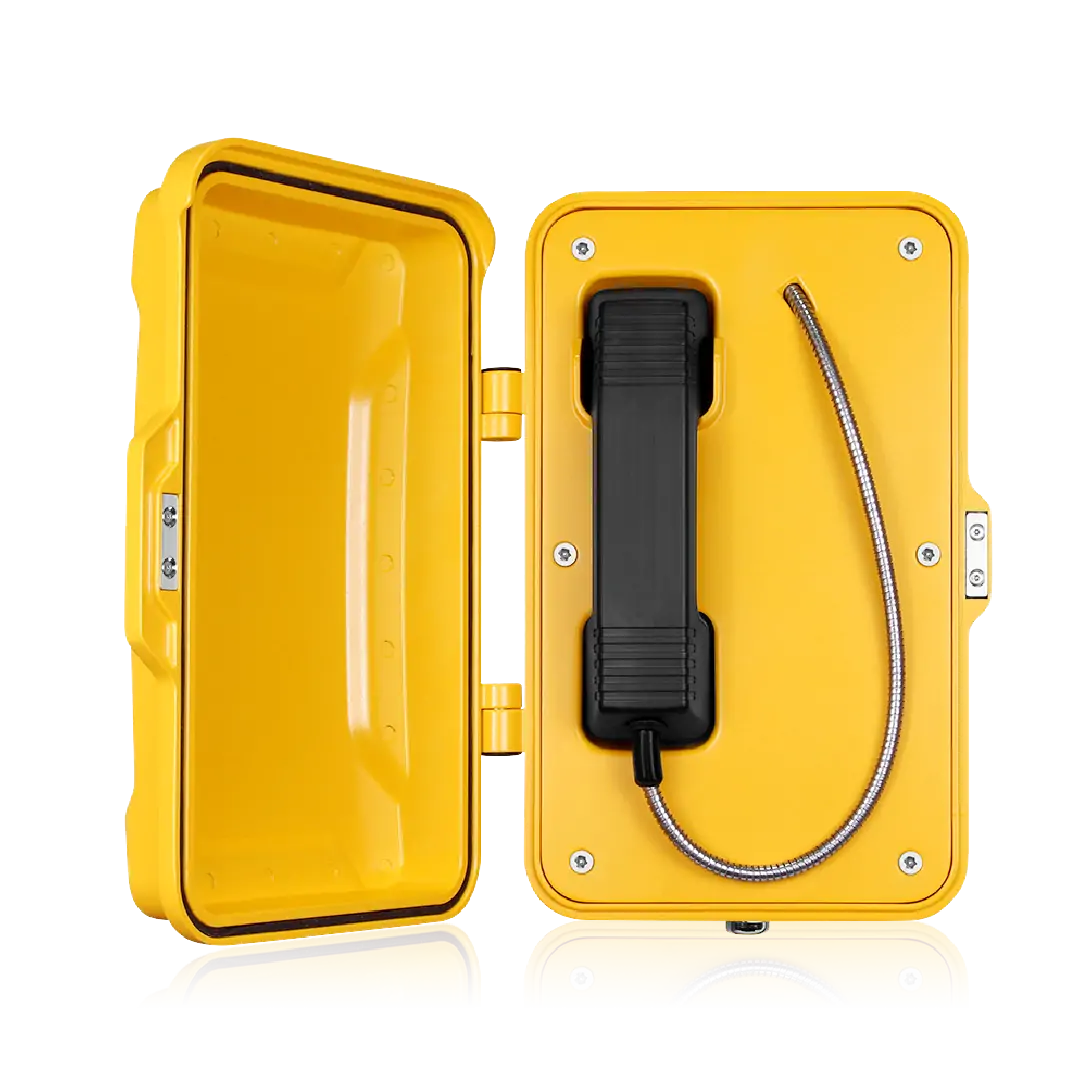
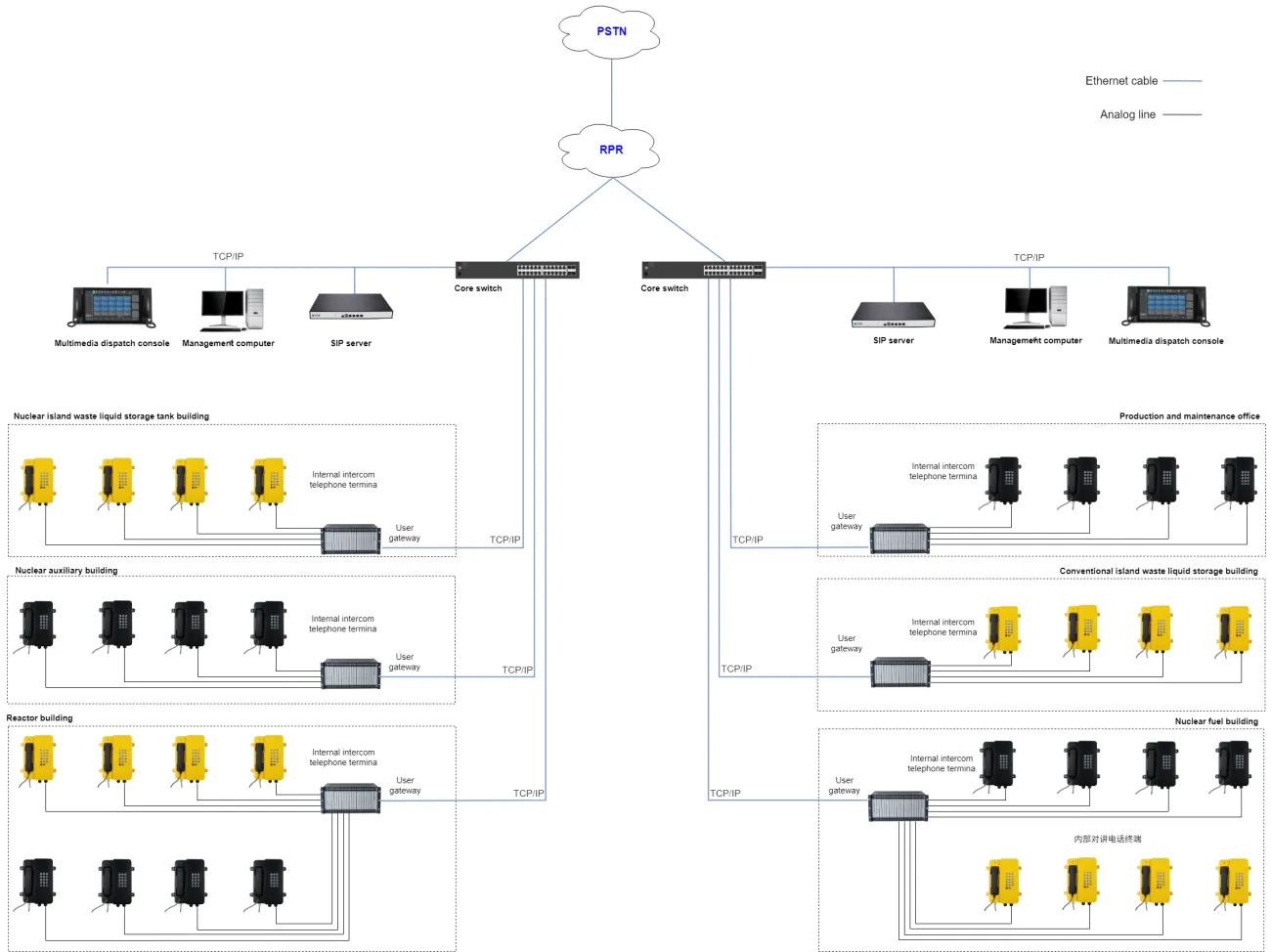
Nuclear power plants require communication systems designed to meet "safety-grade" standards, facing complex environments such as radiation, electromagnetic interference, and extreme temperatures and humidity. Traditional systems face issues like insufficient anti-interference capabilities and low reliability of emergency links. This solution uses analog telephones combined with an IP voice gateway, as well as dual-link backup technology, integrating core switches, dispatch consoles, and other equipment to ensure reliable communication across all scenarios.
The emergency communication chain is activated within 30 seconds, with the main control room triggering a full-plant broadcast and linking to the radiation monitoring system to announce evacuation information.
The equipment is designed to withstand a cumulative radiation dose of ≤10⁴Gy, with IP65 protection, lead-shielded cables, and the ability to operate in environments with temperatures up to 60°C and 95% humidity.
Core switches feature hot standby, and emergency power supports ≥4 hours of continuous operation.
The system is divided into independent broadcast groups based on functions, such as the main control room and reactor area. Sensitive areas support encrypted communication.
The system integrates with the DCS (Distributed Control System), reserves interfaces for robotic inspection, and supports IEEE802.1x security authentication.
This solution design strictly follows the current national standards, regulations, and actual project site requirements,
ensuring compliance throughout the entire process from system design, equipment selection, construction
installation, to acceptance testing. The main references include:
Adhering to the IAEA "Guidelines for Emergency Communication System Design for Nuclear Facilities", meeting safety-grade equipment requirements. Enforcing mandatory emergency communication clauses from GB50229-2019. Compliant with EJ/T1139-2001, ensuring physical isolation and electromagnetic shielding of communication links.
Equipment materials comply with GB6224-2018, with shielding materials having a lead equivalent of ≥2mm. Communication equipment radiation sensitivity testing follows IEEE323-2015. Wiring design meets GB/T12720-2013, avoiding radiation hotspot areas.
Voice codec uses G.711A with end-to-end latency ≤100ms. IP network follows RFC3261 (SIP protocol), supporting integration with the existing office communication system. Analog lines are compatible with PSTN protocols to ensure smooth communication with external emergency command centers.
The equipment’s anti-interference capability complies with GB/T17626.5-2019. Electromagnetic radiation emissions meet the A-level requirements of GB9254-2008. Grounding system design follows GB50169-2016 with grounding resistance ≤1Ω.
Dual-Link Network Architecture:

The system supports a "three-tier response broadcast mechanism" for emergency scenarios at nuclear power plants:
Level 1 Response (Emergency Shutdown): After pressing the red emergency button in the main control room, a full-plant evacuation command is broadcasted. In the reactor area, the broadcast is played in a loop at 120dB(A) loudness, while a text alarm is sent to all intercoms to ensure accessibility for individuals with hearing impairments.
Level 2 Response (Radiation Abnormalities): When the radiation monitoring system triggers an alarm, it automatically broadcasts the abnormal information to the affected area. Corresponding area intercoms access the emergency command channel, with the broadcast also recording radiation value changes for traceability.
Level 3 Response (Routine Emergency): In case of an accident in a regular area, a broadcast command is sent to the specific zone, and the access control system opens emergency passages. The dispatch console displays the alarm location in real-time and surrounding footage to assist in command.
To address the unique environment of a nuclear power plant, the system ensures radiation-resistant communication through multiple design measures:
Hardware Radiation Resistance: The reactor area equipment shell is made from a composite material of 316L stainless steel and lead alloy (lead equivalent ≥2mm). Internal circuit boards are treated with a radiation-resistant coating, critical chips use military-grade radiation-resistant models, and fiber optic links use radiation-resistant cables. Under 10⁴Gy radiation, signal attenuation increase is ≤3dB.
Software Anti-Interference: Voice signals use forward error correction technology, and the communication protocol includes an error-checking and retransmission mechanism (automatically retransmits when packet error rate >5%). Dispatch software supports adaptive parameter adjustments in radiation environments.
The system implements a "three redundancy" communication guarantee:
Network Redundancy: IP network and PSTN analog lines are hot-standby in real-time, automatically switched by JR-TNS series dispatch servers (switching time ≤50ms). The core switch supports ring network redundancy, with self-healing time for single-point failures ≤20ms.
Power Redundancy: The main control room equipment is powered by dual-path UPS (each path supports 100% load). On-site intercom terminals are equipped with super capacitors (providing ≥5 minutes of talk time after power failure). The emergency broadcast system has a dedicated EPS, supporting continuous broadcasting for ≥90 minutes.
Terminal Redundancy: Key positions are equipped with two intercom terminals (one IP network, one analog line). Redundant intercom points are set inside and outside the safety shell. Mobile inspection personnel are equipped with dual-mode intercoms.
To meet the collaborative work needs of multi-zone operations at nuclear power plants, the system supports flexible communication strategies:
Dynamic Zone Broadcasting: The plant is divided into 4 fixed zones based on nuclear safety functions. These can be temporarily combined into up to 16 dynamic zones, with priority settings available for zone broadcasts.
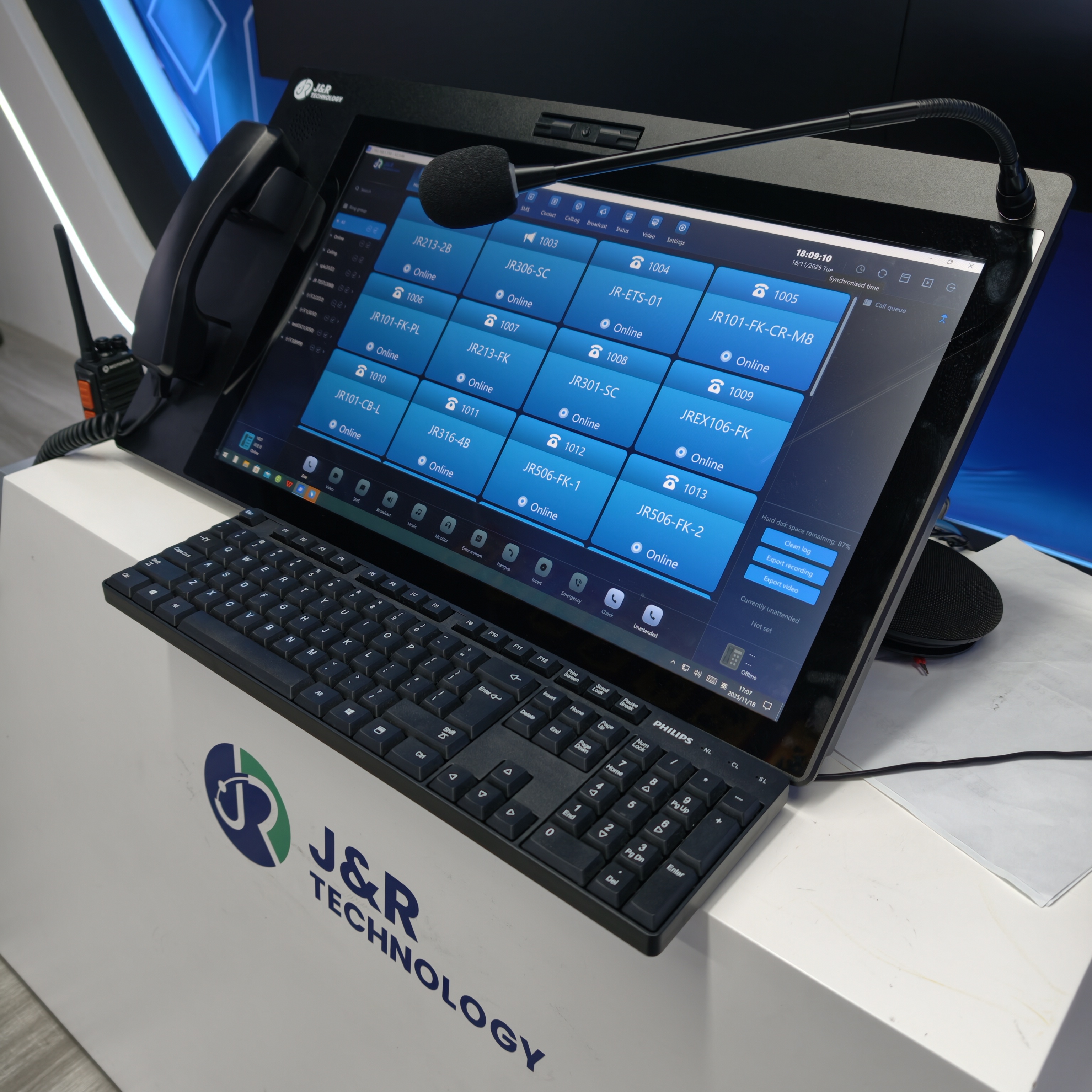
Cross-Zone Collaborative Calls: The dispatch console supports "one-to-many" calls. On-site inspection personnel can initiate cross-zone calls, and third-party participants can be invited to join the call, forming temporary conference groups.
Data Fusion Communication: The system integrates with the DCS system to insert real-time process parameters into the broadcast. The dispatch console interface also integrates radiation monitoring data and supports linkage with robotic inspection systems.
We inform you about new solutions, case studies,
cybersecurity and new products.