Industrial SIP Emergency Intercom System Deployed in Turkey Highway Tunnel Project
Project Overview
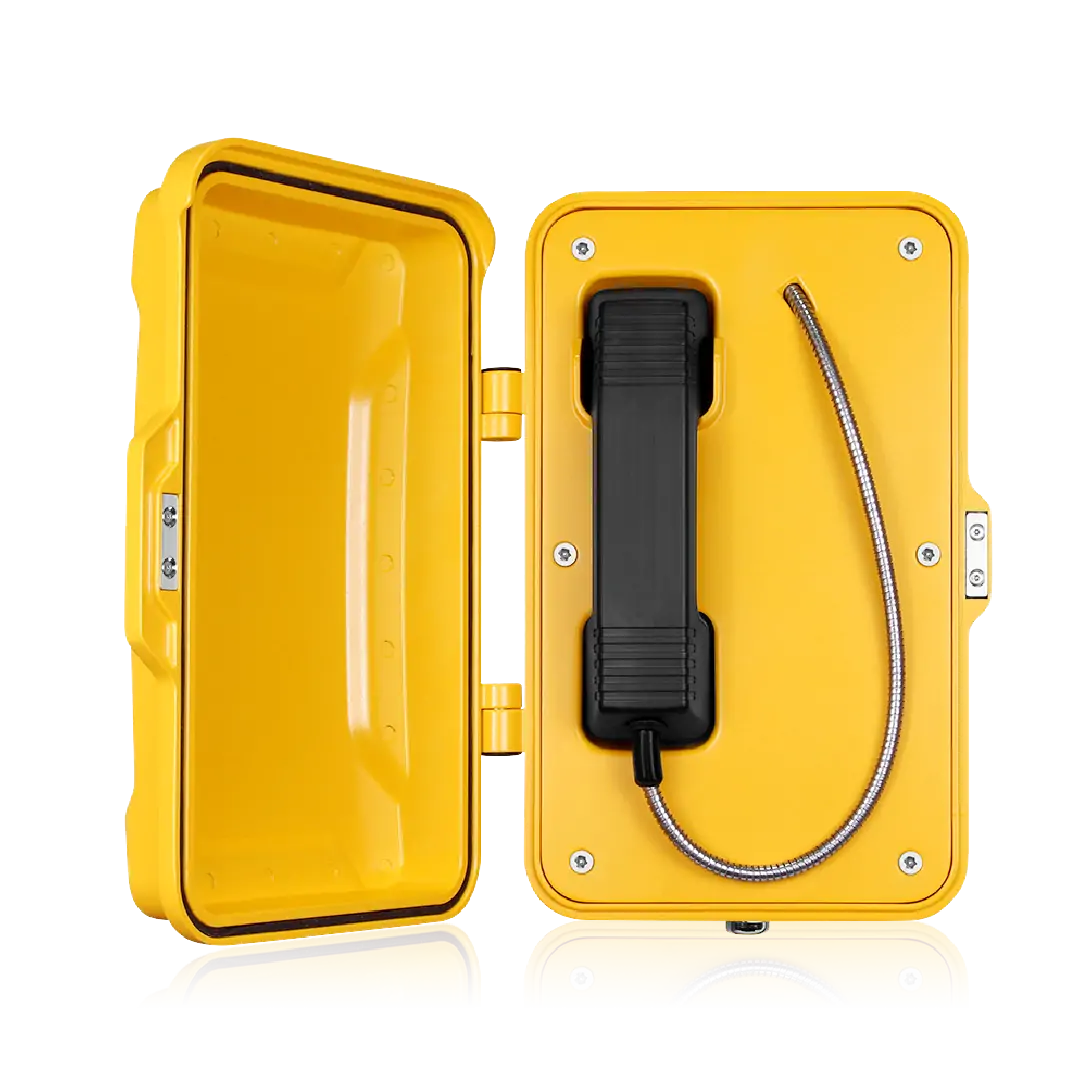
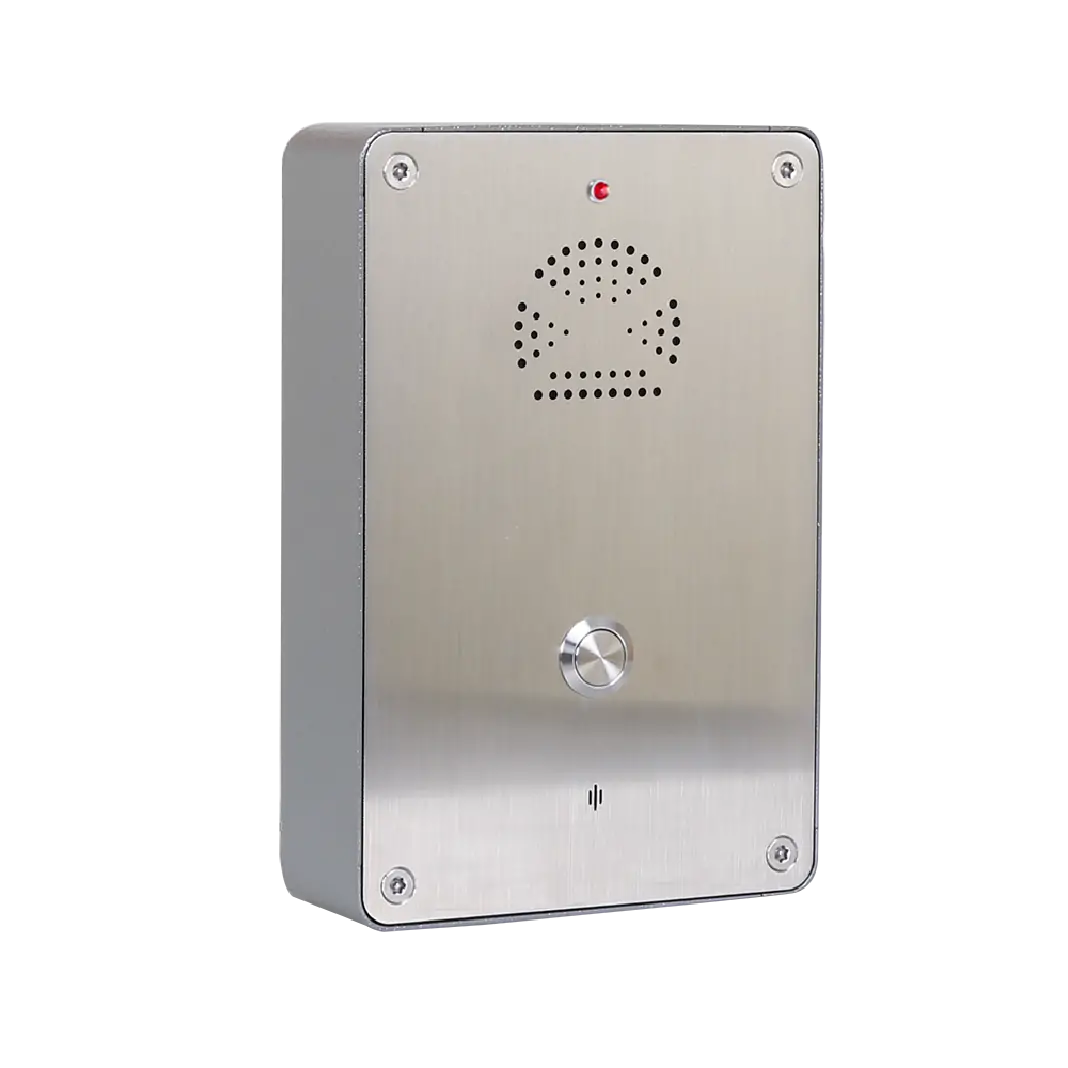
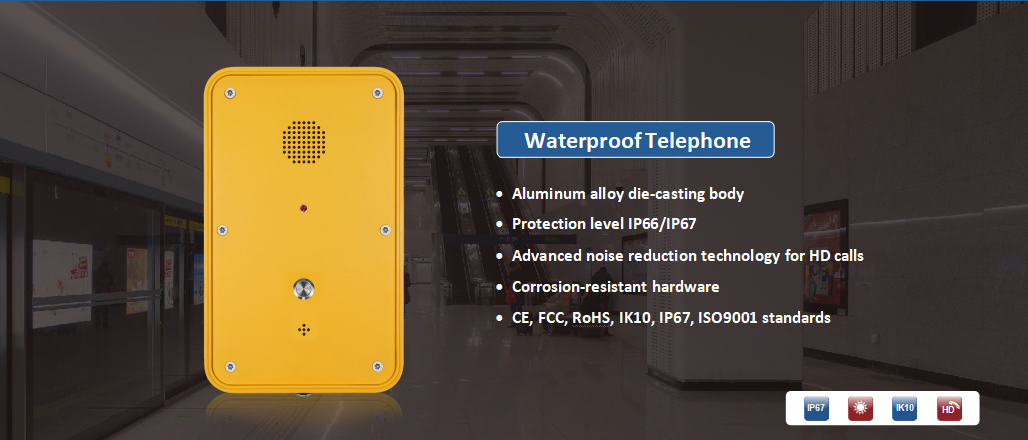
Facing harsh operating conditions in Turkish highway tunnels, including high humidity, dust, vibration interference, and signal shielding, J&R customized a large-scale SIP industrial emergency intercom solution to meet the communication requirements. The project was delivered in two phases, with a total deployment of 1,500 emergency telephones on site, including JR103-CB-SIP Waterproof Telephone and JR104-SC-SIP Hands-free One-button Waterproof Telephone.
The solution established a complete IP voice dispatch network and integrated with tunnel lighting, ventilation, and fire detection control systems, effectively addressing communication challenges in tunnel environments and significantly improving road safety management and emergency response capabilities.
Project Challenges
Highway tunnels are enclosed environments where reinforced concrete structures can easily block communication signals. Traditional intercom devices often suffer from poor voice quality, frequent disconnections, and unstable communication performance. Continuous vehicle traffic causes long-term vibration, while water mist and dust exposure accelerate equipment aging, resulting in high failure rates and increased maintenance costs. In emergency situations such as traffic accidents or vehicle breakdowns, drivers and passengers may be unable to quickly contact the control center, delaying emergency response and creating significant safety risks.
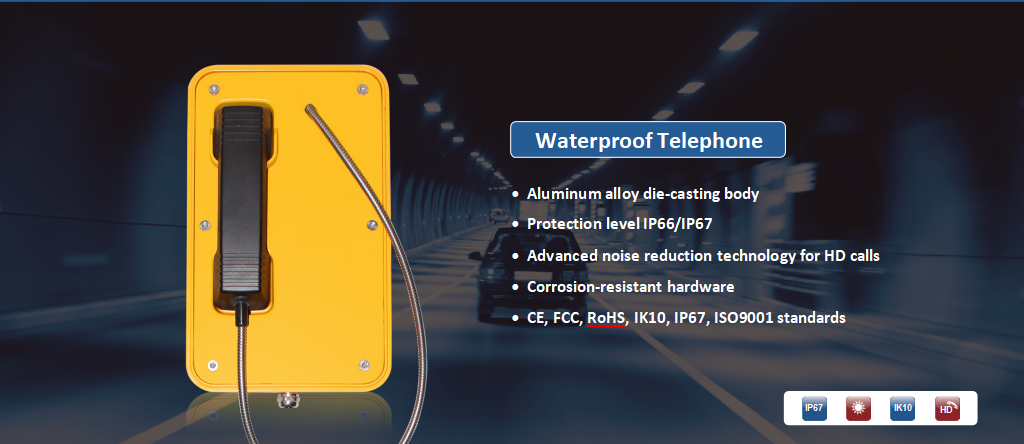
The JR103-CB-SIP features a die-cast aluminum alloy housing with IP67 dust and water protection, IK10 vandal resistance, salt spray corrosion resistance, and reliable operation in wide temperature environments from -40°C to 65°C. Equipped with a noise-reduction handset and an 80 cm stainless steel anti-pull metal cord, the telephone adopts a button-free design. Simply lifting the handset automatically initiates a call to preset emergency numbers and supports up to four sequential dialing groups. It supports both PoE and 12V power supply options, with a built-in noise-reduction microphone, making it ideal for long-duration emergency communication in tunnels.
The JR104-SC-SIP adopts a highly protective aluminum alloy enclosure and integrated wall-mounted hands-free design. With a vandal-resistant metal call button, users can directly connect to the control center with a single press. The built-in 2W speaker provides a ringtone volume of 90–95 dB at one meter, while advanced noise reduction and echo cancellation algorithms ensure clear communication in noisy environments with heavy traffic. The LED indicator provides visual notification during incoming calls, enabling fast emergency communication without manual operation and improving driver safety.
System Solution Advantages
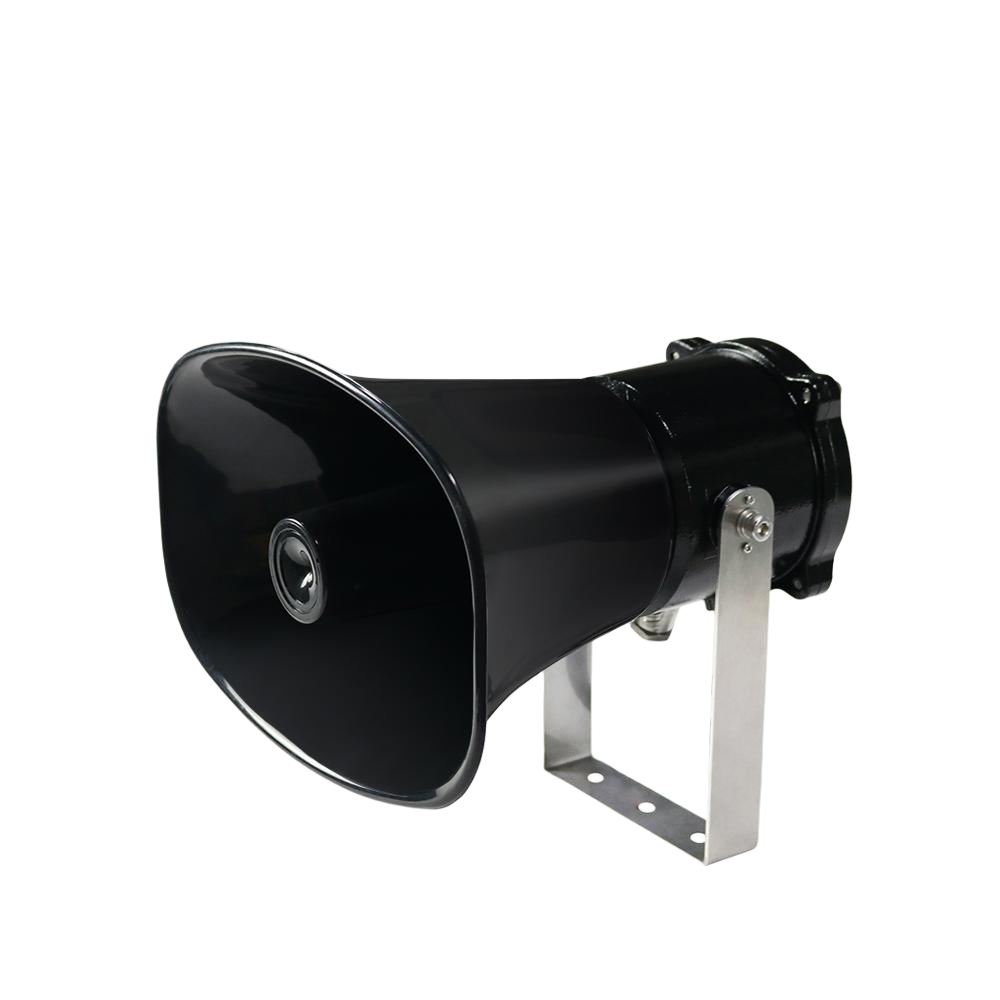
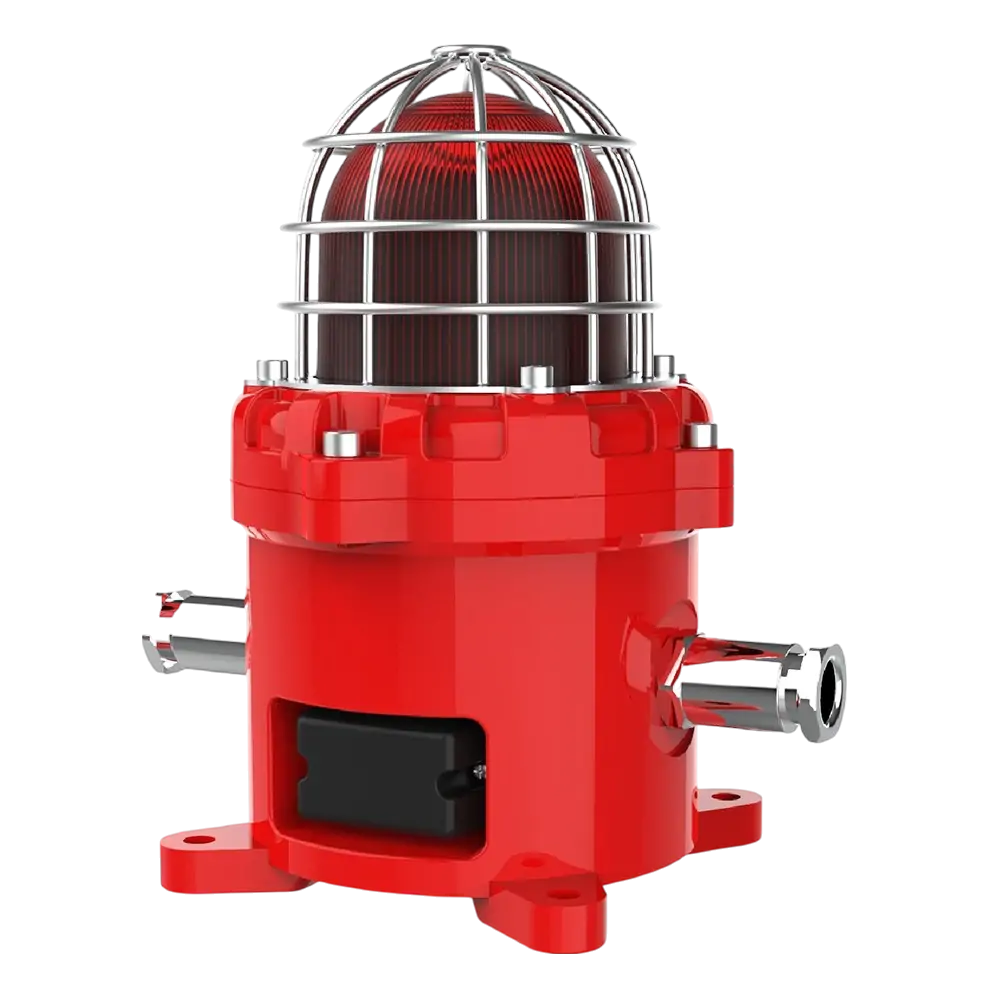
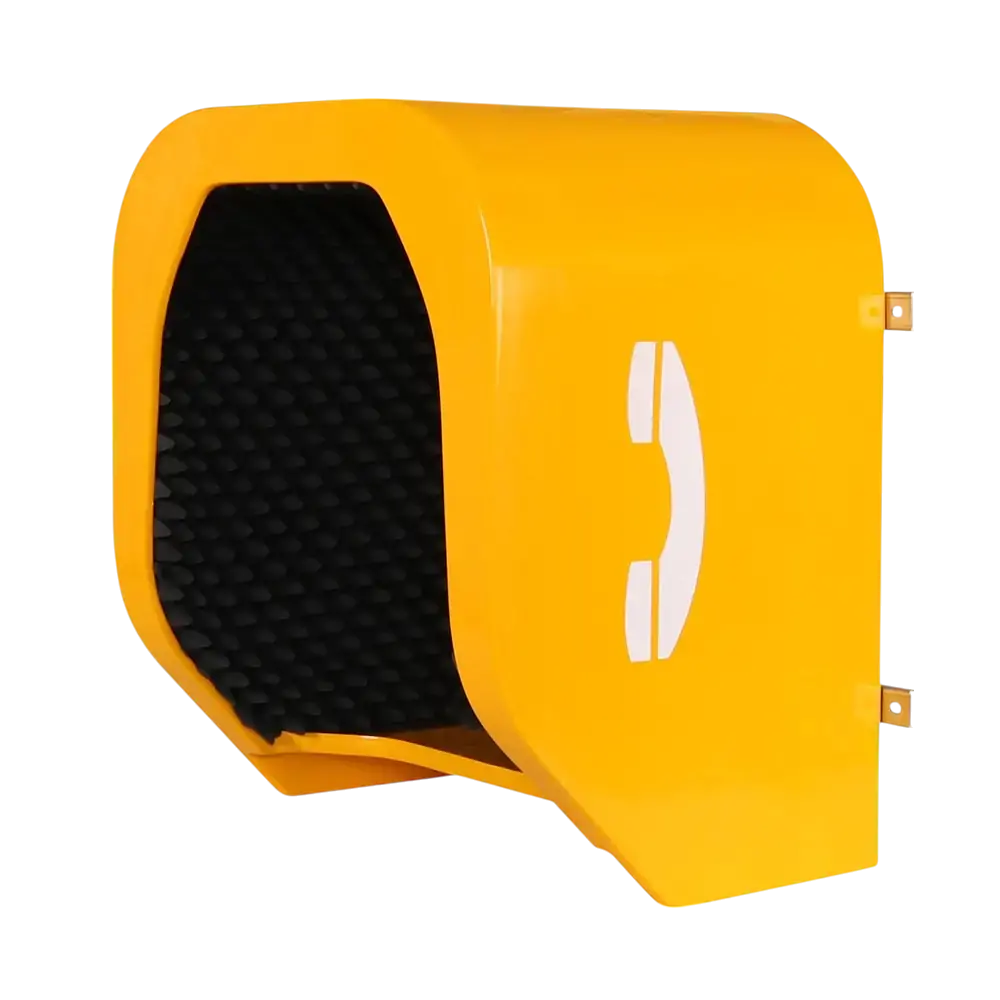
Based on the SIP 2.0 standard protocol, the system deploys SIP servers and PoE switches in the equipment room. All terminal devices are connected through Ethernet cables for unified power supply and network communication, while dispatch consoles and management computers provide centralized control and monitoring. The system supports remote web configuration, device self-diagnosis, and automatic switching between primary and backup servers. Two relay outputs enable linkage with tunnel ventilation, lighting, and fire protection systems. Optional accessories such as warning lights, outdoor horn speakers, and noise reduction covers further enhance adaptability for various tunnel applications.
Project Implementation Value
After deployment, the project effectively eliminated communication interruptions and voice quality issues caused by signal shielding in tunnels, enabling stable, high-definition, full-duplex communication between drivers, passengers, and the control center. The vibration-resistant and corrosion-resistant design of both devices significantly reduced maintenance frequency and operational costs. In emergency situations, users can quickly initiate calls and trigger linkage with tunnel electromechanical systems, greatly improving emergency response efficiency. This proven solution can be widely replicated across various industrial and outdoor environments, including ports, mining sites, power plants, industrial parks, and rail transit facilities.


 Prisons & Correctional Facilities
 Transportation & Underground Infrastructure
 Critical Industrial & Energy Facilities
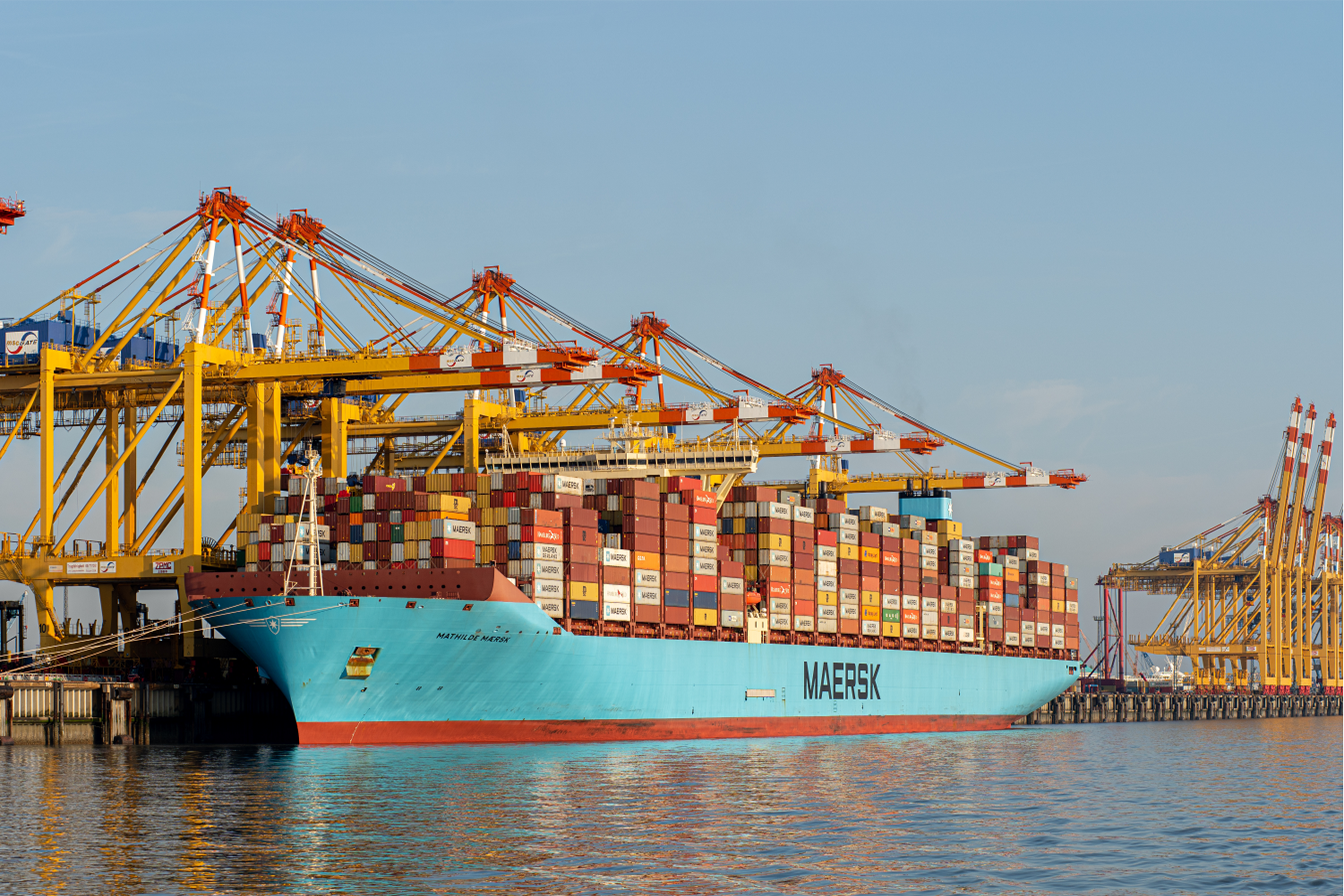 Marine & Offshore
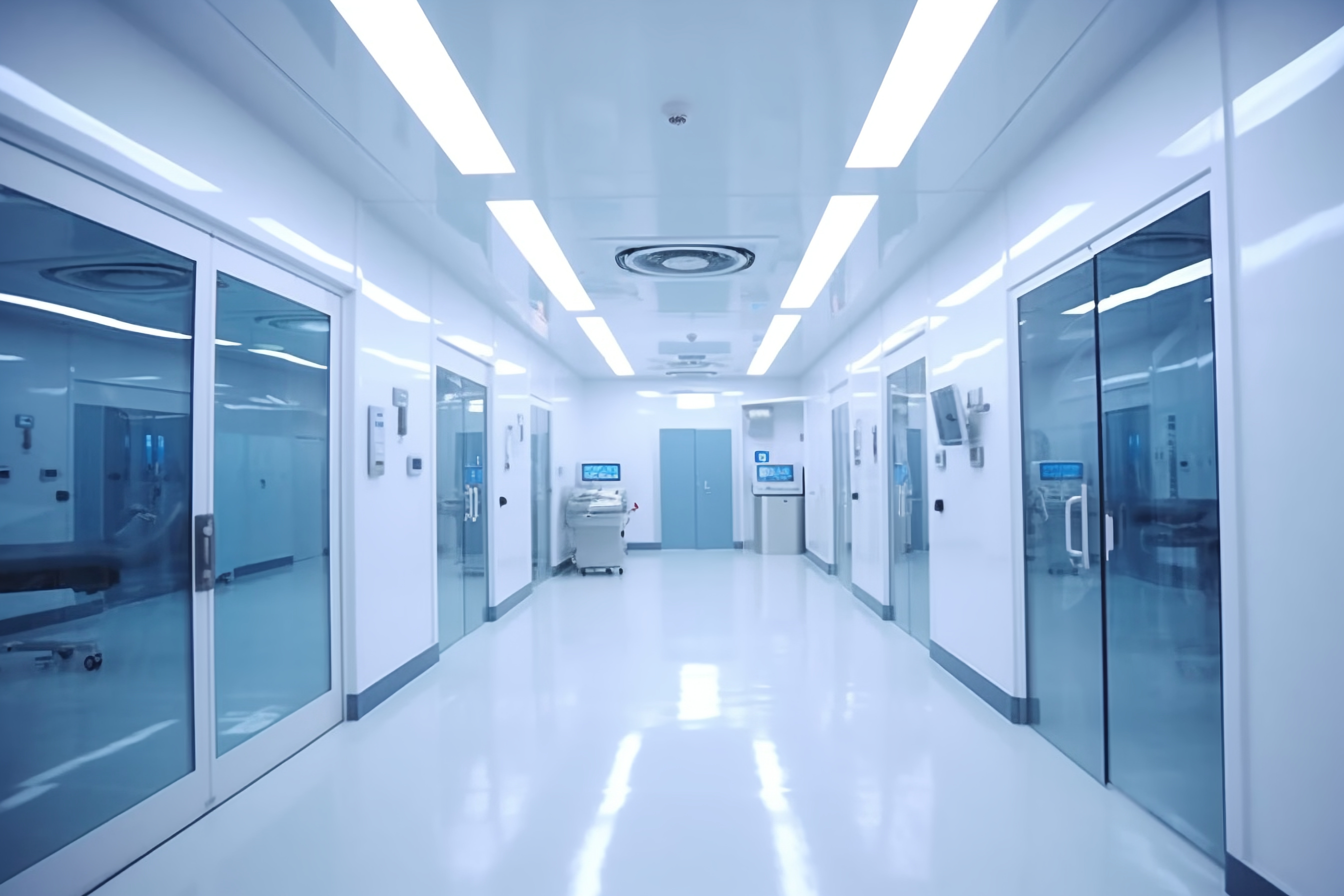 Manufacturing Plant & Public Facilities