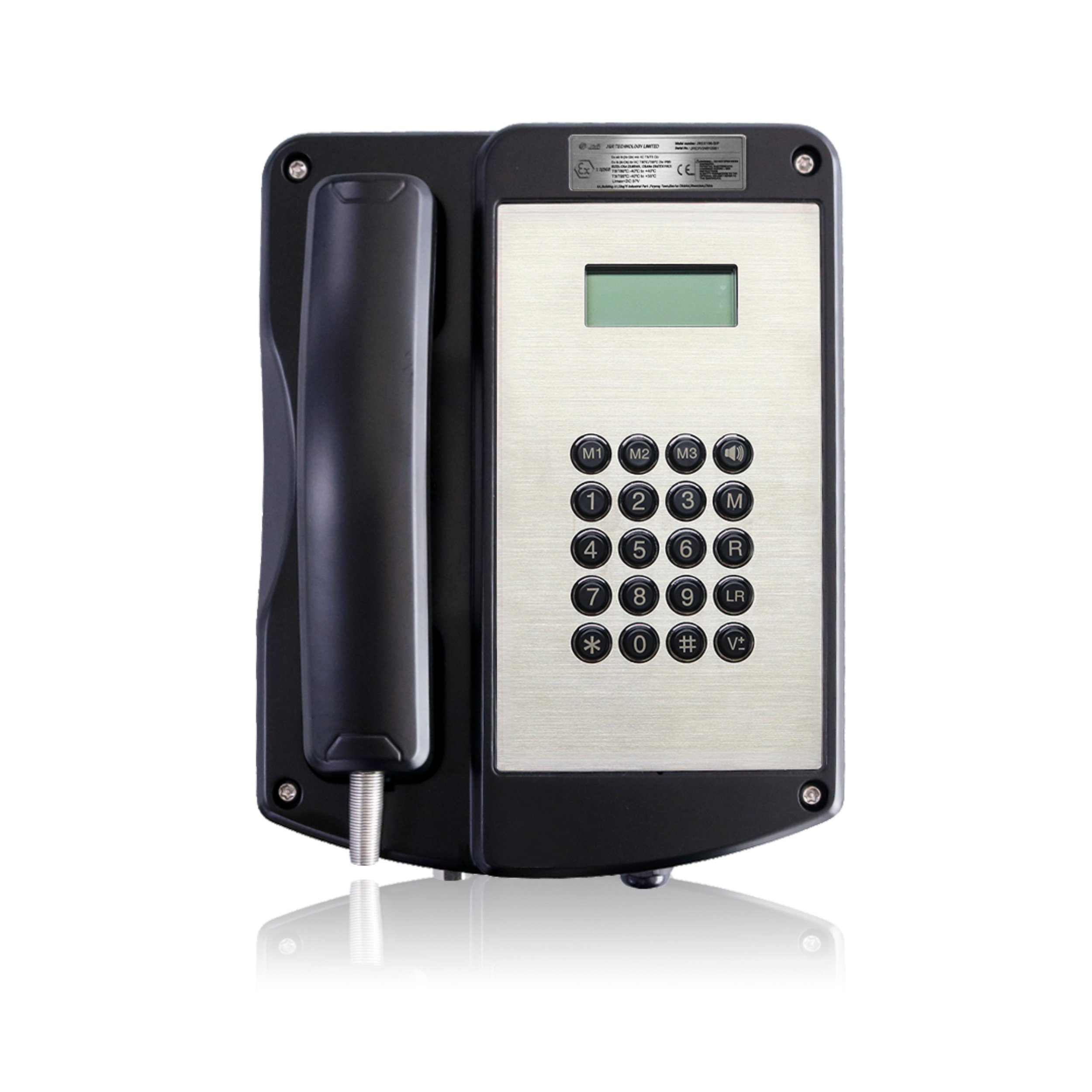
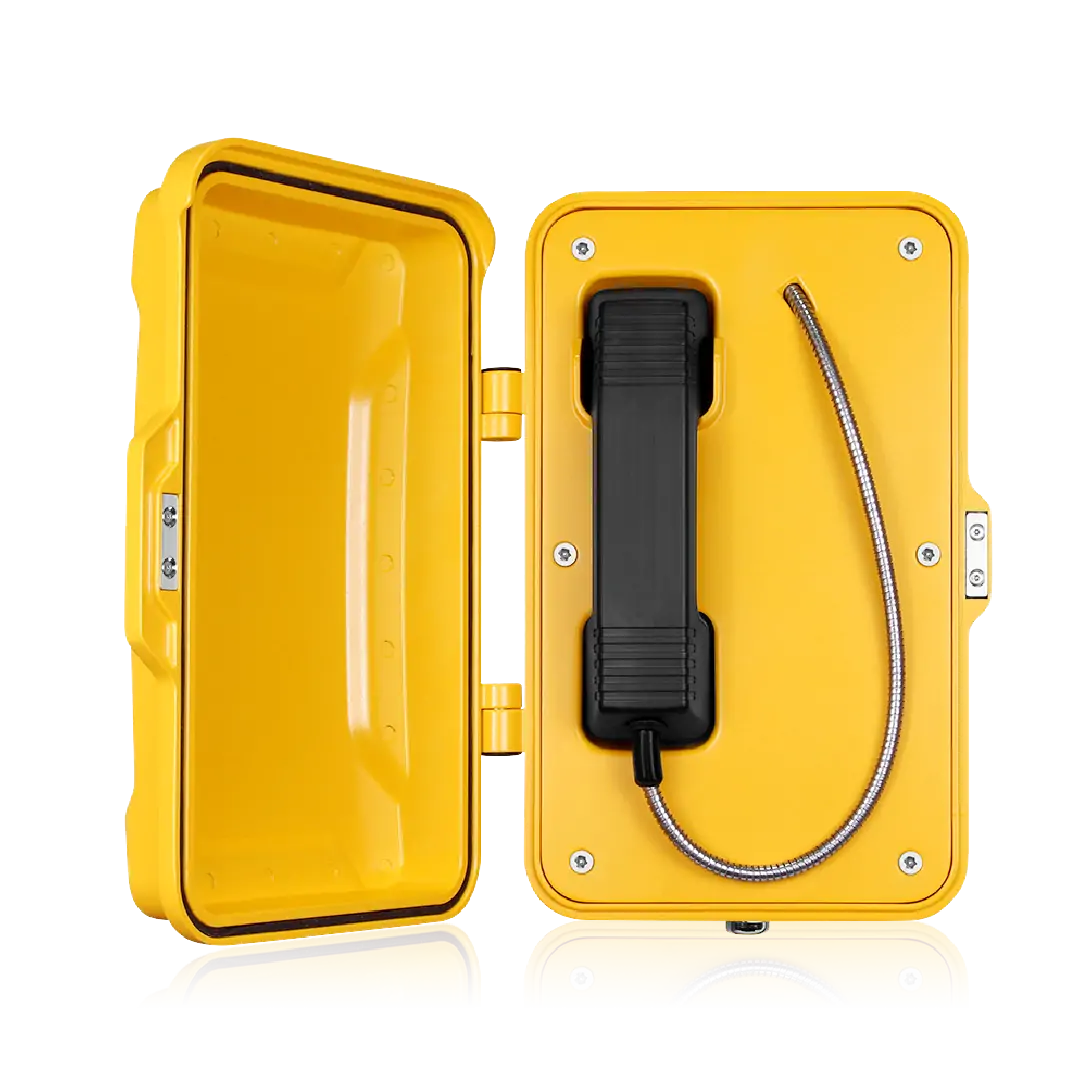
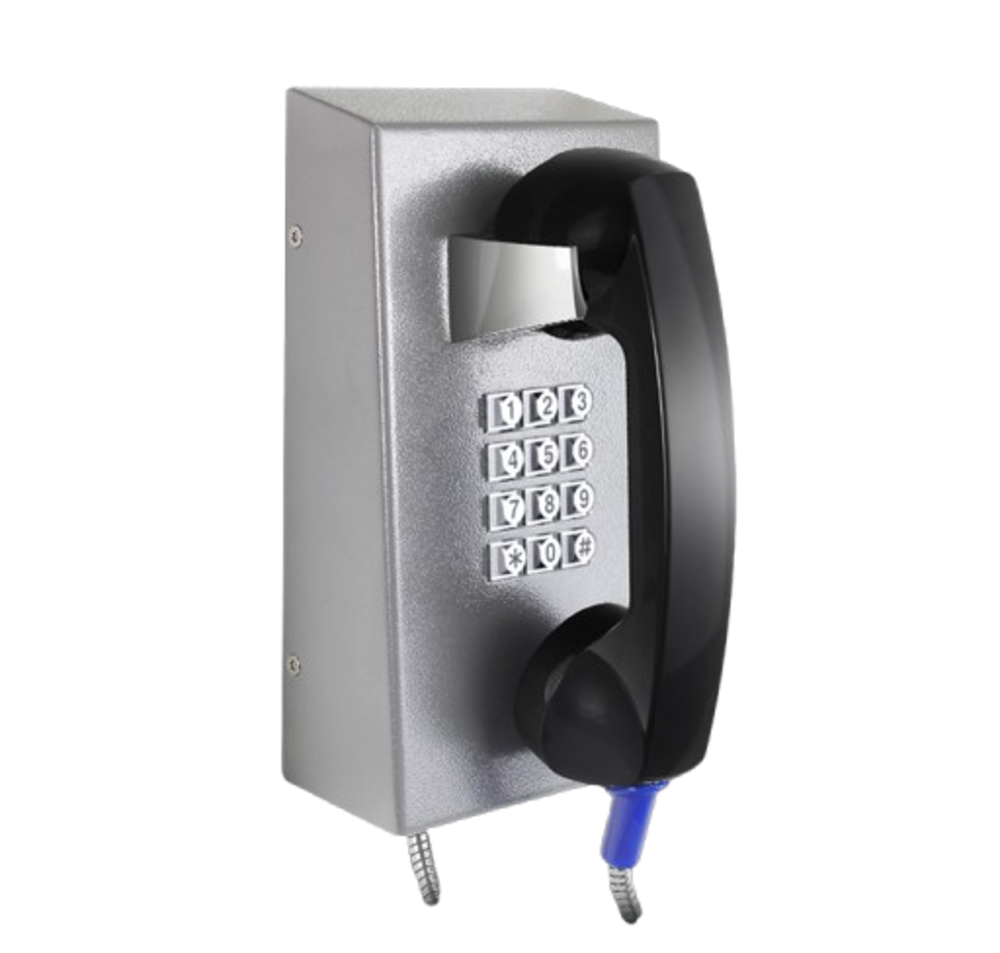
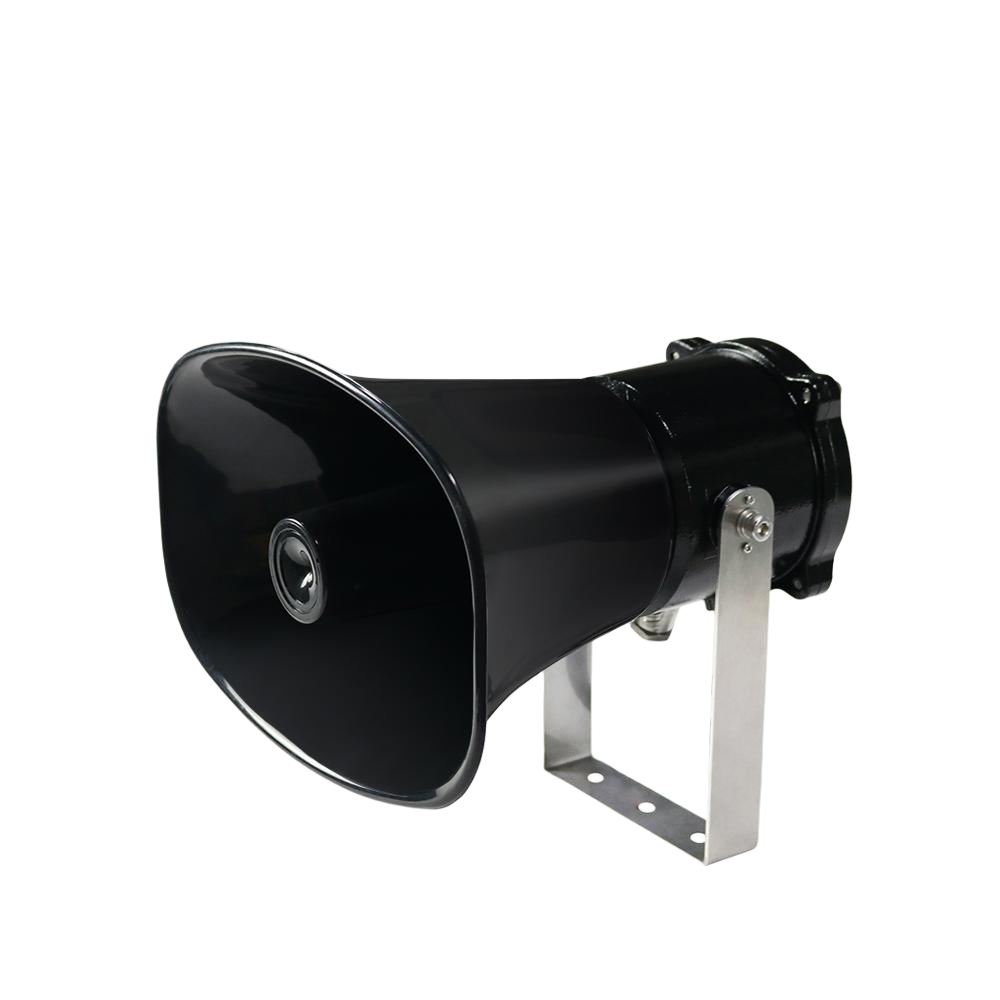
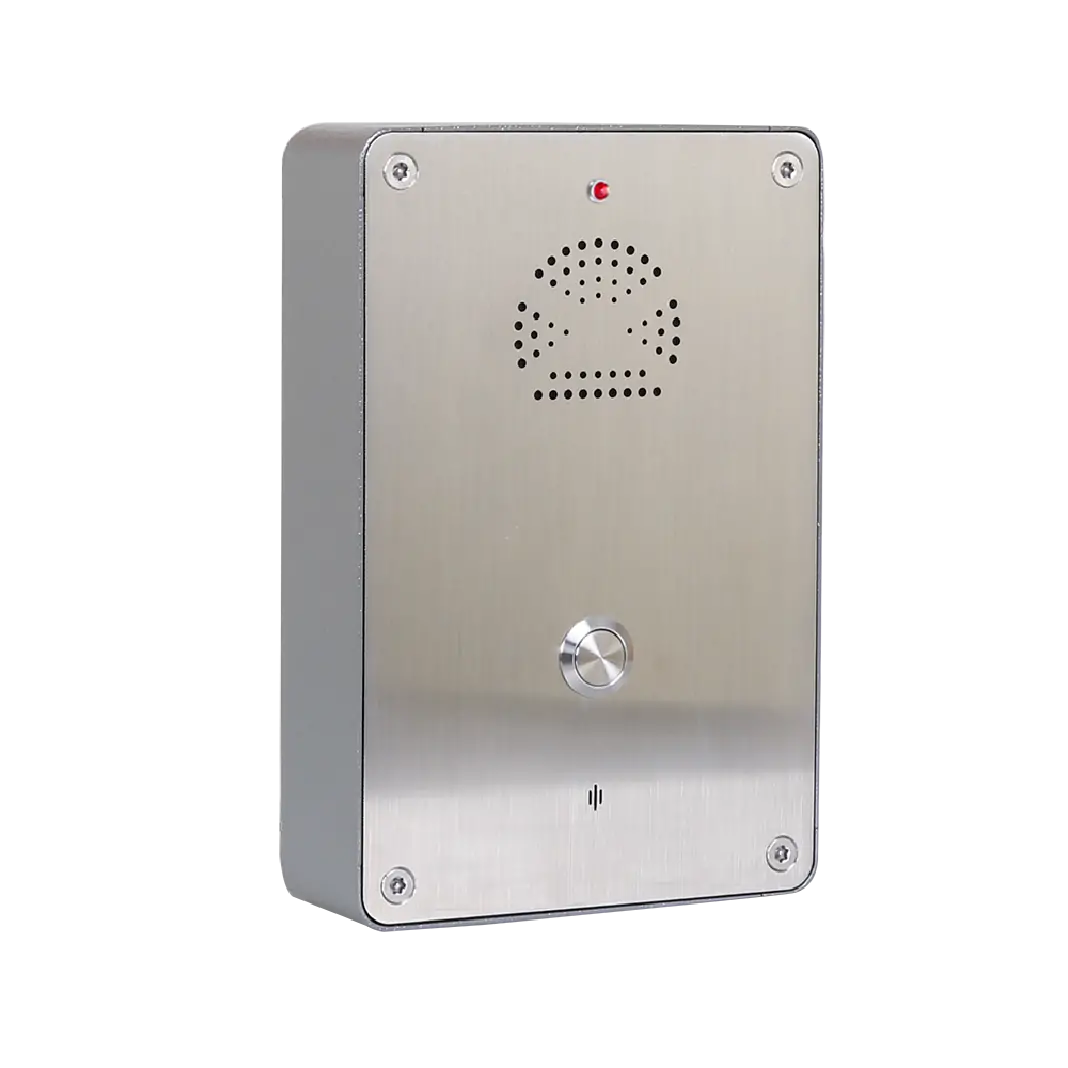
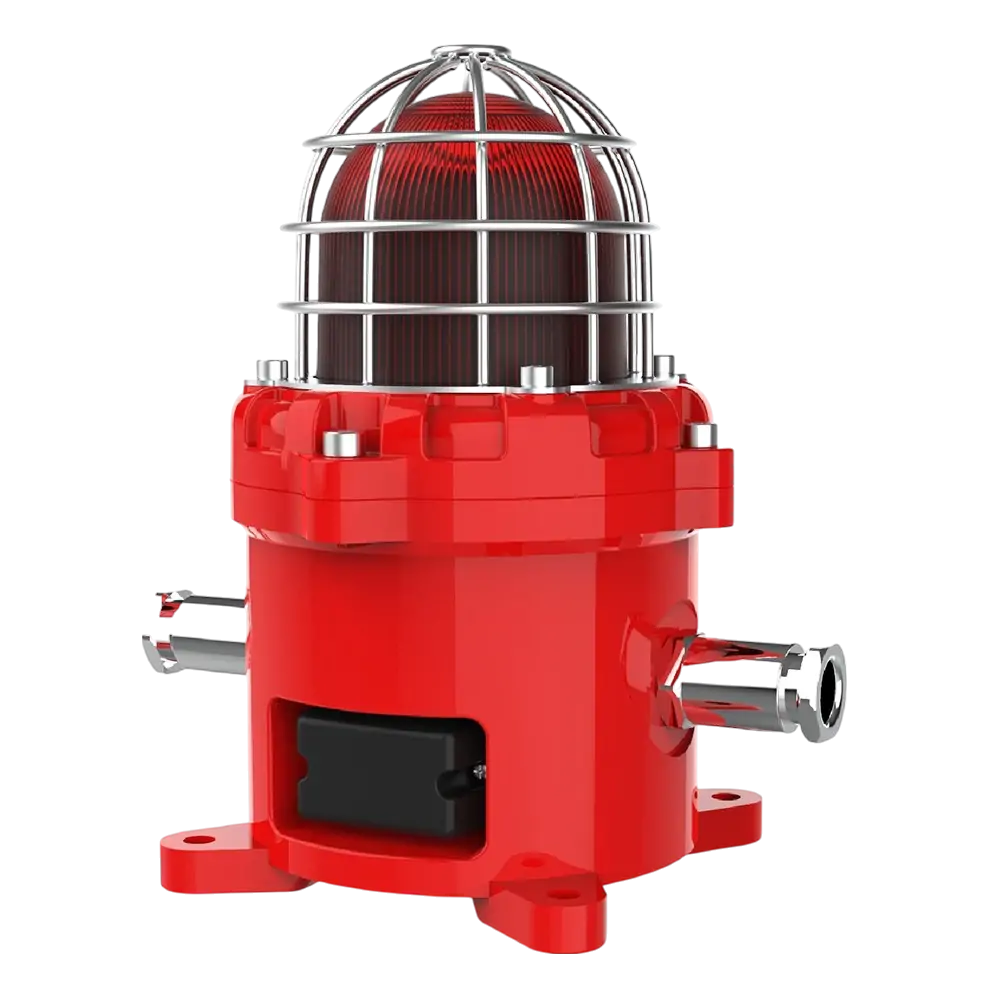
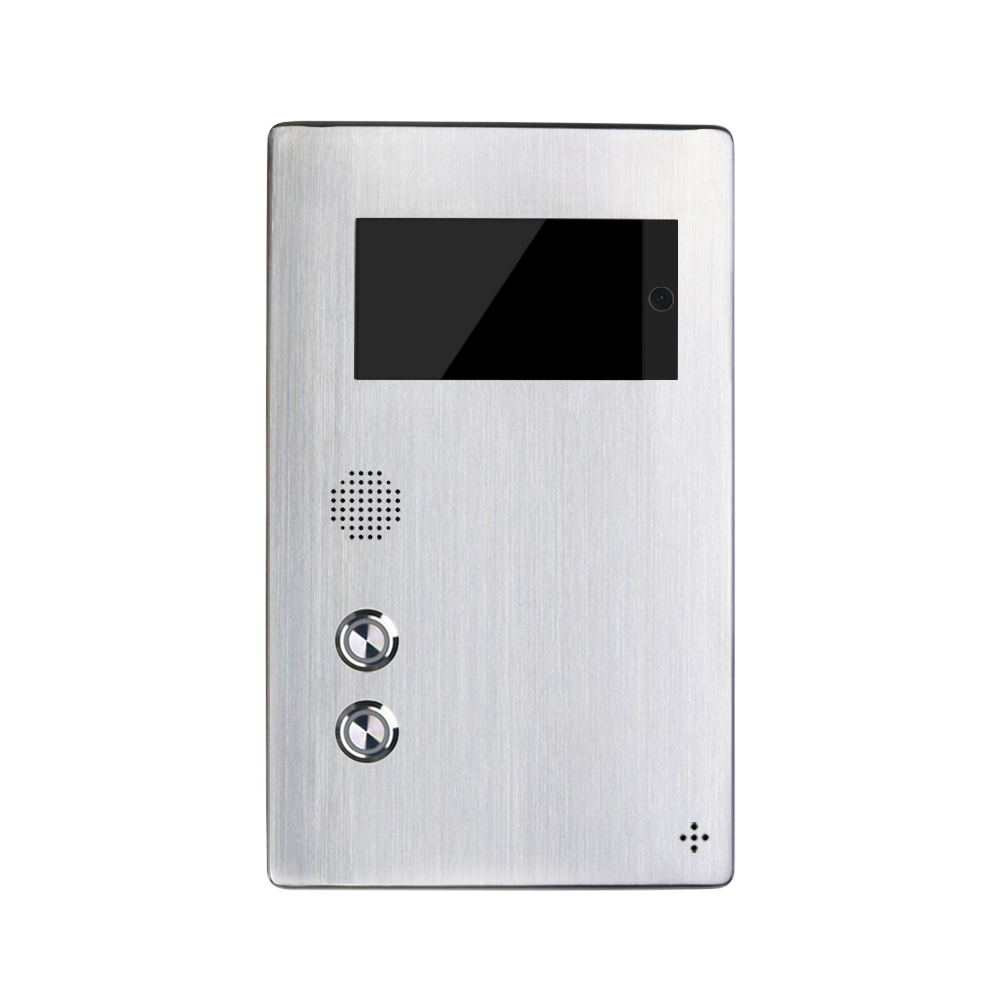
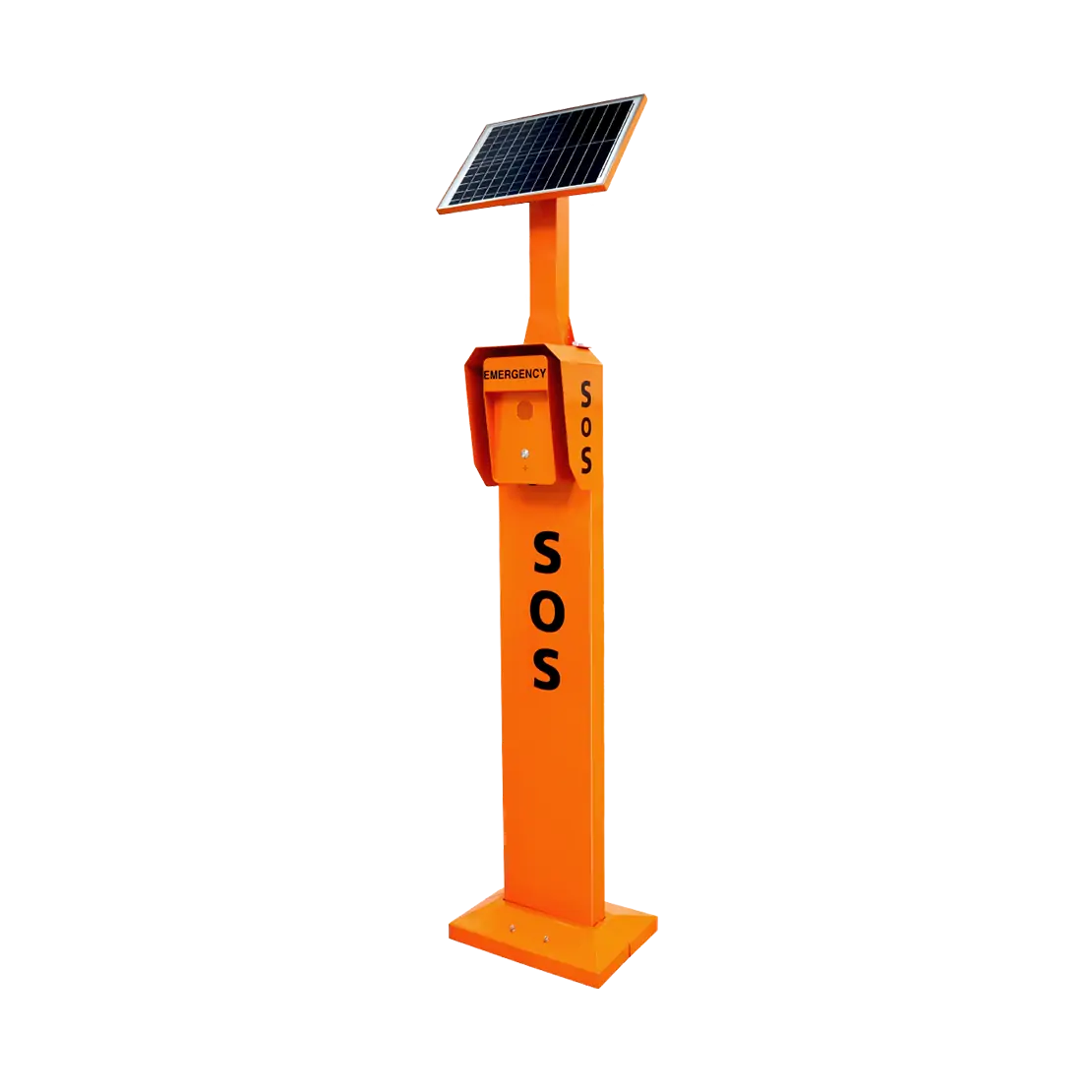
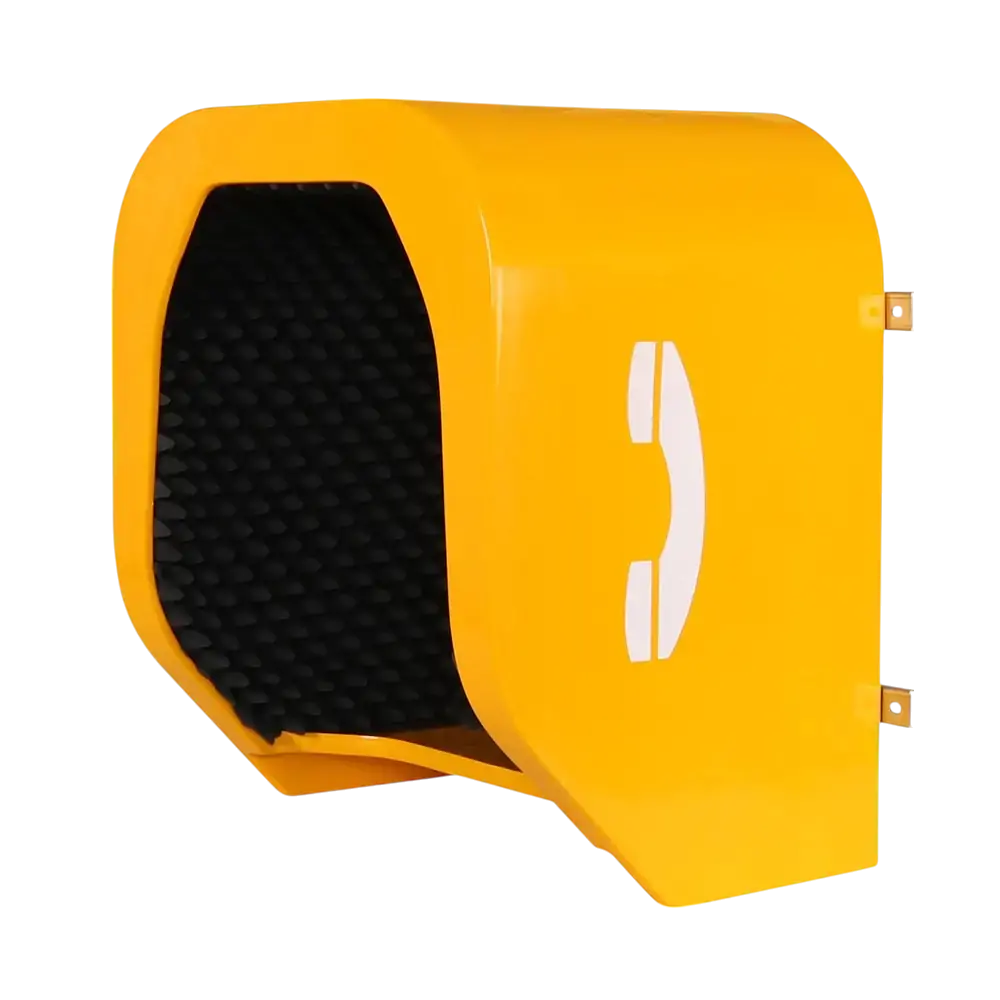
Industrial sites such as tunnels, railways, factories, offshore platforms, and mining areas are often exposed to extreme environmental noise. In these conditions, maintaining clear voice communication is critical for operational efficiency and worker safety. This is where an acoustic hood for telephone becomes an essential part of industrial communication systems.
Designed to reduce surrounding noise and enhance speech intelligibility, acoustic hoods significantly improve the performance of industrial telephones in harsh environments. In this article, we explore how acoustic hoods work, their design principles, installation recommendations, and how they contribute to reliable communication alongside other systems such as <a href="/emergency-communication-device/">emergency communication device</a> solutions and <a href="/emergency-broadcast/">emergency broadcast</a> systems.
Purpose of Acoustic Hoods
An acoustic hood for telephone is specifically engineered to shield users from high ambient noise during communication. In industrial environments where noise levels can exceed 90 dB, standard telephones may become difficult or impossible to use effectively.
The primary purposes of an acoustic hood include:
- Reducing background noise interference
- Improving speech clarity and intelligibility
- Enhancing user concentration during emergency calls
- Supporting safer and faster communication in critical situations
- Protecting communication equipment from dust, moisture, and corrosion
Acoustic hoods are widely used with industrial telephones installed in:
- Oil & gas facilities
- Mining sites
- Railway and metro stations
- Marine and offshore environments
- Manufacturing plants
- Highway emergency call systems
In emergency situations, every second matters. Combining acoustic hoods with an <a href="/emergency-communication-device/">emergency communication device</a> ensures operators and field workers can communicate clearly even in extremely noisy conditions.
Materials & Design Principles
The effectiveness of an acoustic hood largely depends on its materials and structural design.
Noise Reduction Design
Most acoustic hoods are designed with a curved or enclosed structure that partially surrounds the user’s head and telephone area. This design helps block and absorb surrounding noise before it reaches the user's ears.
Common Materials
High-quality acoustic hoods are typically manufactured using:
- Glass Reinforced Plastic (GRP)
- Polyethylene
- Industrial-grade composite materials
- Stainless steel mounting hardware
These materials offer:
- Corrosion resistance
- UV resistance
- Flame retardancy
- Long-term durability in outdoor environments
Acoustic Absorption
Many models include internal acoustic foam or sound-absorbing liners to further reduce reflected noise. The combination of physical shielding and sound absorption can significantly improve speech intelligibility.
Weather Protection
Besides noise reduction, acoustic hoods also provide protection against:
- Rain
- Dust
- Wind
- Chemical exposure
- Salt spray in marine environments
This makes them suitable for integration with outdoor industrial telephones and <a href="/emergency-broadcast/">emergency broadcast</a> systems.
Installation Best Practices
Proper installation is essential to maximize the performance of an acoustic hood for telephone.
Choose the Right Location
Install the hood:
- Away from direct mechanical vibration
- Near operational work zones for quick access
- At an ergonomic height for users
Consider Noise Sources
Whenever possible, position the hood so the opening faces away from the main noise source. This improves noise attenuation and user comfort.
Ensure Stable Mounting
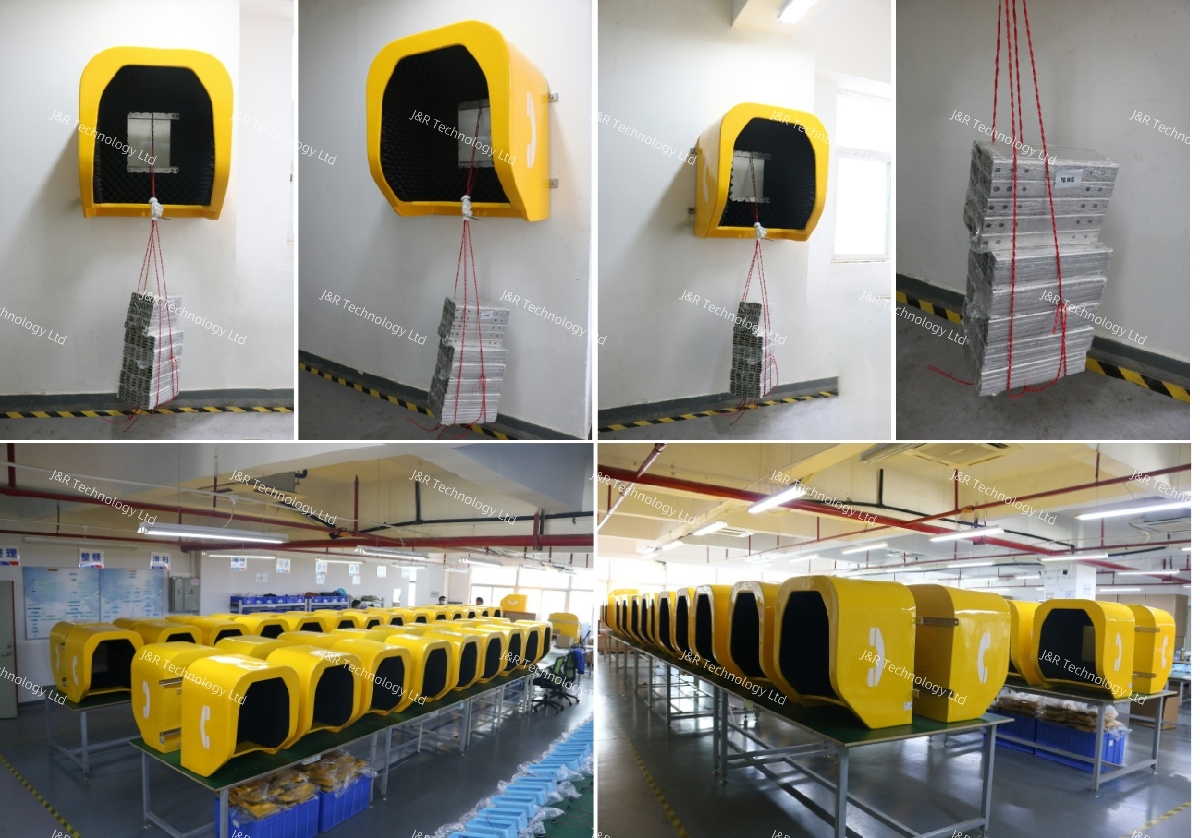
Industrial environments can involve vibration, wind, or heavy equipment movement. Use robust mounting brackets and corrosion-resistant fasteners to ensure long-term stability.
Integrate with Communication Systems
Acoustic hoods are most effective when integrated into a complete emergency communication infrastructure, including:
- Industrial SIP telephones
- VoIP systems
- Paging systems
- <a href="/emergency-broadcast/">emergency broadcast</a> solutions
- Alarm and monitoring platforms
Performance Metrics
Several metrics are used to evaluate the effectiveness of an acoustic hood for telephone.
Noise Reduction Level
A high-performance acoustic hood can reduce ambient noise exposure by approximately 10–25 dB depending on the environment and hood design.
Speech Intelligibility
Clear communication is often measured using speech intelligibility indexes such as:
- STI (Speech Transmission Index)
- CIS (Common Intelligibility Scale)
Better intelligibility leads to fewer communication errors during critical operations.
Environmental Protection Rating
Industrial acoustic hoods are often evaluated for:
- Impact resistance
- UV stability
- Corrosion resistance
- Weatherproof performance
User Comfort
Ergonomic design also plays a role in performance. Adequate internal space and proper sound insulation improve user experience during long or urgent calls.
Maintenance Tips
Routine maintenance helps extend the service life of acoustic hoods and maintain optimal communication performance.
Regular Cleaning
Remove dust, oil, salt deposits, and industrial debris from:
- Hood surfaces
- Acoustic liners
- Telephone components
Inspect Mounting Hardware
Check for:
- Loose bolts
- Corrosion
- Structural cracks
- Vibration damage
Replace Damaged Acoustic Foam
Over time, internal acoustic materials may degrade due to:
- Moisture
- UV exposure
- Chemical contact
Replacing worn liners helps maintain noise reduction performance.
Verify Communication Quality
Conduct periodic testing to ensure:
- Clear audio transmission
- Functional telephone operation
- Reliable integration with <a href="/emergency-communication-device/">emergency communication device</a> networks
Conclusion
An acoustic hood for telephone is a critical solution for maintaining reliable voice communication in noisy industrial environments. By reducing ambient noise, improving speech clarity, and protecting communication equipment, acoustic hoods contribute significantly to operational safety and emergency response efficiency.
When integrated with industrial telephones, <a href="/emergency-communication-device/">emergency communication device</a> systems, and <a href="/emergency-broadcast/">emergency broadcast</a> platforms, acoustic hoods help ensure clear and dependable communication where it matters most.


 Prisons & Correctional Facilities
 Transportation & Underground Infrastructure
 Critical Industrial & Energy Facilities
 Marine & Offshore
 Manufacturing Plant & Public Facilities