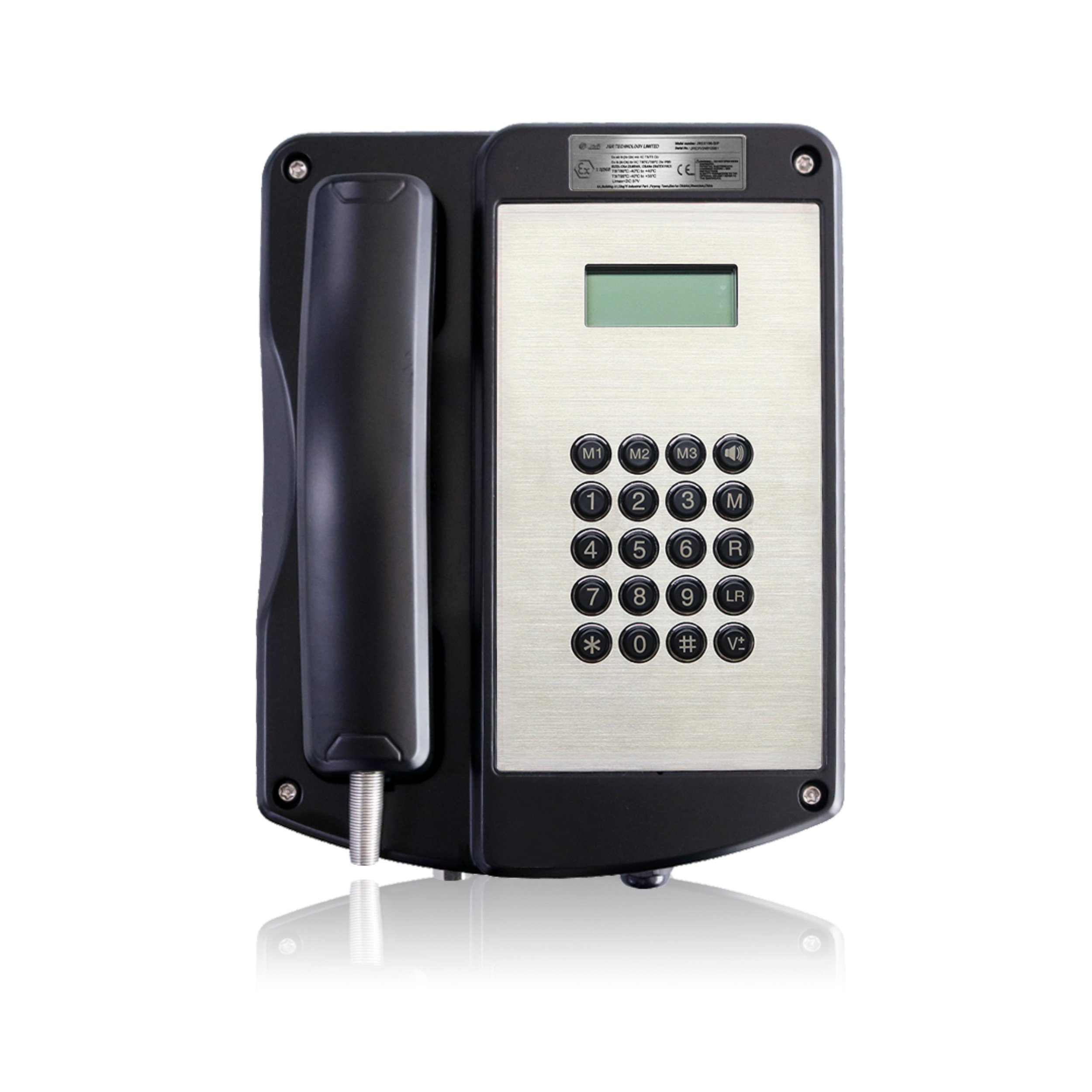
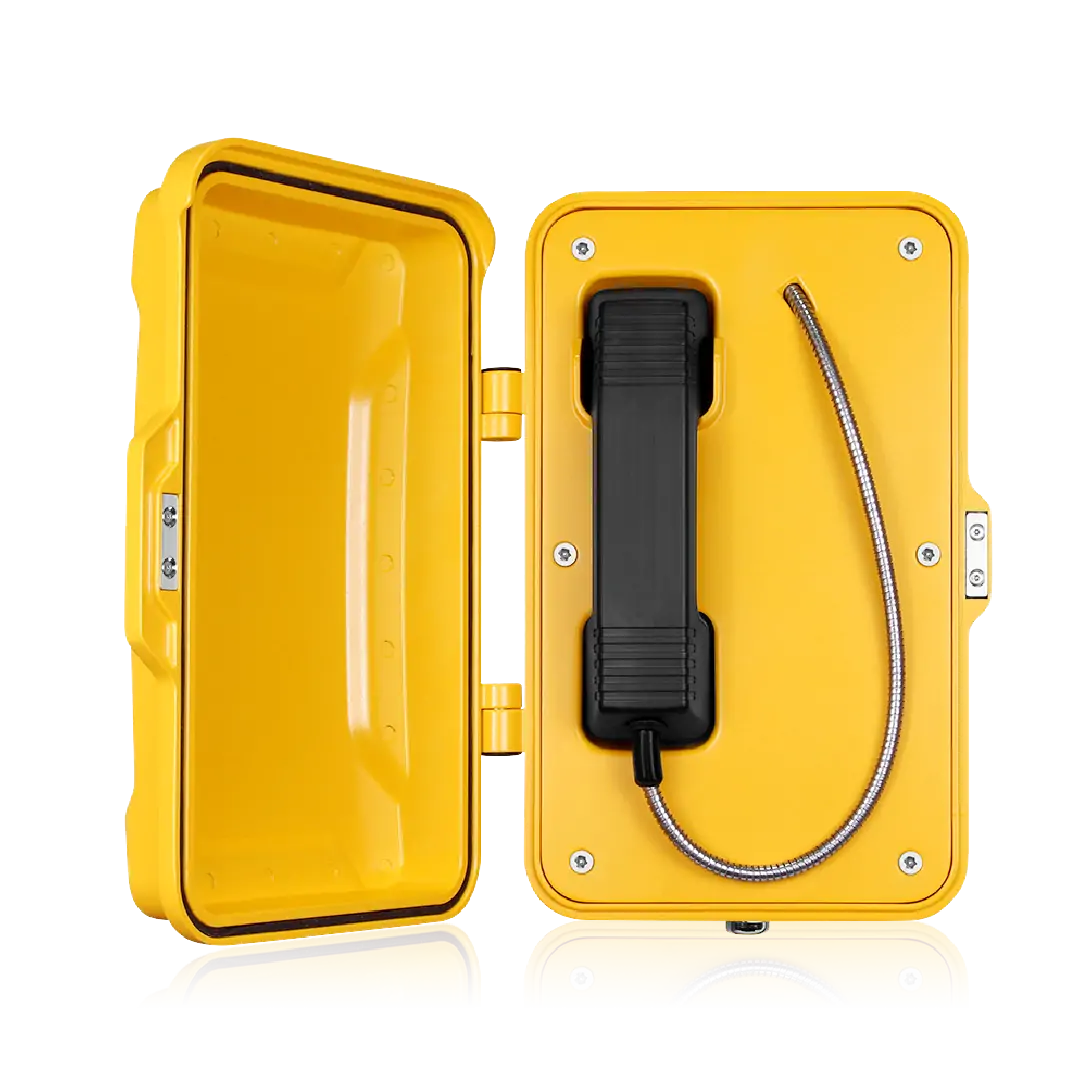
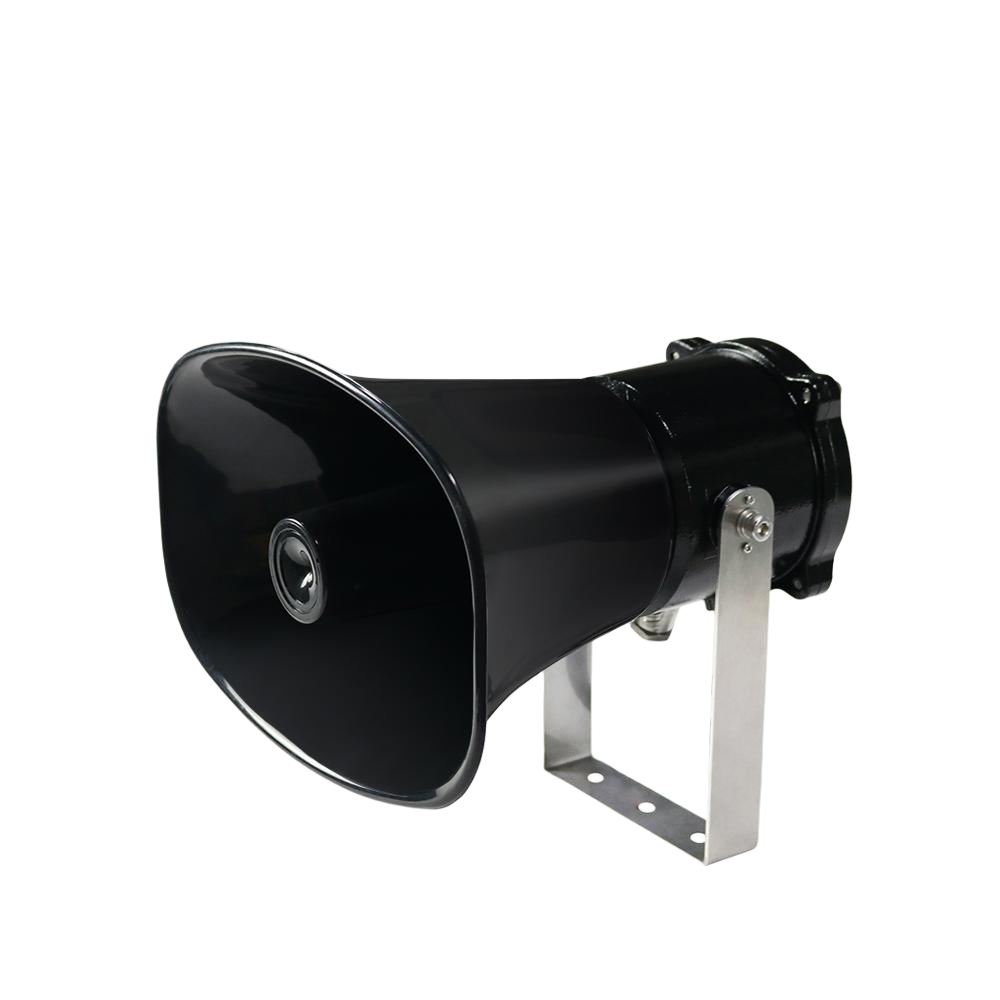
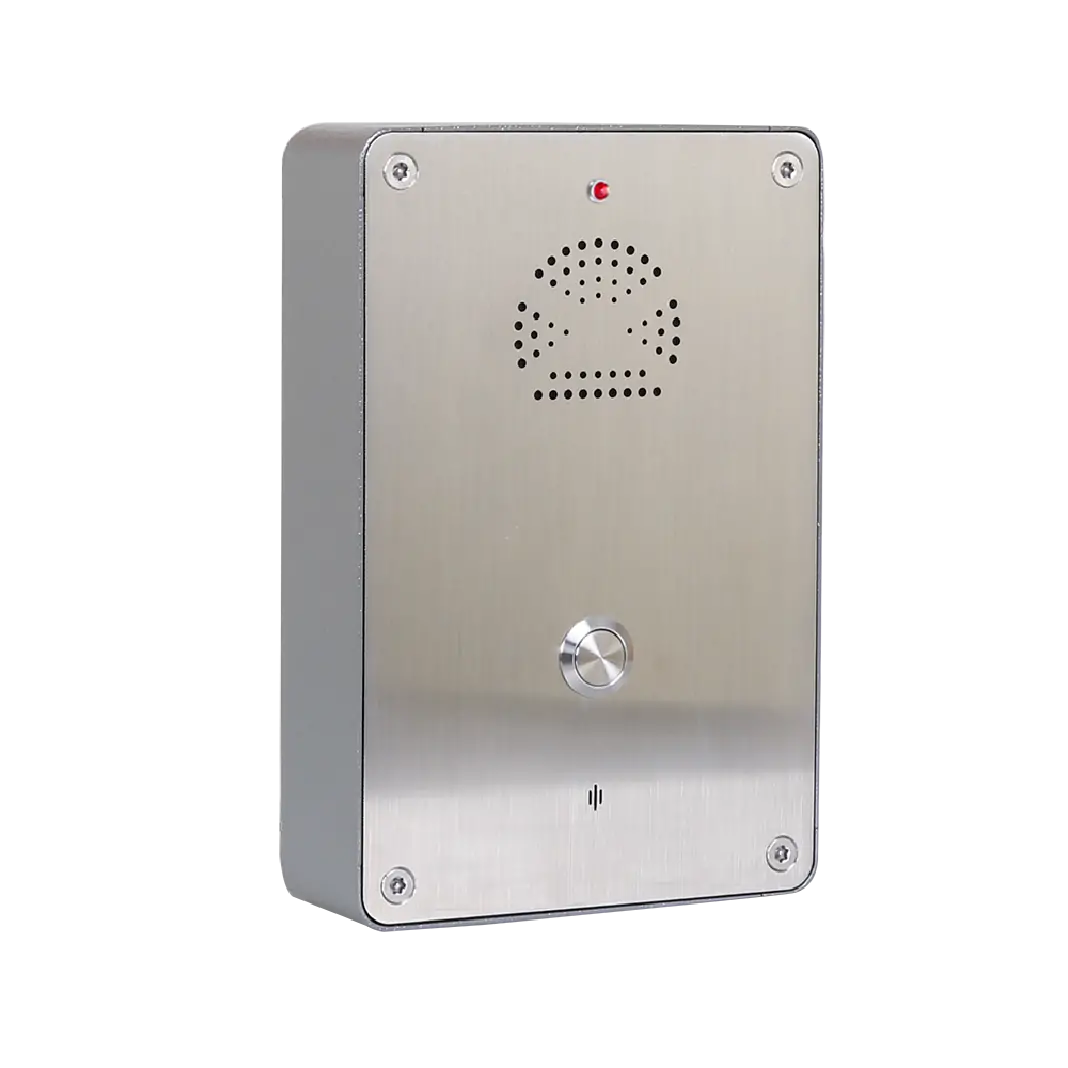
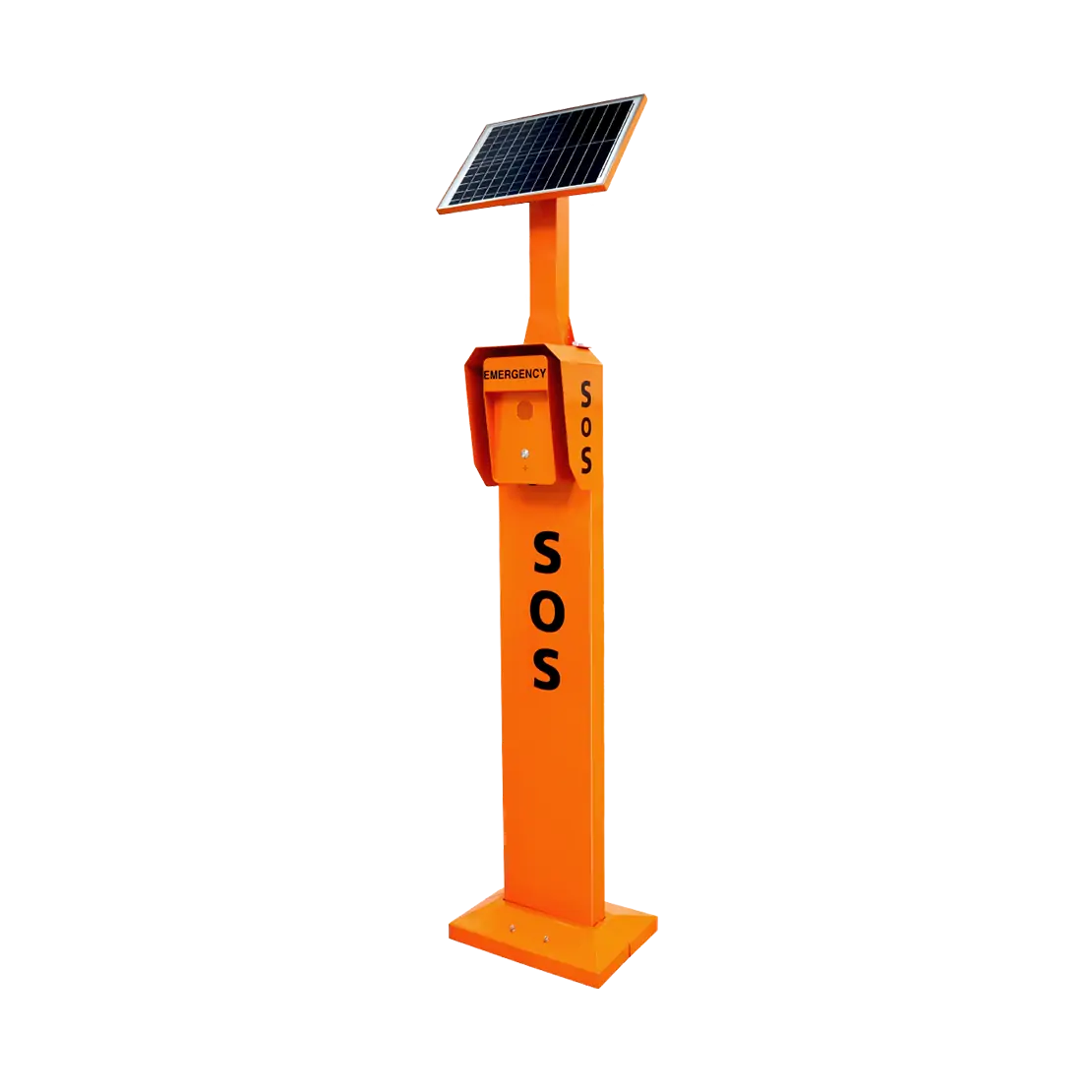
Although digital communication technologies continue to evolve rapidly, the analog telephone still plays an important role in many industrial, transportation, and remote communication systems. Known for its reliability, simplicity, and stable long-distance performance, analog telephone technology remains widely used in environments where communication stability is more important than advanced digital features.
From tunnels and railways to industrial plants and remote infrastructure projects, analog telephones continue to support critical voice communication and integrate effectively with systems such as <a href="/emergency-call-system/">emergency call system</a> and <a href="/intercom-communication-system/">intercom communication system</a> solutions.
In this article, we explore why analog telephones are still valuable for medium and long-distance communication applications.
Basics of Analog Telephone Technology
An analog telephone transmits voice signals through continuous electrical waveforms over copper wire networks. Unlike digital systems that convert voice into data packets, analog communication carries the original sound signal directly through electrical transmission.
Traditional analog telephone systems typically include:
- Telephone handsets
- Copper cable infrastructure
- Analog exchanges or PBX systems
- PSTN (Public Switched Telephone Network) connectivity
One of the biggest advantages of analog technology is its simplicity. The system architecture is straightforward, making installation, troubleshooting, and maintenance easier compared to many complex digital communication systems.
In industrial environments, analog telephones are often favored because they can continue operating reliably even in areas with unstable network infrastructure or limited digital connectivity.
Reliability Over Medium and Long Distances
One reason the analog telephone remains popular is its strong reliability over medium and long transmission distances.
Stable Voice Transmission
Analog communication provides continuous voice transmission with minimal processing delay. In many applications, this results in stable and natural-sounding communication.
Less Dependence on Network Infrastructure
Unlike IP-based communication systems, analog telephones do not rely heavily on:
- Internet connectivity
- Data servers
- Complex software configurations
- Network switching equipment
This reduces the risk of communication interruptions caused by network failures or cyber-related issues.
Effective in Harsh Environments
Industrial and outdoor environments often involve:
- Electromagnetic interference
- Extreme temperatures
- Dust and moisture
- Power fluctuations
Analog systems are generally more tolerant of these harsh conditions, especially when paired with rugged industrial telephones and <a href="/emergency-call-system/">emergency call system</a> infrastructure.
Long Cable Distance Support
Analog systems can support reliable communication over relatively long cable distances without requiring sophisticated network equipment. This makes them suitable for:
- Tunnels
- Highways
- Pipelines
- Mining sites
- Railway tracks
Cost-Effectiveness Compared to Digital Systems
Another major advantage of analog telephone systems is cost efficiency.
Lower Initial Investment
Analog systems usually require:
- Simpler infrastructure
- Lower equipment costs
- Minimal software licensing
- Reduced network configuration
For many industrial projects, this significantly lowers deployment expenses.
Easier Maintenance
Maintenance personnel can often diagnose analog systems using basic tools and standard electrical testing methods. This reduces:
- Technical complexity
- Maintenance training costs
- Downtime during repairs
Long Service Life
Industrial analog telephones are known for their durability and long operational lifespan. Many systems remain functional for decades with proper maintenance.
Ideal for Budget-Conscious Projects
For remote projects or facilities where advanced digital functions are unnecessary, analog communication remains a highly practical solution.
In many cases, analog telephones work alongside <a href="/intercom-communication-system/">intercom communication system</a> platforms to provide dependable and cost-effective voice communication.
Use Cases in Industrial and Remote Areas
Analog telephone systems continue to be widely used in various industries and remote applications.
Railway and Metro Systems
Railway operators use analog telephones for:
- Tunnel emergency communication
- Platform assistance
- Trackside emergency calls
- Maintenance communication
Mining Industry
Mining environments require communication systems that can withstand:
- Dust
- Vibration
- Humidity
- Explosive atmospheres
Analog industrial telephones remain a common solution in underground mines and remote extraction sites.
Oil & Gas Facilities
Offshore platforms and refineries often use analog telephones because of their:
- Stability
- Low maintenance requirements
- Compatibility with hazardous-area equipment
Highway Emergency Networks
Roadside emergency telephones connected through analog infrastructure can provide reliable communication even in isolated areas.
Industrial Manufacturing Plants
Factories and heavy industrial facilities frequently integrate analog telephones into:
- Plant-wide paging systems
- <a href="/intercom-communication-system/">intercom communication system</a> networks
- Safety and emergency communication platforms
Limitations and Future Outlook
While analog telephone systems offer many advantages, they also have certain limitations.
Limited Advanced Features
Compared to digital systems, analog telephones generally lack:
- Video communication
- Data integration
- Remote software management
- Advanced call analytics
Scalability Challenges
Large-scale modern communication networks often favor IP-based systems because they are easier to expand and integrate with digital infrastructure.
Gradual Digital Transition
Many industries are transitioning toward:
- SIP telephony
- VoIP systems
- Cloud-based communication
- Smart industrial networks
However, analog technology is unlikely to disappear completely in the near future.
Continued Relevance in Critical Environments
For critical communication scenarios where reliability, simplicity, and low maintenance are priorities, analog telephone systems still provide significant value.
Many modern industrial communication projects now adopt hybrid solutions, combining analog telephones with digital platforms, <a href="/emergency-call-system/">emergency call system</a> solutions, and intelligent <a href="/intercom-communication-system/">intercom communication system</a> technologies.
Conclusion
Despite the rapid growth of digital communication technologies, the analog telephone remains an effective and reliable solution for medium and long-distance communication applications.
Its stable performance, simple infrastructure, cost-effectiveness, and resilience in harsh environments make it particularly valuable in industrial facilities, transportation systems, mining operations, and remote areas.
As industries continue to modernize, analog telephones will likely continue serving as an important part of hybrid communication networks, especially in safety-critical environments where dependable voice communication is essential.


 Prisons & Correctional Facilities
 Transportation & Underground Infrastructure
 Critical Industrial & Energy Facilities
 Marine & Offshore
 Manufacturing Plant & Public Facilities