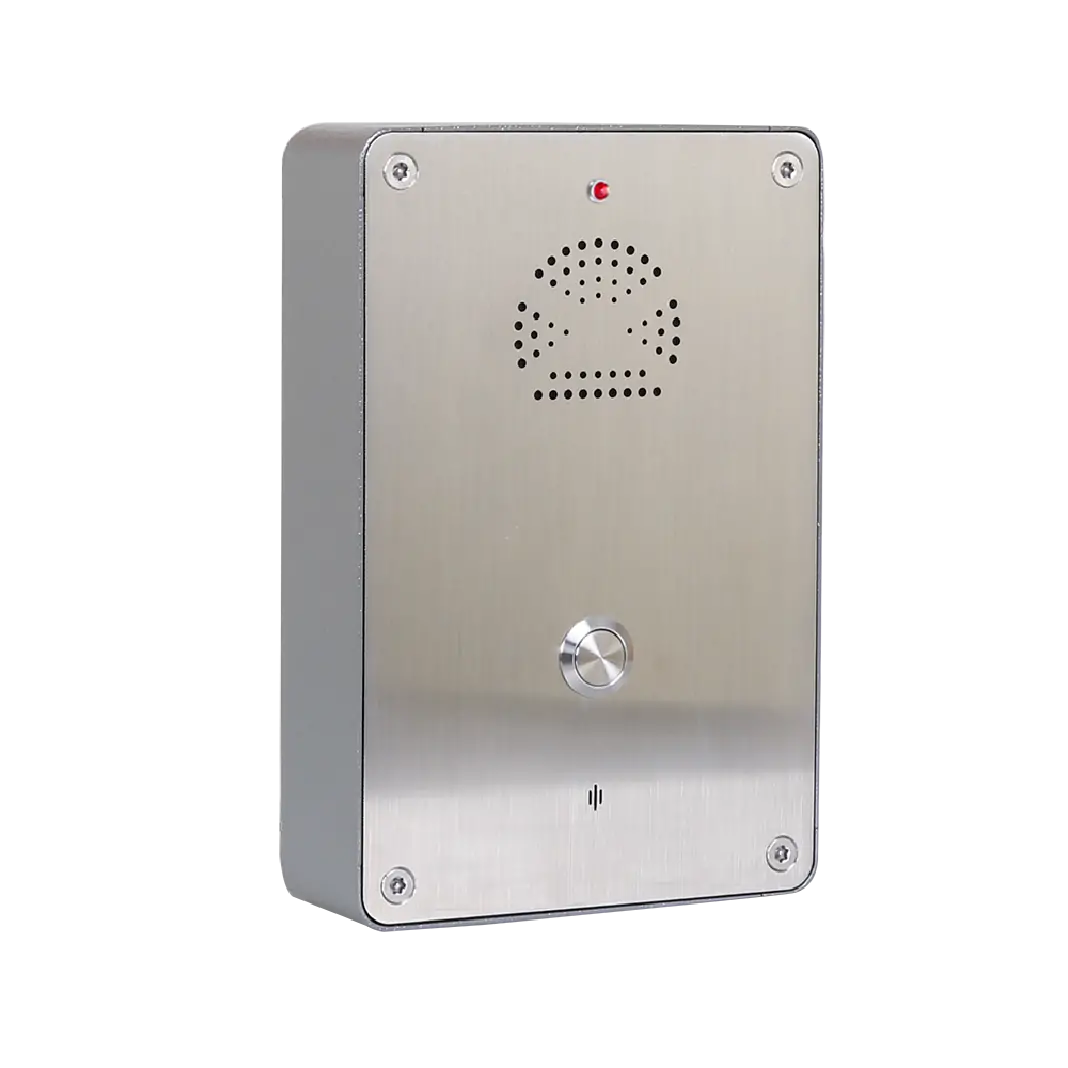
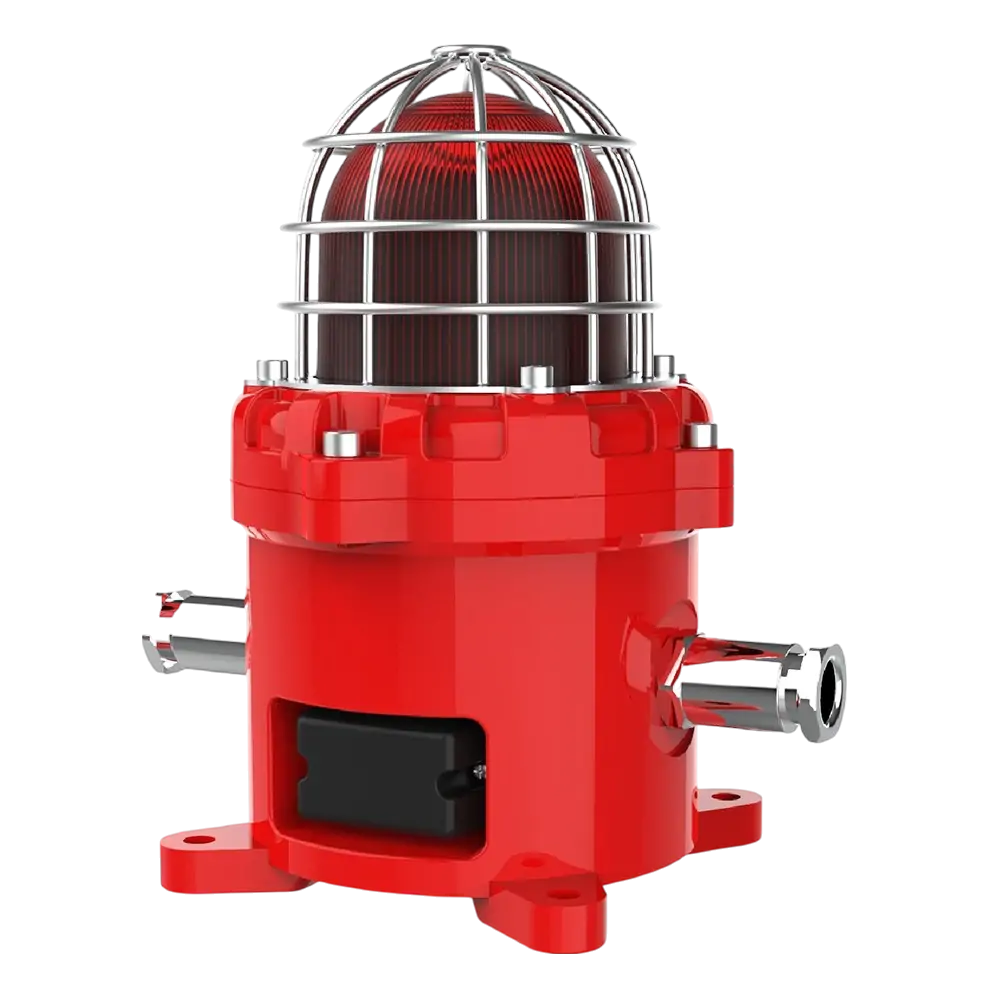
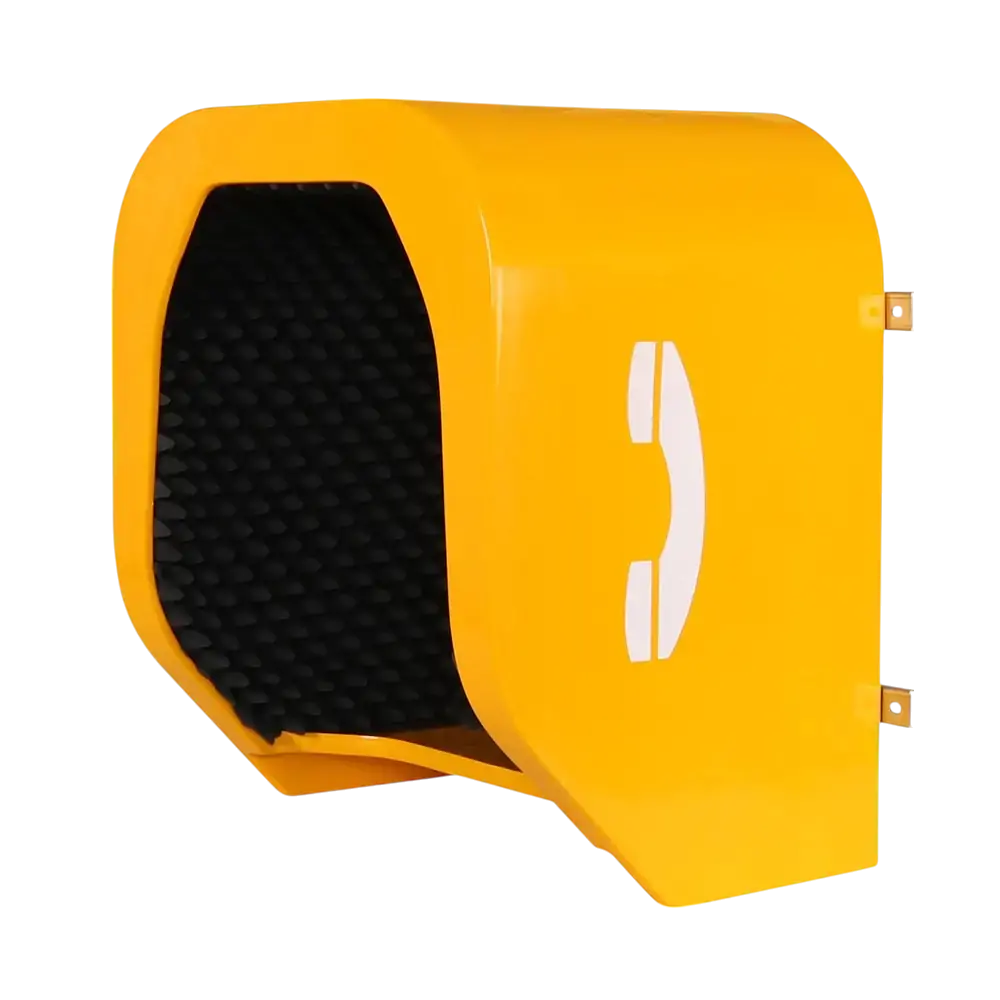
Reliable communication is a critical safety requirement in mining operations. In underground environments where GPS signals fail and physical barriers block conventional networks, maintaining continuous connectivity becomes a complex engineering challenge. Understanding how do miners communicate underground is essential for improving operational safety, coordination, and emergency response efficiency.
Modern mining communication systems combine multiple technologies—including leaky feeder systems, digital radios, and integrated safety networks—to ensure workers remain connected even in extreme conditions.
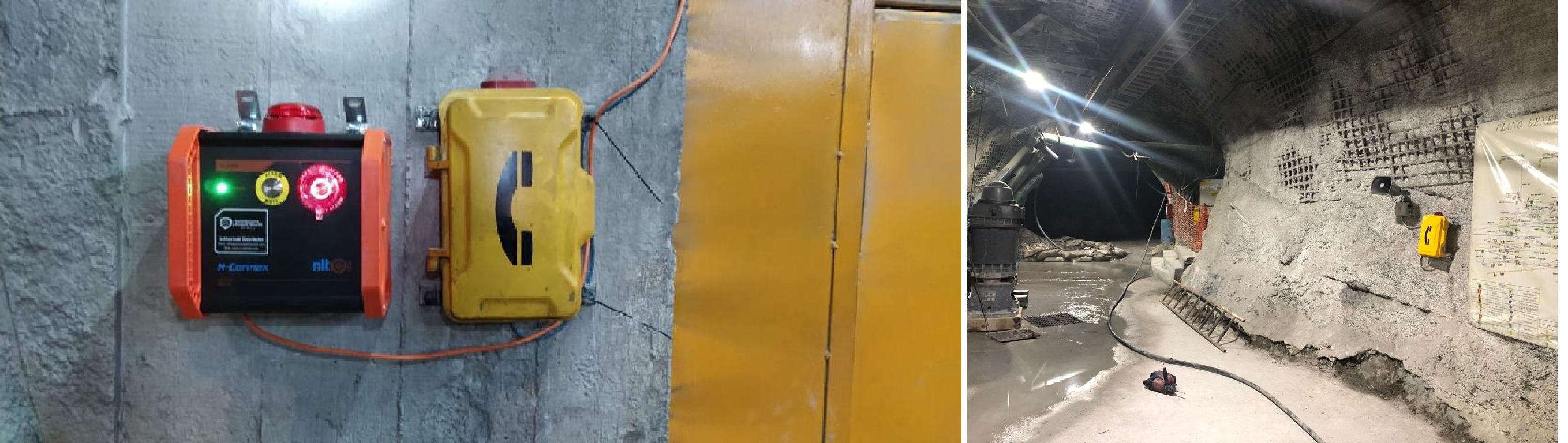
Underground Comms Challenges
Underground mining environments present unique communication barriers that significantly impact signal transmission and system reliability.
Key challenges include:
- Rock and soil attenuation of radio signals
- Complex tunnel geometries and depth variations
- High humidity, dust, and vibration conditions
- Equipment interference and electromagnetic noise
- Limited line-of-sight communication paths
- Frequent network interruptions due to blasting or excavation
These conditions make conventional wireless communication systems ineffective without specialized infrastructure.
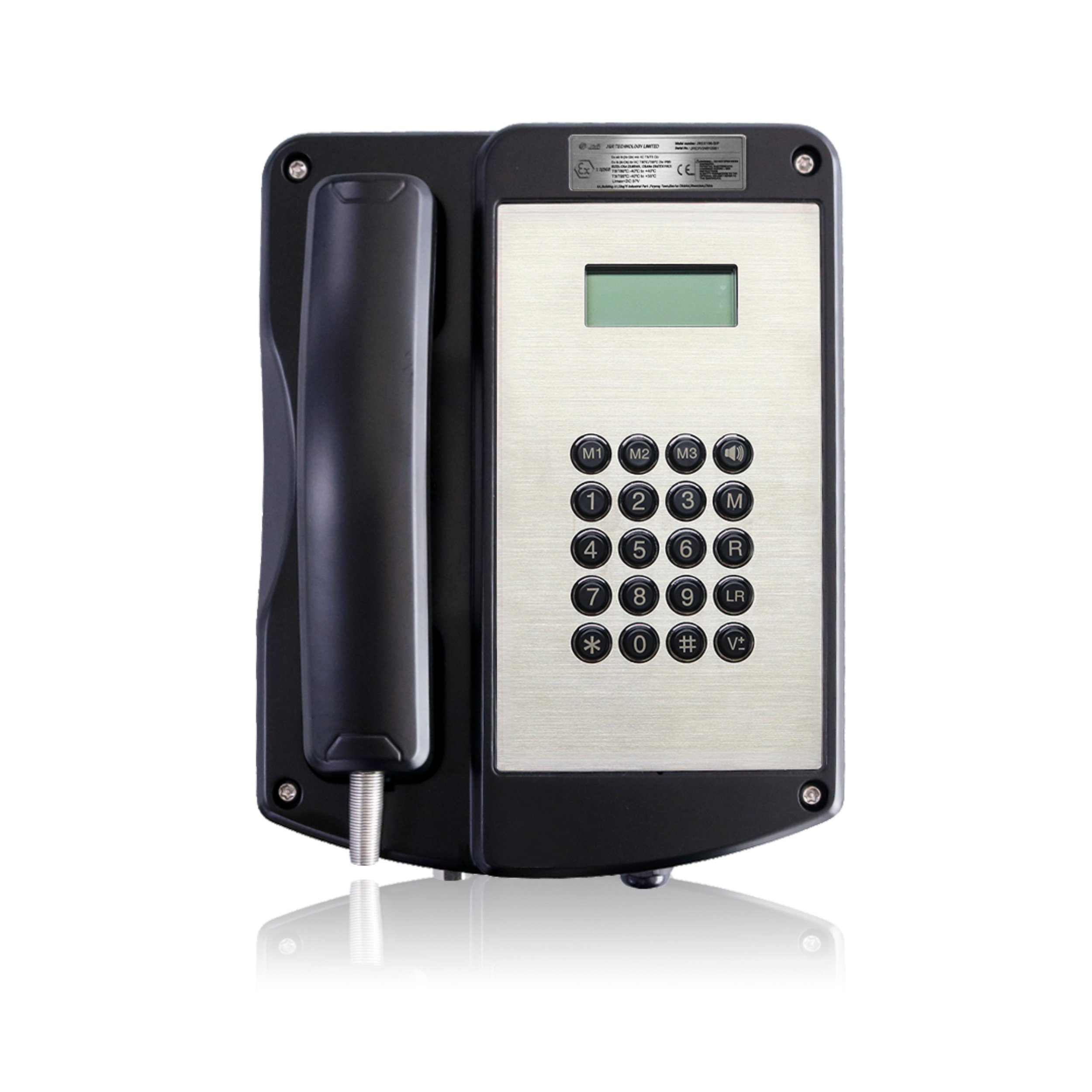
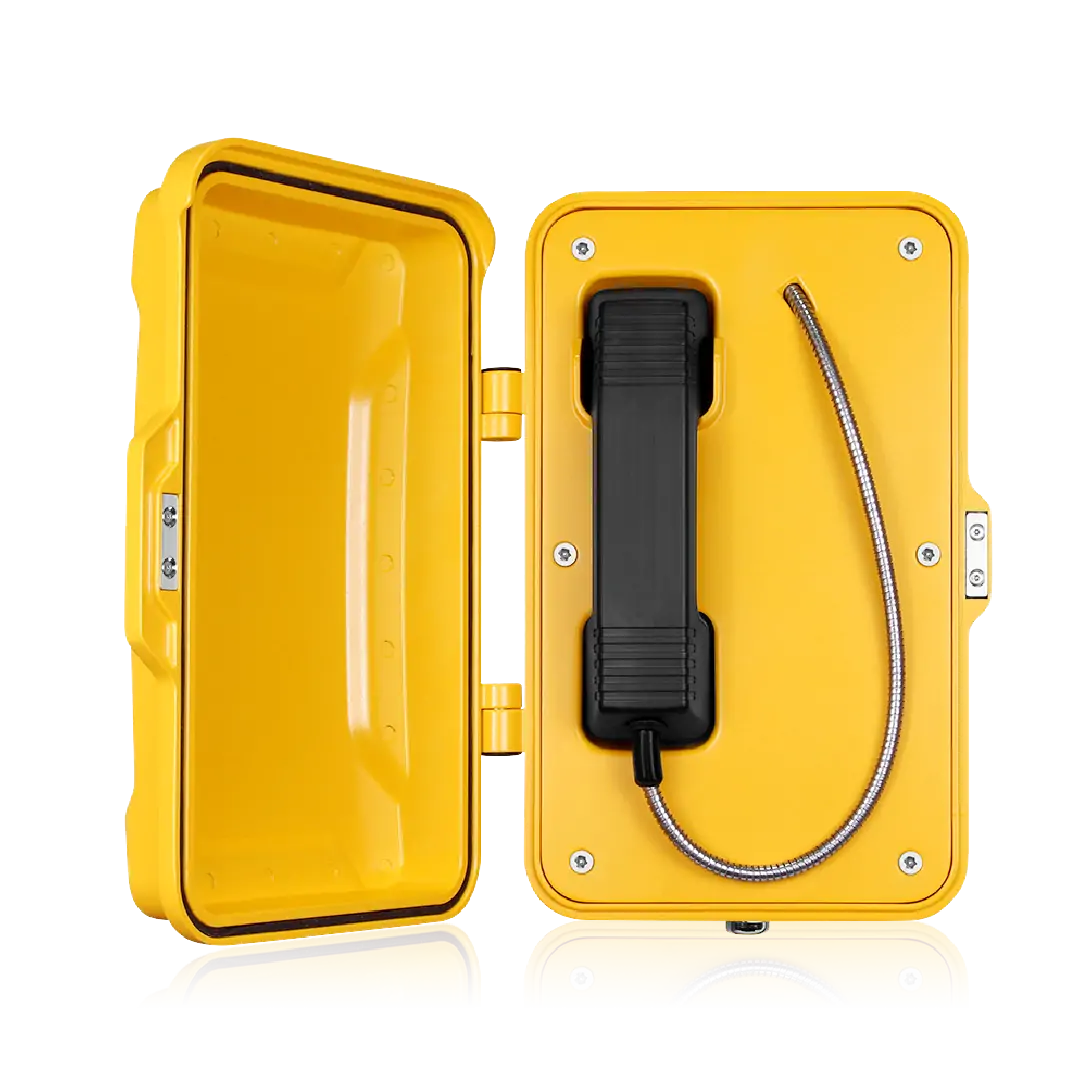
To overcome these limitations, mining operators deploy dedicated underground communication architectures designed for resilience, redundancy, and safety-critical performance. Many of these systems are also integrated with an emergency call system to ensure workers can trigger alerts immediately in case of incidents.
Leaky Feeder & DAS
One of the most widely used solutions in underground mines is the leaky feeder system, often combined with Distributed Antenna Systems (DAS).
Leaky Feeder Systems
A leaky feeder cable functions like a long antenna that runs through mine tunnels, allowing radio signals to “leak” in and out along its length.
Key advantages include:
- Continuous coverage along tunnels and shafts
- Reliable signal transmission over long distances
- Compatibility with handheld radios
- Relatively simple maintenance compared to full mesh networks
Leaky feeder systems are especially effective in deep mining environments where traditional RF signals cannot penetrate rock layers.
Distributed Antenna Systems (DAS)
DAS complements leaky feeder systems by distributing signal reception points throughout the mine.
Benefits include:
- Improved signal strength in complex tunnel networks
- Better coverage in branching mining areas
- Support for multiple communication channels
- Enhanced scalability for expanding mines
Together, leaky feeder and DAS infrastructure form the backbone of many modern underground communication networks.
Radio & Digital Solutions
In addition to physical infrastructure, miners rely heavily on portable communication devices to stay connected underground.
Analog and Digital Radios
Mining operations typically use rugged handheld radios designed for harsh environments.
Features include:
- Long battery life
- Explosion-proof certifications (in hazardous zones)
- Noise-canceling audio systems
- Emergency call buttons
- Group and private communication channels
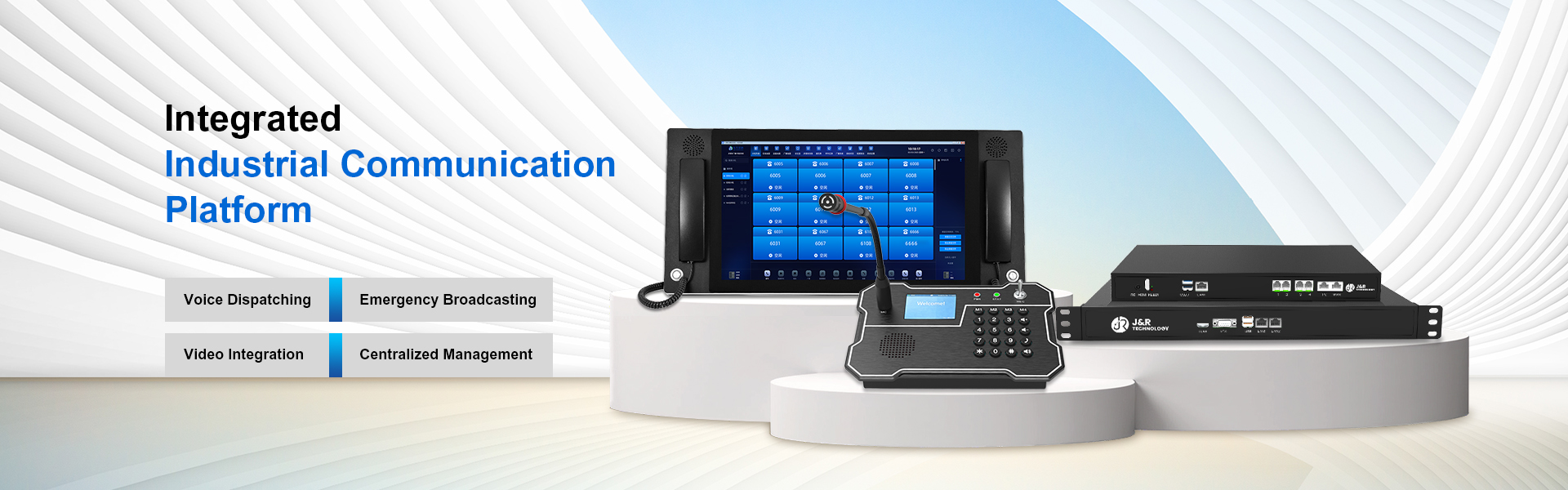
Digital radios offer additional benefits such as encrypted communication, clearer audio quality, and integration with centralized control systems.
Hybrid IP-Based Systems
Modern mines are increasingly adopting IP-based communication systems that integrate:
- Voice over IP (VoIP) networks
- Wireless mesh networks
- Real-time location tracking (RTLS)
- Central command dashboards
These systems improve situational awareness and allow supervisors to monitor worker locations and communication status in real time.
Safety Protocol Integration
Communication systems in mining are not standalone tools—they are tightly integrated with safety protocols and emergency response procedures.
Emergency Communication Workflows
In the event of an incident such as cave-ins, gas leaks, or equipment failure, communication systems enable:
- Immediate distress signaling
- Automatic alarm escalation
- Location-based incident reporting
- Direct connection to control rooms
These functions are often supported by structured protocols linked to an emergency call system, ensuring rapid response coordination.
Integration with Safety Systems
Modern mining communication platforms may also integrate with:
- Gas detection systems
- Environmental monitoring sensors
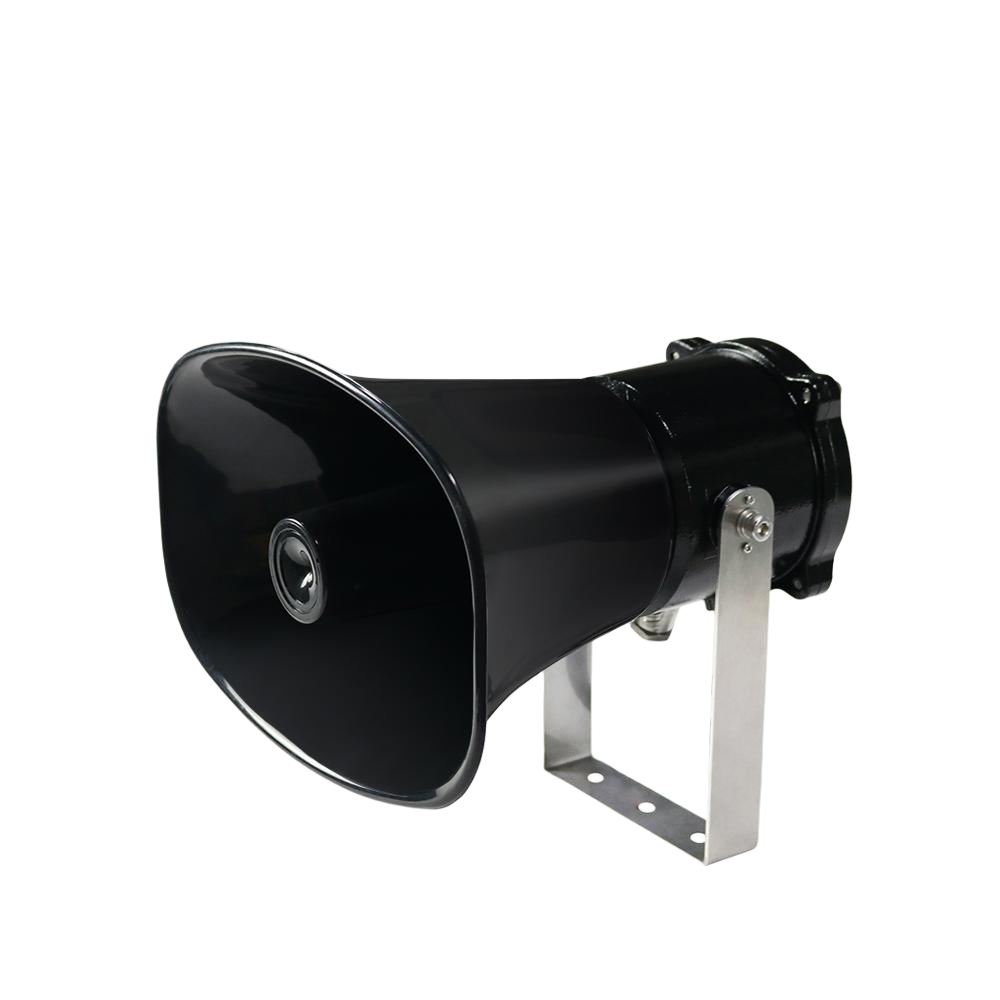
- Evacuation alert systems
- Access control and zone restrictions
- Worker tracking systems
This integration ensures that communication is directly tied to operational safety decision-making.
Maintenance Practices
Maintaining underground communication systems is essential for long-term reliability and operational safety.
Routine Inspection
Mining operators typically perform regular checks on:
- Cable integrity in leaky feeder systems
- Signal strength consistency across zones
- Radio device battery health
- Antenna positioning and damage
- Emergency system responsiveness
Environmental Protection
Because underground mines are harsh environments, equipment must be protected against:
- Moisture and water ingress
- Dust accumulation
- Mechanical vibration and impact
- Corrosive gases
Protective housings and industrial-grade materials are essential for system longevity.
System Redundancy
To ensure uninterrupted communication, mines often implement:
- Redundant signal paths
- Backup power systems
- Failover communication networks
- Emergency manual override options
This redundancy is critical in preventing communication loss during emergencies.
Conclusion
Understanding how do miners communicate underground reveals a highly engineered ecosystem combining leaky feeder systems, digital radios, IP-based networks, and integrated safety platforms. These technologies work together to ensure continuous communication, even in the most challenging underground environments.
As mining operations become more automated and safety-focused, advanced communication systems will continue to play a central role in protecting workers, improving coordination, and enabling faster emergency response underground.


 Prisons & Correctional Facilities
 Transportation & Underground Infrastructure
 Critical Industrial & Energy Facilities
 Marine & Offshore
 Manufacturing Plant & Public Facilities