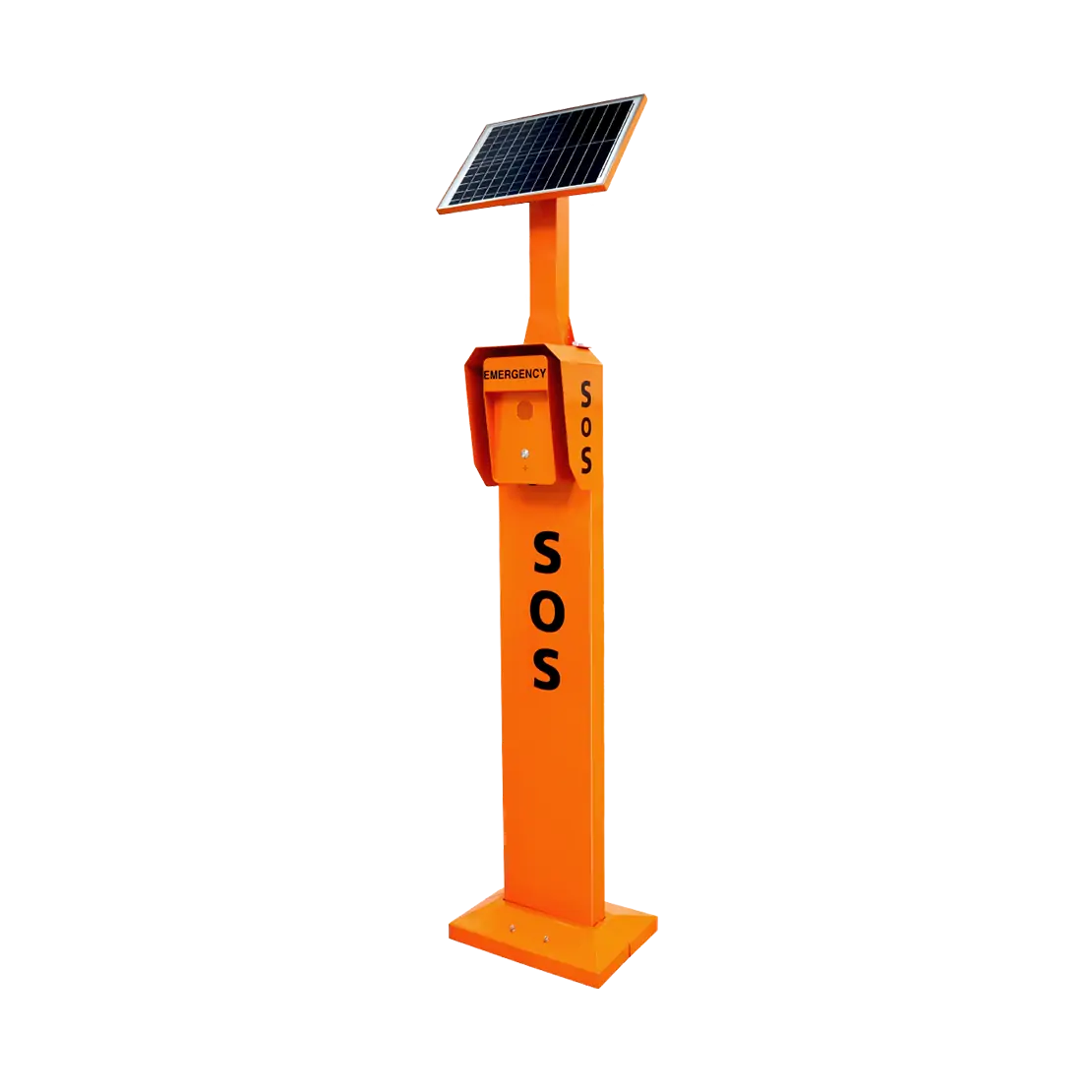
As public safety and industrial communication requirements continue to evolve, modern telephone pole solutions have become far more than simple support structures for communication devices. Today’s telephone poles integrate emergency communication, security monitoring, broadcasting, lighting, and network connectivity into a single platform.
From smart cities and transportation hubs to industrial facilities and remote outdoor areas, different types of communication poles are designed to meet specific environmental and operational requirements. Selecting the right telephone pole solution can significantly improve emergency response efficiency, communication reliability, and overall site safety.
This article explores the application scenarios for various types of telephone poles and how customized solutions support modern communication infrastructure.
Overview of Telephone Pole Types and Functions
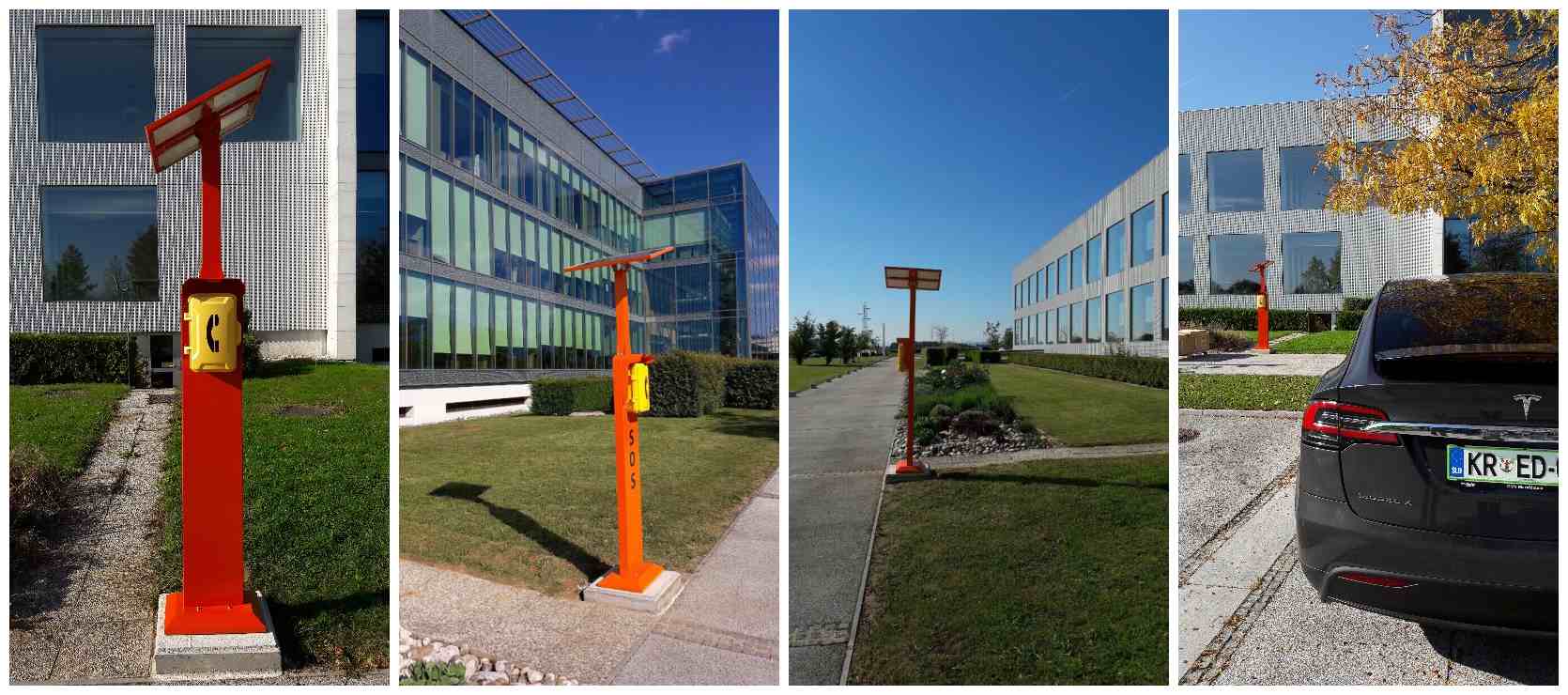
Modern telephone pole solutions are available in multiple configurations depending on the installation environment and communication requirements.
Common types include:
- Emergency call poles
- Solar-powered communication poles
- Industrial communication poles
- Smart city communication poles
- Campus safety poles
- Highway emergency poles
- Railway and metro communication poles
These poles may integrate multiple functions, such as:
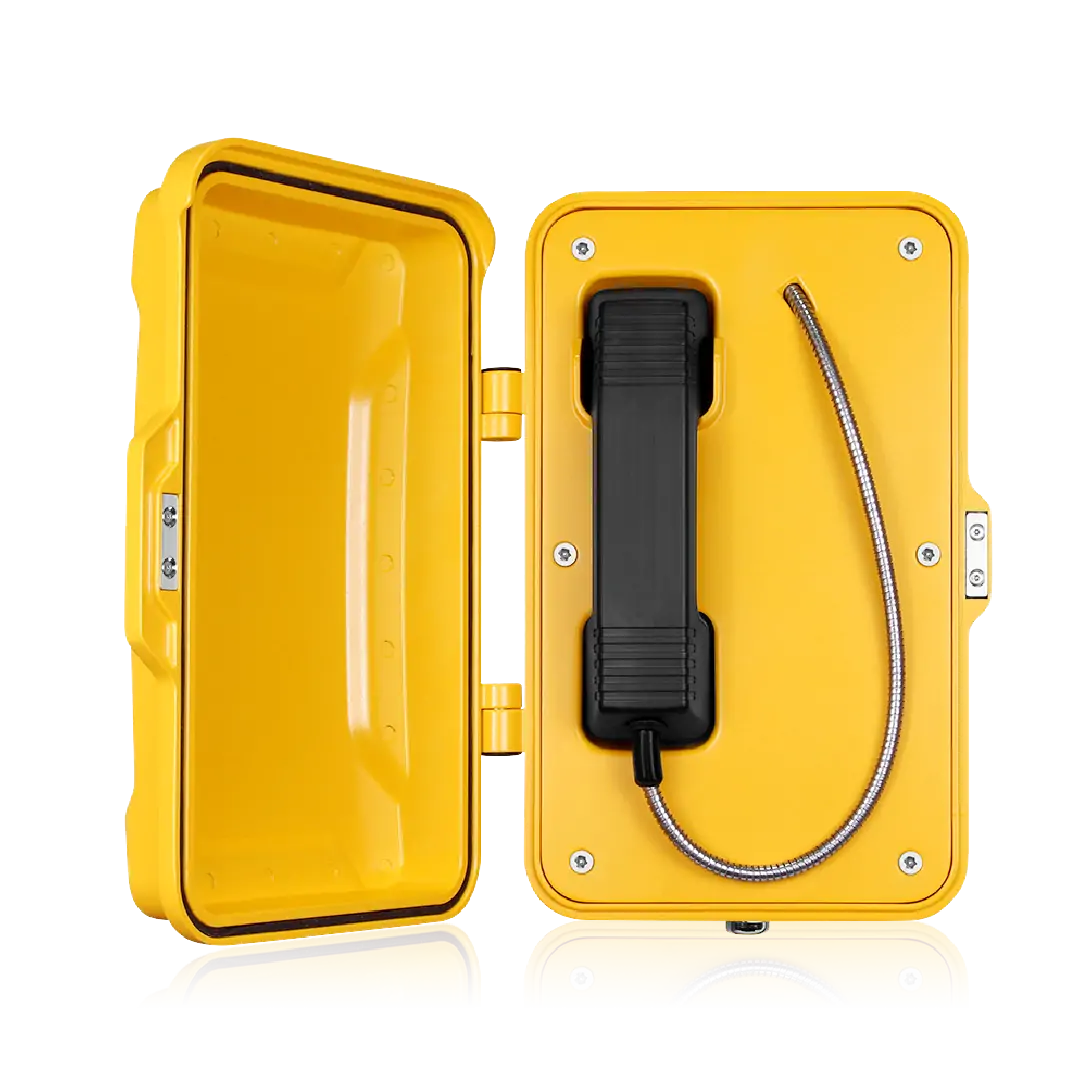
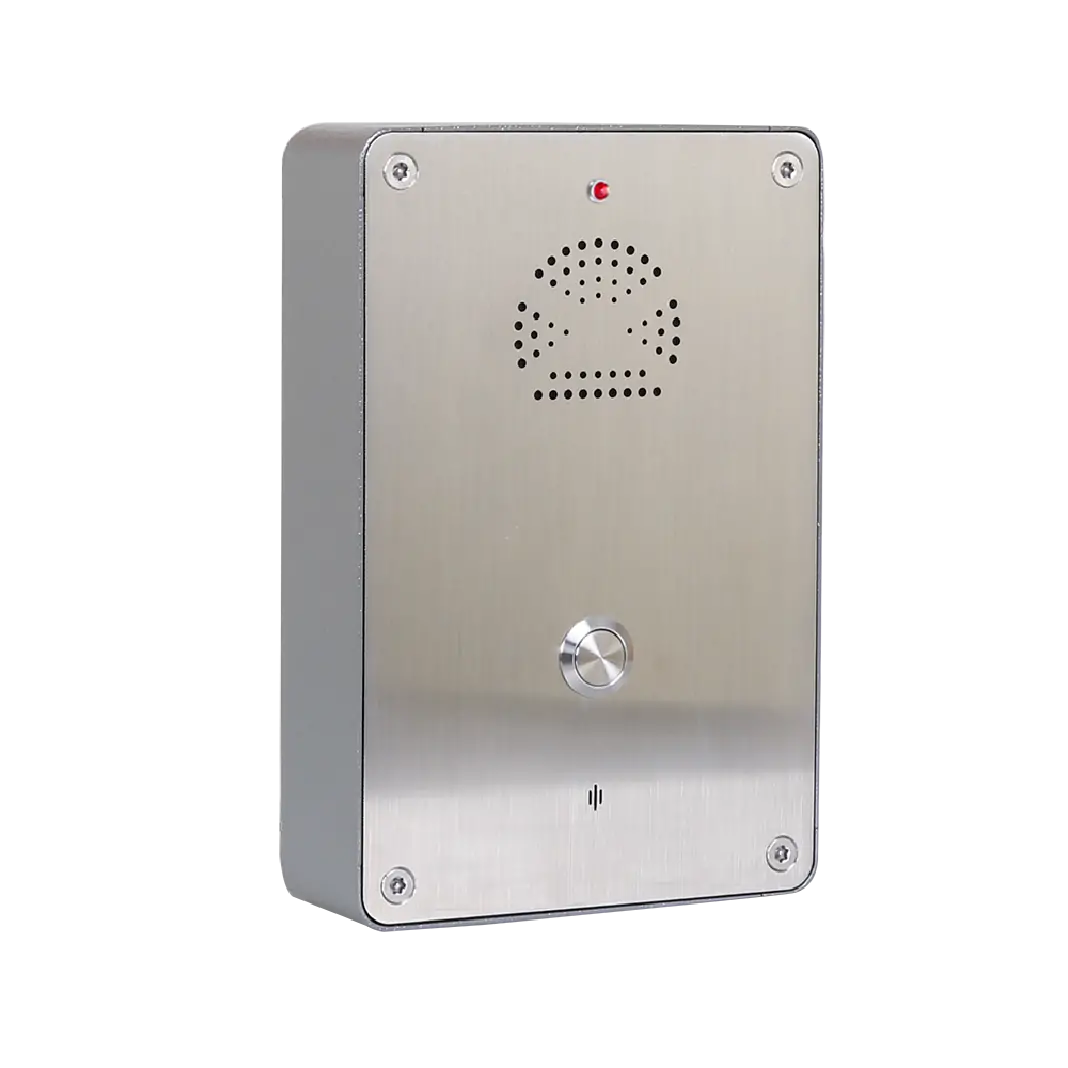
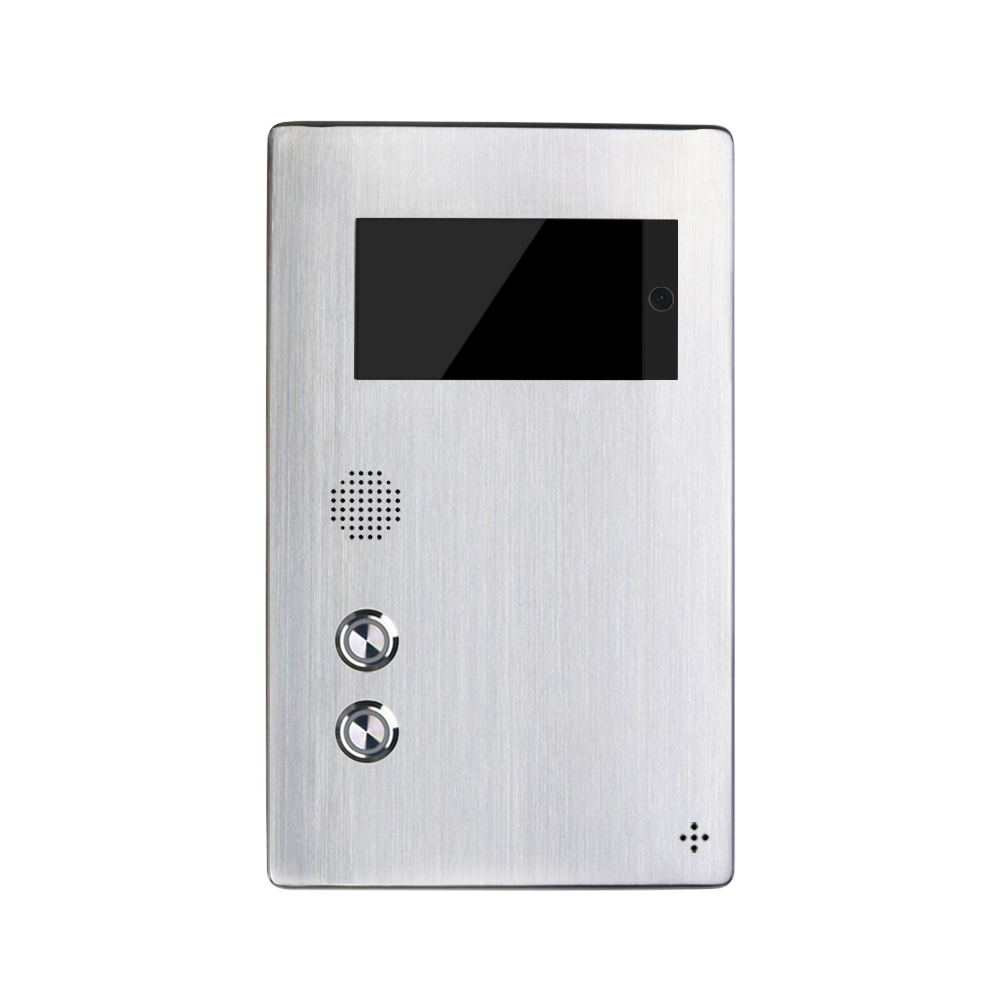
- Emergency telephones
- SIP/IP communication systems
- Video surveillance cameras
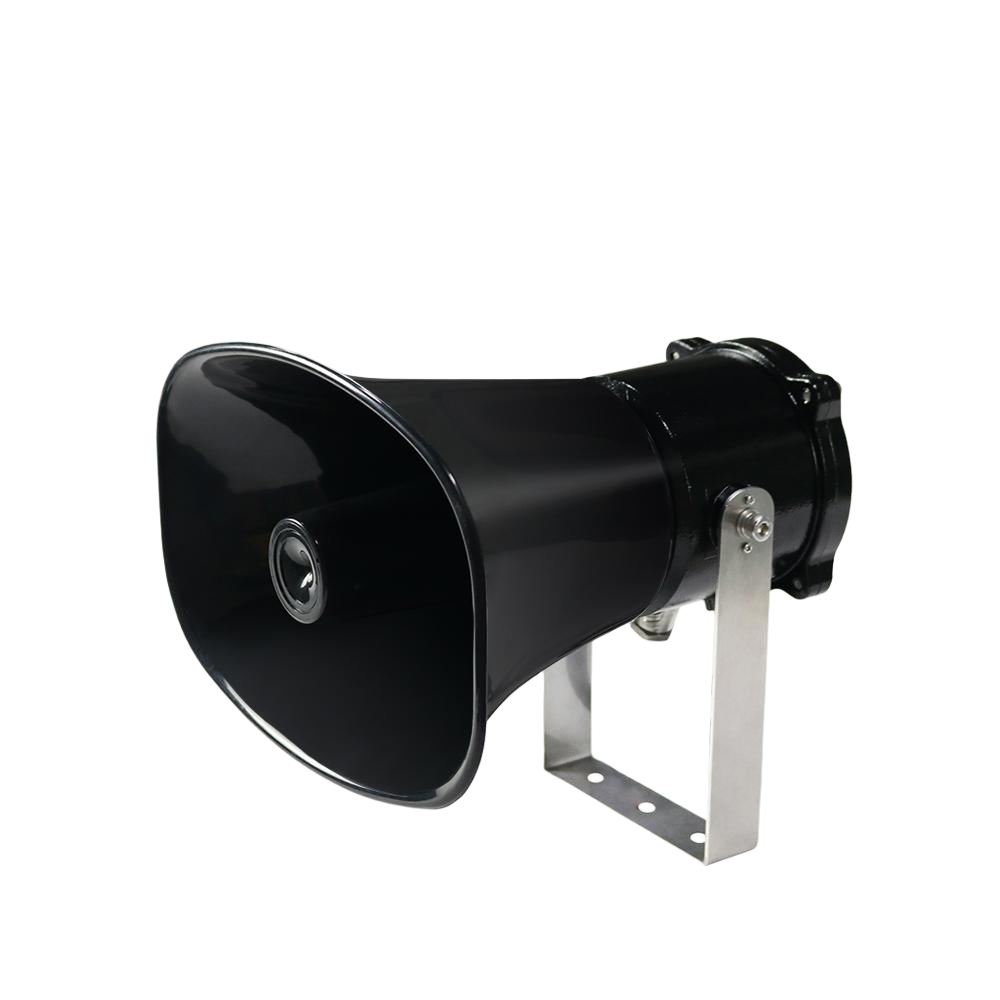
- Public address speakers
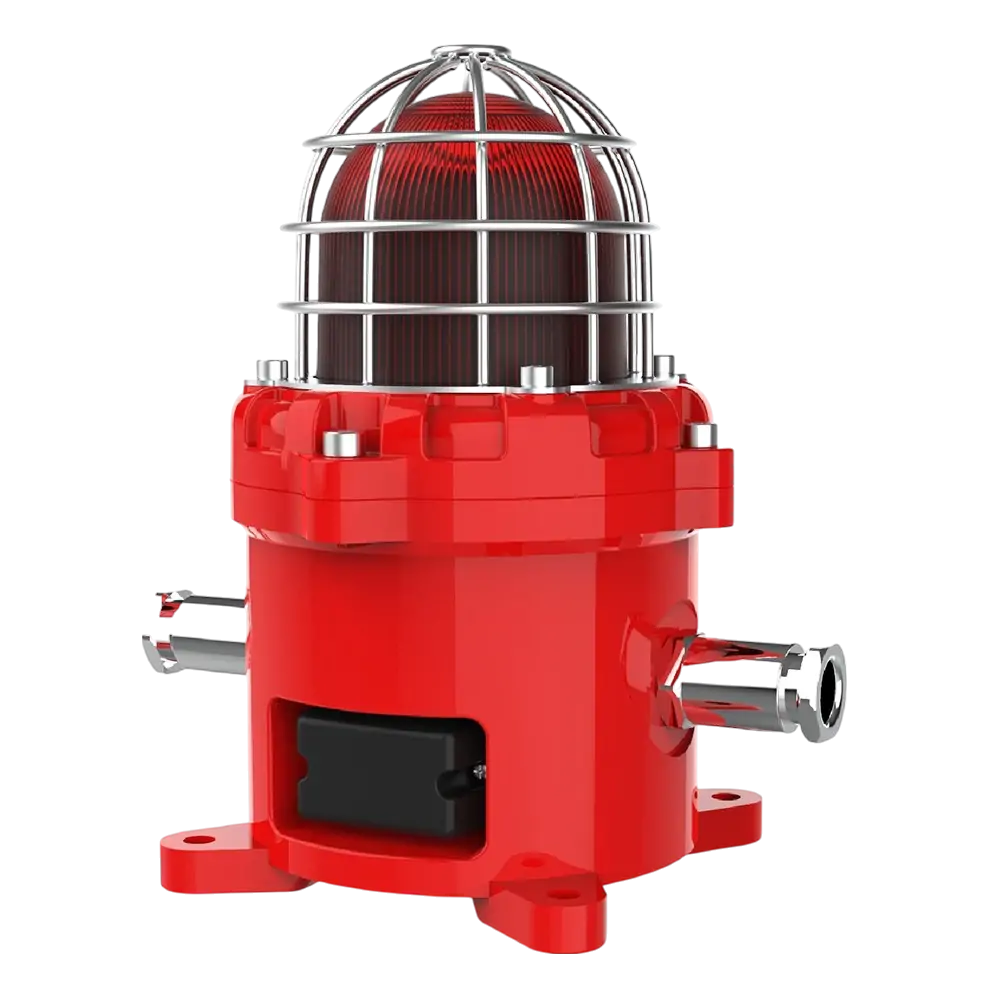
- Alarm beacons
- LED lighting
- Wireless networking devices
- Environmental monitoring sensors
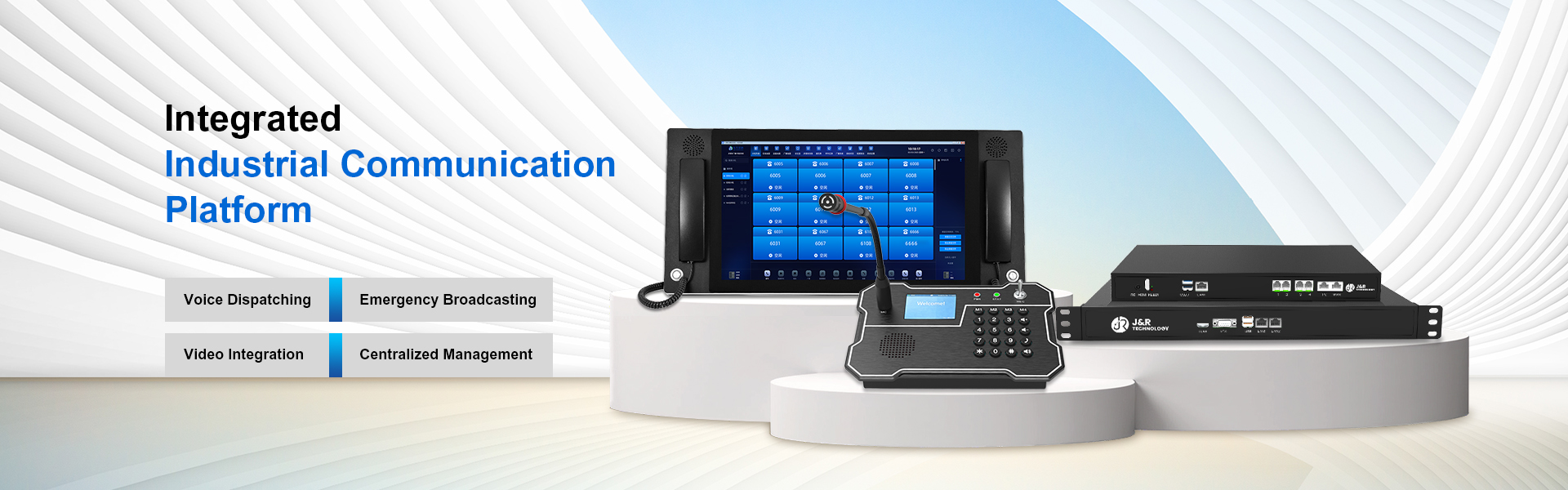
Many organizations deploy these systems as part of larger emergency communication solutions to improve operational safety and emergency response capabilities.
The design and functionality of each pole typically depend on:
- Environmental conditions
- Power availability
- Communication infrastructure
- Security requirements
- User accessibility
Emergency Call Poles in Public Areas
Emergency call poles are widely used in public environments where rapid access to assistance is essential.
Typical Application Scenarios
These poles are commonly installed in:
- University campuses
- Parking lots
- Parks and recreational areas
- Airports
- Railway stations
- Bus terminals
- Shopping centers
- Pedestrian streets
Emergency call poles allow users to instantly contact security personnel or emergency responders during incidents such as:
- Medical emergencies
- Assaults or public safety threats
- Lost persons
- Accidents
- Suspicious activities
Key Features
Public safety emergency poles often include:
- One-touch emergency calling
- High-visibility beacon lights
- Hands-free communication
- Noise-canceling microphones
- Weatherproof construction
- Integrated surveillance cameras
These systems help improve public confidence while reducing emergency response times.
Smart City Integration
In smart city projects, emergency poles may also integrate with:
- Traffic monitoring systems
- Public Wi-Fi
- Environmental sensors
- Digital signage
- Centralized command centers
This creates a multifunctional urban communication infrastructure.
Solar-Powered Poles for Remote Locations
In remote or off-grid areas, solar-powered communication poles provide an effective solution where traditional power infrastructure is unavailable or unreliable.
Ideal Deployment Locations
Solar-powered poles are frequently used in:
- Highways
- Remote roads
- Mining areas
- Oil and gas fields
- Border regions
- Forest parks
- Coastal facilities
- Construction sites
Advantages of Solar-Powered Poles
Key benefits include:
- Independent power supply
- Reduced cabling costs
- Flexible deployment
- Lower infrastructure requirements
- Sustainable energy usage
Most systems combine:
- Solar panels
- Battery storage systems
- Low-power communication equipment
- Energy management controllers
Emergency Reliability
For remote emergency communication, these poles often support:
- SIP or analog emergency telephones
- Wireless communication networks
- Satellite connectivity
- Long-range audio broadcasting
- Flashing warning beacons
Their autonomous power capability makes them highly suitable for harsh environments and critical infrastructure projects.
Integrated Communication Poles in Industrial Sites
Industrial facilities often require robust communication poles capable of operating reliably in demanding environments.
Common Industrial Applications
Integrated communication poles are widely deployed in:
- Petrochemical plants
- Manufacturing facilities
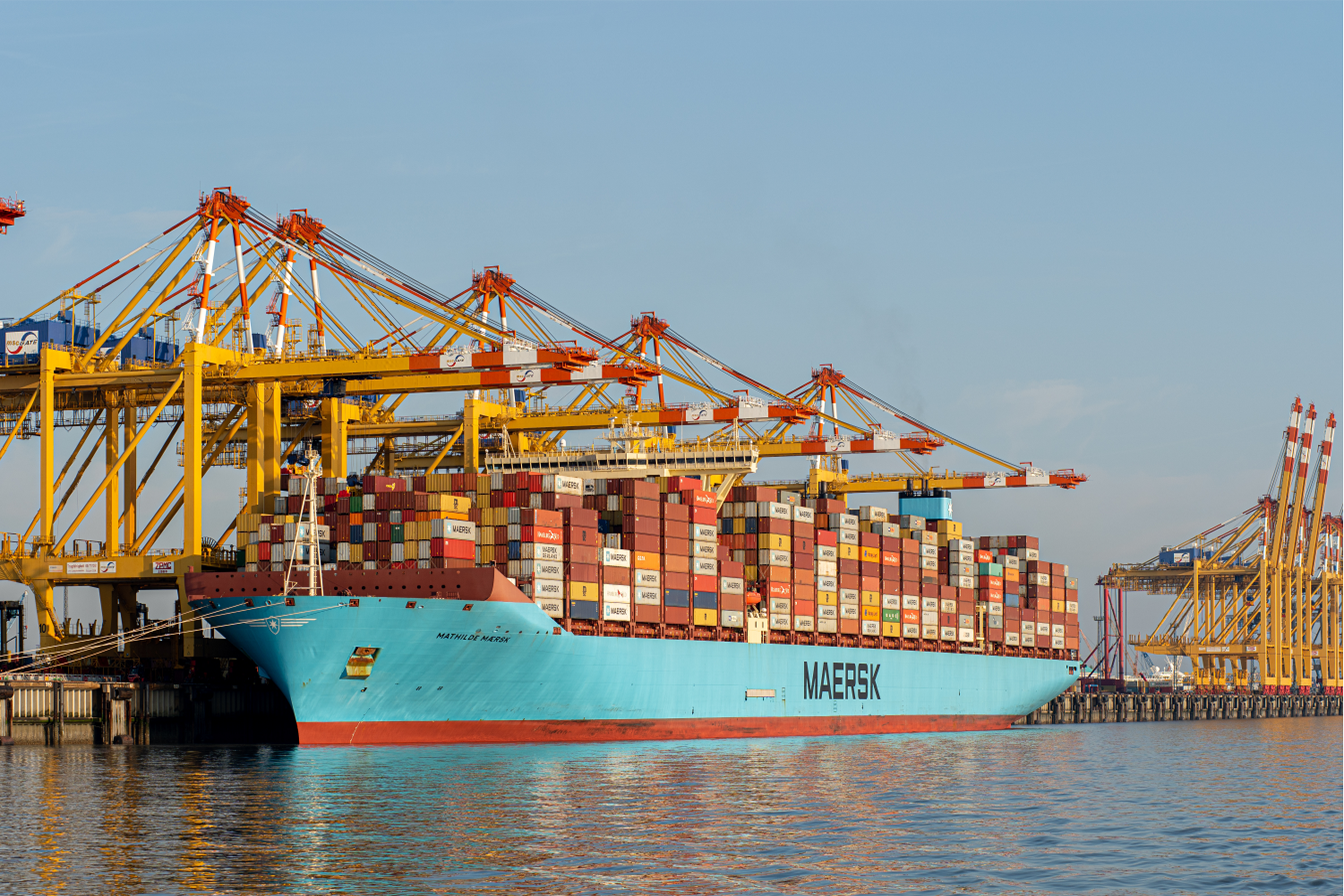
- Ports and terminals
- Power stations
- Mining operations
- Tunnels
- Offshore platforms
- Warehouses
Integrated Industrial Functions
Industrial communication poles may include:
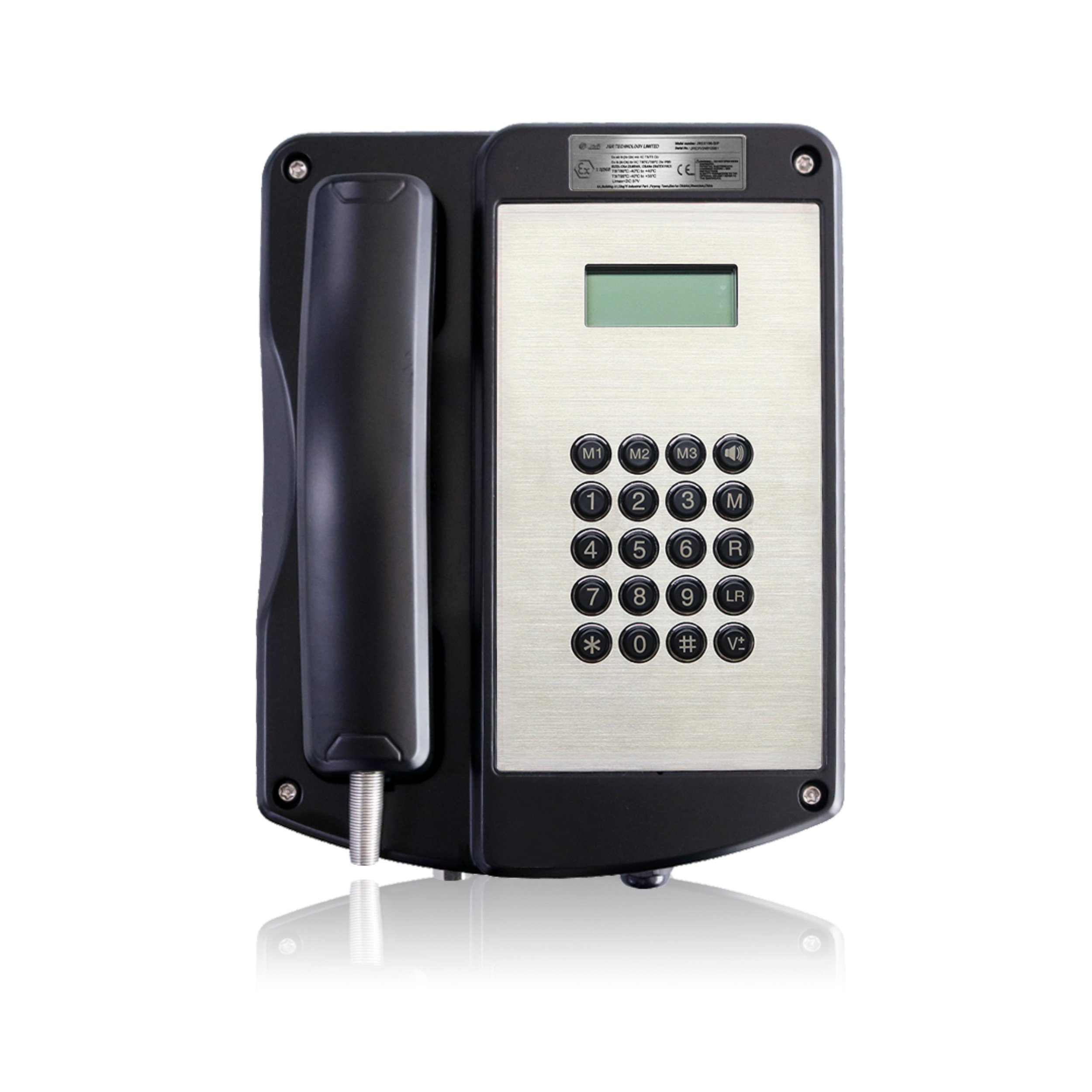
- Explosion-proof telephones
- Emergency intercom systems
- PA broadcasting systems
- CCTV surveillance
- Alarm systems
- Access control interfaces
- Industrial network devices
In hazardous environments, communication poles are typically designed with:
- IP66/IP67 weather protection
- Corrosion-resistant materials
- Anti-vandal structures
- ATEX or IECEx certification
- Wide temperature tolerance
Operational Benefits
Integrated communication poles help industrial operators:
- Improve worker safety
- Accelerate emergency response
- Simplify communication infrastructure
- Reduce maintenance complexity
- Centralize communication management
These systems are especially important in high-risk industrial environments where communication reliability directly affects operational safety.
Customized Poles for Specific Client Needs
Different industries and project environments often require customized telephone pole solutions tailored to unique operational needs.
Customization Options
Manufacturers can customize:
- Pole height and structure
- Material selection
- Color and branding
- Power supply methods
- Communication interfaces
- Camera integration
- Lighting systems
- Environmental protection ratings
Industry-Specific Designs
Examples include:
Transportation Industry
- Railway emergency communication poles
- Highway SOS poles
- Metro station help points
Healthcare Facilities
- Emergency assistance poles for hospitals
- Parking lot safety communication poles
Educational Campuses
- Blue light emergency poles
- Campus-wide security communication systems
Industrial Projects
- Explosion-proof communication towers
- Heavy-duty offshore communication poles
Integration Flexibility
Customized communication poles can also integrate with:
- SIP communication platforms
- Dispatching systems
- Security management software
- Emergency broadcast systems
- IoT monitoring platforms
This flexibility allows organizations to build communication systems that align with both operational workflows and long-term infrastructure planning.
Conclusion
Modern telephone pole solutions have evolved into intelligent communication platforms that support public safety, industrial operations, and smart infrastructure development. Whether deployed in public spaces, remote areas, or hazardous industrial environments, different communication pole designs address specific operational challenges and safety requirements.
As communication technology continues advancing, integrated and customized telephone pole systems will play an increasingly important role in building safer, more connected, and more efficient environments across industries.


 Prisons & Correctional Facilities
 Transportation & Underground Infrastructure
 Critical Industrial & Energy Facilities
 Marine & Offshore
 Manufacturing Plant & Public Facilities