Reliable communication in tunnels is essential for transportation safety, emergency response, operational coordination, and maintenance efficiency. Whether in railway tunnels, highway tunnels, mining tunnels, or underground metro systems, maintaining stable communication can be extremely challenging due to confined structures, signal attenuation, and harsh environmental conditions.
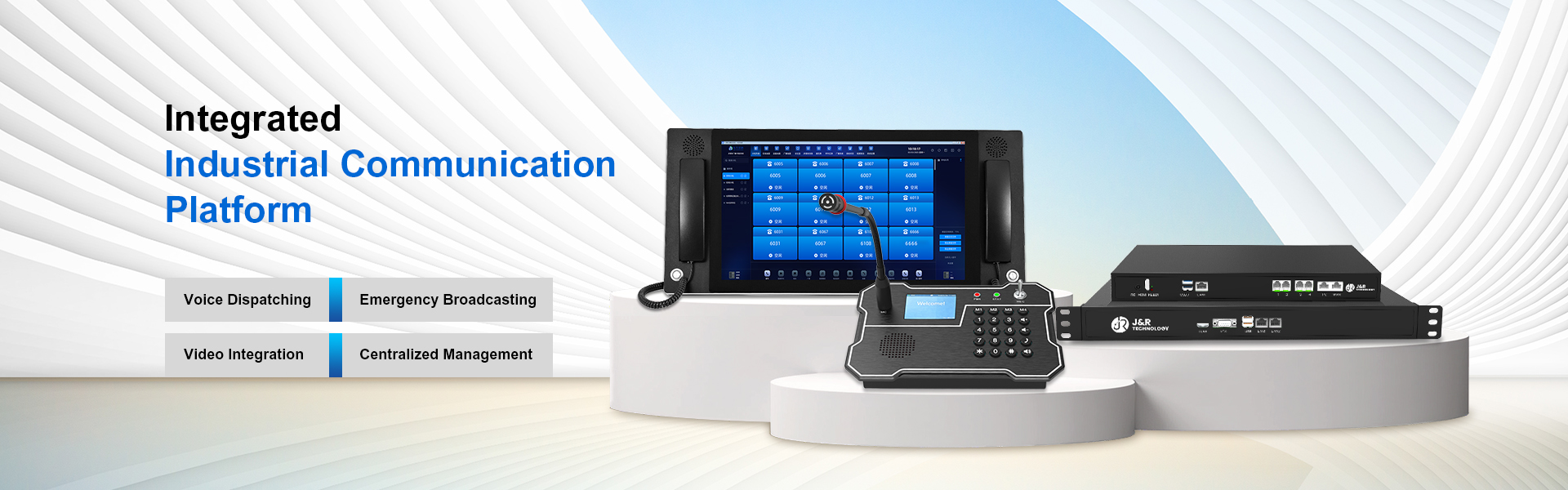
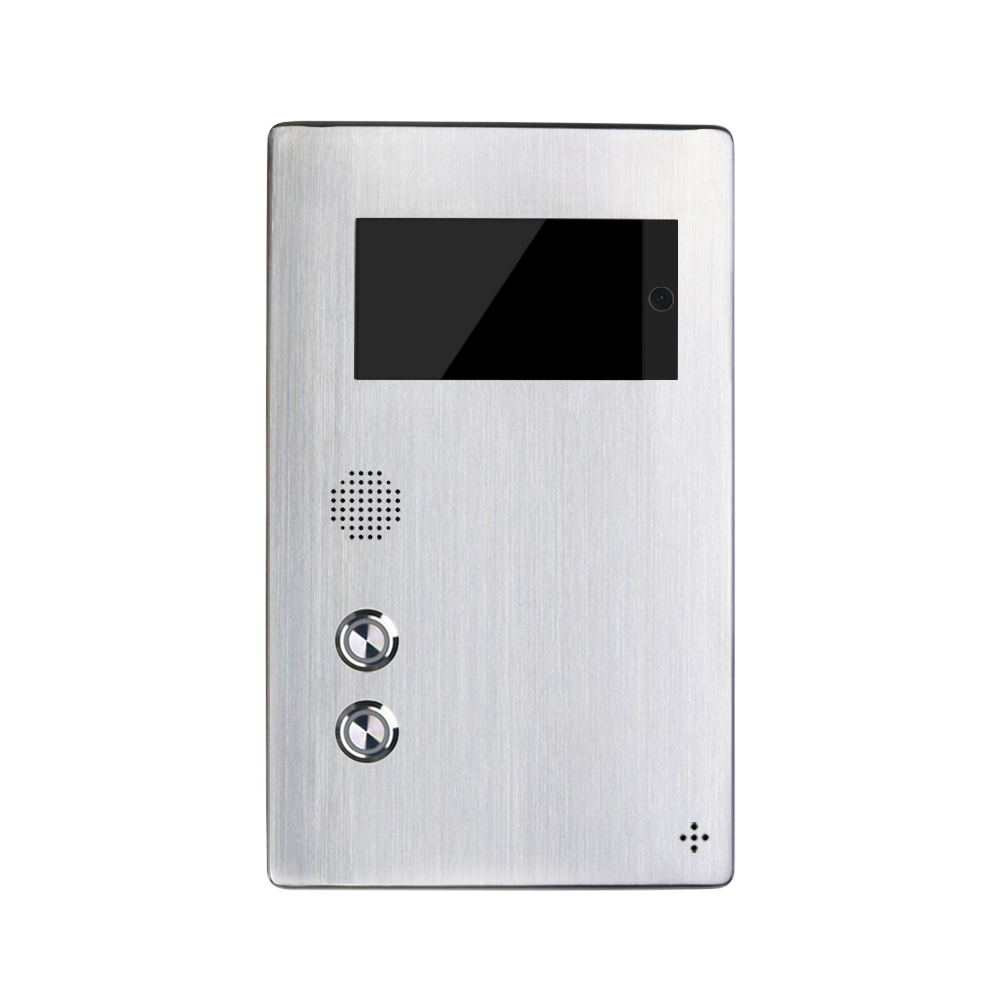
To overcome these issues, tunnel communication systems often combine advanced technologies such as repeaters, leaky feeder cables, industrial telephones, wireless networks, and <a href="/emergency-call-point/">emergency call point</a> solutions. In critical situations, systems must also integrate seamlessly with <a href="/emergency-call-device/">emergency call device</a> infrastructure to ensure rapid emergency response.
This article explores the best practices for designing and maintaining reliable communication systems in tunnel environments.
Tunnel Signal Challenges
Tunnel environments create unique communication obstacles that differ significantly from open-air environments.
Signal Attenuation
Concrete walls, steel structures, and underground depth can severely weaken radio and wireless signals. The longer the tunnel, the greater the signal loss.
Limited Line-of-Sight
Many wireless communication technologies depend on direct or semi-direct signal paths. Curved tunnel sections and enclosed structures block signal propagation.
Electromagnetic Interference
Tunnel systems often contain:
- High-voltage power systems
- Railway electrification equipment
- Ventilation machinery
- Heavy industrial devices
These systems can create electromagnetic interference that affects communication quality.
Harsh Environmental Conditions
Tunnel communication equipment must operate reliably despite:
- Moisture and humidity
- Dust accumulation
- Water ingress
- Extreme temperatures
- Vibration from vehicles or trains
Emergency Communication Requirements
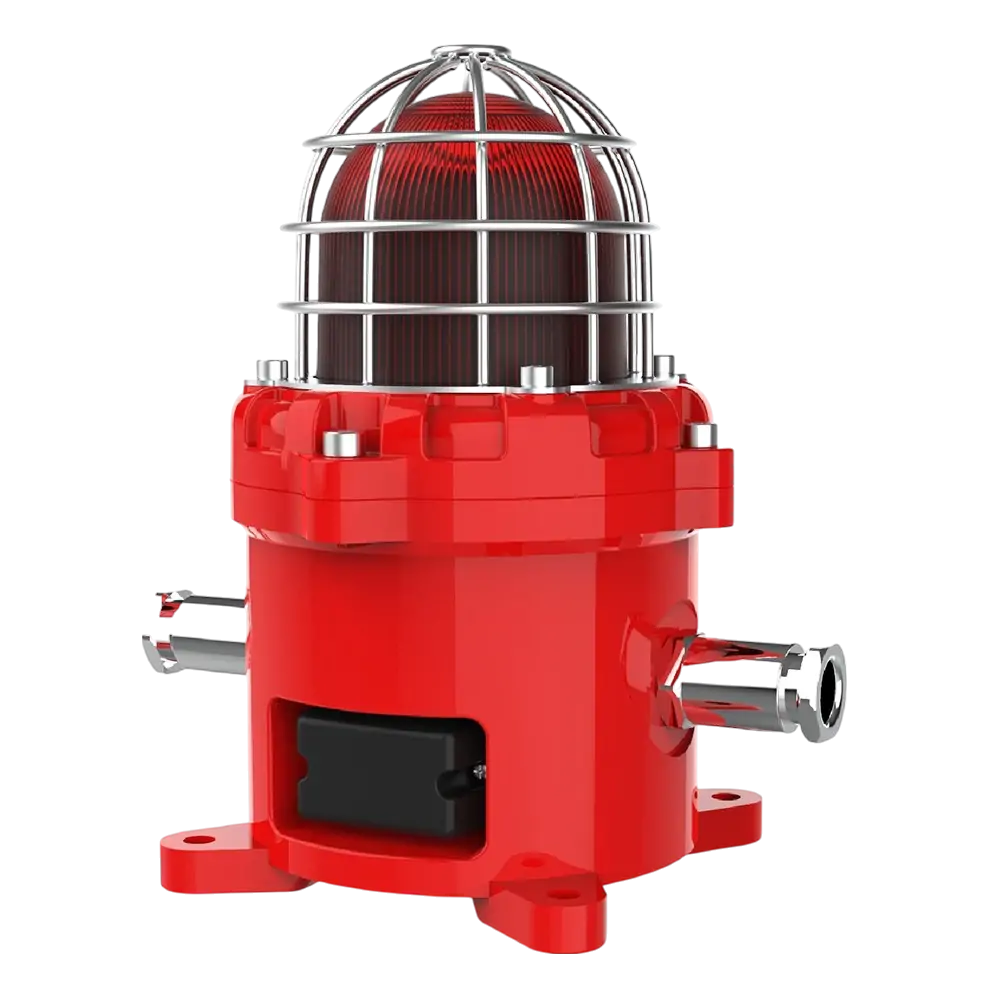
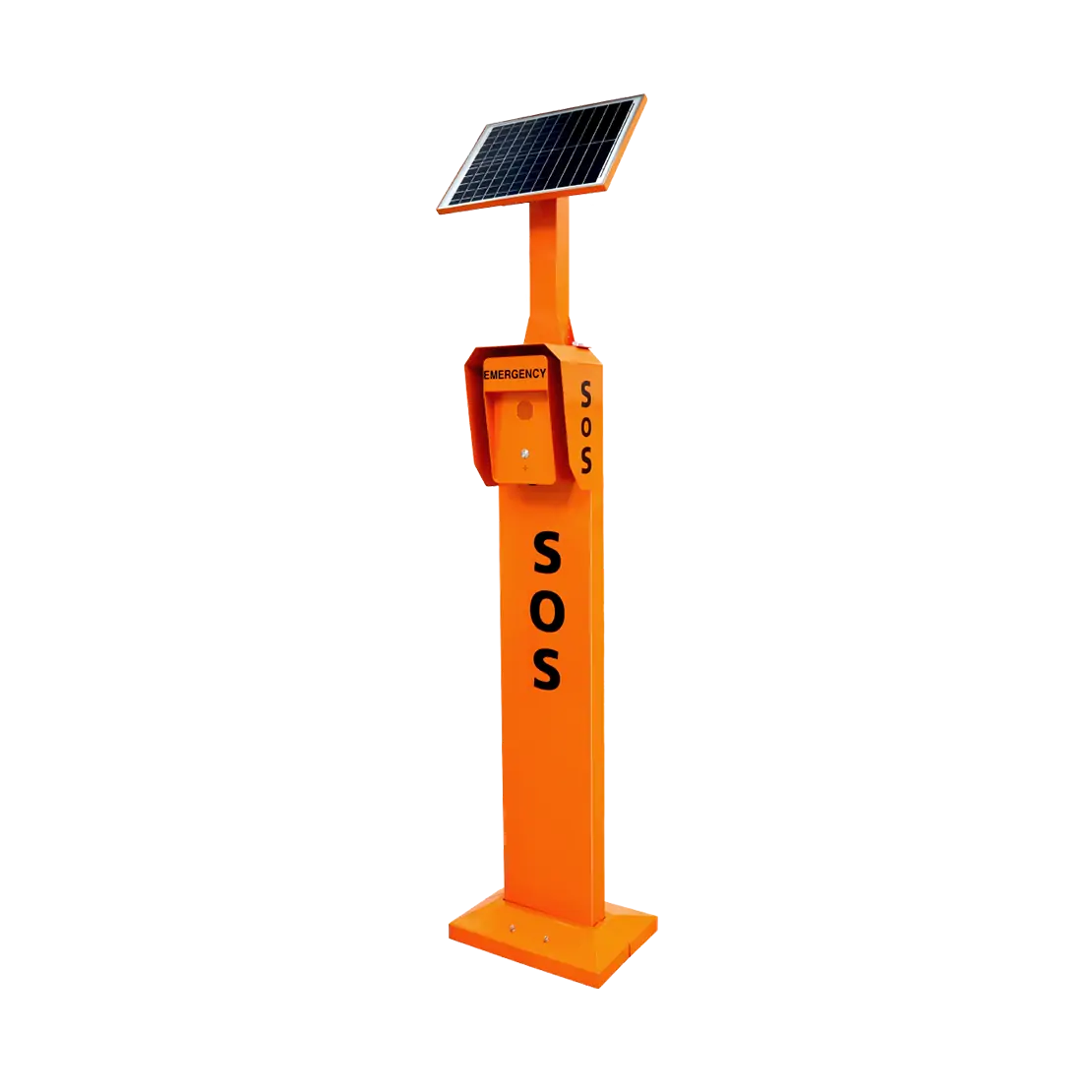
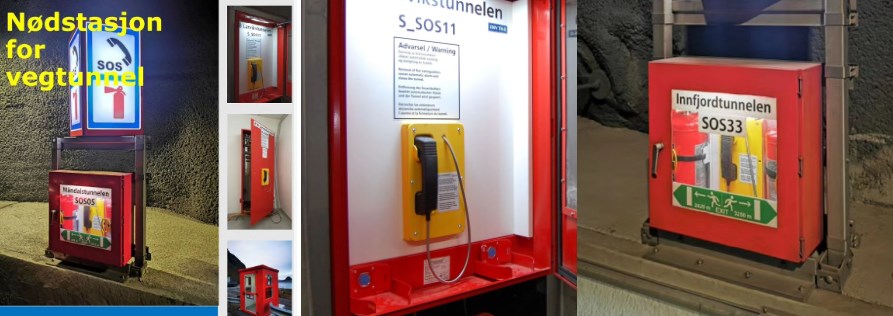
In emergencies such as fires, accidents, or power failures, communication systems must remain operational. This is why many tunnels deploy dedicated <a href="/emergency-call-point/">emergency call point</a> stations throughout the tunnel network.
Relay & Repeater Strategies
One of the most effective ways to improve communication in tunnels is through relay and repeater deployment.
Distributed Signal Coverage
Repeaters help amplify weakened communication signals across long tunnel sections, ensuring continuous connectivity.
Leaky Feeder Cable Systems
Leaky feeder systems are widely used in tunnel communication projects. These specialized coaxial cables act as continuous antennas that distribute radio signals along the tunnel length.
Benefits include:
- Consistent signal coverage
- Reliable two-way communication
- Support for emergency services radio systems
Fiber Optic Backbone
Modern tunnel systems often use fiber optic networks as the main communication backbone because they provide:
- High bandwidth
- Long-distance transmission
- Immunity to electromagnetic interference
Redundant Communication Paths
Critical tunnel systems should include redundant communication routes to maintain operation during equipment failures or cable damage.
Integration with Emergency Systems
Relay infrastructure is commonly integrated with:
- Public address systems
- Tunnel radio systems
- CCTV monitoring
- <a href="/emergency-call-device/">emergency call device</a> platforms
- Fire alarm systems
Antenna Placement Guidelines
Proper antenna placement is critical for maintaining stable communication performance in tunnels.
Strategic Positioning
Antennas should be positioned to minimize dead zones and maximize signal continuity throughout the tunnel.
Placement Near Critical Areas
Additional coverage is often required near:
- Emergency exits
- Ventilation rooms
- Maintenance access points
- Train platforms
- Service bays
Consider Tunnel Geometry
Curves, elevation changes, and tunnel branching can significantly affect signal propagation. Antenna layouts should be carefully engineered based on the tunnel structure.
Avoid Interference Sources
Antennas should be installed away from:
- High-voltage electrical systems
- Large metal structures
- Mechanical equipment generating electromagnetic noise
Environmental Protection
Tunnel antennas should feature:
- Waterproof housing
- Corrosion resistance
- Vibration-resistant mounting
- Industrial-grade durability
Equipment Selection
Choosing the right communication equipment is essential for long-term tunnel communication reliability.
Industrial-Grade Communication Devices
Tunnel communication systems should use rugged industrial equipment designed for:
- IP-rated protection
- Shock resistance
- High humidity environments
- Wide operating temperature ranges
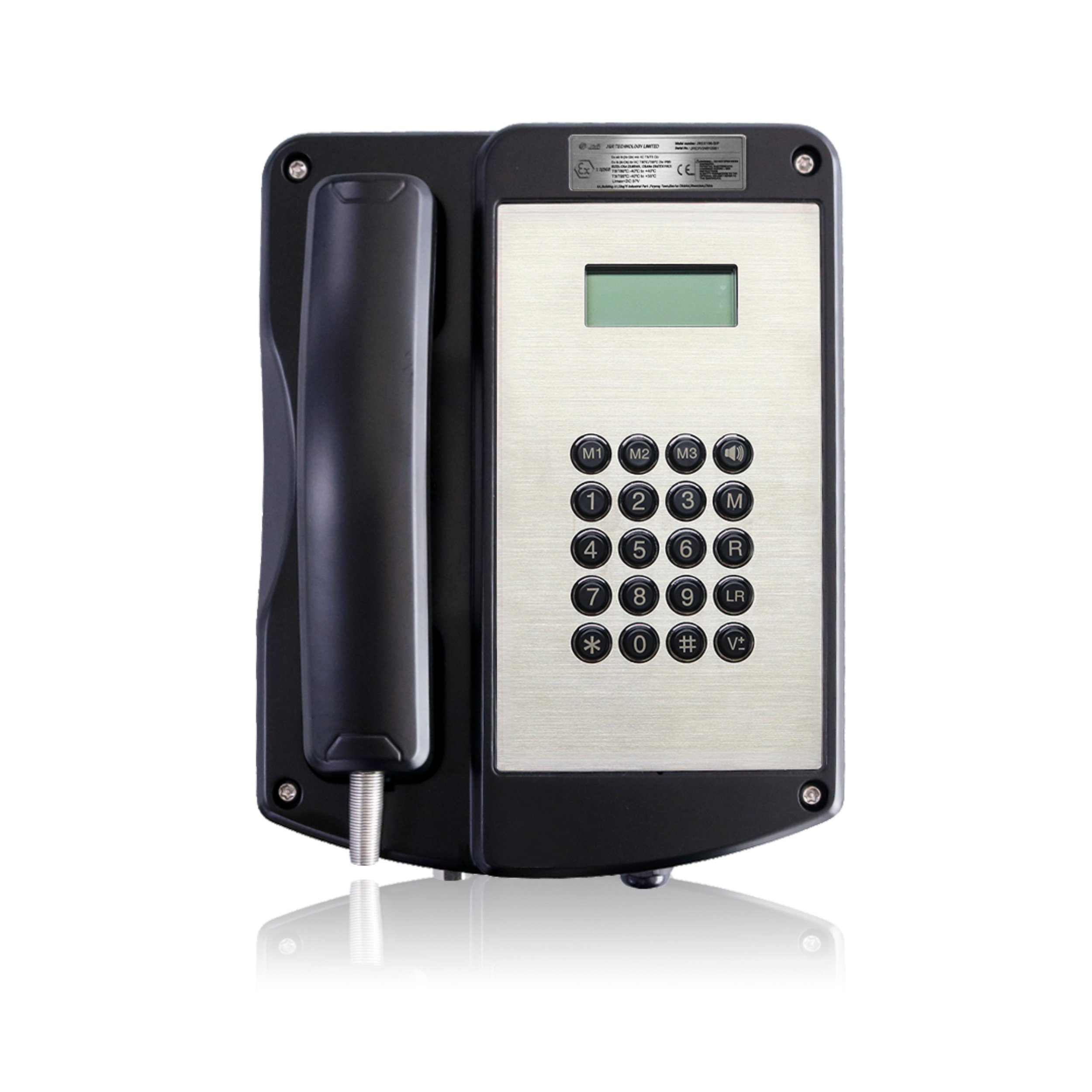
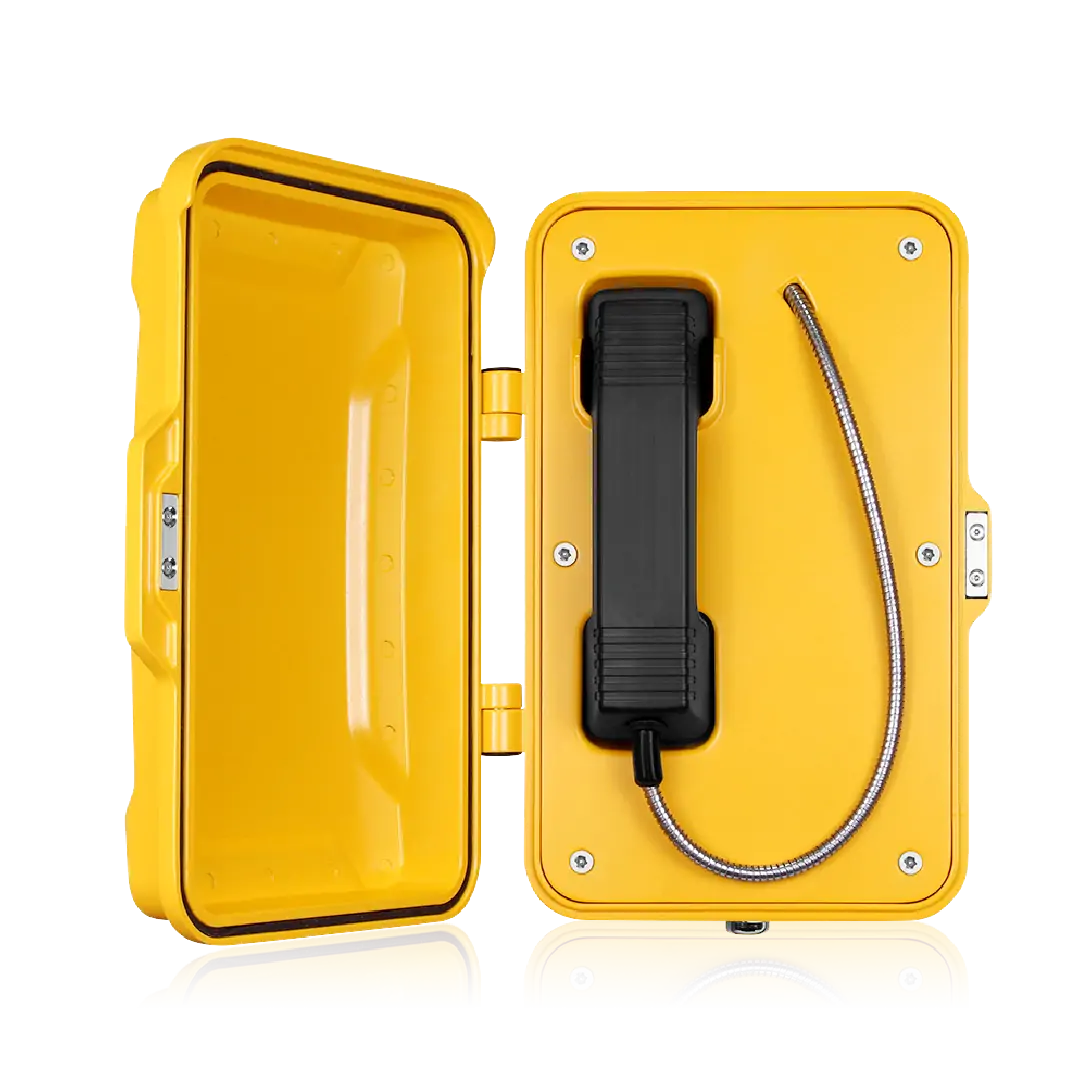
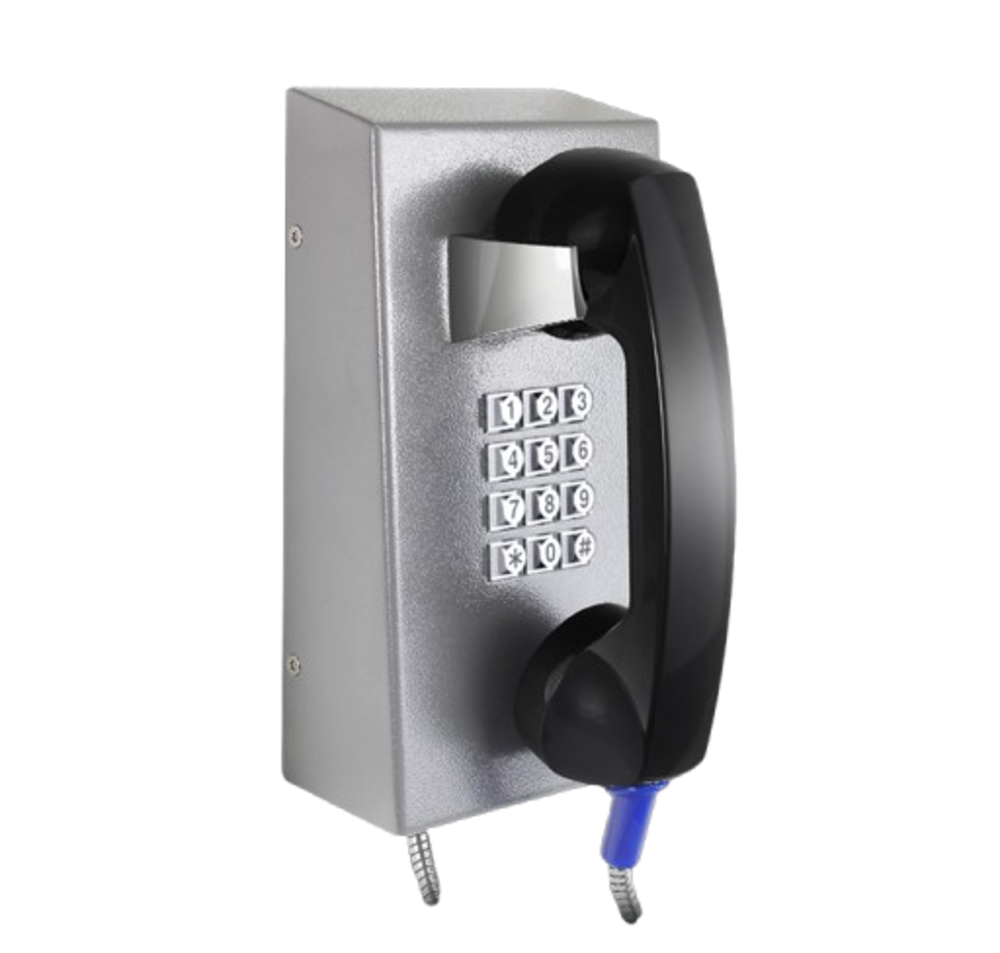
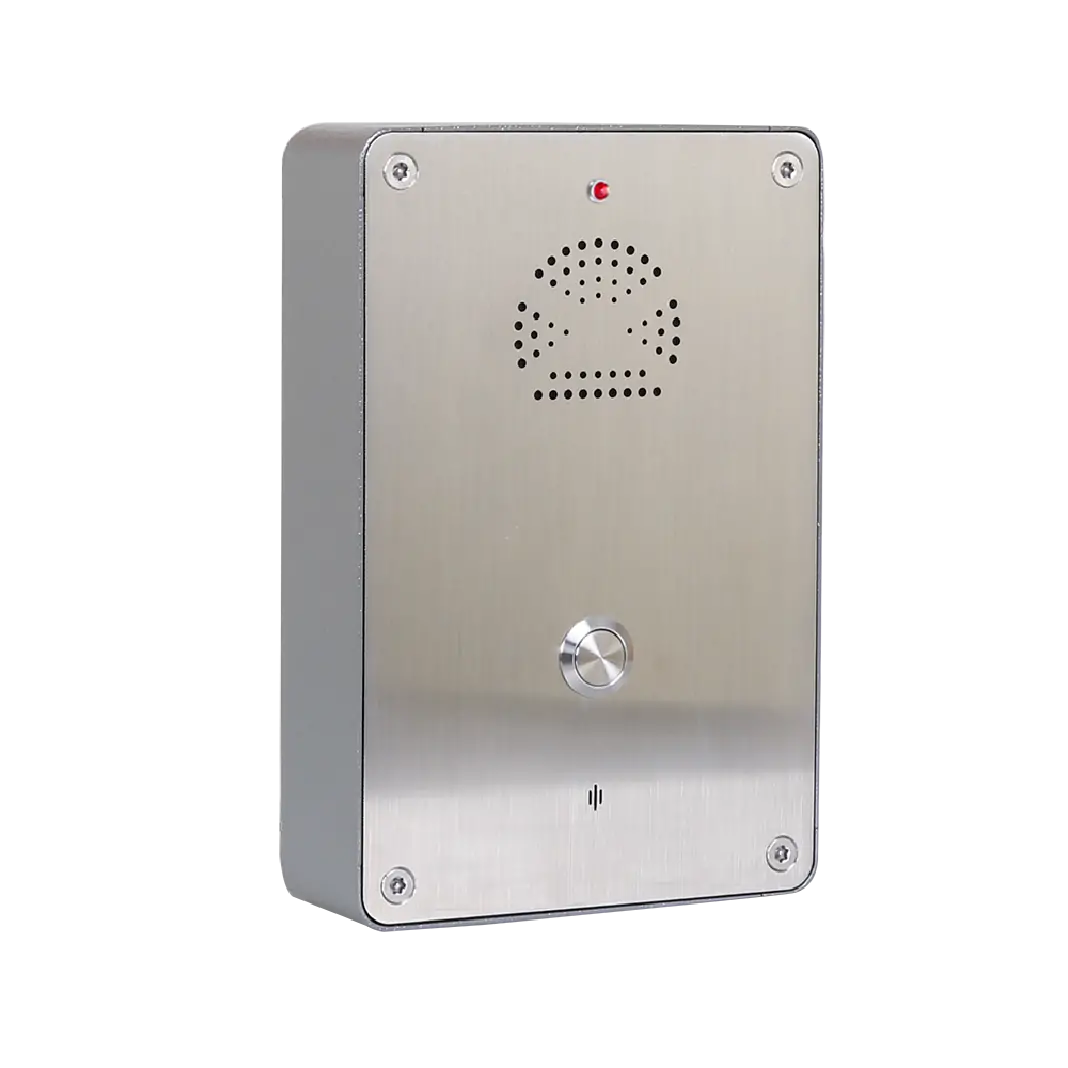
Emergency Telephones
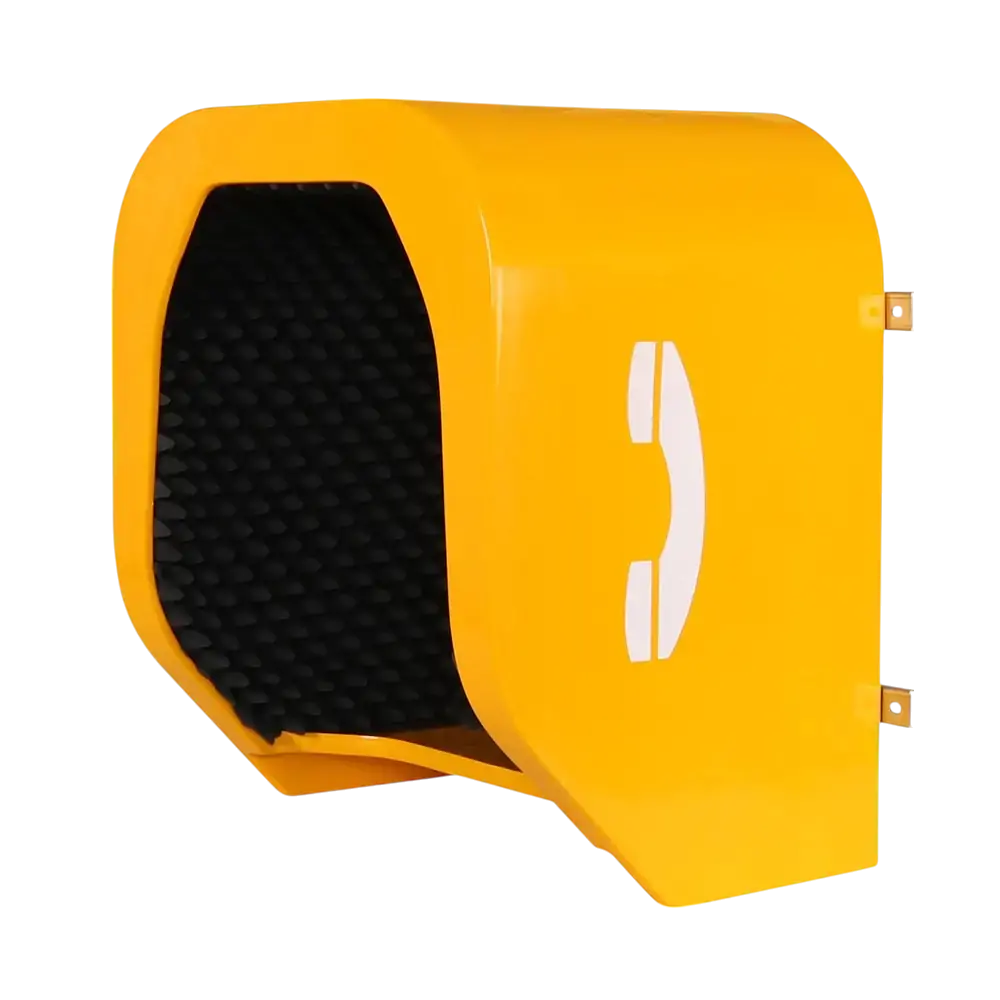
Emergency telephones remain a core part of tunnel safety infrastructure. These systems are often installed alongside <a href="/emergency-call-point/">emergency call point</a> stations to provide direct contact with control centers.
Wireless Communication Systems
Depending on the application, tunnels may deploy:
- TETRA radio systems
- LTE/4G communication
- GSM-R railway communication
- Wi-Fi coverage systems
- SIP and VoIP communication networks
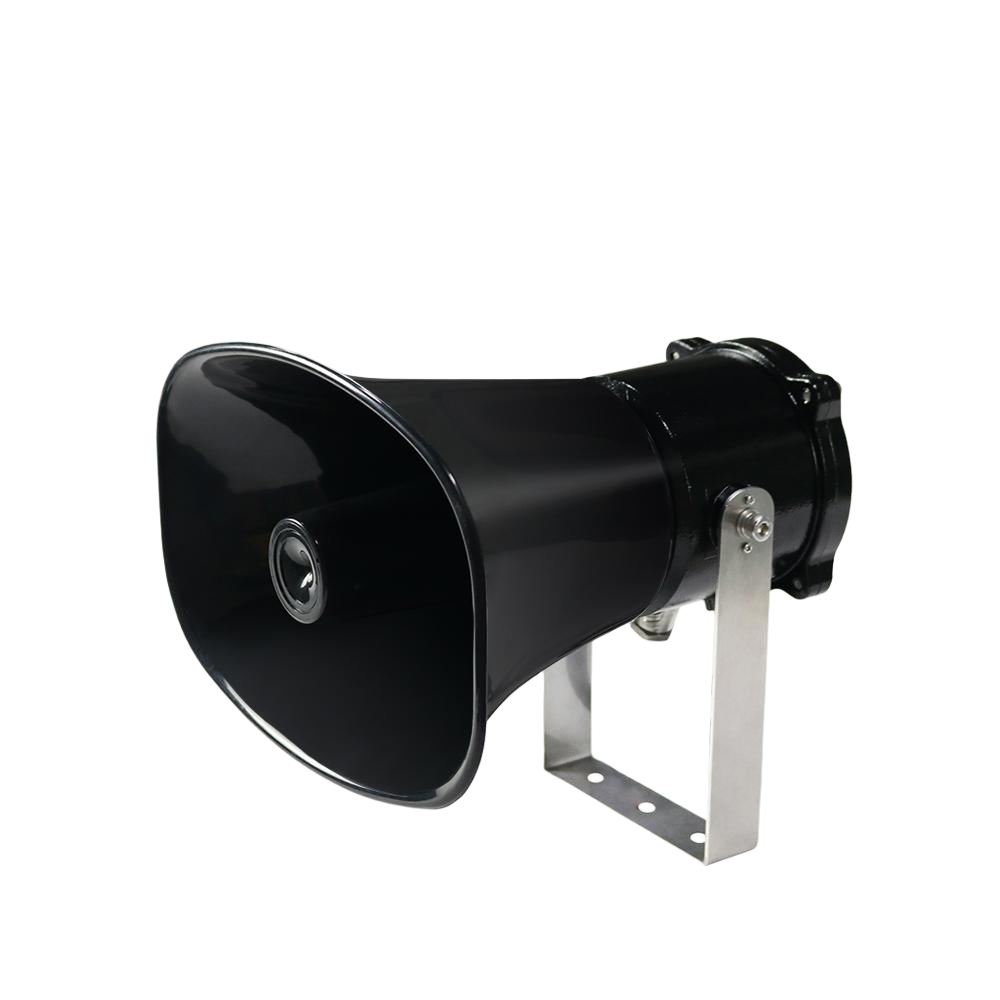
Public Address & Broadcast Systems
Public address systems help operators:
- Deliver evacuation instructions
- Announce operational alerts
- Coordinate emergency responses
These systems are commonly linked with <a href="/emergency-call-device/">emergency call device</a> platforms for unified emergency management.
Power Backup Systems
Reliable communication requires backup power systems such as:
- UPS systems
- Redundant power supplies
- Emergency batteries
Case Studies
Railway Tunnel Communication
Modern railway tunnels often deploy:
- GSM-R communication systems
- Fiber optic backbone networks
- Emergency telephones every fixed interval
- Centralized control room integration
These systems support both operational coordination and passenger safety.
Highway Tunnel Safety Systems
Highway tunnels frequently combine:
- Emergency roadside telephones
- CCTV surveillance
- Radio rebroadcast systems
- Public address systems
- Ventilation monitoring
This integrated approach improves traffic management and emergency response speed.
Mining Tunnel Applications
Mining tunnels require highly durable communication systems capable of operating in:
- Dust-heavy environments
- Explosive atmospheres
- Remote underground locations
Leaky feeder communication systems are especially common in underground mining operations.
Metro and Urban Transit Systems
Urban subway tunnels typically use integrated communication platforms that combine:
- Passenger emergency communication
- Operational dispatch systems
- Wireless data communication
- Tunnel monitoring systems
Conclusion
Effective communication in tunnels requires careful planning, specialized equipment, and reliable system integration. Challenges such as signal attenuation, electromagnetic interference, and harsh environmental conditions make tunnel communication far more complex than standard outdoor communication systems.
By implementing best practices such as repeater deployment, strategic antenna placement, industrial-grade equipment selection, and integration with <a href="/emergency-call-point/">emergency call point</a> and <a href="/emergency-call-device/">emergency call device</a> systems, tunnel operators can significantly improve communication reliability and emergency response capabilities.
As tunnel infrastructure continues to expand worldwide, advanced communication technologies will remain a critical part of transportation safety and operational efficiency.


 Prisons & Correctional Facilities
 Transportation & Underground Infrastructure
 Critical Industrial & Energy Facilities
 Marine & Offshore
 Manufacturing Plant & Public Facilities