In the petrochemical industry, safety is not simply a priority — it is a critical operational requirement. Petrochemical plants handle flammable gases, hazardous chemicals, high-pressure systems, and complex industrial processes on a daily basis. In such high-risk environments, reliable communications for petrochemical plants play a vital role in protecting personnel, maintaining operational continuity, and ensuring rapid emergency response.
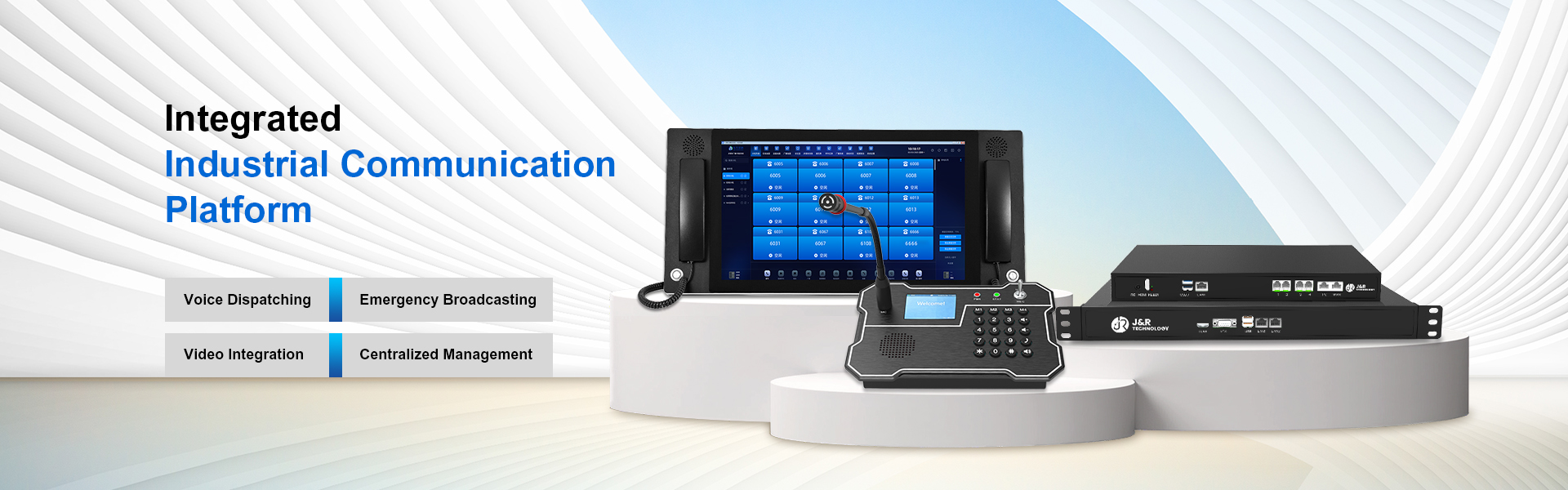
From emergency telephones and industrial paging systems to integrated control room communication platforms, modern communication networks are essential for minimizing risks and supporting efficient plant operations. Combined with advanced <a href="/emergency-communication-solutions/">emergency communication solutions</a>, these systems help petrochemical facilities improve situational awareness and respond quickly during critical incidents.
This article explores why communication systems are indispensable for petrochemical plant safety and how modern communication infrastructure supports industrial operations.
Safety Requirements Overview
Petrochemical facilities operate under some of the strictest industrial safety requirements in the world.
Hazardous Operating Environments
Petrochemical plants often involve:
- Explosive gas atmospheres
- Toxic chemical exposure
- High-temperature processing
- Pressurized pipelines
- Large-scale storage tanks
Communication systems must remain fully operational even under dangerous and unpredictable conditions.
Rapid Emergency Response
In the event of:
- Gas leaks
- Fire outbreaks
- Explosions
- Equipment failures
- Worker accidents
Personnel must be able to communicate immediately with control rooms and emergency teams.
Reliable communications for petrochemical plants ensure that alarms, instructions, and emergency coordination can occur without delay.
Personnel Safety
Industrial communication systems help workers:
- Report hazards
- Request assistance
- Receive evacuation instructions
- Coordinate maintenance tasks safely
In many facilities, communication networks are directly linked to <a href="/emergency-communication-solutions/">emergency communication solutions</a> platforms to support fast emergency intervention.
Network Architecture
The architecture of communication systems in petrochemical plants must be designed for both reliability and flexibility.
Multi-Layer Communication Networks
Modern petrochemical facilities often deploy multiple communication layers, including:
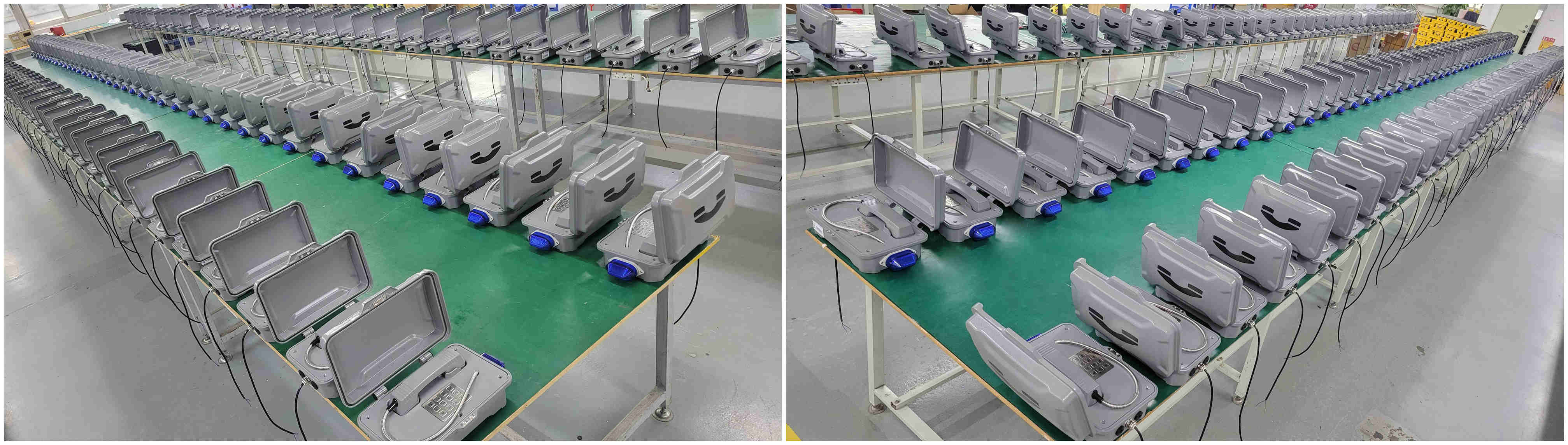
- Industrial telephones
- SIP and VoIP systems
- Fiber optic backbone networks
- Wireless radio systems
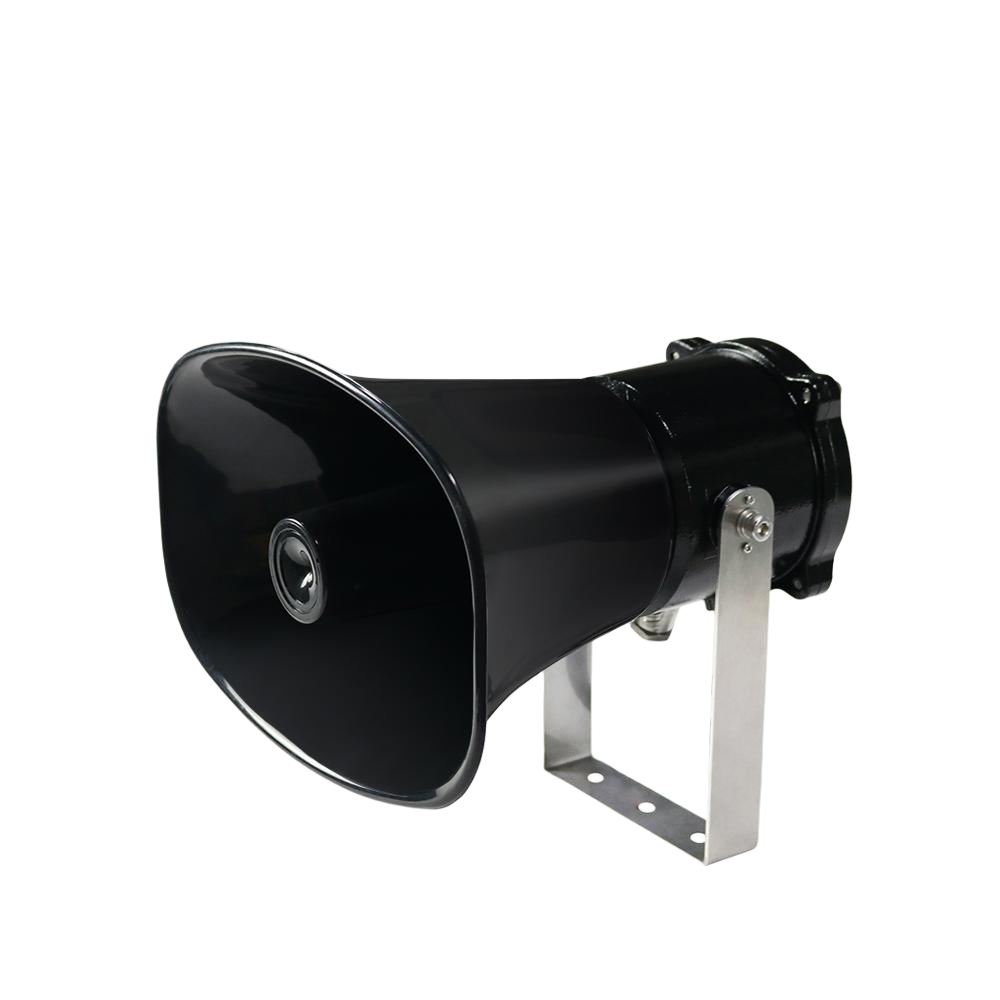
- Public address and general alarm systems
- CCTV integration
This layered approach ensures continuous communication across the entire facility.
Fiber Optic Infrastructure
Fiber optic communication is widely used because it offers:
- High bandwidth
- Long-distance transmission
- Immunity to electromagnetic interference
- Stable performance in industrial environments
Zoned Communication Design
Large petrochemical plants are usually divided into operational zones such as:
- Refining areas
- Storage terminals
- Processing units
- Loading stations
- Utility areas
Communication systems are designed to support both local zone communication and centralized plant-wide coordination.
Integration of Wired and Wireless Systems
Petrochemical facilities often combine:
- Wired industrial telephones for reliability
- Wireless radio systems for mobility
- Emergency broadcast systems for mass notification
This hybrid approach improves operational efficiency and emergency responsiveness.
Redundancy & Reliability
Reliability is one of the most critical requirements for communications for petrochemical plants.
Redundant Communication Paths
To avoid single points of failure, communication systems typically include:
- Redundant fiber optic loops
- Backup communication servers
- Multiple routing paths
- Secondary radio networks
Backup Power Systems
Communication infrastructure must continue functioning during power outages. Therefore, facilities commonly deploy:
- UPS systems
- Emergency generators
- Battery backup systems
Industrial-Grade Equipment
Petrochemical communication equipment is specifically designed to withstand:
- Corrosion
- Moisture
- Extreme temperatures
- Vibration
- Hazardous gas environments
Explosion-proof communication devices are especially important in classified hazardous areas.
High Availability Requirements
Downtime in petrochemical facilities can lead to:
- Production losses
- Safety risks
- Environmental incidents
- Regulatory violations
Reliable communication systems significantly reduce these risks.
Integration with Control Systems
Modern communication systems are no longer isolated platforms. They are increasingly integrated with broader industrial automation and safety systems.
SCADA and DCS Integration
Communication systems often interface with:
- SCADA (Supervisory Control and Data Acquisition)
- DCS (Distributed Control Systems)
This integration allows operators to:
- Monitor alarms
- Coordinate responses
- Dispatch maintenance teams
- Manage emergency events more efficiently
Alarm and Notification Systems
Communication platforms can automatically trigger:
- Voice alarms
- Public announcements
- Emergency notifications
- Evacuation instructions
These capabilities are essential components of advanced <a href="/emergency-communication-solutions/">emergency communication solutions</a>.
CCTV and Security Coordination
Integrated communication systems also support:
- Security monitoring
- Access control coordination
- Incident management
- Remote operational supervision
Real-Time Operational Communication
Control room operators rely on real-time communication to coordinate:
- Plant shutdowns
- Maintenance procedures
- Hazard isolation
- Emergency response teams
Regulatory Standards
Petrochemical communication systems must comply with strict international safety and industrial standards.
Explosion-Proof Certifications
Communication devices used in hazardous areas often require certifications such as:
- ATEX
- IECEx
- UL hazardous location standards
These certifications ensure equipment can safely operate in explosive atmospheres.
Industrial Safety Standards
Petrochemical communication infrastructure may also need to comply with:
- OSHA requirements
- NFPA fire safety standards
- IEC industrial communication standards
- Local industrial safety regulations
Emergency Communication Compliance
Many regulations require petrochemical facilities to maintain:
- Emergency alarm systems
- Evacuation communication systems
- Backup communication infrastructure
- Emergency response coordination capabilities
Regular Testing and Maintenance
Regulatory compliance also requires routine:
- System inspections
- Communication testing
- Preventive maintenance
- Emergency drills
Proper maintenance ensures communication systems remain operational during critical events.
Conclusion
Reliable communications for petrochemical plants are essential for ensuring worker safety, operational continuity, and rapid emergency response. In hazardous industrial environments where every second matters, communication failures can lead to severe safety and environmental consequences.
By implementing robust network architectures, redundant communication systems, industrial-grade equipment, and integrated <a href="/emergency-communication-solutions/">emergency communication solutions</a>, petrochemical facilities can significantly improve both safety performance and operational efficiency.
As industrial automation and safety standards continue to evolve, advanced communication systems will remain a fundamental part of modern petrochemical plant infrastructure.


 Prisons & Correctional Facilities
 Transportation & Underground Infrastructure
 Critical Industrial & Energy Facilities
 Marine & Offshore
 Manufacturing Plant & Public Facilities