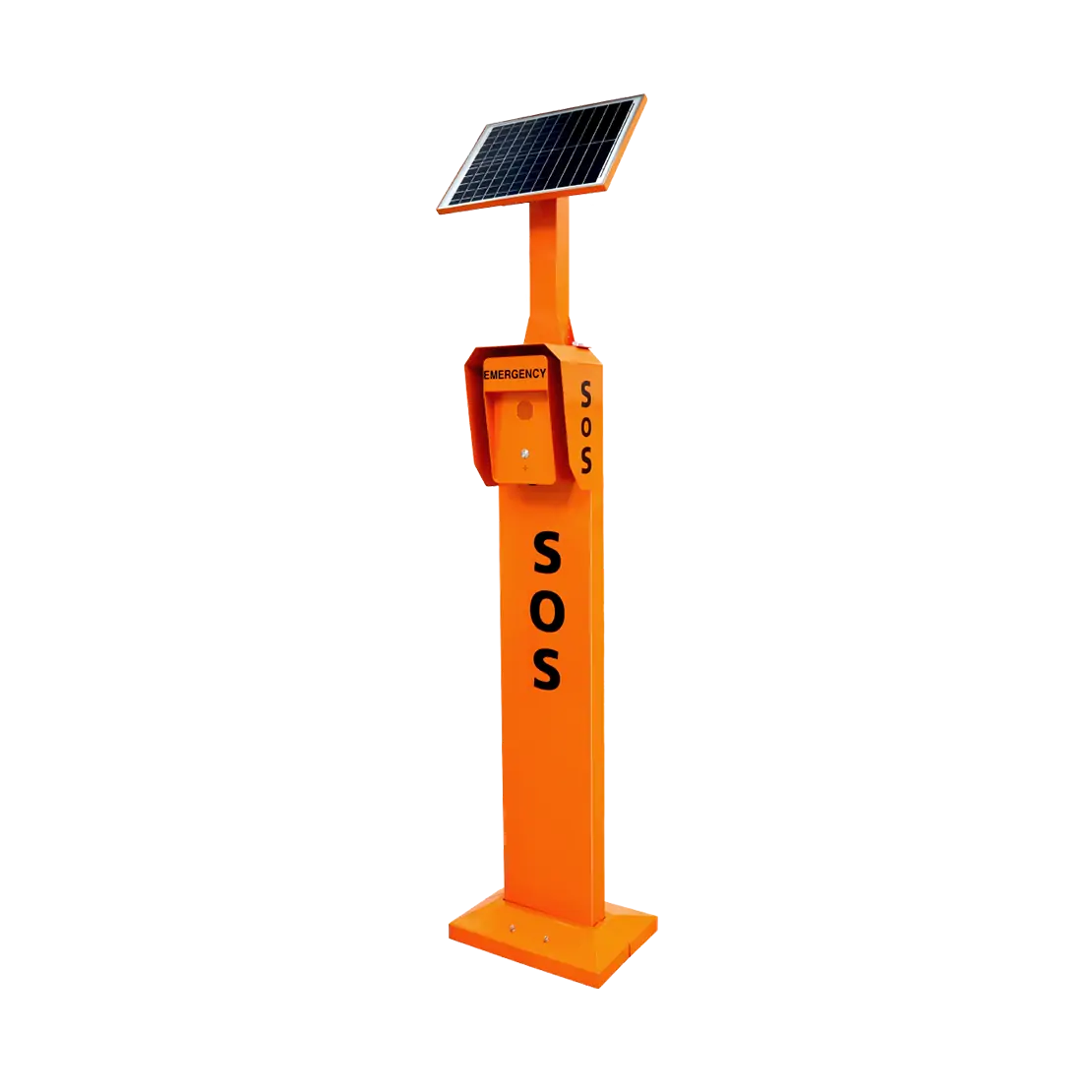
In modern healthcare environments, rapid communication can make a critical difference during emergencies. A well-positioned hospital call button system helps patients quickly request assistance, improves response efficiency, and supports overall hospital safety management. Whether in patient wards, emergency departments, or elderly care facilities, correct installation planning is essential for reliable emergency communication.
This article explores the best locations for installing hospital call buttons, wiring considerations, integration methods, and compliance requirements.
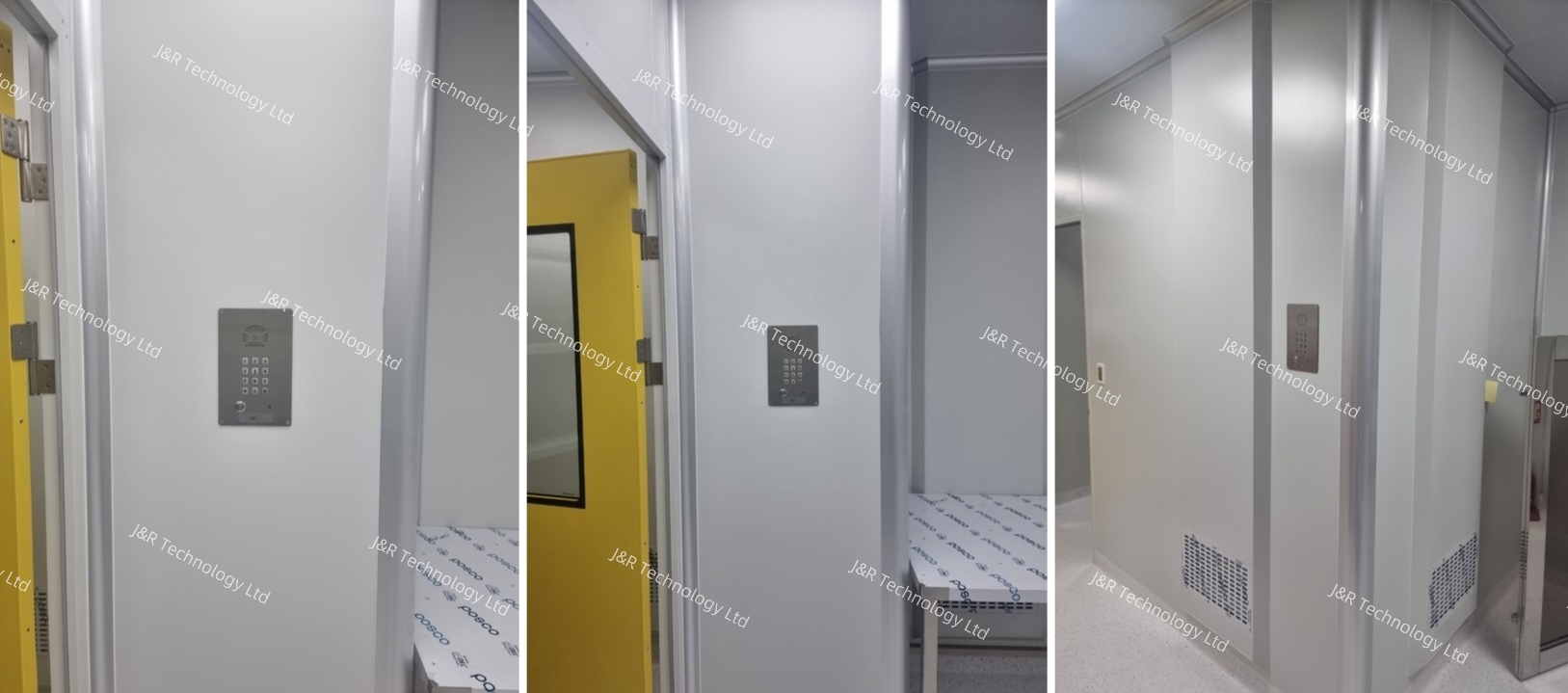
Call Button Functionality
A hospital call button is an emergency communication device designed to instantly notify nurses, caregivers, or security personnel when assistance is required. These systems are commonly used in hospitals, clinics, rehabilitation centers, and nursing homes.
Typical functions include:
- Emergency patient assistance requests
- Nurse call notifications
- Audio communication with nurse stations
- Alarm triggering for critical situations
- Integration with hospital communication systems
- Visual and audible alert activation
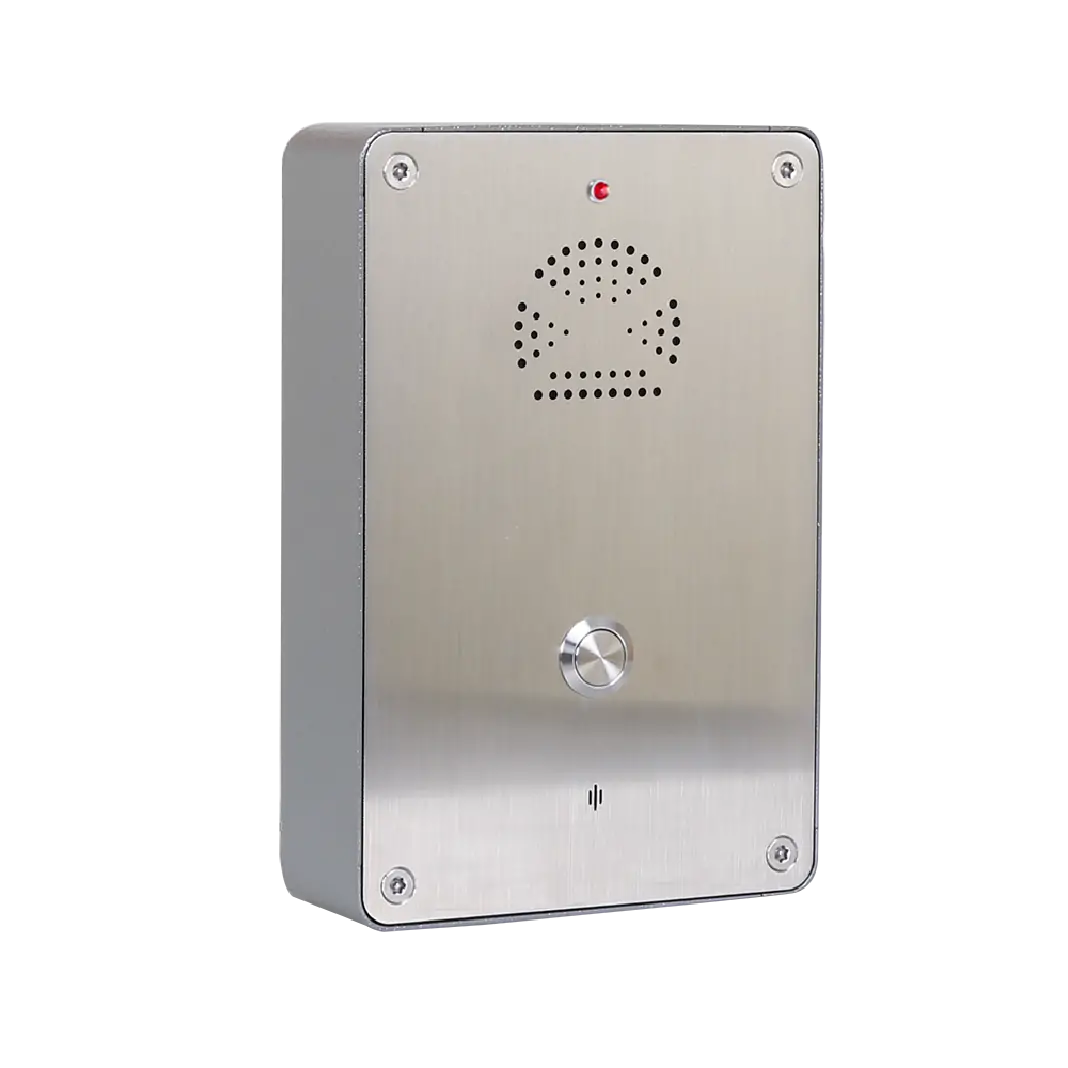
Modern hospital communication solutions often integrate with related systems such as emergency call device and emergency call point technologies to create a unified emergency response network.
Recommended Locations
Proper placement of a hospital call button directly affects usability and emergency response speed. Hospitals should ensure that buttons are easy to access for both patients and medical staff.
Patient Bedsides
The most common installation location is beside the patient bed. Buttons should be positioned within comfortable reach, especially for patients with limited mobility.
Recommended placement considerations:
- Mounted near bed rails or bedside panels
- Accessible while lying down
- Clearly labeled and illuminated
- Protected against accidental activation
Bathrooms and Toilets
Bathrooms are considered high-risk areas for slips and falls. Emergency call buttons should be installed:
- Near toilets
- Inside shower areas
- Close to floor level for fallen patients
- Using waterproof and antibacterial designs
Pull-cord emergency buttons are commonly used in these locations.
Emergency Rooms and ICUs
Critical care environments require immediate response capability. Call buttons in ICUs and emergency departments should support:
- Fast nurse notification
- Priority alarm escalation
- Audio communication features
- Redundant connectivity
Hallways and Public Areas
Hospitals may also install emergency call points in:
- Corridors
- Waiting areas
- Reception zones
- Parking structures
- Elevator lobbies
These devices allow visitors or staff to quickly report emergencies.
Elderly Care and Rehabilitation Areas
Patients in rehabilitation or senior care units often require additional accessibility support. Installation height and activation force should comply with accessibility standards to ensure convenient operation.
Wiring & Connectivity
Reliable connectivity is essential for any hospital call button system.
Wired Systems
Traditional wired systems remain widely used because of their stability and low interference risk.
Advantages include:
- Stable communication
- Continuous power supply
- High reliability
- Easier centralized management
Hospitals typically use:
- Shielded communication cables
- Low-voltage wiring
- Redundant network architecture
- Backup power systems
Wireless Systems
Wireless call buttons are increasingly popular in modern healthcare facilities due to flexible deployment.
Benefits include:
- Faster installation
- Easier expansion
- Reduced construction costs
- Suitable for temporary wards
However, wireless systems must ensure:
- Strong signal coverage
- Low latency
- Interference protection
- Secure encrypted communication
IP-Based Communication
Many modern hospitals are transitioning to IP-based nurse call systems that integrate with:
- SIP communication platforms
- VoIP networks
- Central monitoring systems
- Mobile nurse terminals
This allows real-time alarm forwarding and centralized emergency management.
Integration with Nurse Stations
A standalone hospital call button offers limited functionality compared to an integrated communication ecosystem.
Modern systems are commonly connected to:
- Nurse stations
- Overhead paging systems
- Emergency broadcasting systems
- Security management platforms
- Mobile nurse devices
- Central monitoring software
Integration enables:
- Faster alarm routing
- Two-way communication
- Event logging
- Priority-based alarm management
- Workflow optimization
When integrated with nurse stations, staff can immediately identify:
- Patient room location
- Emergency type
- Alarm priority
- Response status
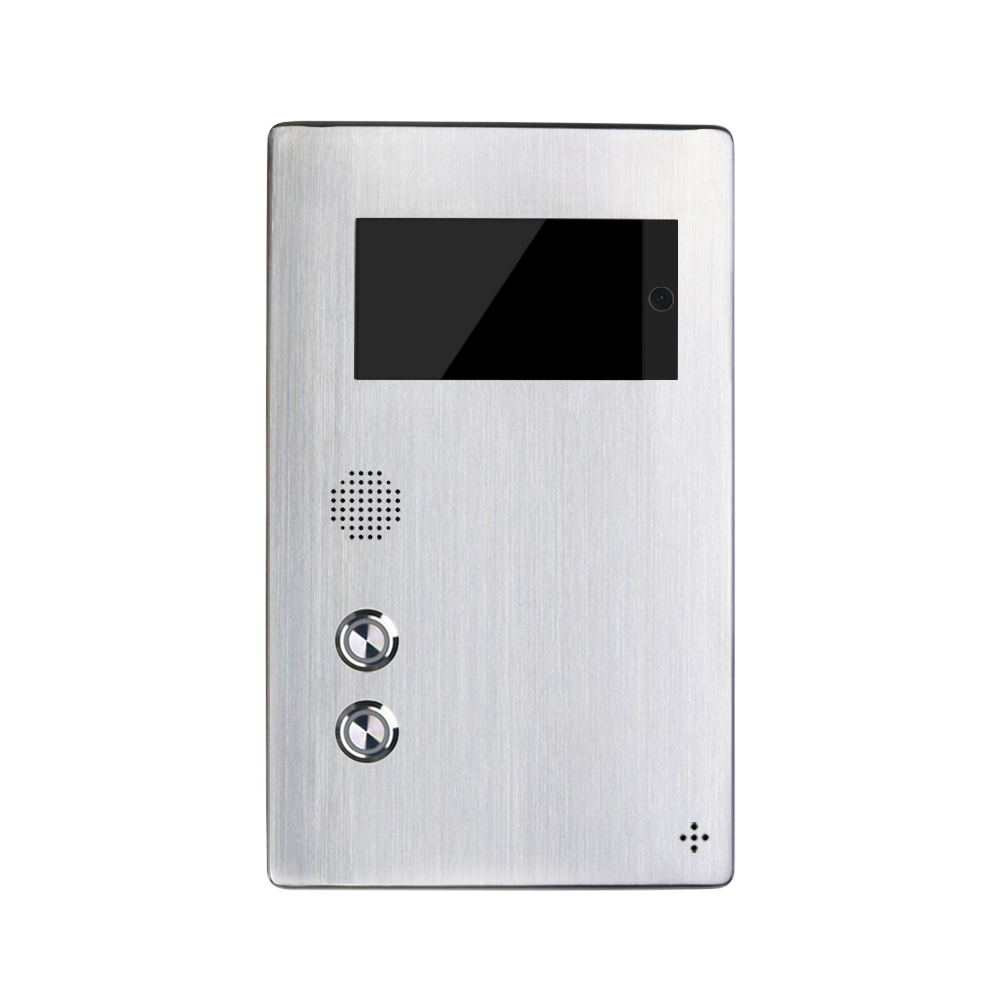
Some advanced systems also support video verification and remote communication.
Testing & Compliance
Regular testing is critical to ensure emergency systems remain operational at all times.
Routine Testing
Hospitals should establish scheduled inspections that verify:
- Button responsiveness
- Alarm transmission
- Audio communication quality
- Indicator light functionality
- Backup power operation
Testing records should be documented for maintenance and compliance purposes.
Hygiene and Durability
Healthcare environments require devices that support:
- Antibacterial surfaces
- Easy cleaning
- Waterproof protection
- Chemical resistance
- Long operational lifespan
Compliance Standards
Depending on regional regulations, hospital emergency communication systems may need to comply with:
- Healthcare safety standards
- Accessibility regulations
- Fire and emergency communication codes
- Electrical safety requirements
- Infection control guidelines
Proper compliance helps hospitals improve patient safety while reducing operational risks.
Conclusion
Strategic installation of a hospital call button system is essential for efficient emergency response and patient safety. From bedside placement to full nurse station integration, every component should be carefully designed to ensure reliability, accessibility, and rapid communication.
As healthcare facilities continue modernizing their communication infrastructure, integrated emergency systems combining call buttons, emergency communication devices, and centralized monitoring platforms will become increasingly important for improving both operational efficiency and patient care.


 Prisons & Correctional Facilities
 Transportation & Underground Infrastructure
 Critical Industrial & Energy Facilities
 Marine & Offshore
 Manufacturing Plant & Public Facilities