Effective communication is one of the most critical elements in modern healthcare environments. From emergency response coordination to routine patient assistance, a reliable hospital intercom system helps medical staff communicate instantly and efficiently across different departments.
As hospitals continue adopting digital healthcare infrastructure, intercom systems are evolving into intelligent communication platforms that integrate audio, video, emergency alerts, and access control functions. These systems not only improve operational efficiency but also significantly enhance patient and staff safety.
This article explores how hospital intercom systems work, their key components, deployment strategies, and maintenance best practices.
System Components & Features
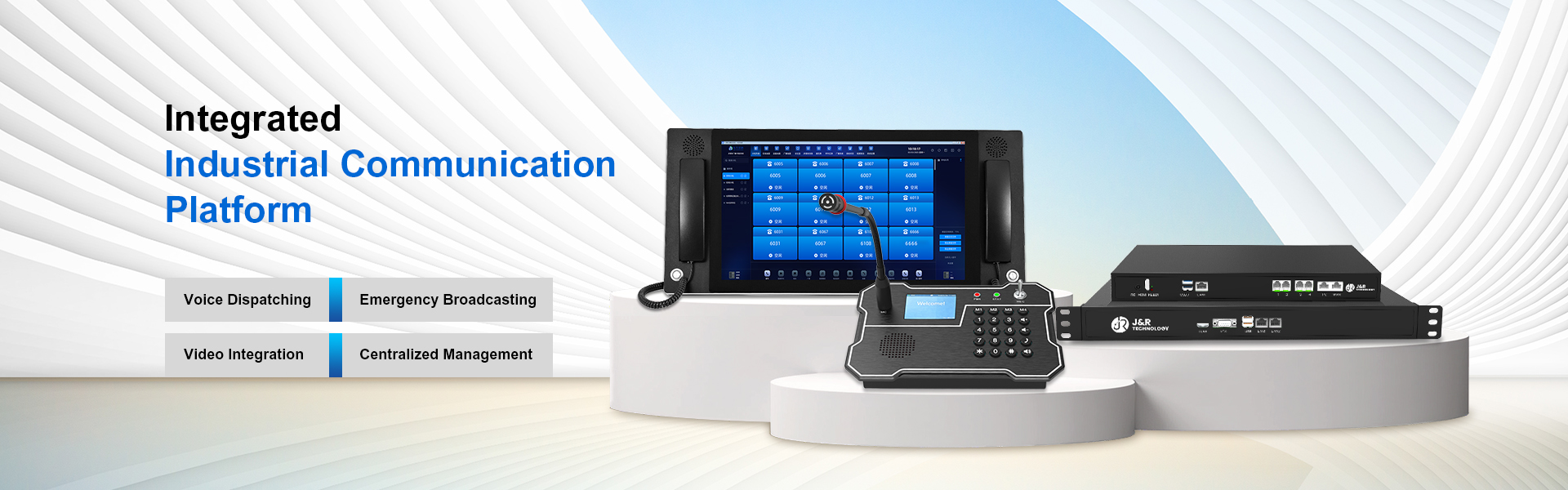
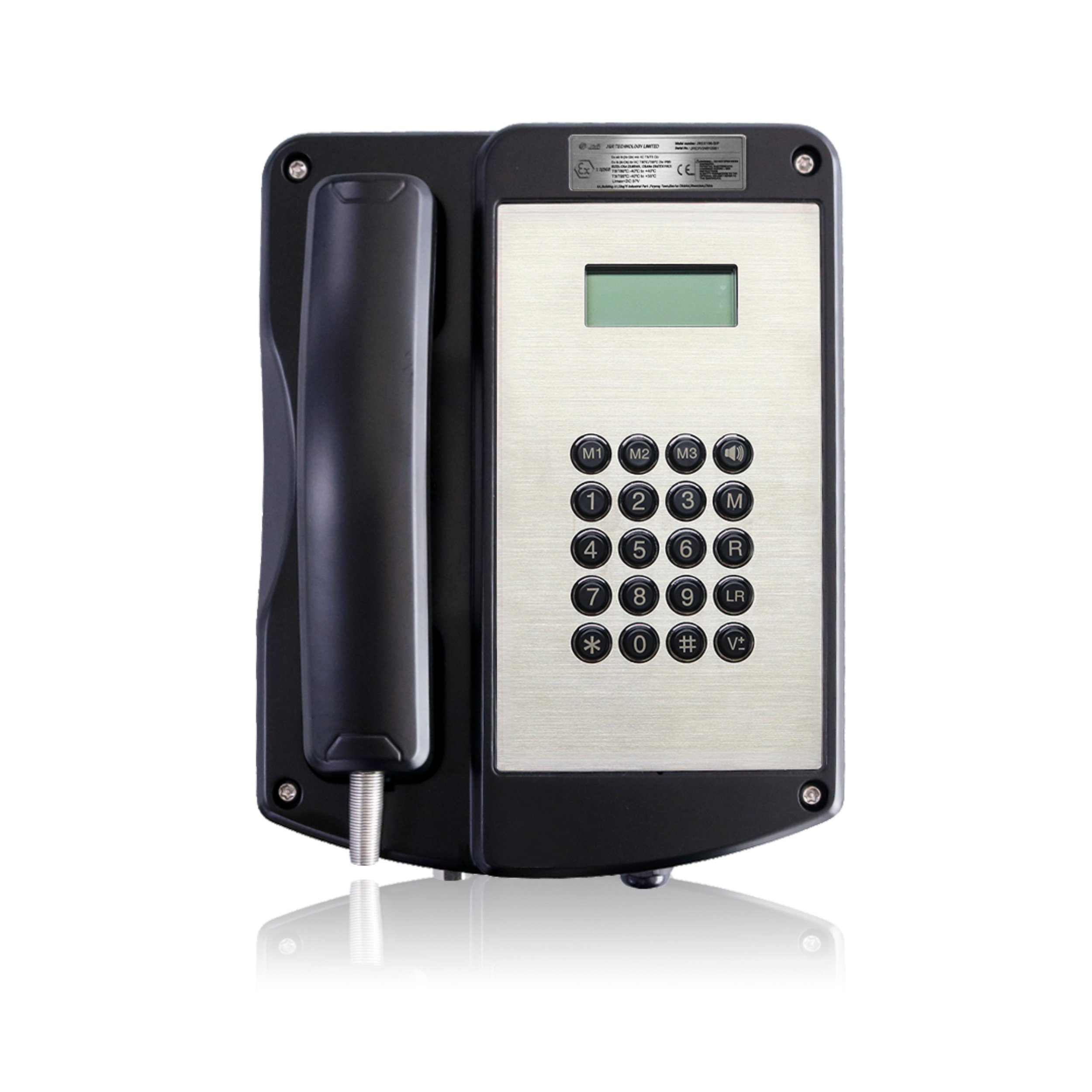
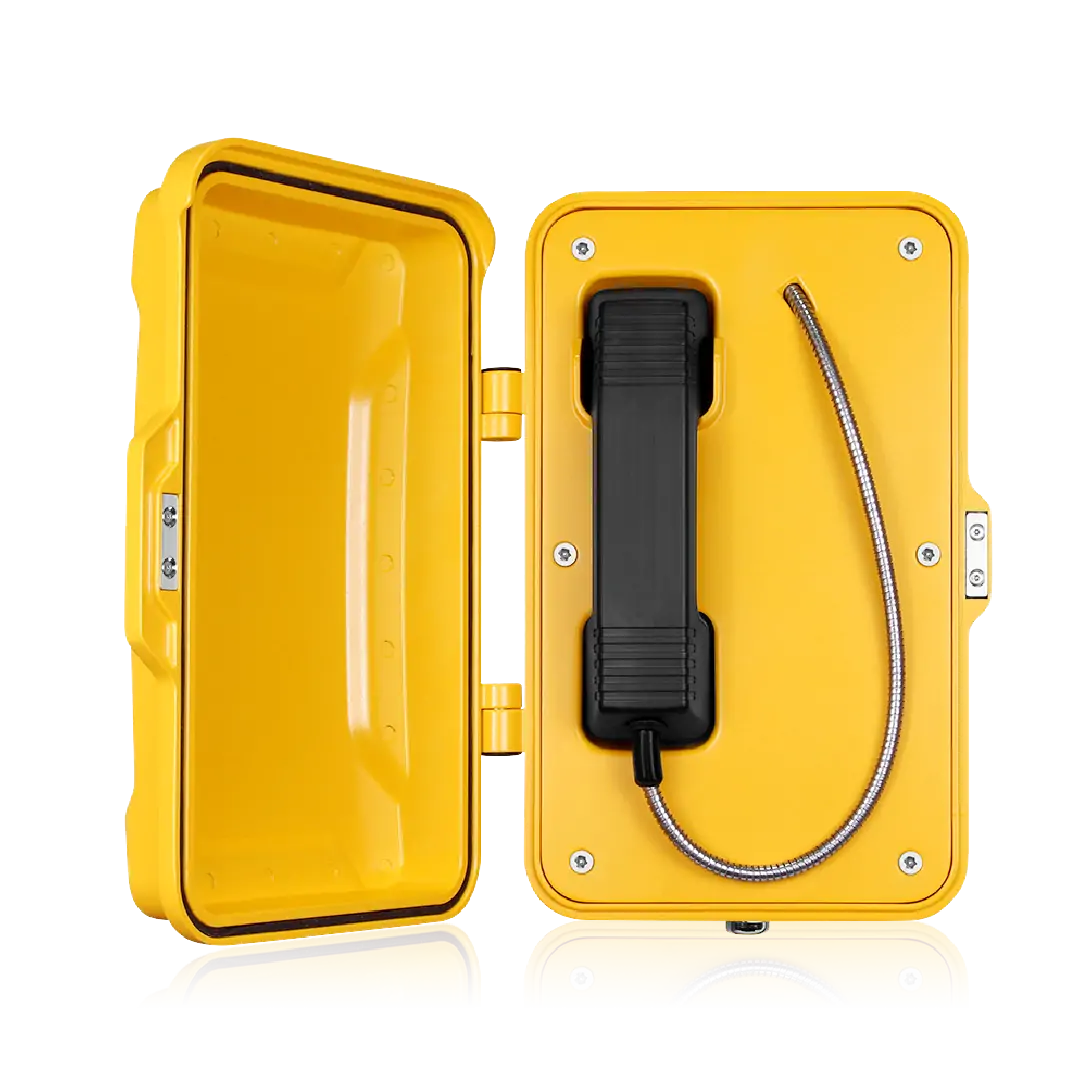
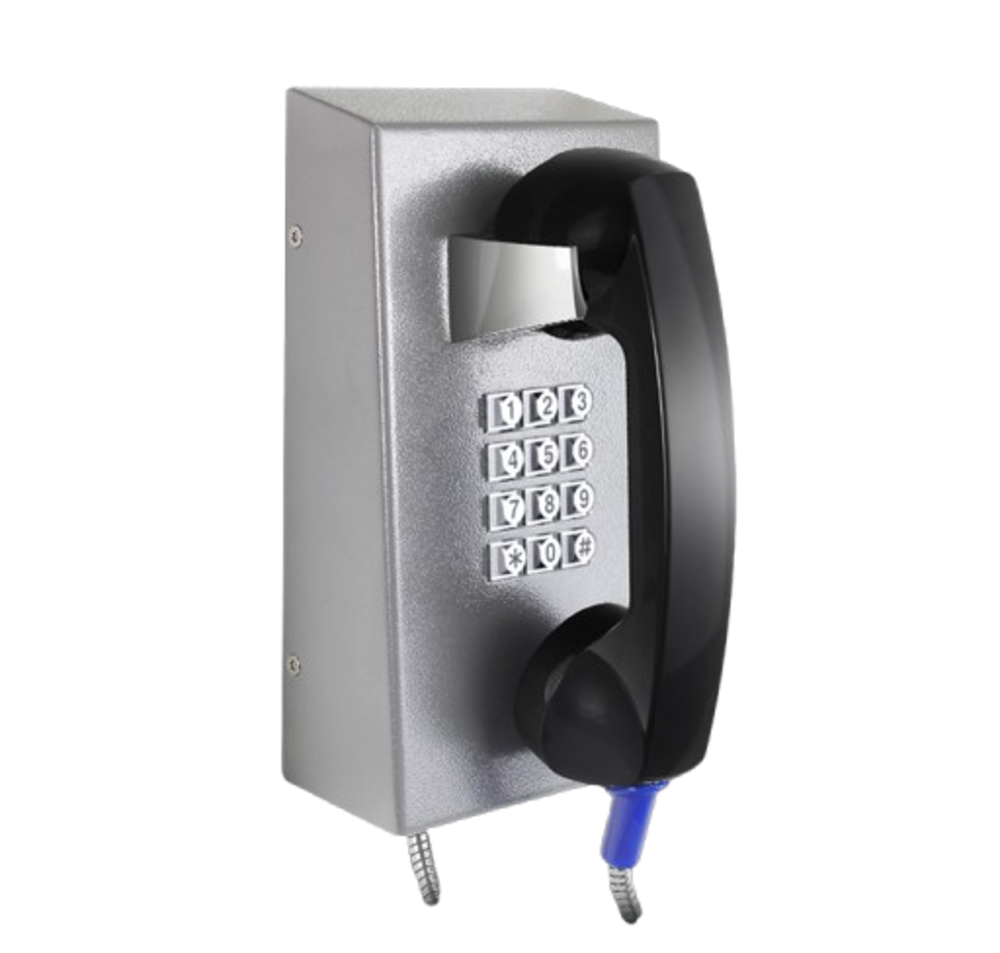
A modern hospital intercom system consists of multiple communication devices and management platforms working together to ensure seamless coordination across healthcare facilities.
Typical system components include:
- Master stations at nurse stations
- Bedside patient intercom units
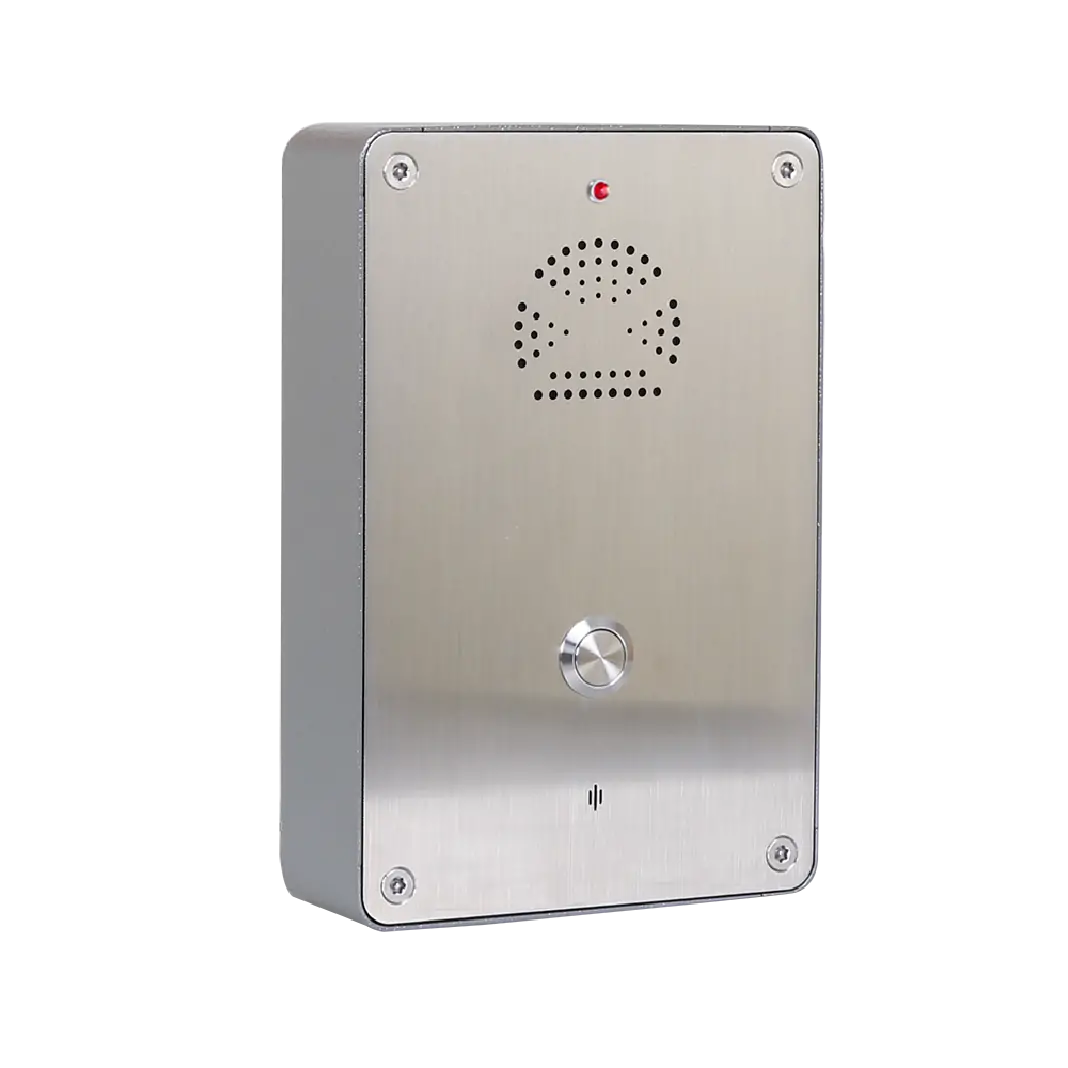
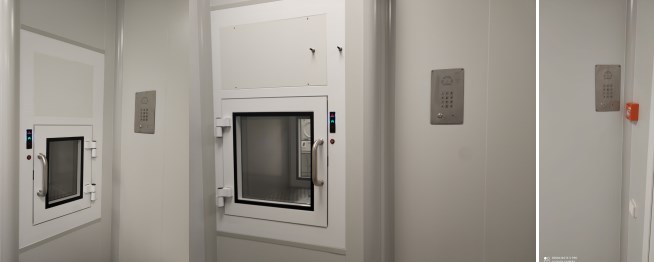
- Emergency call panels
- Corridor displays
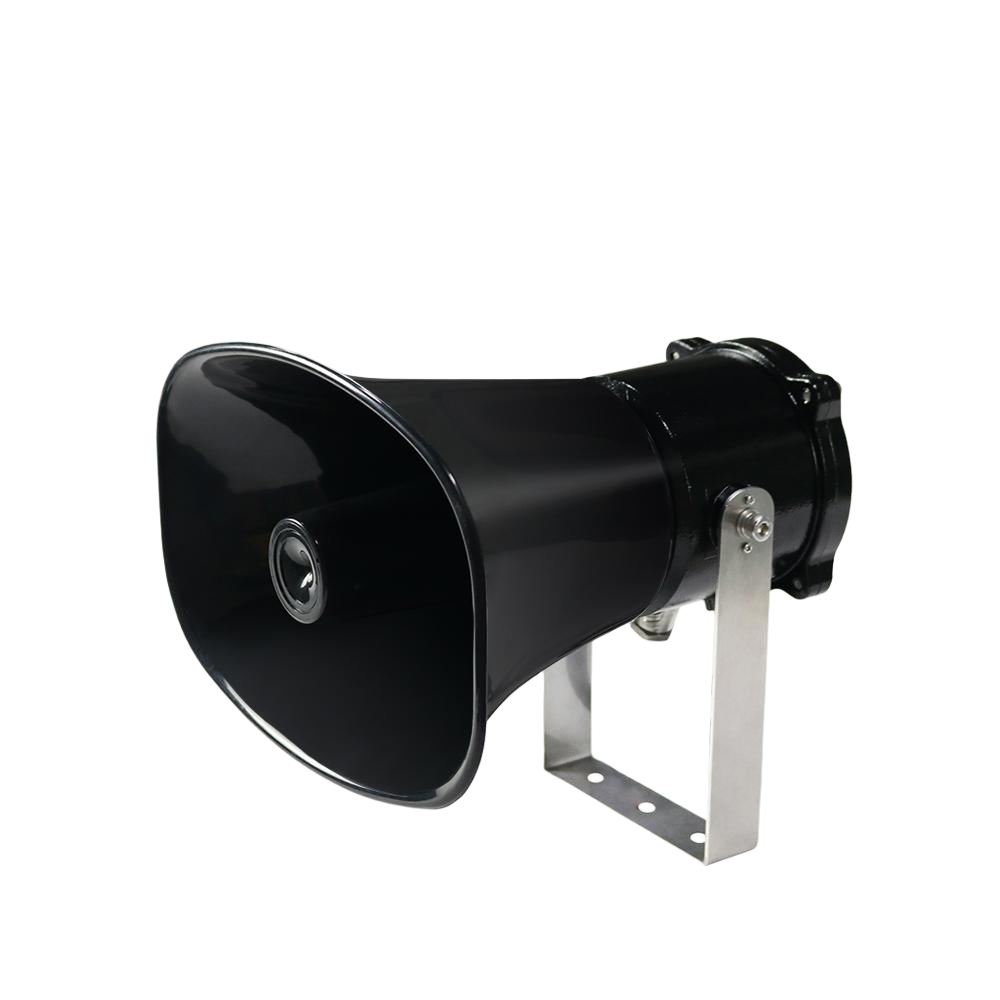
- Ceiling speakers and paging systems
- SIP or IP communication servers
- Mobile communication terminals
- Central monitoring software
Core features often include:
- Instant voice communication
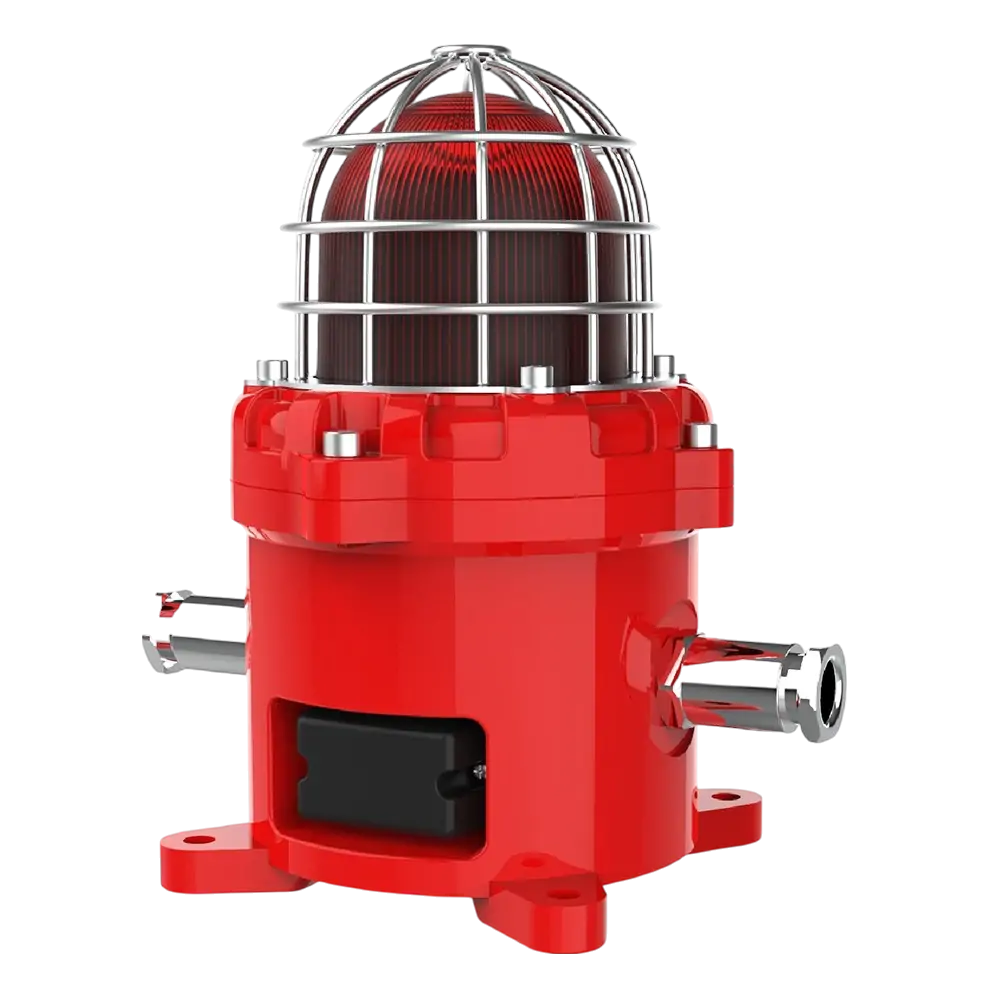
- Emergency alarm triggering
- Group paging and announcements
- Two-way communication
- Real-time monitoring
- Call recording and event logging
- Priority-based emergency alerts
Many hospitals also integrate intercom systems with an emergency call system to improve response times during critical incidents.
Advanced systems can support:
- Multi-zone communication
- Remote management
- Redundant network architecture
- Integration with hospital information systems (HIS)
Audio & Video Integration
Modern healthcare facilities increasingly require more than basic voice communication. Audio and video integration enhances situational awareness and improves patient monitoring capabilities.
Audio Communication
High-quality audio communication enables:
- Fast nurse-patient interaction
- Clear emergency instructions
- Department coordination
- Hands-free communication in operating rooms
Noise reduction technology and echo cancellation help maintain communication clarity in busy hospital environments.
Video Intercom Integration
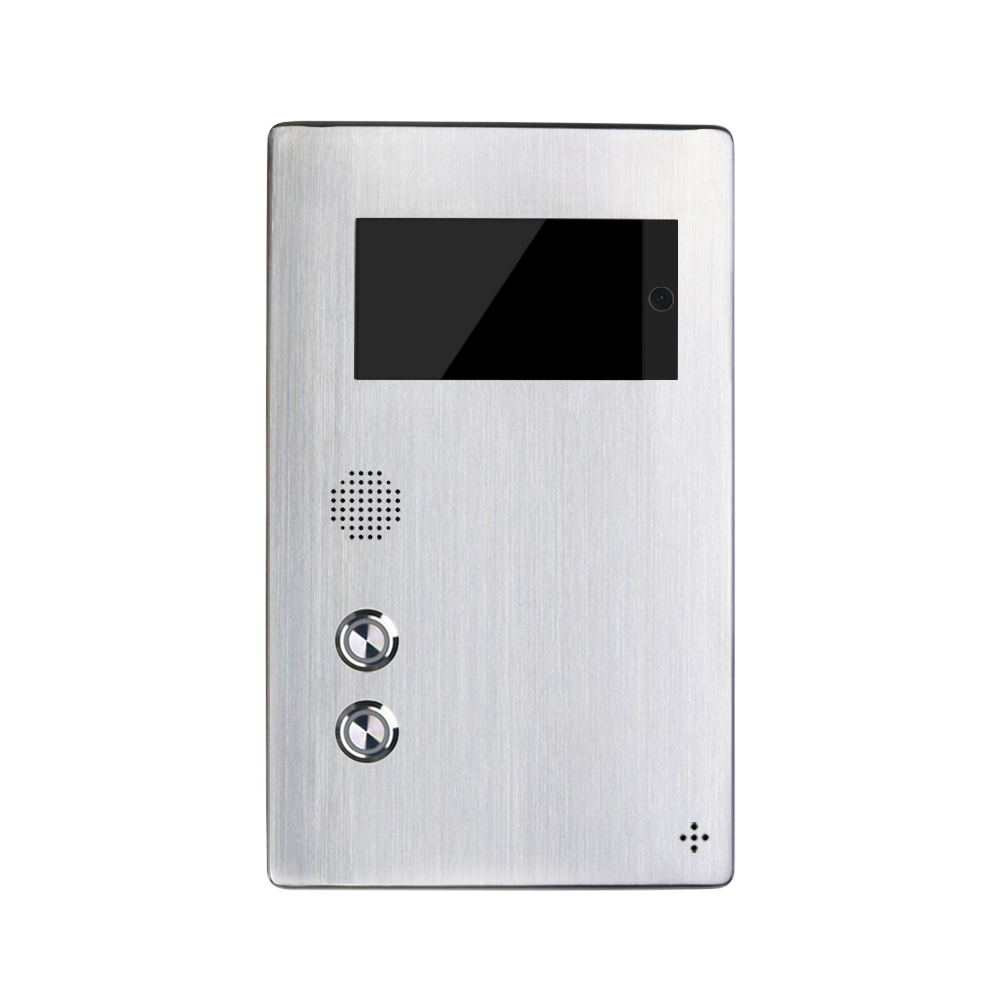
Video-enabled intercom systems provide additional security and operational advantages, including:
- Visual patient verification
- Visitor identity confirmation
- Remote consultations
- Monitoring of restricted areas
- Enhanced emergency response assessment
Video communication is particularly useful in:
- Intensive care units (ICUs)
- Isolation wards
- Emergency entrances
- Pharmacy access areas
- Staff-only corridors
Combined audio-video communication helps reduce response delays and improves overall hospital security management.
Access Control Interfaces
A modern hospital intercom system often integrates with access control systems to create a more secure healthcare environment.
These integrations allow hospitals to:
- Control restricted area access
- Verify visitor identity remotely
- Unlock doors during emergencies
- Monitor staff movement
- Improve security event tracking
Common integration points include:
- Emergency department entrances
- Pharmaceutical storage rooms
- Data centers
- Operating theaters
- Staff-only access zones
When connected to access control systems, intercom devices can trigger:
- Automatic door release
- Security alarms
- Emergency lockdown procedures
- Video recording activation
This integration improves both patient protection and facility security while supporting healthcare compliance requirements.
Deployment Guidelines
Successful deployment of a hospital intercom system requires careful planning to ensure reliability, scalability, and ease of use.
Infrastructure Assessment
Before installation, hospitals should evaluate:
- Existing network infrastructure
- Power redundancy requirements
- Coverage areas
- Department communication workflows
- Future expansion needs
Strategic Device Placement
Intercom devices should be installed in:
- Patient rooms
- Nurse stations
- Hallways
- Emergency exits
- Reception areas
- Operating rooms
- Parking facilities
Devices must remain accessible, clearly visible, and easy to operate during emergencies.
Network Reliability
Hospitals should prioritize:
- Redundant servers
- Backup power systems
- Stable IP connectivity
- Secure communication protocols
- Low-latency audio transmission
Downtime in hospital communication systems can directly affect patient safety, making system reliability a top priority.
User Training
Medical staff should receive training on:
- Emergency communication procedures
- Device operation
- Alarm escalation workflows
- Troubleshooting basics
Proper staff training significantly improves emergency response efficiency.
Maintenance Best Practices
Regular maintenance is essential for ensuring continuous operation of a hospital intercom system.
Routine System Testing
Hospitals should routinely verify:
- Audio quality
- Video functionality
- Alarm transmission
- Network stability
- Power backup systems
- Speaker and microphone performance
Scheduled testing helps identify faults before they affect critical communication.
Software Updates
Modern IP-based intercom systems require:
- Firmware updates
- Cybersecurity patches
- Server optimization
- Configuration backups
Keeping systems updated improves both security and operational stability.
Cleaning & Hygiene
Healthcare communication devices should support:
- Antibacterial surfaces
- Easy disinfection
- Waterproof protection
- Chemical resistance
This is especially important in high-contact areas such as patient wards and emergency rooms.
Preventive Maintenance
Hospitals should establish preventive maintenance schedules to:
- Replace aging hardware
- Inspect cabling
- Monitor network performance
- Verify integration functionality
Preventive maintenance reduces unexpected downtime and extends equipment lifespan.
Conclusion
A modern hospital intercom system plays a critical role in improving communication efficiency, patient care, and staff safety. By integrating voice, video, emergency alerts, and access control functions, hospitals can build a more responsive and secure healthcare environment.
As healthcare facilities continue moving toward digital and intelligent infrastructure, integrated hospital communication systems will become increasingly important for enhancing operational reliability and delivering faster emergency response.


 Prisons & Correctional Facilities
 Transportation & Underground Infrastructure
 Critical Industrial & Energy Facilities
 Marine & Offshore
 Manufacturing Plant & Public Facilities